
Dream About a Tsunami — It's Not About Disaster. It's a Wall of Unprocessed Conscious Experience That's Finally Catching Up to You.
So you woke up watching a wall of water rise on the horizon. Every dream site calls it overwhelm, anxiety, or a literal warning. They're wrong. Here's what's actually happening when your subconscious sends you a tsunami — and why this is one of the most diagnostic dreams you can have.
So you woke up watching a wall of water rise on the horizon — and you can already feel that nothing about waking life is going to feel the same for a while. Every dream site you'll Google is going to tell you the same three things: it means anxiety, it means overwhelm, or it's a literal warning about a real tsunami. Read that last one again. Your subconscious mind, which speaks in symbols, is forecasting tectonic activity along a fault line on the other side of the planet. Think about that for a second. That doesn't even begin to touch what's actually happening.
The tsunami isn't a forecast. It isn't anxiety. It isn't a feeling. It's a mechanism. And once you see what your subconscious is actually showing you, you stop being afraid of it and you start using it.
So You Dreamed About a Tsunami — Here's What Almost Every Source Got Wrong
Look, the reason this dream keeps getting mistranslated is that everyone is reading it backwards. They feel the emotion in the dream — terror, helplessness, that breath-stopping moment when the wave is too big to outrun — and they label the dream after the emotion. So they tell you, "you're feeling overwhelmed in waking life, that's all this means."
That answer takes the most loaded, vivid, multi-sensory thing your subconscious mind can produce and reduces it to a feeling you already knew you had. You didn't need a dream to tell you you're overwhelmed. You needed a dream to tell you why.
And that's where the Universal Language of Mind separates from every other dream system on the internet. It doesn't ask what the symbol made you feel. It asks what the symbol does. Form and function. Always. Because the subconscious doesn't speak emotionally — it speaks mechanically, the same way it has for every human being for the entire history of dreaming.
The Form and Function — Why Tsunami Means a Backlog of Conscious Life Experience
So here's how a tsunami actually forms in the physical world. There's a tectonic event deep underwater — earthquake, undersea slide, something massive shifts the plates — and that disturbance displaces an enormous volume of water. The ocean, which had been holding all that water in normal circulation, suddenly has to move it. The volume travels across thousands of miles, mostly invisible at the surface, until it reaches a shoreline shallow enough to force it upward. That's when you finally see the wave.
Now translate that into the language of mind. In ULM, water is your conscious life experience — every moment, conversation, sensation, encounter, choice, and reaction you've lived through. The ocean is the storehouse where all of that gets held in your subconscious until it's processed. The shoreline is the boundary where your subconscious meets your conscious mind. And a tsunami is what happens when something has been quietly displacing massive volumes of unprocessed life experience underneath the surface — for months, for years — and it's finally arriving at the shore all at once.
That's the whole mechanic. The wave isn't coming from somewhere mysterious. It's been building under your awareness the whole time. You didn't see it because you weren't looking down. You were looking out at the horizon, where everything seemed calm.
The Spectrum — Where You Were in the Tsunami Tells You How Far Behind You Are
This is where it gets specifically diagnostic. Almost nobody teaches this part because almost nobody knows it. Where you stand in the dream, in relation to the wave, tells you how much processing debt you've accumulated and how close it is to flooding into your conscious awareness.
Watching from a hill or high ground
You're elevated. The wave is visible but it hasn't reached you yet. This is your subconscious showing you that the backlog exists and is moving — but you've still got distance. Conscious awareness is high enough that you're seeing the unprocessed material rather than being submerged in it. This is the most useful version of the dream. It's an early-warning report from your own depths.
Standing on the beach as the wave approaches
The shoreline. The exact boundary between subconscious and conscious. You're on it, the wave is on its way, and the dream is showing you that the unprocessed material is about to make contact with your everyday awareness. Whatever you've been refusing to feel, decide on, grieve, or finish — it's here.
Caught in the wave or being hit
Full impact. The unprocessed life experience is no longer something happening underneath you — it's flooding through your conscious mind in real time. This isn't punishment. It's just physics. Whatever was suppressed wasn't going to stay suppressed forever, and your subconscious has decided you're strong enough now to receive it.
Underwater after the wave hits
Submerged but not gone. You're inside the experience now, surrounded by it, learning to breathe inside something you used to think would kill you. This is the integration stage. Your conscious mind is being reorganized around material it had been excluding.
The wave receding, a new shoreline visible
Very rare and very advanced. The processing has finished. The shoreline of your awareness has moved. You see your inner landscape rearranged — and you don't go back to who you were before the wave came in. This is the dream of completed inner transformation.
Bindu says: "The wave isn't your enemy. The wave is the part of you that refused to stay invisible. Honor it by letting it land."
Decode Your Specific Tsunami Dream — Not a Generic Definition
Where you stood in the wave, what color the water was, what you did when it hit — every detail changes the mechanic. CHITTA decodes your dream, not a dictionary entry written for someone else.
Decode Your Dream Now →Why This Dream Is Specifically Diagnostic, Not Predictive
Here's the part that everyone reading the wrong dream sites is going to need to slow down for. A tsunami dream is not predicting an external event. It's not telling you a real tsunami will happen. It's not telling you a relationship will collapse, a job will end, or someone is about to leave. The subconscious does not communicate in literal external forecasts. It communicates in internal mechanics expressed through external imagery.
What the dream is doing is performing a status check on your inner system. It's saying: "You have been collecting raw conscious life experience without digesting it. The volume has now exceeded your unconscious holding capacity. It's coming up to the surface whether you're ready or not." That's a diagnosis. The diagnosis is the gift. Because once you know the wave is built up, you can choose how it lands — through journaling, through integration, through actually feeling the things you've outsourced to "later."
This is non-negotiable. The subconscious always favors awareness over comfort. If it's sending you a tsunami, it's because keeping the wave underwater forever was costing you more than the dream is going to cost you.
The Mirror — What Your Subconscious Is Actually Asking You to Process
So you keep dreaming about a tsunami and you want to know what it means. Now you know what it means. The question shifts. The question becomes: what specifically have I been refusing to feel?
I've decoded thousands of these and the pattern never changes. Tsunami dreamers are almost always people who have built a high-functioning waking life on top of an enormous reservoir of unfelt grief, unfinished anger, undecided endings, or unintegrated joy. (Yes — joy. Suppressed joy displaces water just like suppressed grief does. The subconscious doesn't sort by valence. It sorts by what got lived but not processed.)
The clue is usually in the timing. The tsunami dream tends to come at the end of a long stretch of "being okay" — which is often code for being too busy to feel. It comes after a death you didn't fully grieve. After a relationship you walked out of without closure. After a version of yourself you outgrew but never said goodbye to. After a season of effort that you survived but never digested.
Look at the year behind you. What's been waiting under the surface, taking up space without your permission? That's the wave. Naming it is half the work.
What to Do When You Wake Up From a Tsunami Dream
Don't panic-Google. Don't run it through a dream app that's going to tell you it means change is coming. The wave already made the change. The dream is the receipt. Your job now is to receive it consciously instead of forcing your subconscious to deliver it again, bigger, next month.
Sit down. Open a journal. Don't interpret anything yet — just write the dream out, exactly as it happened, in present tense. Then ask three questions on the page. What life experience have I been carrying without processing? Where in my body do I feel that experience? What would it look like to let one piece of it fully land today? You're not solving the entire backlog. You're consciously accepting one wave-worth.
If you're a CHITTA user, log this dream immediately. Tsunami dreams have specific signatures — water color, height, what you did, where you stood — and the framework will trace each detail back to a specific area of your subconscious that's asking for processing. If you're not a user yet, this is a dream worth getting decoded properly. Generic answers will leave the wave intact.
Stop Decoding Yourself With Internet Dictionaries
Tsunami dreams are too important to leave to a 200-word blog post. CHITTA uses the Universal Language of Mind framework — the same form-and-function logic Tarak Uday teaches in "Life is But a Dream" — to give you the actual mechanic underneath your specific dream.
Decode Your Dream Now →The One Reframe That Changes Everything
If you take one thing away from this article, take this. A tsunami dream is your subconscious mind trusting you. It is sending up something it has been protecting you from for as long as it could, because it now believes you have the capacity to face it. That trust is sacred. Most people meet it with terror. The mature dreamer meets it with attention.
The wave on the horizon isn't your ending. It's your inner self saying, "you're ready now. I'm bringing you back what you left behind." Stand on the shore. Open your eyes. Don't look away. The whole point of this dream is for you to see what was always there — and to finally let it land where you can do something with it.
That's the whole point. Full stop.

Frequently Asked Questions



LUCID
You've tried every lucid dreaming technique. Most miss the root cause. LUCID reveals what they all skip.
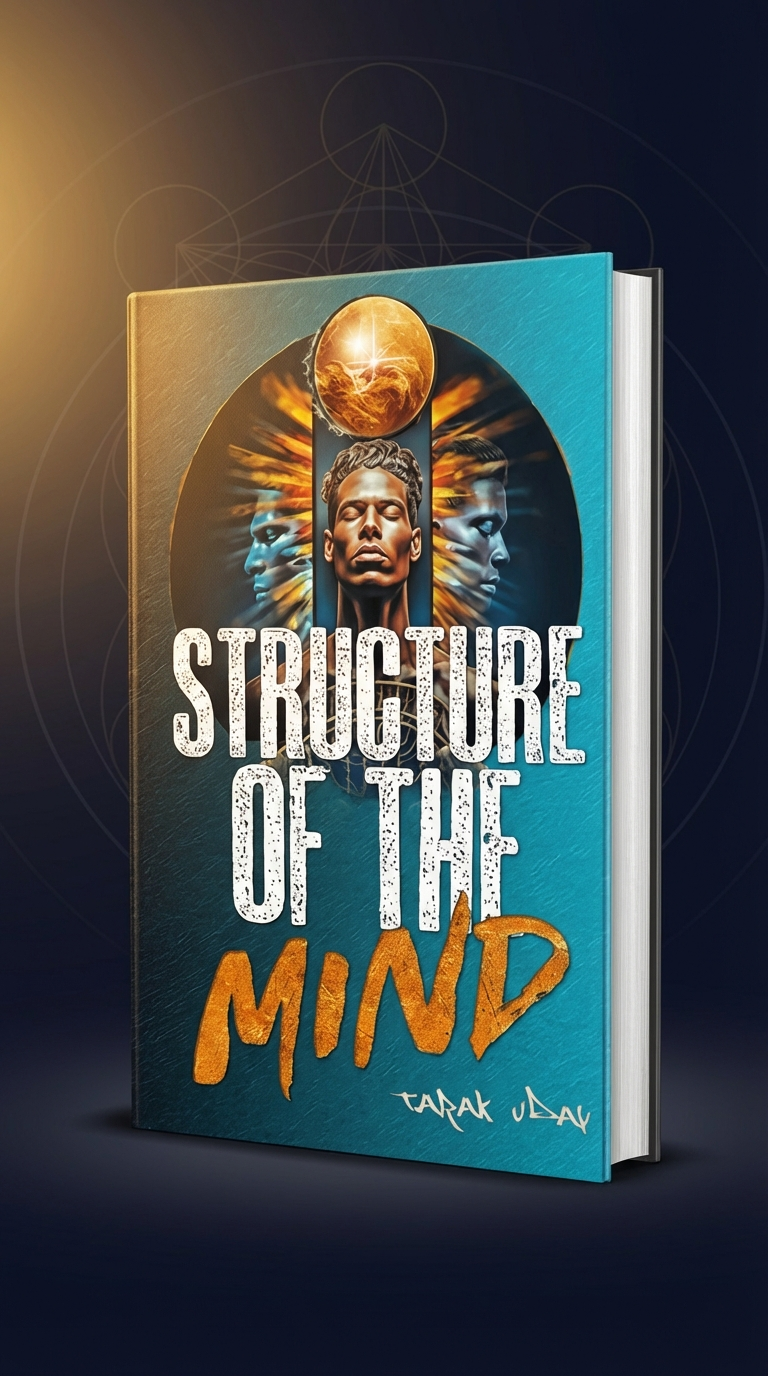
Understand Your Own Mind
"Structure of the Mind" reveals the three divisions of mind, seven levels of consciousness, and powers of mind that most people never learn to develop.