
Best Dream Interpretation Apps 2026 (Ranked)
I tested every major dream app on the market and logged the same dream into each one. Here's what I found — and why one app's methodology is fundamentally different from all the others.

I tested every major dream interpretation app on the market. I logged the same dream into each one and compared what came back. What I found was revealing — not because of how different the apps looked, but because of how identical their interpretations were.
Almost every app uses the same underlying approach: a general-purpose AI model filtered through pop psychology. They dress it up with different interfaces, gamification features, and pricing models. But underneath, you're getting the same vague, hedging, "this could mean anxiety or transformation" response from nearly all of them.
The fundamental question isn't which app has the best interface. It's whether the app has an actual interpretive framework — a consistent system where symbols have defined meanings — or whether it's just AI generating plausible-sounding guesses every time you log a dream. This single factor determines whether you get genuine insight or sophisticated noise.
Here is Chitta at a glance beside the apps whose own pages speak to these questions — measured against the only criteria that decide whether you get insight or noise:
| App | Defined symbolic framework | Same dream → same meaning | Life application | What you get |
|---|---|---|---|---|
| Chitta | ✓ Universal Language of the Mind | ✓ | ✓ Built into every interpretation | Decoding with life application, Oracle, concentration training — $15/mo |
| Dreamly | AI on the OpenAI API; its page says it "does not treat a symbol as having one universal meaning" | Not guaranteed: the same text "is not guaranteed to produce word-for-word identical output" | Offered as "a starting point for reflection" | Dream journal, AI-assisted interpretation, AI dream images |
| DreamApp | AI analysis plus psychologists; its listing says "there are no universal meanings" | A "rough idea," in its own words | A therapist to discuss the dream with | Dream journal, AI analysis, live sessions with therapists |
One row carries every checkmark. That is not a coincidence of features — it is the structural difference between an app that decodes a defined language and apps that tell you, in their own words, that a symbol has no universal meaning.
The Question Every Dreamer Should Ask First
Before downloading any dream app, ask yourself what you actually want from it. There are three questions that reveal whether a tool can deliver real value:
Does it use a defined symbolic framework, or is it AI improvising? Most apps feed your dream into a language model and let it generate a response from whatever psychological fragments exist in its training data. The result sounds intelligent but has no consistency. The same symbol produces different meanings depending on which session you're in. A codified framework — where a house ALWAYS represents a state of mind, where water ALWAYS represents conscious life experiences, where animals ALWAYS represent habitual thought patterns — produces consistent, reliable interpretations every time.
Does it give you something actionable, or just a reflection prompt? There's a difference between "this dream may reflect feelings of anxiety about a transition" and a specific decode of what your subconscious communicated and what to change in your waking life tomorrow. One leaves you nodding vaguely. The other transforms how you approach your day.
Does it treat dreams as psychological symptoms or as structured communication? This is the fundamental divide in the dream interpretation space. Every app on this list treats dreams as byproducts of your emotional state — something to analyze the way a therapist analyzes anxiety. The alternative view — held by metaphysical traditions for thousands of years — is that dreams are a structured language. A direct communication from your subconscious mind using a specific symbolic vocabulary that can be decoded with the same precision you'd use to translate a foreign language.
Chitta — The Only App Built on a Defined Symbolic Language
This article is published by the team behind Chitta. That means we understand the dream interpretation space from the inside — we built a tool specifically to solve the problems every other app fails to address. We know exactly where the other apps fall short because we studied every one of them before building something fundamentally different.
Here is the core problem: every other dream app interprets symbols subjectively. A snake means one thing to you and another to someone else. Water has no fixed meaning. A house could represent anything depending on your personal associations. This sounds reasonable until you realize it means the app is guessing — and every guess is equally valid, which means no guess is actually reliable.
Chitta is built on the Universal Language of the Mind — a symbolic science studied and transmitted through wisdom traditions for thousands of years. In this system, every dream symbol has a specific, consistent meaning derived from the function that symbol serves in waking reality:
- Teeth break down food so you can digest it → in dreams, teeth represent your mental tool for assimilation: your ability to assimilate knowledge and life experiences
- Water is the medium you move through in life → in dreams, water represents your conscious life experiences
- A house shelters consciousness → in dreams, a house represents your state of mind
- Animals operate on instinct and habit → in dreams, animals represent habitual thought patterns
- Vehicles transport you through physical reality → in dreams, a vehicle represents the physical body
- A snake carries creative lifeforce (Kundalini) → in dreams, a snake represents creative energy
This isn't subjective association. It's a codified language with defined vocabulary. The same snake dream means the same thing for everyone at the symbolic level — creative energy — while the personal context determines how that meaning applies to YOUR life specifically. The symbol is universal. The application is personal.
When you log a dream into Chitta, the interpretation doesn't guess. It decodes — using the same symbolic framework documented in the Vigyana Bhairava Tantra, in the dream traditions of ancient Egypt, in the Universal Language as taught by the School of Metaphysics. A house as "state of mind" is not an AI's opinion. It is the consistent meaning that has been taught, tested, and verified for millennia.
Consistent, Framework-Based Accuracy
This is the single biggest differentiator between Chitta and every other app on this list: the same dream produces the same interpretation every time. Log a dream about driving your car through water today, log it again next month — the framework decodes it identically both times. A vehicle is the physical body. Water is conscious life experiences. Driving through water is navigating a life experience with your physical actions. The context of your personal life determines what SPECIFIC experience — but the symbolic decode is locked.
No other app can make this claim. Every other app generates a new probabilistic response each session because there is no codified framework underneath the AI. This inconsistency is the reason people try dream apps, get a vague interpretation, feel momentarily interested, and then stop using the app within a week. The interpretation didn't give them anything concrete enough to hold onto.
Chitta's interpretations are concrete because the framework is concrete. Every symbol has a defined meaning. Every dream has a specific message. And that message is decoded the same way every time — because a language doesn't change depending on when you read it.
Life Application — The Step No Other App Takes
Here is where Chitta leaves every competitor behind entirely. Every other dream app stops at interpretation — "here's what your dream might mean." Chitta goes further: it connects the interpretation to your actual waking life and shows you what to do about it.
Every dream interpretation in Chitta includes a life connection — a specific identification of how the dream's message applies to what you're currently experiencing in your waking life and what action to take. This is the application step, and it is the step that actually transforms your life. Without it, dream interpretation is academic — interesting but inert. With it, every dream becomes a direct instruction from your subconscious mind on what to change, what to continue, or what to pay attention to today.
The dream cycle that Chitta is designed around — receive the dream → interpret the symbols → apply the message → receive a new dream in response — is how consciousness actually develops through dream work. It's not a feature we added. It's the natural process we built the entire app to facilitate. No other dream app is designed around this cycle because no other dream app understands that application is the point.
A Complete Dream Journal — Plus Everything Else
Some users assume that because Chitta's primary strength is interpretation accuracy, it must sacrifice the journaling experience. The opposite is true. Chitta includes a comprehensive dream journal with full searchable history, pattern tracking over time, and the ability to revisit and re-examine past dreams as your understanding of the Universal Language deepens.
But unlike journaling-first apps that treat the journal as the product, Chitta treats the journal as the foundation for something far more powerful: a map of your consciousness development over time. When you look back at three months of decoded dreams, you don't just see a list of entries — you see the evolution of your inner life. You see which states of mind have shifted, which habitual patterns have transformed, which life experiences you've navigated successfully, and which lessons your subconscious is still teaching.
What Chitta Offers That No Competitor Can
Because Chitta is built on a consciousness development methodology rather than just dream journaling, it includes features no other dream app is even positioned to offer:
- Framework-Based Accuracy — the only dream app where the same dream produces the same interpretation every time, because it's built on a codified symbolic language rather than probabilistic AI
- Life Application Built Into Every Interpretation — not just "here's what it means" but "here's how it connects to your life and what to do about it" — the step that actually produces transformation
- Comprehensive Dream Journal — full searchable history, pattern tracking, and the ability to see your consciousness development unfold over months of decoded entries
- Oracle Consultation System — structured guidance drawing from ancient metaphysical sources for life questions beyond dreams
- Concentration Training — the only dream app that includes the foundational mental exercise required for dream recall, lucid dreaming, and every form of consciousness development. No other dream app addresses WHY you can't remember your dreams — Chitta gives you the tool to fix it
- Complete Symbol Glossary — every symbol decoded with defined meanings in the Universal Language, with deeper insights and context. Not AI-generated guesses — defined vocabulary from an ancient symbolic science
- Multilingual Support — full dream interpretation in English, Spanish, Portuguese, French, and Hindi — all using the same Universal Language framework. The symbols mean the same thing regardless of what language you speak, because the language of the subconscious mind is universal
- Author-Founded — built by Tarak Uday, author of Life is But a Dream and Structure of the Mind, a modern metaphysician and consciousness development teacher. Not a tech startup guessing at spirituality — a practitioner who teaches this framework and built the tool to make it accessible
- The CHITTA Lucid Academy — for those who want to go deeper: a structured 10-week Foundation of daily practice (dream work, the mirror exercise, candle concentration, memory, visualization and long breath). Masterclasses on the Universal Language of the Mind and on concentration are in production and open with the Academy. Entry is earned through practice before it can be purchased.
Pricing: One full dream reading is free every month, and you can earn another by practising 7 days in a row. The full symbol glossary, a dream journal that decodes the symbols in every dream you log, the Sanctum community, one Oracle consultation and the concentration exercise that makes dream recall possible stay free. Practitioner is $15/month or $99/year and opens the full decoded Message on every dream and ongoing Oracle consultations. The annual plan carries a 7-day trial; a card is required. It is priced as what it is: not a journal, but a full interpretation methodology.
Best for: Anyone who has tried other dream apps and felt like the interpretations were vague, generic, or contradictory. Anyone who suspects their dreams are trying to tell them something specific. Anyone who wants to actually UNDERSTAND the message — not receive a sophisticated guess about what it might imply.
How Every Other App Compares
The apps below range from well-designed to genuinely useful for specific purposes. Each one is described here by what its own pages say it does. Read each against the question this article keeps asking: does it decode a defined symbolic language, or does it generate an answer? Asking that is what allows you to evaluate each one accurately.
Dreamly
Dreamly describes itself as a private dream journal and AI-assisted dream interpretation app. It is built for quick dream entry right after waking, it tracks the symbols, themes and emotions that repeat across your journal, and it can turn a vivid dream scene into an AI-generated image.
Dreamly's own method page says its text interpretation runs on the OpenAI API — a general-purpose AI model. What that approach leaves out is the one thing that separates useful interpretation from sophisticated guessing: a fixed meaning for each symbol. Dreamly says so itself: it "does not treat a symbol as having one universal meaning," and the same text "is not guaranteed to produce word-for-word identical output." So, by its own account, there is no one universal answer in the app for what a house means, what water means, or what a snake means. What you get is, in Dreamly's words, "a starting point for reflection, not an absolute truth."
For a quick, searchable dream journal, Dreamly is built for exactly that. For understanding what your dream actually said, it gives you what its own site calls a starting point for reflection, generated on a general-purpose AI model.
Best for: People who want a dream journaling habit with AI-generated reflections. Not for those seeking consistent, framework-based interpretation.
DreamApp
DreamApp's standout is its integration with board-certified psychologists — real humans you can discuss dreams with after the AI provides its initial interpretation. Its own listing sets the process out in stages: you log your dream report when you wake, the AI analysis gives you a rough idea of why you might have dreamed it, and then you discuss the dream with a therapist.
The app's privacy policy lists OpenAI as an AI provider, and its own listing carries this caveat: "there are no universal meanings." That honesty is commendable — but it also reveals the fundamental limitation. If the app itself says a symbol has no universal meaning, what it offers is a rough idea and a therapist to talk it through with, not a decode. Valuable if you want professional support alongside your dream work. Limited for actually decoding what the dream communicated.
Best for: People who want dream work integrated with professional psychological support.
DreamyBot
DreamyBot describes itself as a conversational AI designed to be your personal dream interpreter, and the conversation is the point. Instead of a static report, you discuss your dream in dialogue — asking follow-up questions, exploring specific symbols, digging into elements that resonate. A dialogue can go back over a dream in a way one fixed report cannot, because dreams are complex and a single pass often misses important details.
DreamyBot's own site says it is powered by large language models, and that is the thing to weigh. A large language model generates its reply as the conversation goes. A codified symbolic language works the other way: a snake means the same thing on Monday as it does on Friday, because the meaning is defined before you ask. A conversation is a good place to brainstorm possible meanings — but brainstorming is not the same as decoding.
Tarak Uday takes this further in Life Is But a Dream, his guide to reading every dream in the Universal Language of the Mind.
Best for: People who prefer conversational exploration. Good for brainstorming, not for definitive interpretation.
Oniri
Oniri is built for lucid dreaming practitioners as much as for journalers: its own listing describes an app for dream journaling, dream interpretation, and lucid dreaming. Its toolkit includes guided WILD, MILD, and SSILD tracks, reality check reminders, and sounds played during the night to induce a lucid dream.
If your goal is achieving lucid dreaming, Oniri gives you induction tools to practice with (and concentration training, the actual prerequisite for lucid dreaming, is built into Chitta). If your goal is understanding what your dreams mean, Oniri offers a personalized interpretation with AI, and its privacy policy says OpenAI models are used for different features. Chitta decodes with a defined symbolic language instead.
Best for: Lucid dreaming practitioners who want journaling alongside practice tools.
Everi
Everi is a dream journal built to capture every detail of a dream, and its pattern tracking is the feature that matters for long-term dream work: you can notice recurring symbols, dream emotions, trends, and patterns across your journal. Instead of looking at each dream in isolation, you see what repeats over months of entries.
Pattern tracking tells you what repeats. It does not, on its own, tell you what the repeating symbol means. Knowing that water appears frequently is a count. The Universal Language of the Mind adds the reading: water consistently represents your conscious life experiences, and the varying conditions of that water reveal how you're navigating them.
Best for: Long-term journalers who value pattern tracking across months of entries.
Dream Moods / Auntyflo (Web Dictionaries)
These are online dream dictionaries. Dream Moods presents itself as an online source for dream interpretations. Auntyflo publishes an A-Z dream dictionary. Both are look-up references: you search a symbol and read its entry.
The problem with dictionary-style interpretation: knowing individual word meanings doesn't help you understand the message. Searching "snake dream meaning" across five dictionary sites gives you five different answers — hidden enemy, transformation, sexual energy, healing, deception. Without a consistent framework, you end up choosing whichever interpretation confirms what you already believe. That's not interpretation. That's confirmation bias with extra steps.
Best for: Quick symbol lookups as a starting point, not a destination.
The Honest Recommendation
If you want a dream journal with AI-assisted reflections, Dreamly is built for that. If you want professional psychological support, DreamApp connects you with board-certified psychologists. If lucid dreaming is your focus, Oniri gives you guided induction tracks and reality check reminders. If long-term pattern tracking matters, Everi lets you follow recurring symbols and emotions across your journal. If you prefer conversational exploration, DreamyBot is a conversational AI built for it.
But if you want to actually understand what your dream said — not what it might vaguely imply about your emotional state, but the specific message your subconscious mind communicated using a symbolic language documented for thousands of years — Chitta is the only app built to do that.
The other tools on this list journal, track patterns, converse, look a symbol up, or connect you with a therapist. Chitta uses a codified symbolic language to decode the meaning. That is not a feature comparison. It is a fundamental difference in what the tool is designed to do.
The difference between guessing and decoding is the difference between wondering about your dreams and actually understanding them.
"The universal language of the mind might be able to tell you what a symbol represents, but it cannot tell you what each representation displays in you, or how it pertains to you and how you have been using your mind. Only you can make such an identification."
— Tarak Uday, Life is But a Dream
Frequently Asked Questions

Books by Tarak Uday
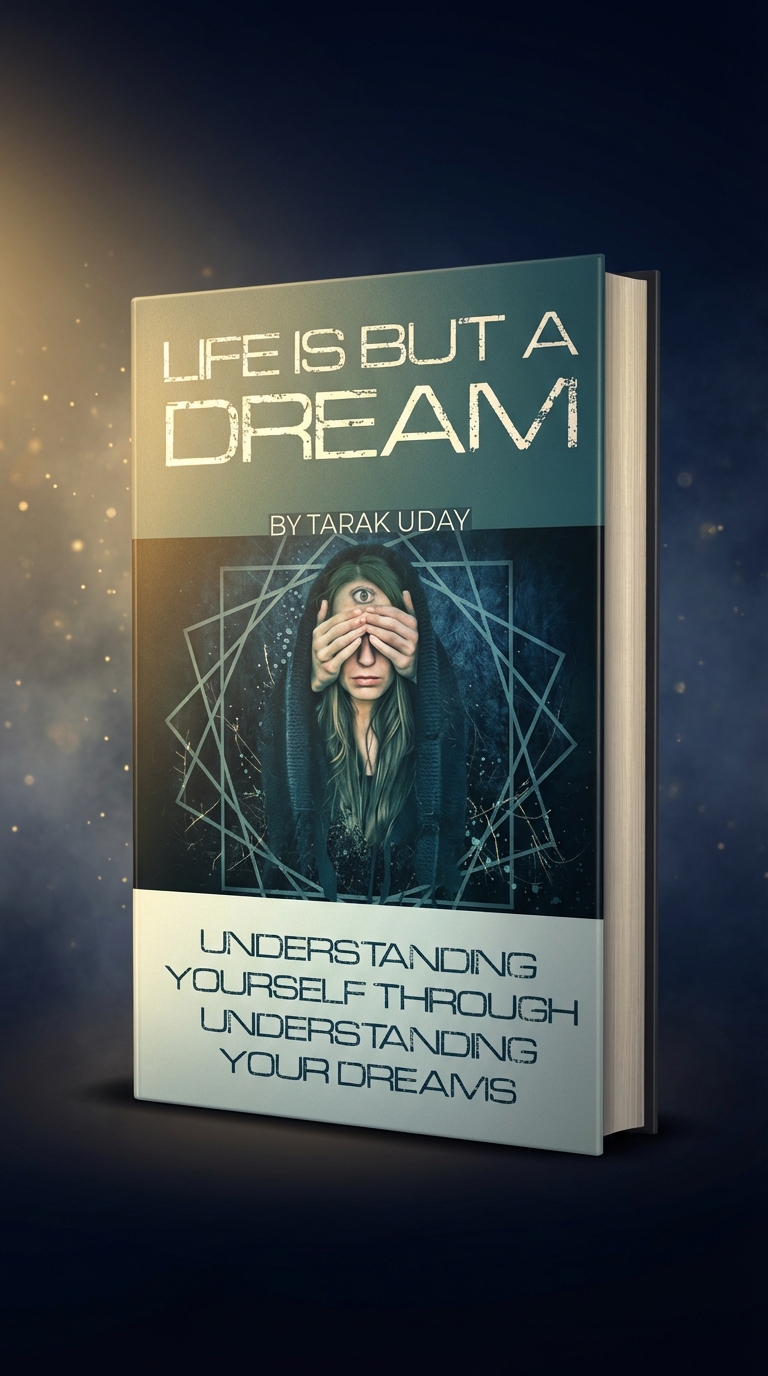
Learn The Language Your Dreams Speak
"Life Is But a Dream" teaches the Universal Language of the Mind — how to read any dream symbol by what it is and what it does, so every dream becomes a message you can act on.
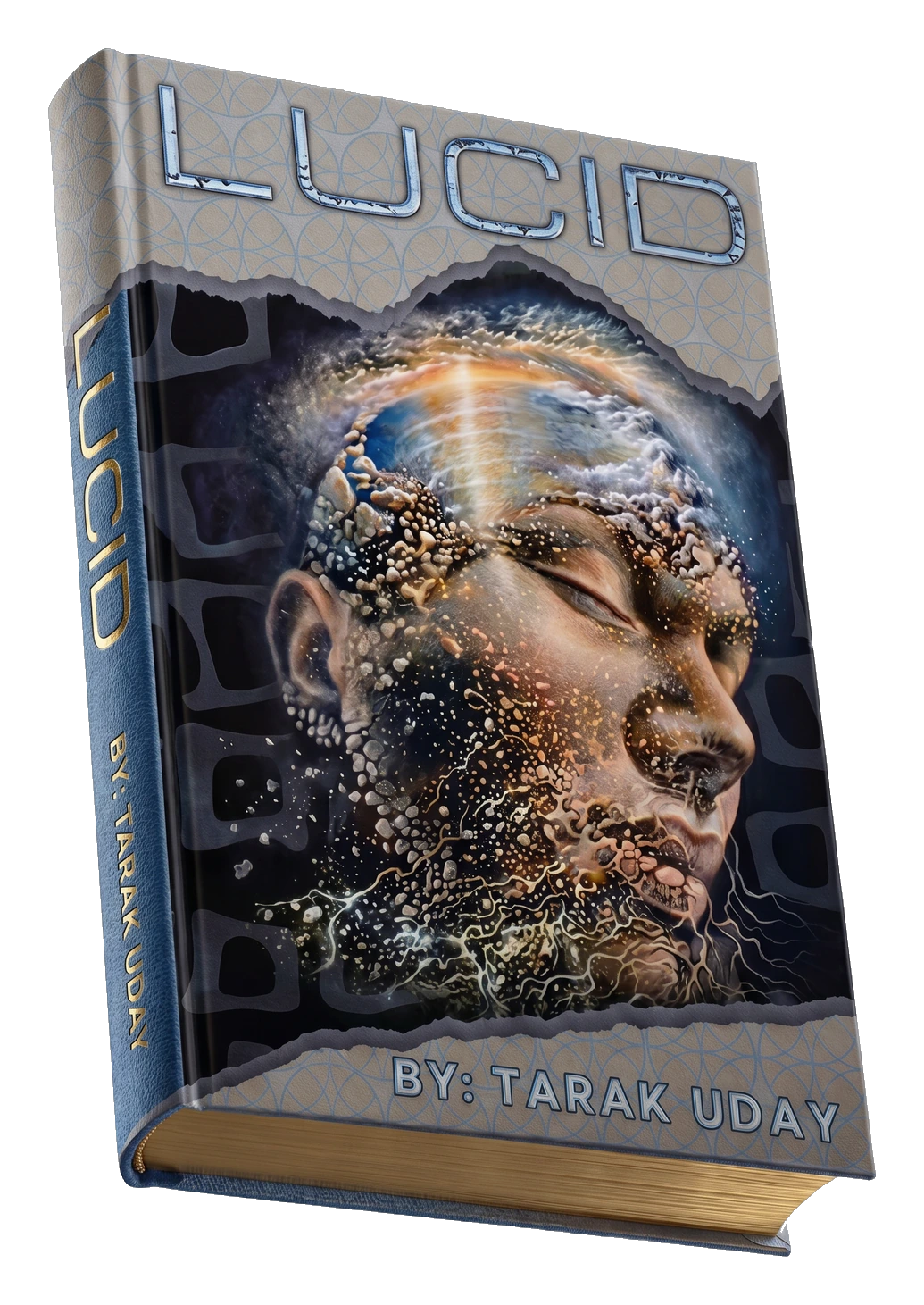
LUCID
You've tried every lucid dreaming technique. Most miss the root cause. LUCID reveals what they all skip.
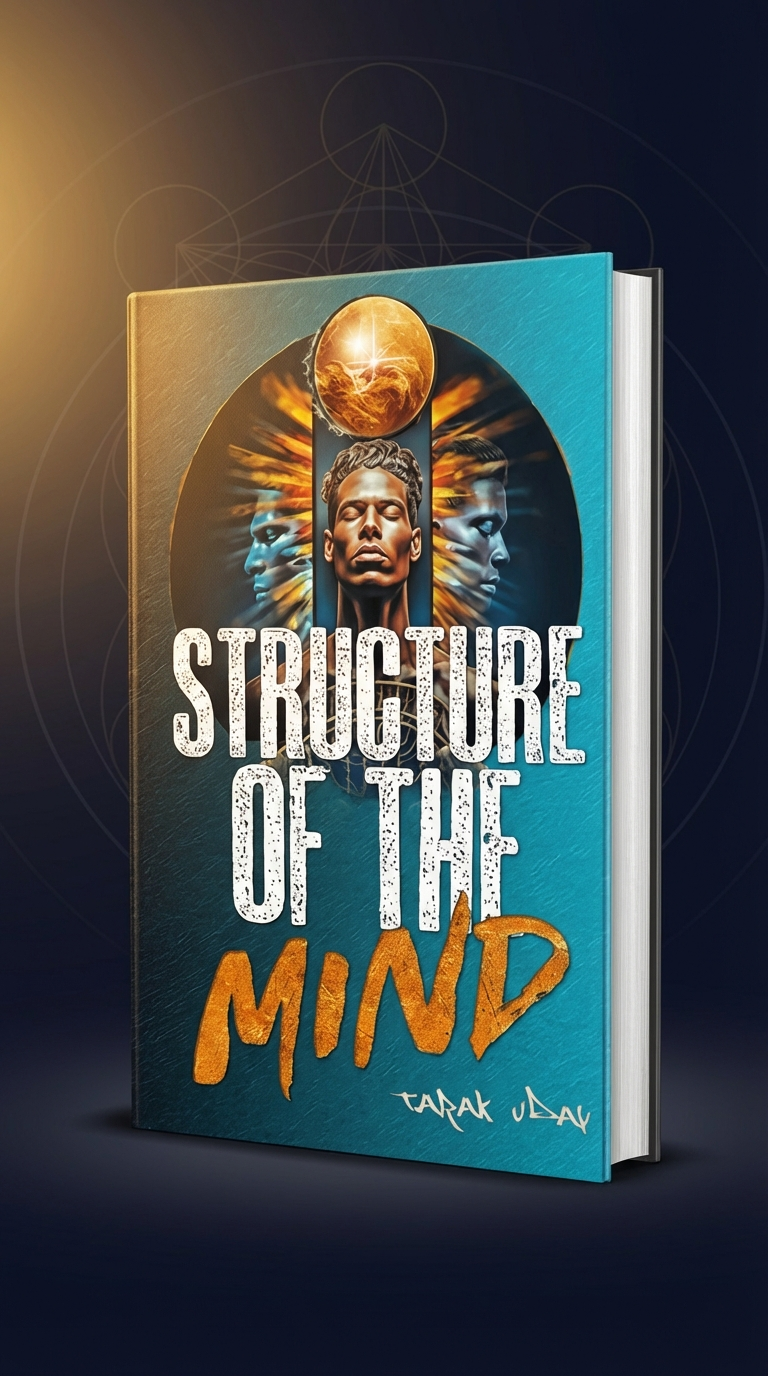
Understand Your Own Mind
"Structure of the Mind" reveals the three divisions of mind, seven levels of consciousness, and powers of mind that most people never learn to develop.