
What Does It Mean When You Dream About Dogs
Here's the direct answer, before anything else: when you dream about dogs, your subconscious mind is showing you a mental habit. Not your pet. Not loyalty. Not a warning about a friend. A habit — one of the automatic thought patterns you run so often that you no longer notice you're running it.
That lands strangely at first, because dogs feel so personal. But this is exactly how the Universal Language of Mind works. It doesn't speak in feelings about the image. It speaks in what the image does. And what a dog does, better than any animal a human has ever lived with, is repeat. It comes when called. It learns a pattern and keeps it for life. It's loyal to the routine, whether the routine is good for you or not.
Why does your subconscious mind file a habit as a dog?
Tarak Uday teaches that dream images are built on form and function — the subconscious mind picks a form whose real-world function mirrors the inner quality it needs to describe. So it doesn't choose a dog because dogs are friendly. It chooses a dog because a dog behaves the way a habit behaves.
Think about what that actually means. A habit is trained, not born. It attaches to you. It follows you into rooms you didn't invite it into. It responds to triggers before your conscious mind has weighed in. It can protect you or it can bite you, and which one it does depends entirely on how it was raised. So does a dog.
Animals in general are mental habits in the Universal Language of Mind — habitual thoughts running on their own momentum. Cats carry that meaning too. The dog is simply the version your mind reaches for when the habit is trained, familiar and closely bonded to you. It's the pattern you'd defend if someone criticized it.
So the first move on waking isn't "what does a dog mean." It's "which of my habits behaves like the dog in that dream did?"
What is the dog in your dream actually doing?
The verb carries the message. This is where most people go wrong — they look up "dog" and stop. But the same symbol says opposite things depending on the action attached to it.
A dog following you is a habit that has your attention and keeps pace with you. If it's friendly, the pattern is serving you and you're comfortable with it. If it's following at a distance, it's a habit you've been trying to leave behind that hasn't left you.
A dog biting you is a habit that has turned on you. Something you trained, something that used to work, is now costing you. That's not an attack from outside. You fed that dog for years.
A dog barking is a habit demanding attention — usually one you keep overriding. A dog you can't find is a routine you've lost that used to steady you. A dog you're afraid of is a pattern you know is yours and don't want to look at directly. And a calm dog resting nearby is one of the healthiest images in the whole vocabulary: a habit doing its job without needing to be managed.
What do the size, colour and breed change about the meaning?
Size is strength. A large dog is a habit with real force in your life — it moves you whether you consent or not. A small dog is a minor pattern, easy to correct now and easy to ignore into something bigger. So a dream that upgrades a small dog to a large one across weeks is reporting that a habit is gaining ground.
The number matters too. Numbers in the Universal Language of Mind are the evolution of a thought, so a pack isn't just "more habits." It's one pattern at an advanced stage, or several habits that have organized around a single trigger. That's why pack dreams feel so overwhelming — they describe a compounded pattern, not a crowd.
Breed and colour work as personal shorthand. Your subconscious mind uses whatever association is already loaded in you. A guard breed points to a protective habit. A working breed points to one tied to your effort and productivity. A dog you actually owned points to a pattern formed in the period of life that dog belonged to. That last one is the most precise dating tool in dream work, and almost nobody uses it.
Whose habit is it when the dog belongs to someone else?
People assume a friend's dog means the dream is about the friend. It isn't. Every character and creature in your dream is a part of you. A friend, in the Universal Language of Mind, is a familiar aspect of the Self — the part of you that person most reminds you of.
So your brother's dog is the habit belonging to the aspect of yourself your brother represents. Your ex's dog is the pattern you built inside that relationship and still carry. The dog of someone you barely know is a habit belonging to a part of you that you barely acknowledge — which is exactly why your subconscious mind gave it an unfamiliar owner.
This is the mirror effect, and it's uncomfortable on purpose. It removes the option of making the dream about somebody else's behaviour. Every dog in your dream is on your property.
Why do dog dreams come in waves?
Almost nobody dreams of dogs once. They come in clusters — four nights in a fortnight, then nothing for months. That pattern isn't random, and it isn't your mind being noisy. Habits become visible to the subconscious mind at the exact moment they stop matching your direction.
So a wave of dog dreams usually starts right after a change. A new job, a new relationship, a decision to take something seriously. The habits didn't change with you. They're still running the old configuration, and now the mismatch is loud enough to report. That's why the dreams feel urgent even when the dogs in them are perfectly ordinary.
The second common trigger is the opposite: a stretch where nothing is changing and a pattern has quietly grown. You'll notice the dogs get bigger, or multiply, or move from outside the house to inside it. Location matters here — a house is your mind, so a dog moving indoors is a habit that has gone from something you do to part of who you think you are.
Tarak Uday takes this further in Structure of the Mind, his map of the three divisions of mind and the powers of attention, memory and imagination.
And a dead dog inside a wave is worth reading carefully, because it frightens people who should be encouraged. Dead in the Universal Language of Mind is major transformation, not loss. A dead dog means a habit's hold has genuinely ended. You'll often dream it a few days after the behaviour actually stopped, which makes it one of the clearest confirmations your deeper mind ever sends.
So track the wave rather than the single night. One dog dream is a data point. Four across two weeks is a report on a pattern that is actively being decided right now, in your waking life, whether or not you've admitted a decision is underway.
What should you do with the answer today?
Dreams are feedback, and feedback that doesn't change anything is just entertainment. So the last step is a waking-life one, and it's smaller than you'd expect.
Name the habit in one sentence. Not "I procrastinate" — that's a label. Something specific enough to catch in the act: "I check my phone the moment a task gets difficult." Vague naming produces vague results, because the subconscious mind responds to precision.
Then decide what the dog gets fed. Habits don't die on command; they starve or they get replaced. So attach the trigger to a different action, once, deliberately, and watch what your dreams do over the next two weeks. The imagery updates fast when the pattern genuinely shifts — a biting dog becomes a calm one, a pack becomes a single animal, a strange dog becomes one you recognize.
And if the dog keeps showing up unchanged, that's information too. It means the habit is still being fed, no matter what you told yourself about quitting it. Your subconscious mind doesn't grade effort. It reports the metaphysical mechanics of what you're actually doing.
So the next time a dog turns up in your sleep, don't ask what dogs mean. Ask which trained, loyal, automatic thing in your life just walked into the room, sat down, and stared at you until you woke up.
Frequently Asked Questions

Books by Tarak Uday
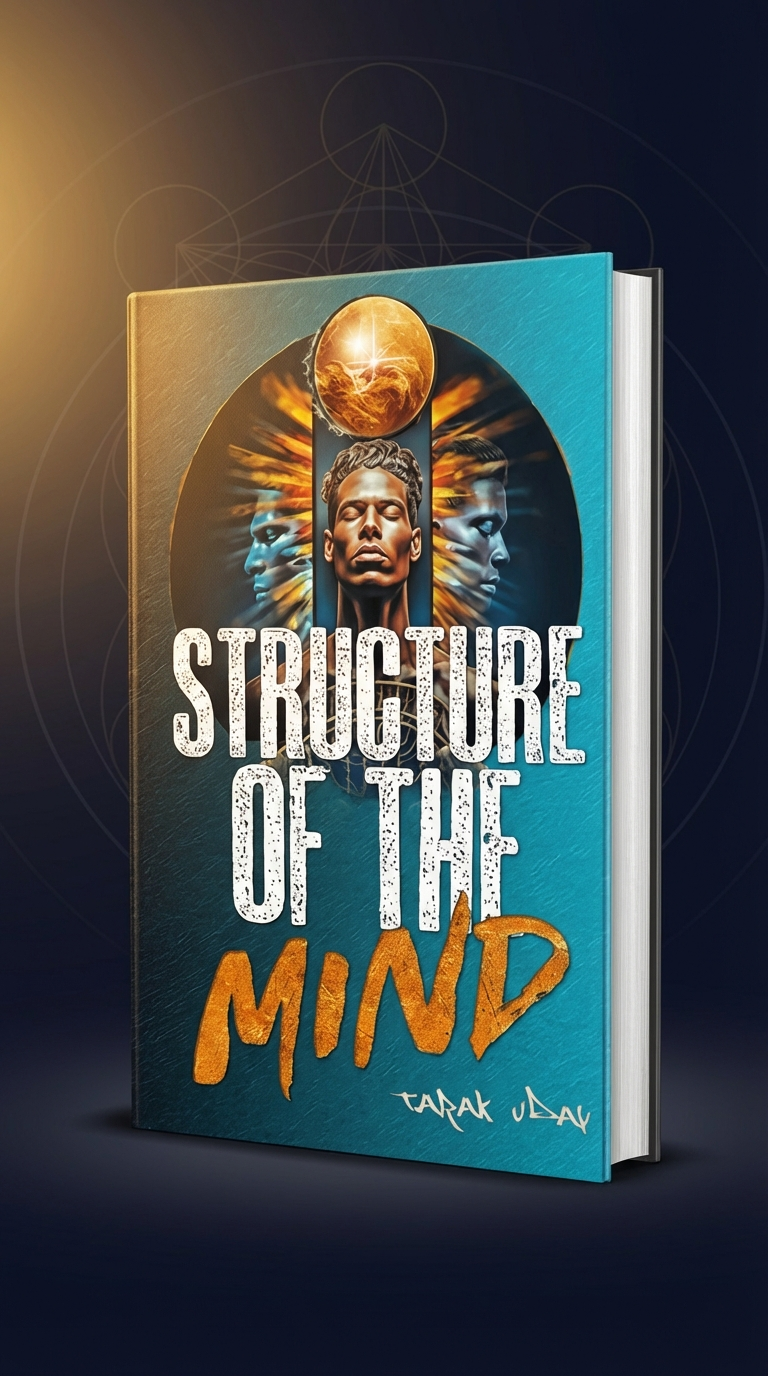
Understand Your Own Mind
"Structure of the Mind" reveals the three divisions of mind, seven levels of consciousness, and powers of mind that most people never learn to develop.
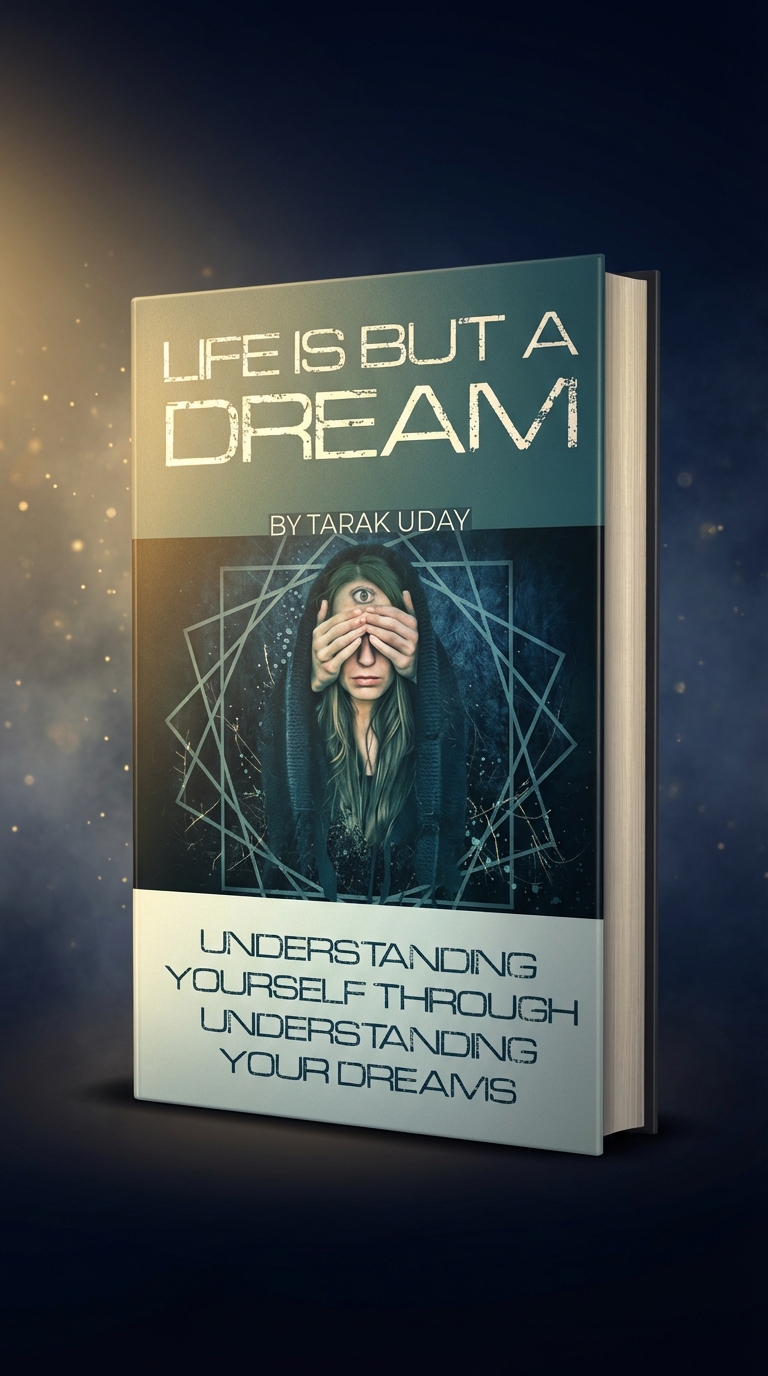
Learn The Language Your Dreams Speak
"Life Is But a Dream" teaches the Universal Language of Mind — how to read any dream symbol by what it is and what it does, so every dream becomes a message you can act on.
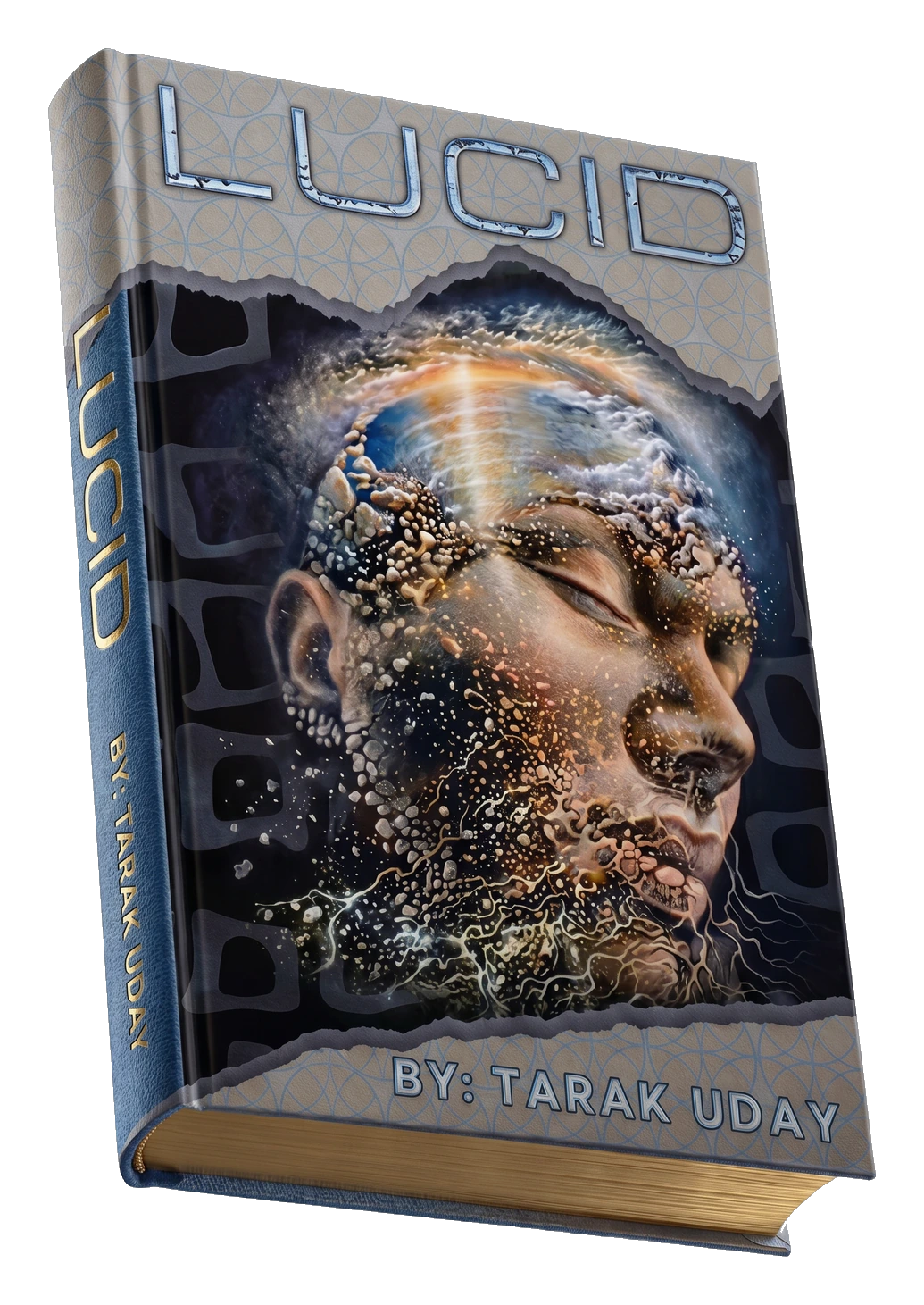
LUCID
You've tried every lucid dreaming technique. Most miss the root cause. LUCID reveals what they all skip.