How to Visit Someone in the Astral Realm
Your loved ones who have passed still exist. They exist in the astral realm. And intentional visitation is possible — here's how.
This is the article people need most and are most afraid to believe.
Your loved ones who have passed are not gone. They are not "in a better place" as a euphemism for nonexistence. They exist — genuinely, actually, experientially — in the astral realm. The fourth dimension. The level of consciousness where time operates differently and the physical body is no longer required.
And you can visit them.
Not as a metaphor. Not as a psychological exercise in grief processing. As an actual experience of conscious contact with someone who continues to exist beyond the physical body.
Where They Are
To understand visitation, you need to understand what happens when someone dies. In the Universal Language of the Mind — and in every major spiritual tradition that has explored consciousness beyond the physical — death is the permanent separation of consciousness from the physical body. The silver cord severs. The consciousness that animated the body continues to exist in the astral realm.
This is not the same as ceasing to exist. The astral realm is as real as the physical realm — it operates on different principles (consciousness is the law, not physics), but it is an actual environment where actual consciousness operates. Your loved one's personality, memories, and identity continue. They are THERE.
Every night when you dream, your consciousness operates in these same levels. You are already visiting the astral realm regularly — you just aren't doing it consciously, and you aren't navigating to specific people. Visitation is the deliberate, intentional version of something you already do every night by default.
Two Types of Contact
Type 1: Visitation Dreams (Initiated by Them)
Sometimes the contact comes from THEIR side. Your loved one reaches out to you through a dream — appearing in your dream environment, communicating directly, delivering a message or simply making their presence known.
Visitation dreams initiated by the deceased have specific qualities that distinguish them from regular symbolic dreams about that person:
- Heightened vividness. The dream is sharper, clearer, more "real" than ordinary dreams. Colors are more vivid. Details are more precise. It stands out in your memory as qualitatively different.
- Emotional intensity. The emotional quality is unmistakable — a warmth, a love, a PRESENCE that regular dreams don't carry. You feel them. Not symbolically. Actually.
- Direct communication. The person speaks to you, hugs you, looks at you with recognition. They are not doing symbolic things (driving a car, entering a house). They are interacting with you directly as themselves.
- You wake KNOWING. Upon waking, there is no question. You don't wonder "was that a regular dream?" You know — in the same way you know you had a conversation with someone in waking life. The feeling of genuine contact is unmistakable.
These visits often happen spontaneously — during times of grief, on significant dates, during major life transitions. Your loved one chooses to reach out because they can sense your need or because they have something to communicate.
Type 2: Intentional Visitation (Initiated by You)
You don't have to wait for them to come to you. You can initiate the contact. There are two methods:
Method A: Dream Incubation
This uses the stream of consciousness writing technique specifically directed toward the person you want to visit.
- Before bed, write a letter TO them. Pen and paper — not phone, not tablet. Write everything. How you miss them. What you want to tell them. What you want to ask. How you feel about their absence. What memories you hold. Write until your conscious mind is COMPLETELY empty — wrung out like a sponge. The deeper you go, the more powerful the invitation.
- Set your intention aloud. Close the notebook. Speak with authority and desire: "I want to see [name] tonight. I want to visit with them. Show me [name]." This is an invocation of willpower — the same willpower you build through concentration training.
- Perform your nightly ritual. Tomorrow's date. "I WILL REMEMBER MY DREAMS." Notebook by the bed.
- Record whatever comes. The visit may happen that night. It may not. If it doesn't, record whatever dream you DID have — your subconscious may need to clear other material before it can facilitate the visitation. Decode the dream. Apply the message. Try again the next night.
The DJ analogy from dream programming applies perfectly here. The closer your relationship with your subconscious — built through months of dream journaling, interpretation, and application — the more likely your request is honored immediately. Practitioners who have built a strong dream practice often succeed within 1-3 nights. Those who are newer to the practice may need more attempts.
Method B: Conscious Astral Projection
For practitioners who have developed the WILD technique: you can project consciously and navigate to the person.
After exiting the body and stabilizing, hold the person firmly in your awareness. See their face. Feel their presence. Speak their name. The astral environment responds to intention — if your desire to visit them is strong and focused, the environment will shift to bring you to them or bring them to you.
This method requires the most advanced practice — successful WILD exits, strong stabilization, and the concentration to hold a focused intention while navigating the astral environment. But it produces the most vivid, sustained, and controlled visitation experiences because you enter with full waking consciousness.
How to Tell the Difference: Visitation vs Symbolic Dream
Not every dream about a deceased person is a visitation. Most are symbolic — the person represents the QUALITY you most associate with them, and the dream is about that quality operating in your consciousness.
The Universal Language of the Mind provides the distinction:
It's likely SYMBOLIC if: The person is doing things that map to dream symbols — driving a car (directing your physical life), entering a house (entering a state of mind), swimming in water (navigating life experiences). They are functioning as a symbol, not as themselves. The dream feels like a normal dream in quality.
It's likely a VISITATION if: The interaction is direct and personal. They look at you with recognition. They speak to you specifically. The emotional quality is heightened beyond normal dreaming. You wake with absolute certainty of genuine contact. The dream doesn't "fit" the symbolic decode — because it wasn't symbolic. It was real.
Tarak Uday takes this further in LUCID, his book on becoming aware inside the dream.
Decode the dream in CHITTA either way. If the interpretation maps cleanly to symbolic meanings, it was likely symbolic. If the interpretation feels "off" — if the symbolic decode doesn't capture what the experience actually felt like — trust your felt sense. It may have been a genuine visitation.
What to Expect During a Visitation
Visitation experiences vary, but common elements include:
- They appear as you remember them — often at an age when they were healthy and vibrant, not as they appeared at the end of life
- Communication may be verbal or telepathic — words, feelings, or direct knowing transmitted without speech
- The environment may be familiar or neutral — a place you shared, a garden, a room filled with light. The astral environment shapes itself around the emotional tone of the visit
- The visit may be brief — especially the first time. Emotional intensity can pull you back to the physical body. With practice, visits extend
- You may receive specific information — messages, guidance, answers to questions you asked in your stream of consciousness writing. Many practitioners report learning things they could not have known otherwise
Managing Emotion
The biggest obstacle to sustained visitation is emotional overwhelm. Seeing someone you love who has passed — genuinely seeing them, feeling their presence, hearing their voice — produces a surge of emotion that can destabilize the experience and snap you back to the physical body.
This is the same mechanism that destabilizes lucid dreams through excitement. The concentration training addresses this directly — building the ability to feel intense emotion without letting it move your attention. You can feel the love, the grief, the joy of reunion — and hold steady. The emotion passes through you like a wave without displacing you.
The first visit may be short because the emotion is overwhelming. That's normal. Each subsequent visit gets easier as you develop the capacity to hold the experience without destabilizing.
After the Visit
- Record everything immediately. Every detail. What they said. How they looked. What the environment was like. How you felt. Details fade fast.
- Decode the experience. Use CHITTA. Even during visitation, symbolic elements may be present in the environment. The house you met in, the quality of light, any objects present — these carry meaning.
- Honor the experience. You just made contact with someone you love across dimensions of consciousness. Sit with that. Let it integrate. Don't rush to the next task.
- Try again. The first successful visitation opens the door. Subsequent visits become easier because your subconscious now knows the path — and your loved one knows you can reach them.
They Are Waiting
Your loved ones have not ceased to exist. They have changed form — from physical to astral. They continue. And the same consciousness development that makes dream interpretation powerful, that makes lucid dreaming possible, that makes astral projection achievable — makes visitation with those who have passed a real, repeatable, deeply meaningful practice.
The foundation builds the bridge. The desire provides the direction. And the visit — when it happens — will be one of the most significant experiences of your life.
GO WITHIN>>> OR GO WITHOUT.

Frequently Asked Questions


Books by Tarak Uday
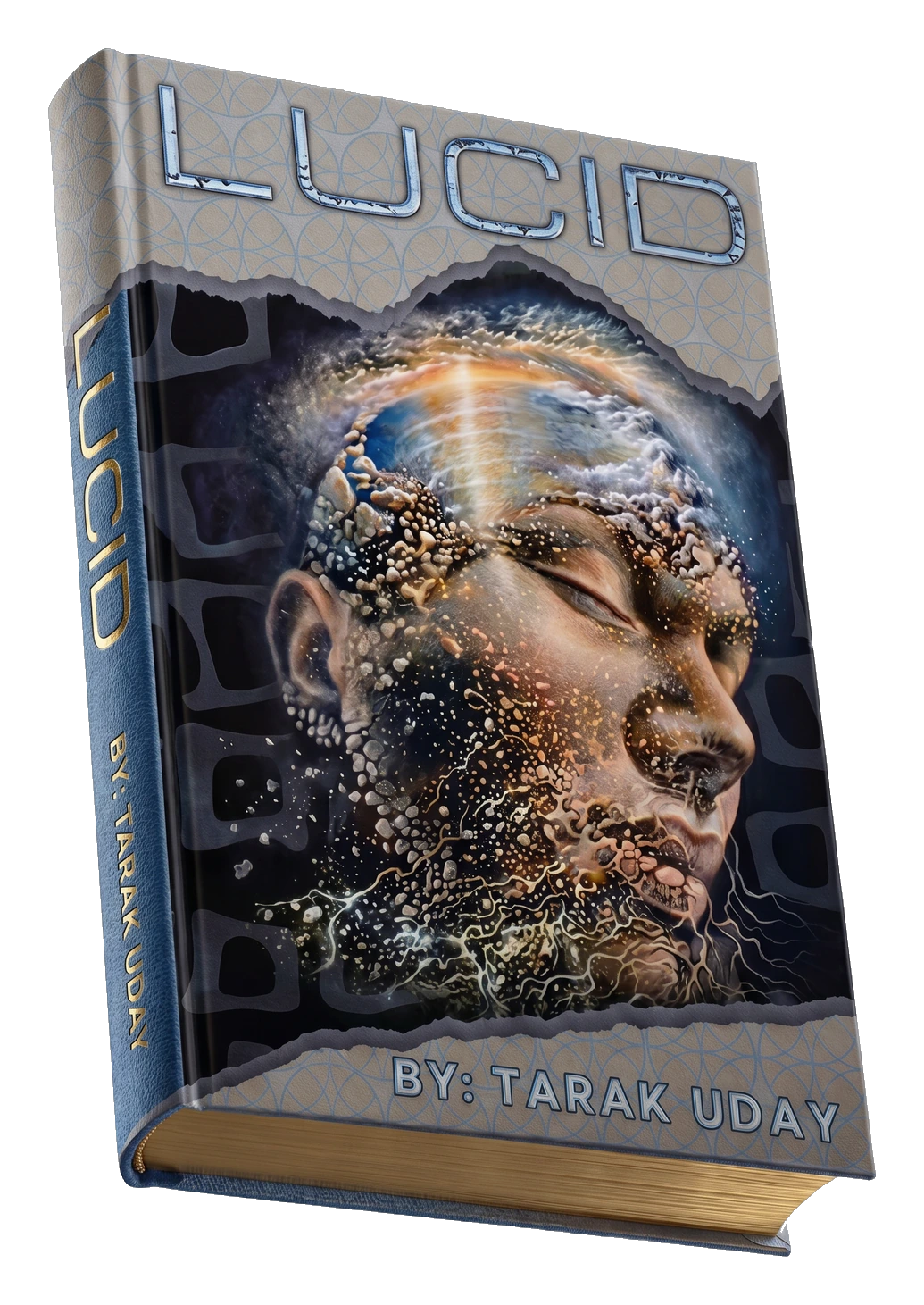
LUCID
You've tried every lucid dreaming technique. Most miss the root cause. LUCID reveals what they all skip.

Learn The Language Your Dreams Speak
"Life Is But a Dream" teaches the Universal Language of Mind — how to read any dream symbol by what it is and what it does, so every dream becomes a message you can act on.
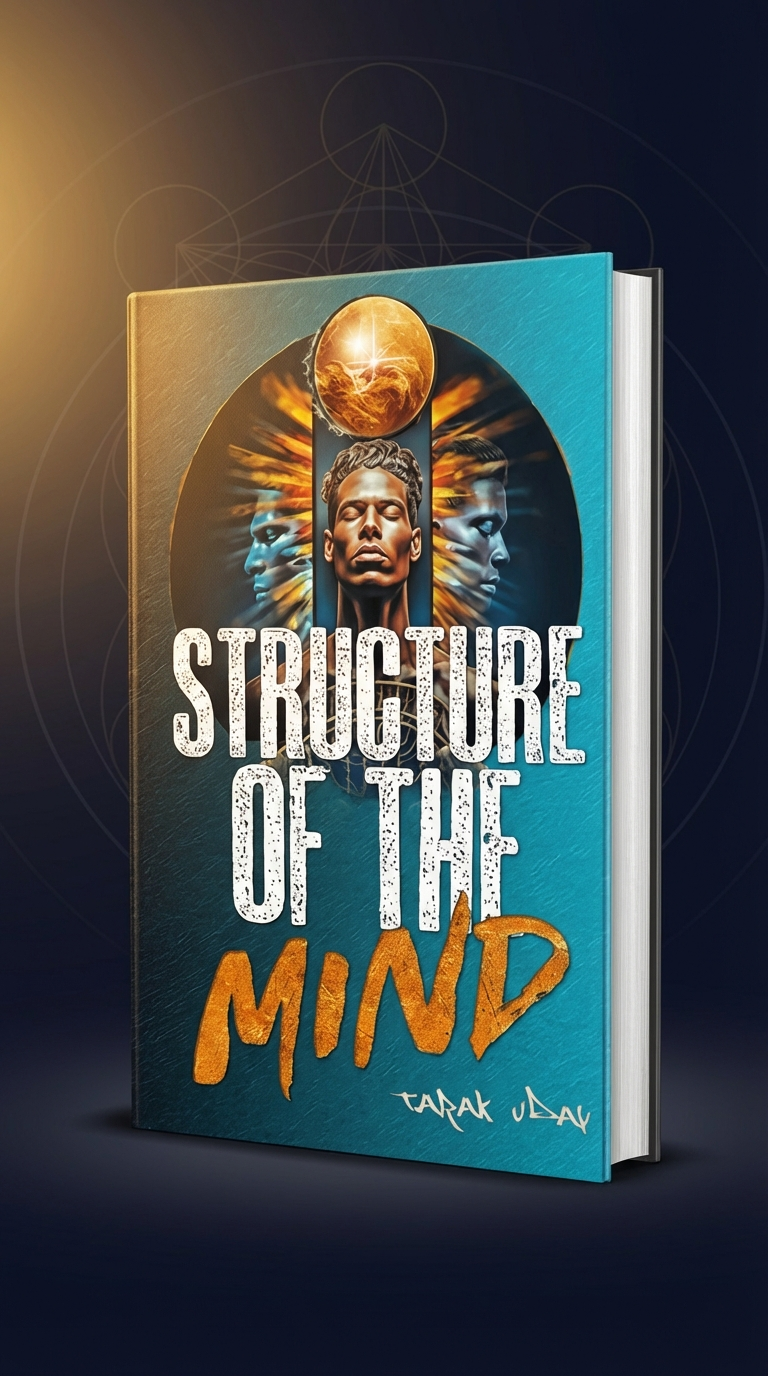
Understand Your Own Mind
"Structure of the Mind" reveals the three divisions of mind, seven levels of consciousness, and powers of mind that most people never learn to develop.