
Lucid Dreaming Apps vs Consciousness Training — Why Most Apps Miss the Point Entirely
Most lucid dreaming apps give you techniques without the skills to use them. Consciousness training builds the skills that make techniques work. Here's why the distinction matters.
The lucid dreaming app market is crowded. Oniri, Lucidity, DreamApp, Dreamly, dozens of smaller apps — all offering some combination of reality check reminders, audio cues, technique guides, and AI dream interpretation.
And most people who use them never have a lucid dream.
Not because the apps are poorly built. Many are excellent. Oniri's technique toolkit is genuinely impressive. Lucidity's statistics are best-in-class. Dreamly's gamification genuinely builds a journaling habit.
They fail because they're solving the wrong problem. They provide techniques without building the skills the techniques require. And a technique without the skill to execute it is like a recipe without cooking ability — the instructions are correct but the result doesn't happen.
The Technique Trap
Here's what happens with most lucid dreaming app users:
- Download app. Set up reality check reminders.
- Attempt WILD technique on night 1. Nothing happens.
- Try MILD technique on night 3. Fall asleep and forget the intention.
- Do reality checks mechanically during the day. They never transfer to dreams because the checks are habitual, not genuinely aware.
- After 2-3 weeks, conclude "I can't lucid dream" and uninstall the app.
The problem isn't the techniques. The techniques are valid. The problem is that every technique requires underlying skills that the user hasn't developed:
WILD requires concentration — maintaining conscious awareness through the sleep transition while the body paralyzes, hypnagogic imagery floods perception, and every signal says "disengage." Without trained concentration, awareness dissolves within seconds.
MILD requires intention-holding — sustaining a specific thought ("I will recognize I'm dreaming") through the hypnagogic state. Without trained attention, the intention scatters before sleep arrives.
Reality checks require genuine awareness — actually questioning "am I dreaming?" with real presence, not mechanical habit. Without trained self-awareness, the checks become automatic behaviors that never engage the questioning faculty.
Stabilization requires emotional regulation — feeling excitement, fear, or wonder without letting the emotion destabilize the lucid state. Without trained emotional capacity, the first surge of "I'm dreaming!" wakes you up.
Apps provide the techniques. They don't build the skills. And that's why most users fail.
The Consciousness Training Approach
Consciousness training inverts the model. Instead of starting with techniques and hoping the skills develop along the way, it starts with skills and lets the techniques become unnecessary.
The foundational skills:
1. Directed attention — built through the candle concentration exercise. Ten minutes daily, flame focus, tic marks tracking progress. This builds the sustained attention that WILD requires, that MILD requires, that reality checks require, and that stabilization requires. One exercise. Every technique's prerequisite.
2. Self-awareness — built through the mirror exercise. Ten minutes daily, eye contact with yourself, honest self-observation. This builds the awareness that transfers into dreams — the capacity to observe your own experience from a place of consciousness rather than being swept along by the narrative.
3. Dream recall and communication — built through dream journaling with framework-based interpretation. The nightly ritual, morning capture, and interpretation-application cycle opens the communication channel with the subconscious and keeps it open. The subconscious facilitates lucidity — but only when it trusts the conscious mind. Trust is built through consistent reception and application of dream messages.
4. Memory retrieval — built through the reverse recall exercise. Five moments from the day recalled in reverse order with full sensory detail. This strengthens the same faculty that retrieves dream content upon waking.
5. Inner sensory engagement — built through visualization exercises. Recreating environments with all five senses in imagination. This develops the capacity to navigate the dream environment with stability and clarity once lucid.
When these five skills reach sufficient development — typically within 2-3 months of daily practice — lucid dreaming doesn't need to be "induced" through a technique. It emerges because consciousness has been trained to maintain awareness across states. The transition from waking to sleeping no longer extinguishes awareness because awareness has been strengthened to the point where it persists.
Why Apps Don't Build These Skills
Most lucid dreaming apps are built by developers, not consciousness practitioners. They design features around what's programmable — reminders, timers, audio files, AI text generation — not around what actually produces lucid dreams. A reality check reminder is easy to code. A concentration training system that tracks tic marks over months and correlates them with dream recall improvement requires understanding the consciousness development model that produces the data.
This isn't a criticism of developers. It's a recognition that the problem they're solving (delivering techniques to users) is different from the problem users actually have (building skills that make techniques work).
The One App That Takes a Different Approach
CHITTA is built on the consciousness training model rather than the technique delivery model. It includes:
- Concentration training — the candle exercise with tic mark tracking and trend visualization
- Framework-based dream interpretation — the Universal Language of the Mind with 429+ defined symbols, producing consistent decoding with life application
- The complete receive-decode-apply cycle — the daily practice that builds the subconscious relationship
- Oracle Consultation System — guidance for life questions beyond dreams
- Consciousness development tracking — not just counting dreams, but tracking the evolution of your awareness over time
CHITTA doesn't include WILD timers, reality check reminders, or audio cue tools — because once the foundation is built, those tools become unnecessary. Lucid dreaming emerges from the trained consciousness. The techniques are scaffolding. The skills are the building.
Tarak Uday takes this further in LUCID, his book on becoming aware inside the dream.
The Optimal Approach
For practitioners who want both the foundation AND the technique toolkit:
CHITTA for: consciousness training (concentration, dream interpretation, application, development tracking). This is where the foundational skills are built.
Oniri or similar for: technique tools (WILD/MILD/SSILD guides, reality check reminders, audio cues) if you want to supplement the foundation with specific technique assistance.
Foundation first. Techniques second. Skills before instructions. This sequence — and only this sequence — produces consistent, sustainable lucid dreaming.
The Bottom Line
Lucid dreaming apps will continue to proliferate. More technique guides. More reality check reminders. More audio cues. More AI interpretation.
And most users will continue to fail — not because the apps are bad, but because techniques without skills are instructions without ability.
The practitioners who succeed — who achieve consistent, sustained, purposeful lucid dreaming — are the ones who build the foundation first. Concentration. Self-awareness. Dream recall. Interpretation. Application. These are the skills. Everything else is scaffolding.
Build the consciousness. The lucid dreams follow.
GO WITHIN>>> OR GO WITHOUT.

Frequently Asked Questions


Books by Tarak Uday

LUCID
You've tried every lucid dreaming technique. Most miss the root cause. LUCID reveals what they all skip.

Learn The Language Your Dreams Speak
"Life Is But a Dream" teaches the Universal Language of Mind — how to read any dream symbol by what it is and what it does, so every dream becomes a message you can act on.
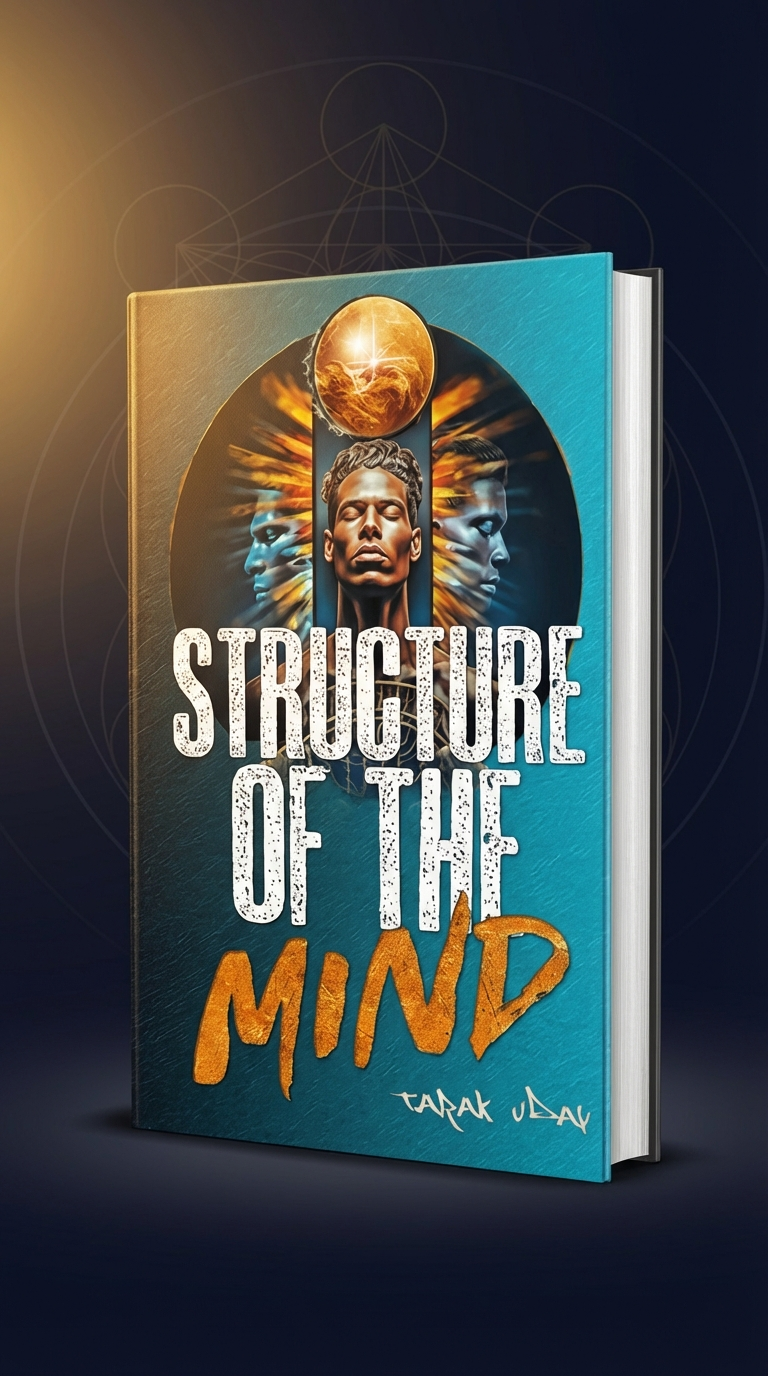
Understand Your Own Mind
"Structure of the Mind" reveals the three divisions of mind, seven levels of consciousness, and powers of mind that most people never learn to develop.