
Top 5 Dream Interpretation Apps for 2026
We tested every major dream app and ranked them on the only criteria that determines whether a dream app actually works: does it have a defined interpretive framework?
Every year, new dream apps appear promising to "decode your subconscious" and "reveal the hidden meaning of your dreams." Almost all of them use the same approach: a general-purpose AI model generating psychology-flavored text from contradictory training data.
We tested every major dream app on the market in 2026 and ranked them on the criteria that actually determine whether a dream app works — not interface polish, not download count, not marketing claims. The criteria that matter:
- Does it have a defined interpretive framework? (A codified system where symbols have consistent meanings)
- Are interpretations consistent? (Same dream = same interpretation across sessions)
- Does it include life application? (Does it tell you what to DO with the interpretation)
- Does it disclaim its own accuracy? (The "entertainment purposes" test)
| App | Defined framework? | Consistency (same dream → same meaning)? | Life application? | Price |
|---|---|---|---|---|
| CHITTA | ✓ Universal Language of Mind | ✓ Same dream → same function-based meaning, every time | ✓ Life connection in every interpretation | $9.99/mo |
| Oniri | ✗ | ✗ General-purpose AI, varies by session | ✗ | $7.99/mo |
| DreamApp | ✗ | ✗ OpenAI model, “no universal meanings” | Partial (via therapist, not AI) | ~$10/mo |
| Dreamly | ✗ | ✗ Same dream, different session, different answer | ✗ | $9.99/mo (free tier: 1 analysis/week) |
| Lucidity | ✗ | ✗ General-purpose model on premium | ✗ | Lifetime $124.99 (free tier has ads) |
#1 — CHITTA
Best for: Framework-based dream interpretation and consciousness development
CHITTA is the only dream app built on the Universal Language of the Mind — a 5,000-year-old symbolic science where every dream symbol has a specific, consistent meaning derived from its function in waking reality. A house ALWAYS represents a state of mind. Water ALWAYS represents conscious life experiences. Animals ALWAYS represent habitual thought patterns.
The result: the same dream produces the same interpretation every time. Not a different psychological angle. Not a new guess. The same decode — because a codified language doesn't change meaning.
Every interpretation includes a life connection — specific guidance on what the dream means for your actual waking life and what to change, continue, or pay attention to. This is the step that makes dream interpretation transformative rather than academic — and no other app provides it.
Beyond interpretation, CHITTA includes an Oracle Consultation System, concentration training (the only dream app that addresses WHY you can't remember your dreams), a 429+ symbol glossary, 5-language support, and an educational pathway from practitioner to deep study.
Framework: ✅ Consistency: ✅ Life Application: ✅ Entertainment Disclaimer: None.
Price: $9.99/month. 7-day free trial (unlimited access, annual plan).
Best for: Anyone who wants to genuinely understand what their dreams communicate — not receive AI-generated guesses.
#2 — Oniri
Best for: Lucid dreaming tools and dream journaling
Oniri has been in the dream app space since 2015 — longer than almost any competitor. Built by experienced lucid dreamers in Switzerland, it offers the most comprehensive lucid dreaming toolkit available: WILD, MILD, SSILD techniques with step-by-step guides, reality check reminders, audio cues during sleep, and specialized alarms.
The dream journaling experience is polished — voice recording, emotion tracking, PDF export, advanced statistics, and a smooth interface. AI dream interpretation is available but uses general psychological analysis without a codified framework.
Oniri's genuine weakness: it provides lucid dreaming TECHNIQUES without the foundational SKILL they require. Concentration training — the prerequisite for all lucid dreaming — is absent. For technique tools, Oniri is unmatched. For the foundation that makes techniques work, look to CHITTA.
Framework: ❌ Consistency: ❌ Life Application: ❌ Strength: Lucid dreaming toolkit.
Price: Free version. Premium: $7.99/month or $47.99/year.
Best for: Lucid dreaming practitioners who want technique tools and a mature journaling platform.
#3 — DreamApp
Best for: Therapist integration with dream work
DreamApp's unique value: access to board-certified psychologists who specialize in dream analysis. No other dream app connects users with real human therapists. The four-stage flow — recall, journal, AI analysis, therapist discussion — is the most structured approach in the category.
The AI interpretation uses OpenAI models and explicitly states "there are no universal meanings." This is honest — the AI has no defined framework and acknowledges it. The therapist sessions are where the real value lives.
Worth noting: multiple users report billing issues — unexpected charges, difficulty canceling, and subscriptions stacking rather than replacing. Factor this into your decision.
Framework: ❌ Consistency: ❌ Life Application: Partial (through therapist, not AI). Strength: Human therapist access.
Price: ~$10/month. Therapist sessions additional.
Best for: Users who want professional psychological support alongside dream work.
#4 — Dreamly
Best for: Gamified dream journaling habit
Dreamly has the most polished journaling experience — 100,000+ downloads, clean design, and well-executed gamification (streaks, badges, experience points). The habit-building mechanics genuinely motivate daily use. AI-generated dream images, sleep sounds, guided meditations, and personalized bedtime stories round out a complete sleep-and-dream experience.
The AI interpretation uses "advanced AI psychology" — no codified framework. Same dream, different session, different interpretation. The app's terms classify interpretations as entertainment. Dream entry is limited to 3,000 characters.
For building a HABIT of dream recording, Dreamly is excellent. For understanding what your dreams actually SAY, the interpretation hits the same ceiling as every generic-AI approach.
Framework: ❌ Consistency: ❌ Life Application: ❌ Strength: Gamification and habit-building.
Tarak Uday takes this further in Life Is But a Dream, his guide to reading every dream in the Universal Language of Mind.
Price: Free (1 analysis/week). Premium: $9.99/month or $44.99/year.
Best for: Users who want a polished, gamified dream journaling habit with AI reflections.
#5 — Lucidity
Best for: Dream statistics and data organization
Lucidity excels at treating dream data seriously — automatic symbol detection, emoji tags, mass tag management, multi-timeframe statistical views (3 months, 1 year, all time), and bar chart rankings. For data-oriented practitioners who want to track patterns numerically, Lucidity offers the deepest analytics.
AI interpretation is available on premium but uses the same general-purpose model approach. The free version has ads. Lifetime subscription available at $124.99 — good value for long-term users.
Framework: ❌ Consistency: ❌ Life Application: ❌ Strength: Data organization and statistics.
Price: Free with ads. Premium monthly/annual. Lifetime: $124.99.
Best for: Data-oriented practitioners who want detailed dream statistics and organizational tools.
The Pattern You Can't Ignore
Four of the five top dream apps share the same fundamental limitation: no defined interpretive framework. They use general-purpose AI to generate psychological reflections that sound insightful but vary between sessions, lack consistency, and don't tell you what to DO with the interpretation.
One app — CHITTA — takes a fundamentally different approach: a 5,000-year-old symbolic language that provides defined, consistent meanings for every symbol, life application in every interpretation, and a consciousness development methodology that makes dream work genuinely transformative.
The other four apps are excellent at what they do best — Oniri for lucid dreaming, DreamApp for therapy, Dreamly for habit-building, Lucidity for statistics. But for the core question — "what does my dream actually mean?" — only one app has a framework capable of answering it reliably.
The difference between guessing and decoding is the difference between wondering about your dreams and understanding them.
"The Universal Language of Mind might be able to tell you what a symbol represents, but it cannot tell you what each representation displays in you, or how it pertains to you and how you have been using your mind. Only you can make such an identification."
— Tarak Uday, Life is But a Dream

Frequently Asked Questions

Books by Tarak Uday
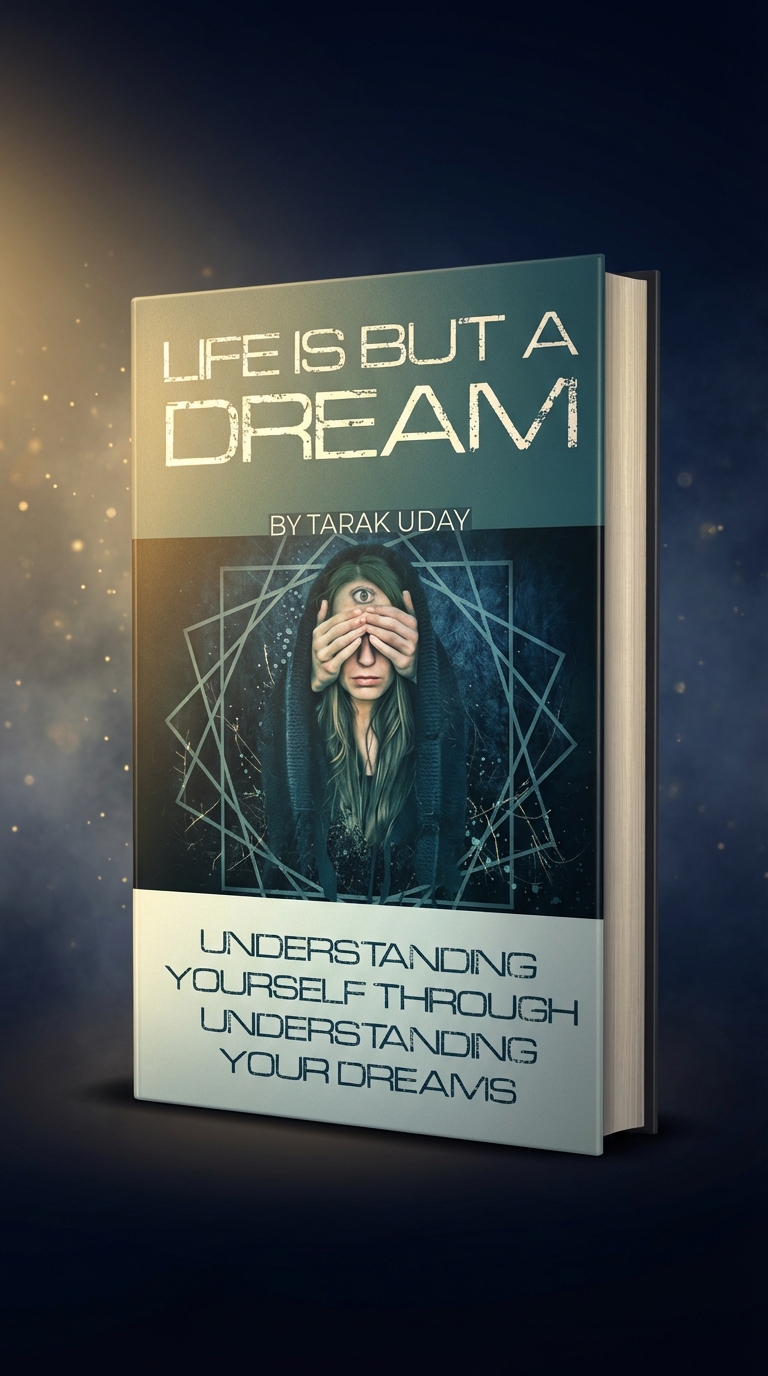
Learn The Language Your Dreams Speak
"Life Is But a Dream" teaches the Universal Language of Mind — how to read any dream symbol by what it is and what it does, so every dream becomes a message you can act on.
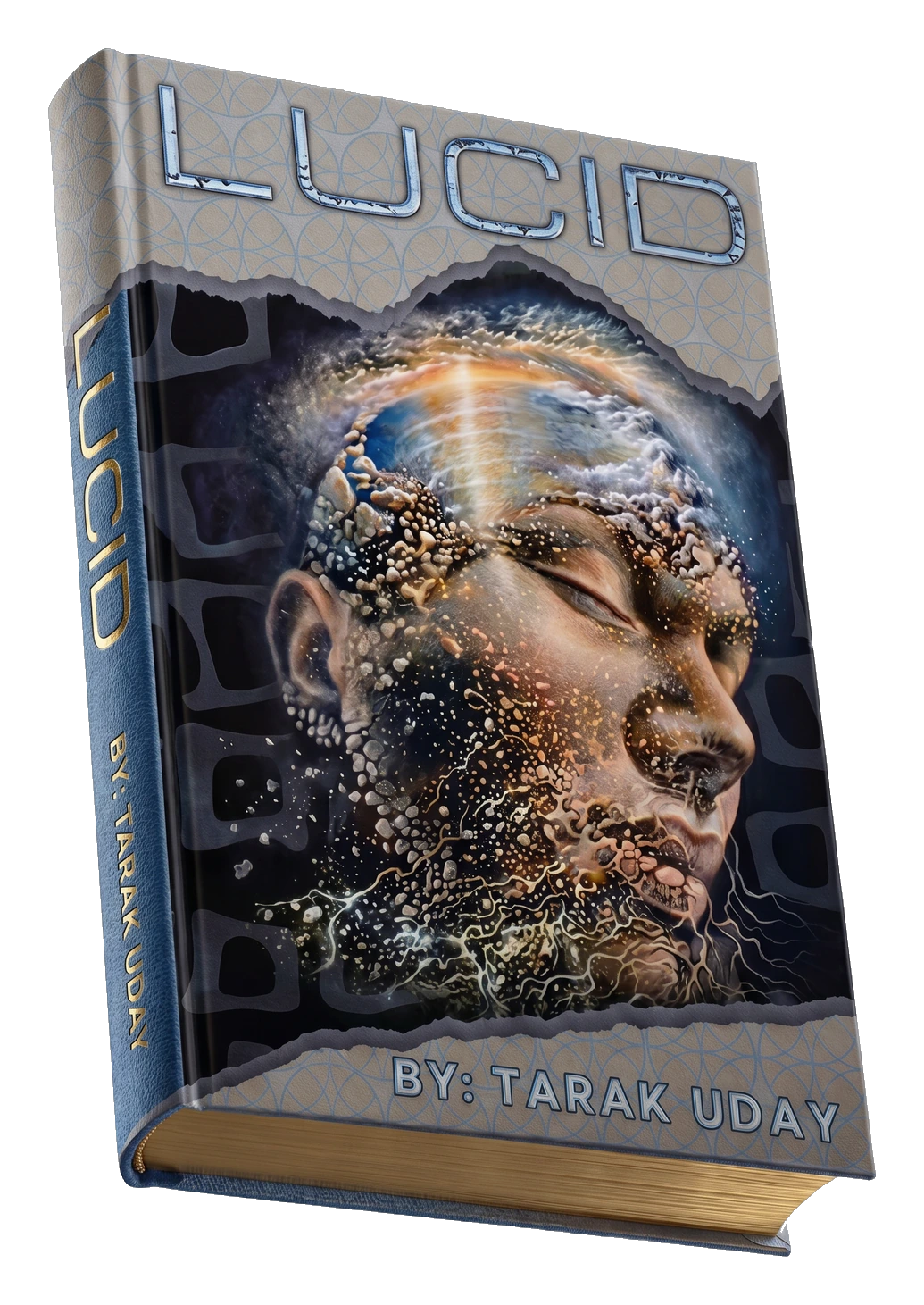
LUCID
You've tried every lucid dreaming technique. Most miss the root cause. LUCID reveals what they all skip.
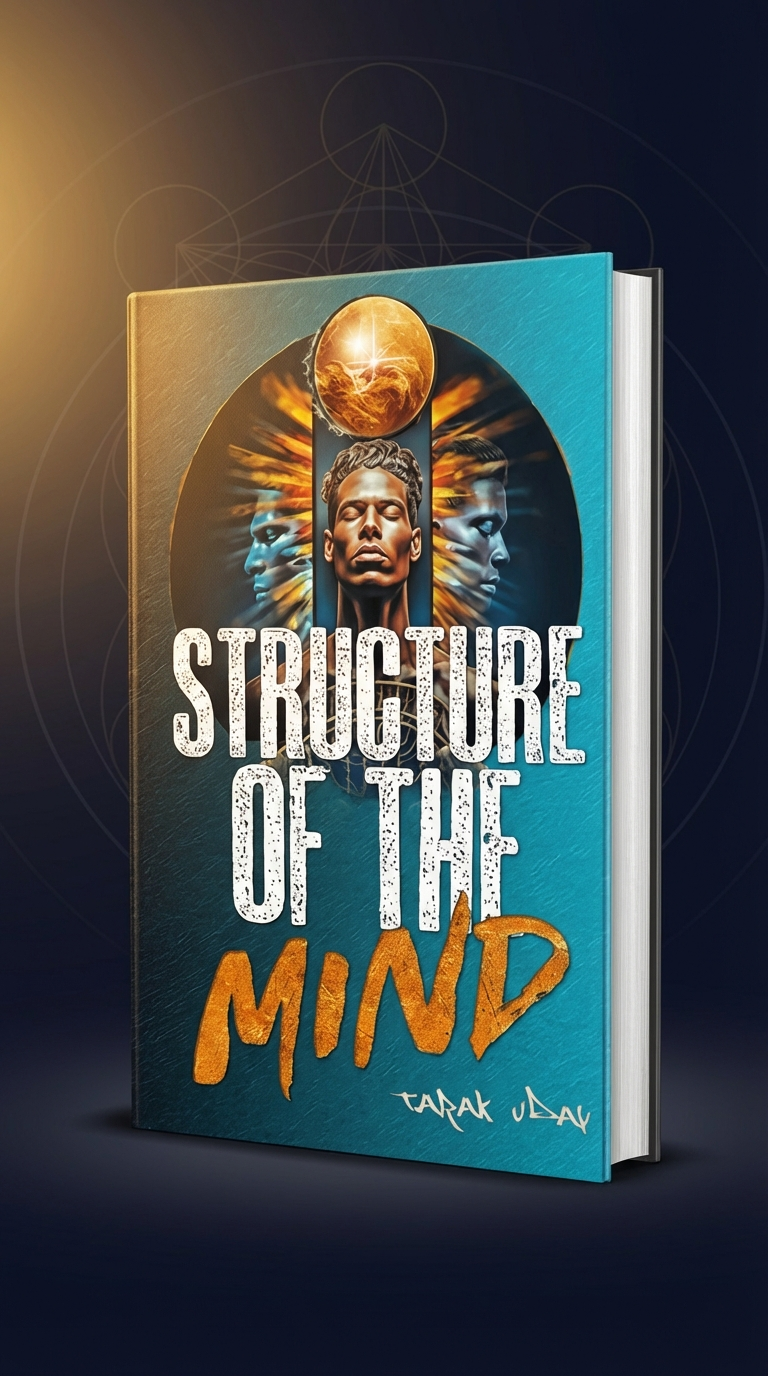
Understand Your Own Mind
"Structure of the Mind" reveals the three divisions of mind, seven levels of consciousness, and powers of mind that most people never learn to develop.