
Sister in Dreams: What Your Subconscious Is Really Telling You
She isn't your sibling. She's the part of you that started with everything you started with and went another way.
Your sister was in the dream again. Maybe you were kids. Maybe she was angry with you, or you were protecting her, or she walked out of a room and you couldn't follow. And you woke up thinking about a person you haven't spoken to properly in months.
So the first instinct is to make it about her. Something unsaid. Some old score. Some worry about how she's doing. And if you don't have a sister at all, the dream feels like a glitch — who was that, and why did I know exactly who she was?
Both reactions come from the same wrong assumption: that your subconscious mind is reporting on someone else. It can't. It has no access to anybody but you. Every person who appears in your dream is built out of your material and cast for a job.
In the Universal Language of Mind, a sister represents a receptive, inward-facing aspect of yourself at your own level of development — a part of you that grew out of the same inherited beliefs you did, and turned out differently. She is a peer, not an authority. The dream is showing you how you're treating that part of yourself.
Why does your subconscious mind keep casting your sister?
Because casting follows function, and your sister performs a very specific one.
Each night your subconscious mind takes the state of your inner development and renders it as a picture. It doesn't use words — words are a conscious-mind tool and they're local, English or Hindi or Portuguese. The subconscious mind is older than language and it speaks to everyone identically, in images, and it selects each image by what that image does. Tarak Uday calls this the Universal Language of Mind, and the whole system rests on one rule: form follows function.
So what does a sister do, structurally? Two things at once. She shares your origin — same parents, same house, same set of rules handed down — and she is your equal. Not above you. Not responsible for you. Beside you.
That combination has exactly one meaning inside a mind. She's an aspect of you that formed from the same inherited beliefs your conscious identity formed from, developed alongside you, and became something different. Same source, different outcome, equal standing.
She isn't your sibling. She's the part of you that started with everything you started with and went another way.
What does a sister actually mean in the Universal Language of Mind?
Feminine figures in a dream represent the receptive, subconscious side of your nature — the part of you that takes in, holds, gestates, and feels rather than the part that decides and acts. Masculine figures represent the outward, directing, conscious side.
So a sister is a receptive aspect of you at peer level. She's how you're currently relating to your own inner life: what you feel, what you intuit, what you receive from yourself without arguing with it. Not the authority that formed your inner life, which is the mother. The living, present, equal experience of it.
That's why sister dreams feel intimate in a way that parent dreams don't. There's no hierarchy in the scene. Nobody is judging anybody. Whatever happens between you in the dream is happening between two parts of you that are supposed to be operating side by side, and the dream is reporting on whether they actually are.
Pay attention to her state, because it's your state. If she's thriving in the dream, your receptive side is being fed. If she's neglected, ill, or in trouble, some part of your inner life has been running on nothing while your conscious mind attends to other business. The subconscious mind isn't dramatising. It's describing a resource level.
So how is a sister different from a mother in a dream?
Authority. That's the whole distinction, and it changes the reading completely.
A mother in a dream is the subconscious mind as the source — the faculty that produces your inner life and holds jurisdiction over it. When your mother appears, the dream is about a rule, a standard, something handed down and still being enforced.
A sister has no jurisdiction over you. She can't issue rules. So when a sister appears, nothing is being enforced — something is being negotiated between equals. That means the dream is not asking you to audit an inherited belief. It's asking how you're getting along with a part of yourself you've been treating as separate.
The practical difference shows up in what you can do about it. You can't argue a mother figure out of her authority; you have to examine the rule and decide whether to keep it. But a sister you can simply turn toward. The correction available in a sister dream is relational and immediate — attend to that part of yourself, stop competing with it, stop leaving it out of decisions.
The people in your dreams have names, and each one is a part of you doing a job. CHITTA reads them in the Universal Language of Mind and tells you which aspect of yourself was on screen last night, and what it was asking for. Start with the dream you just had.
What does it mean when you fight with, protect, or lose your sister?
Each of these is a different report on the same relationship.
Fighting with her means an internal division between your directing side and your receptive side. Your conscious mind has decided something your inner life doesn't agree with, and neither is yielding. This is extremely common in people who make decisions by argument alone — you can reason your way to a conclusion your whole receptive nature is refusing, and the dream shows it as two sisters who can't be in the same room.
Protecting her means you've recognised that this part of you is exposed and you're doing something about it. That's usually accurate and usually recent. Something in your life has been threatening your inner steadiness and you've started defending it, possibly without noticing you'd made the decision.
Losing her — she leaves, she's missing, you can't find her in the house — reports disconnection. The receptive side is still there, but you've lost contact with it. This shows up in people who are performing well and feel nothing about it. So look at where she was last seen in the dream. The location names the department of your life where the disconnection started.
And competing with her, which people report often, is your conscious identity treating your own inner life as a rival for resources. That one is worth catching early. You cannot win a competition where both contestants are you.
Age matters here too, and it's the detail most people skip. If she appears as a child while you're an adult, the receptive part of you stopped developing at that point while your directing side kept going. That gap is usually the source of the strange split people describe as being competent at work and about eleven years old in their private life. If she's older than you in the dream, that side of you is further along than your conscious mind has admitted, and you've been asking it to defer to a decision-making process that is genuinely less mature.
Then there's the version where she's present but silent. Nothing happens. She's simply in the room while you go about the dream. That reads as intact but unconsulted — the connection is fine, you just aren't using it. It's the least dramatic of these dreams and it's the one most likely to precede a decision you'll regret, because everything you'd need in order to reconsider is standing right there and being ignored.
What if you do not have a sister?
The dream still works, and it's often cleaner.
Your subconscious mind isn't limited to people who exist. It builds the figure it needs. If you have no sister and one appears anyway, your mind has constructed the exact image of a receptive peer aspect without any real-world history attached to it. There's no biography in the way. Whatever she does in the dream is pure symbol.
The same holds when the sister in your dream doesn't look or act like your actual sister. That mismatch is not an error. It's the subconscious mind telling you to read the function and ignore the resemblance, and it usually happens after you've spent a few dreams reading the symbol too literally.
And if you dream of a sister you didn't know you had, the aspect is genuinely new to you. Something receptive has developed in you recently and your conscious mind hasn't met it yet. That dream is an introduction.
How do you read your sister dream tonight?
Write it down before you move, while the details still belong to you. Who she was, what state she was in, what happened between you, and where it happened.
Then describe her in one sentence, as she was in the dream, not as your real sibling is. Anxious. Confident. Angry. Unreachable. That sentence is a description of your own receptive side right now, and most people find it uncomfortably accurate the moment they stop resisting it.
Next, look at the transaction. Did you give or take? Listen or dismiss? Include or exclude? Every sister dream contains one exchange between the two of you, and that exchange is exactly how your conscious mind has been treating your inner life this week.
Check the setting as well, because it names the department. A childhood home puts the disconnection in beliefs about who you fundamentally are. A workplace puts it in what you produce. A kitchen, which shows up in these dreams constantly, puts it in what you have been feeding yourself — the material you take in and turn into your inner life. So a kitchen scene with a sister is rarely about food and almost always about diet in the broader sense: what you read, watch, tolerate, and repeat to yourself daily.
Then bridge it to waking life with a specific question: where have I been overriding what I feel in order to get something done? That's the usual finding. Not neglect out of malice — just a directing mind that got busy and stopped consulting the other half of itself.
And then do the small thing the dream implies. Consult it. Before the next decision, actually ask what your receptive side has to say about it, and then don't discard the answer for being unquantifiable. That's the entire correction, and the dreams change fast when you make it, because the subconscious mind stops raising an issue the moment the issue is addressed.
The sister in your dream isn't asking you to call your sibling. She's asking you to stop running your life on half a mind.

Frequently Asked Questions




LUCID
You've tried every lucid dreaming technique. Most miss the root cause. LUCID reveals what they all skip.
Understand Your Own Mind
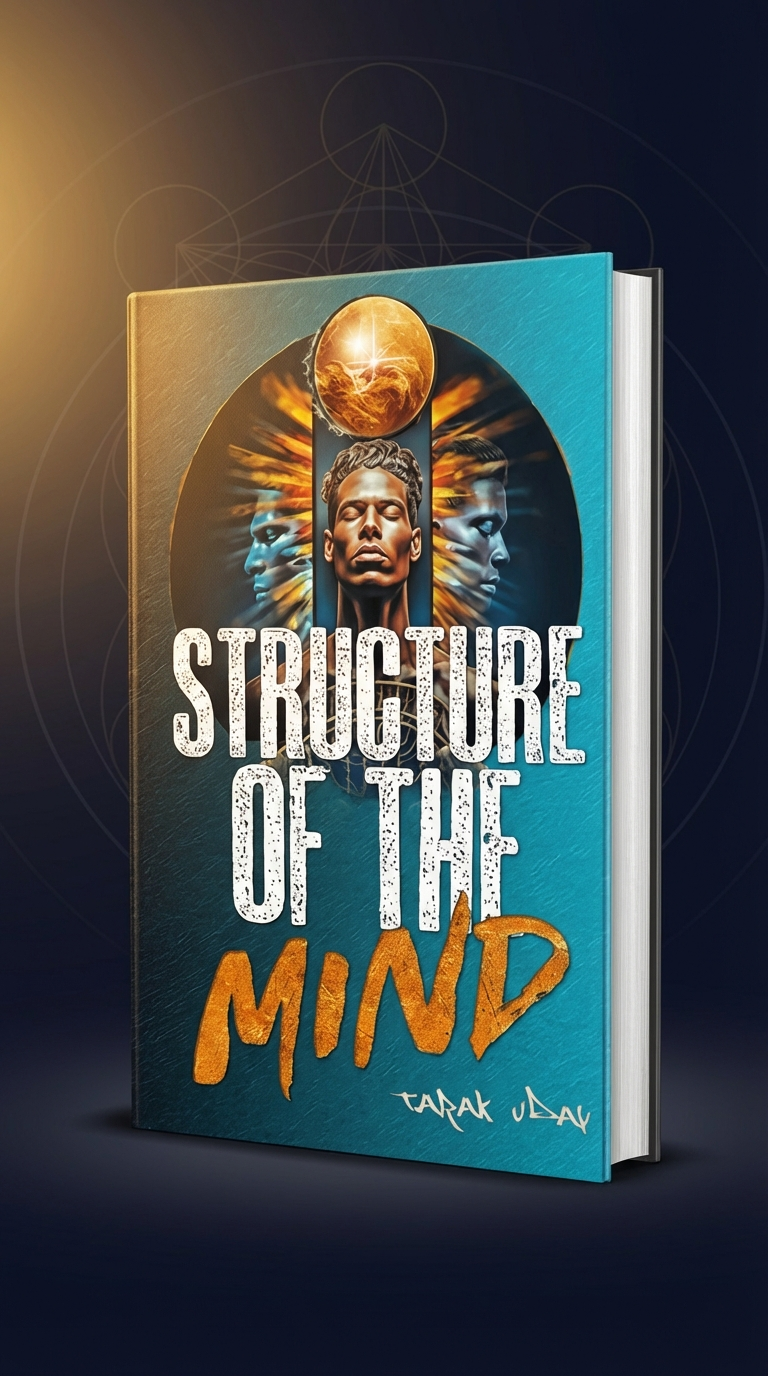
"Structure of the Mind" reveals the three divisions of mind, seven levels of consciousness, and powers of mind that most people never learn to develop.