
Why AI Dream Interpretation Apps Say 'For Entertainment Purposes Only'
They're not being modest. They're being legally accurate. Their methodology doesn't support stronger claims. Here's why — and what it means for your dream practice.
Buried in the terms of service of almost every dream interpretation app on the market, you'll find a version of the same sentence:
"Dream interpretations are provided for entertainment purposes only."
Read that again. The app you're paying $10/month to interpret your dreams — the app whose entire VALUE PROPOSITION is understanding what your subconscious communicates — is telling you, in its own legal language, that the interpretations are entertainment. Not guidance. Not knowledge. Not genuine insight. Entertainment.
Why would a dream app undermine its own product in its own terms of service?
Because the app knows its methodology doesn't support stronger claims.
What the Disclaimer Actually Means
An entertainment disclaimer is a legal signal that the company does not stand behind the accuracy or reliability of its own output. It means: "We generated this content. It might be useful. It might not. We make no claims about whether it's correct. Use it to think about your dreams, not to understand them."
This isn't legal caution. It's methodological honesty. The apps KNOW their AI has no framework. They KNOW the same dream produces different interpretations across sessions. They KNOW they can't claim accuracy because the output isn't consistent enough to BE accurate. The entertainment disclaimer is the correct legal acknowledgment of this reality.
The Apps That Use It
Search the terms of service for any major dream app — Dreamly, DreamApp, and the dozens of smaller apps using ChatGPT-style interpretation. Nearly all include some version of "entertainment," "informational purposes only," or "not a substitute for professional guidance" specifically applied to their dream interpretations.
This matters because these apps MARKET themselves as tools for understanding your dreams. The marketing says "decode your subconscious." The terms say "this is entertainment." The gap between those two claims is the gap between what they wish they could offer and what their methodology actually supports.
Why CHITTA Doesn't Use This Disclaimer
CHITTA does not classify its interpretations as entertainment. Its terms describe the service as providing "dream interpretation and consciousness development tools grounded in the Universal Language of the Mind — a codified symbolic science."
This is possible because CHITTA is built on a defined symbolic framework — a 5,000-year-old language where every symbol has a specific, consistent meaning. The same dream produces the same decode every time. The interpretations are not generated from mixed data. They are decoded from a codified language. The methodology supports the claim.
CHITTA's terms DO include appropriate disclaimers — it's not a substitute for medical or psychological treatment, individual application requires personal discernment, outcomes depend on practice consistency. But the interpretations themselves are not classified as entertainment because they are not entertainment. They are the product of a defined interpretive methodology.
Tarak Uday takes this further in Life Is But a Dream, his guide to reading every dream in the Universal Language of Mind.
What This Means for You
Before paying for any dream interpretation tool, check the terms of service. Search for "entertainment." If the app classifies its core output as entertainment — the very thing you're paying for — ask yourself: would you pay a translator who classified their translations as "for entertainment purposes only"?
The entertainment disclaimer isn't hidden to trick you. It's there because the law requires honesty about what the product can and cannot do. The apps are being honest — more honest in their terms than in their marketing.
The question is whether you want entertainment or understanding. Both are fine. But they're not the same thing. And only one of them transforms how you relate to your own consciousness.
Check the terms. Then decide what you're paying for.
GO WITHIN>>> OR GO WITHOUT.

Frequently Asked Questions


Books by Tarak Uday
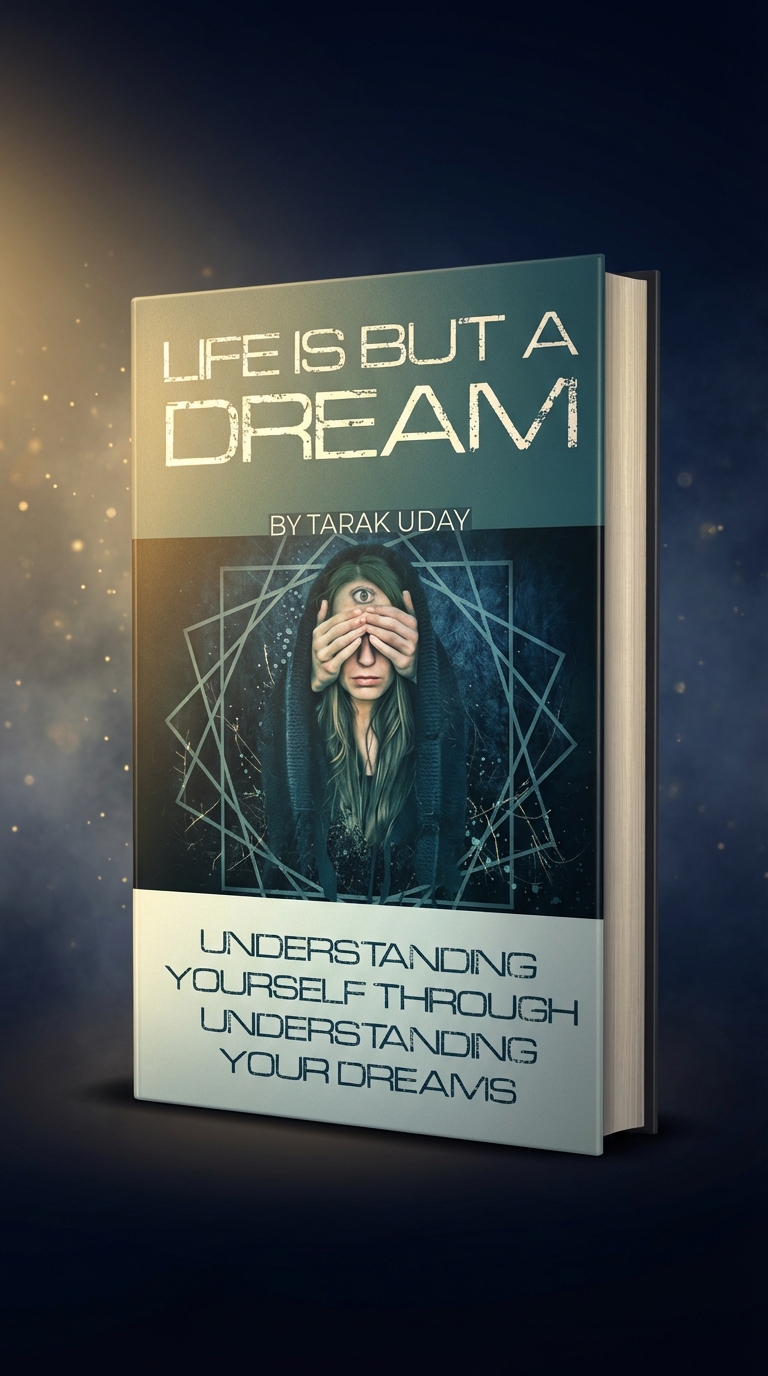
Learn The Language Your Dreams Speak
"Life Is But a Dream" teaches the Universal Language of Mind — how to read any dream symbol by what it is and what it does, so every dream becomes a message you can act on.
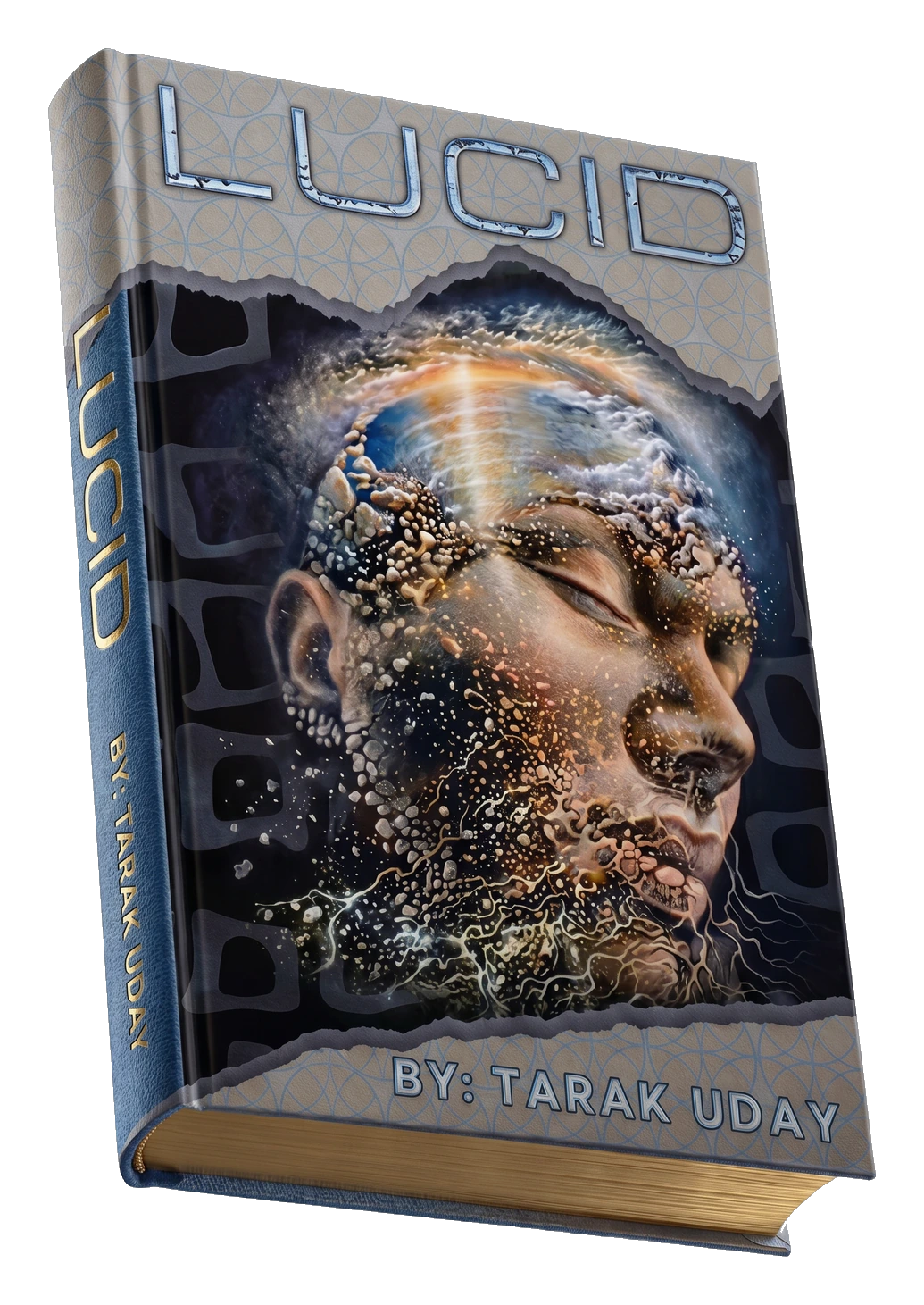
LUCID
You've tried every lucid dreaming technique. Most miss the root cause. LUCID reveals what they all skip.
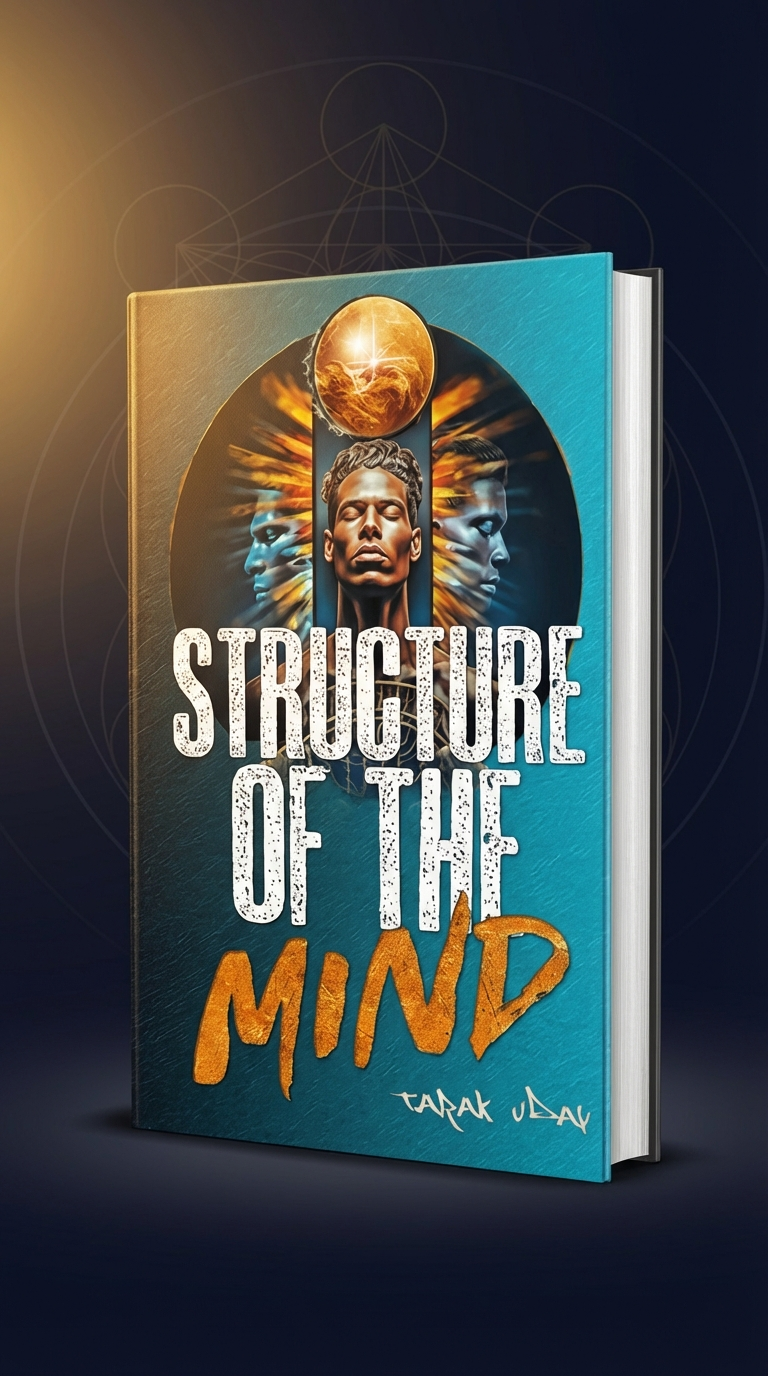
Understand Your Own Mind
"Structure of the Mind" reveals the three divisions of mind, seven levels of consciousness, and powers of mind that most people never learn to develop.