The Mirror Concentration Exercise — See Yourself With Complete Honesty for the First Time
The candle trains your attention outward. The mirror turns it inward. This exercise builds the self-awareness that makes dream interpretation, shadow work, and genuine self-knowledge possible.
The candle exercise trains your ability to hold attention on something OUTSIDE you. The mirror exercise trains your ability to hold attention on something most people spend their entire lives avoiding: themselves.
Not their appearance. Not their self-image. Not the curated version they present to the world. Themselves — the actual person behind the eyes, seen without filter, without judgment, without the habitual deflection that protects the ego from honest self-observation.
This exercise is simple to describe and profoundly difficult to sustain. Which is exactly why it works.
The Exercise — Exactly How to Do It
Setup
Sit comfortably in front of a mirror — a bathroom mirror, a standing mirror, any mirror where you can see your face clearly at a natural distance. The room should be softly lit — not dark, not harsh. Have a pen and paper beside you. Set a timer for 10 minutes.
The practice
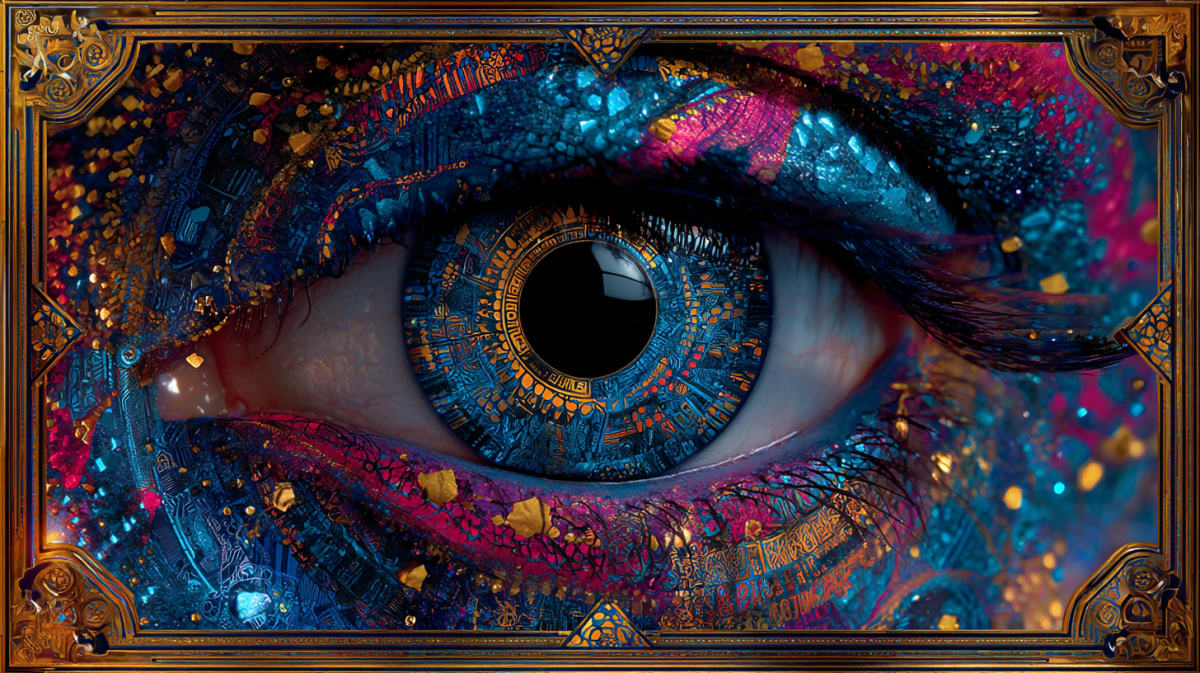
Look into your own eyes. Not at your face. Not at your hair, your skin, your features. Into your eyes. Choose one eye if that helps — most people find it easier to focus on their left eye (your reflection's right).
Hold your gaze. Stay present. Watch yourself watching yourself.
Within seconds, things will start happening. Your mind will generate commentary — about your appearance, about how strange this feels, about whether you're doing it right. Your eyes will want to drift — to your forehead, your mouth, the wall behind you. You may feel the urge to laugh, to look away, to stop.
When your attention wanders from your eyes — to commentary, to other features, to discomfort — make a tic mark. Breathe. Return to the eyes.
Same mechanics as the candle exercise. Different object. Profoundly different experience.
The Three Phases
Phase 1: Resistance (Minutes 1-3)
Almost everyone experiences discomfort, self-consciousness, and the urge to stop during the first few minutes. This is normal. You are doing something your ego has trained you NOT to do — look at yourself honestly without the filters of self-image, social presentation, and habitual deflection.
The discomfort IS the information. Where you feel the urge to look away — that's where the self-image is thinnest. That's where honest observation would reveal something the ego would rather not see. Stay with it.
Phase 2: Settling (Minutes 3-7)
The surface reactions calm. The commentary quiets. And something shifts — you stop looking AT your face and start looking THROUGH it. The person behind the eyes begins to emerge. Not the version you present. Not the version you criticize. The actual person who has been living your life.
This phase is where most of the developmental work happens. You're training yourself to observe without judgment — the exact skill dream interpretation requires. A dream shows you something about yourself. If you deflect, rationalize, or deny — the message is lost. If you RECEIVE it with the same non-judgmental observation you're training in the mirror — the message lands and transformation becomes possible.
Phase 3: Recognition (Minutes 7-10)
Practitioners who sustain the practice regularly describe a qualitative shift — a moment where they feel they're seeing themselves "as they actually are" for the first time. The self-image drops away. The social mask drops away. What remains is simply: you. Unfiltered. Undefended. Present.
This experience — even briefly — recalibrates self-awareness in a way that persists into waking life. After a week of daily mirror practice, you'll notice you catch your own patterns faster. You'll hear yourself say something and immediately know what's underneath it. You'll read a dream interpretation and think "yes, that's exactly what I've been doing" instead of "no, that can't be right."
The mirror exercise doesn't change who you are. It shows you who you already are — clearly enough that change becomes possible.
Why This Matters for Dream Work
Dream interpretation through the Universal Language of the Mind produces specific, honest messages about how you're using your consciousness. These messages are sometimes uncomfortable. "You're running from this." "You're not being honest about that." "This pattern is holding you back."
The person who can sit with themselves in a mirror for 10 minutes — who has trained the capacity to observe themselves without flinching — can RECEIVE these messages. They don't deflect. They don't rationalize. They apply.
The person who cannot sustain self-observation for 60 seconds will read the same interpretation and find reasons to dismiss it. "That doesn't apply to me." "The app must have gotten this one wrong." "I don't have that pattern."
The mirror exercise builds the receiver. Without it, the messages arrive but bounce off. With it, they land — and landing is where transformation begins.
The Mirror and the Shadow
The shadow material you encounter in lucid dreams — the dark figures, the hostile presences, the aspects of yourself you've been avoiding — these are the same qualities that make you uncomfortable when you look in the mirror.
The mirror exercise is shadow work in its gentlest form. You're not encountering the shadow in a dream where it appears as a threatening figure. You're encountering it in a mirror where it appears as... you. The discomfort you feel in minute 2 — the urge to look away, the self-criticism that arises, the sudden awareness of something you don't like about yourself — that IS the shadow. And by staying with it, by making the tic mark and returning to the eyes, you're doing the same work you'd do in a lucid dream: facing what you've been avoiding.
Practitioners who do both exercises report that the mirror work reduces the intensity of shadow encounters in dreams. The shadow has already been partially faced in the waking state. When it appears in a dream, it's less frightening because the dreamer has been practicing honest self-observation every day.
Pairing with the Candle Exercise
The ideal daily practice pairs both exercises:
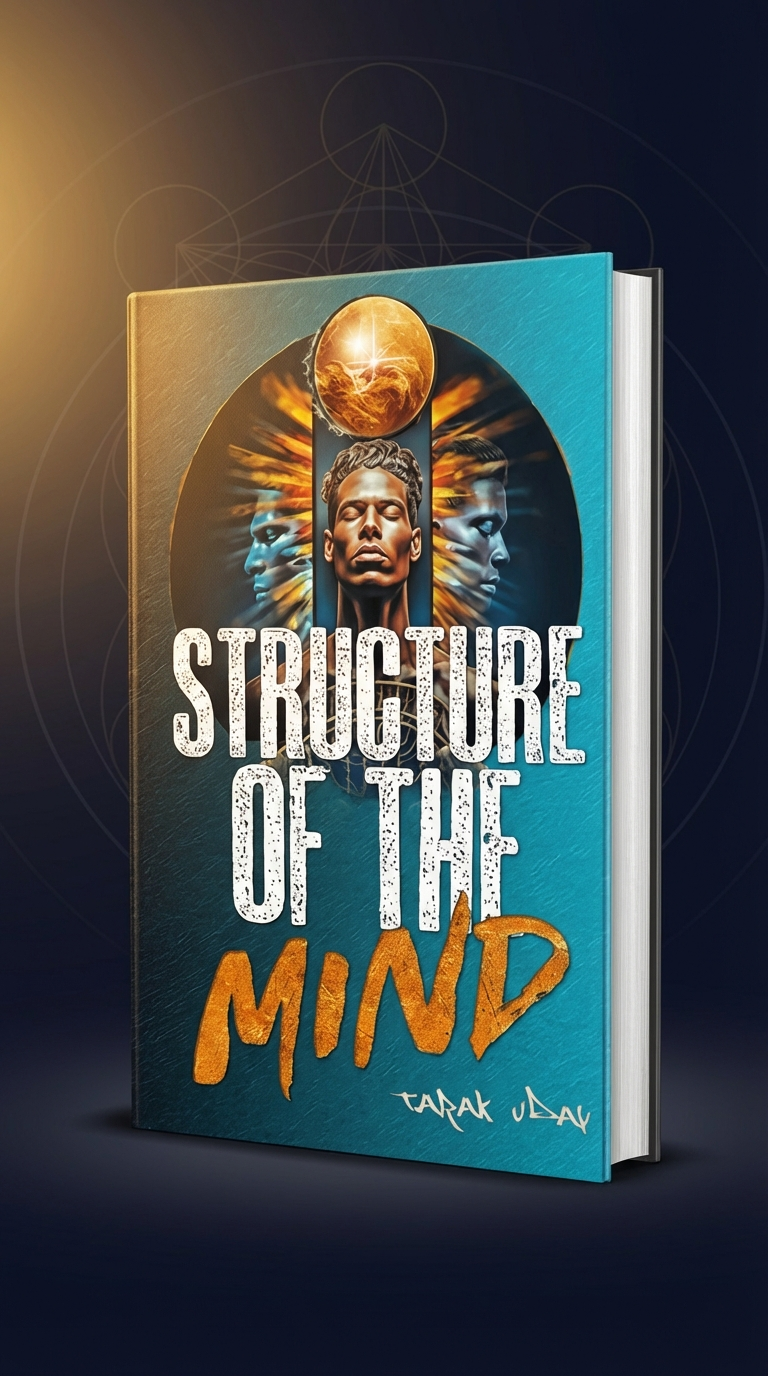
Tarak Uday takes this further in Structure of the Mind, his map of the three divisions of mind and the powers of attention, memory and imagination.
- Candle exercise (10 minutes) — trains outward attention. Builds the ability to hold focus, sustain awareness, and return from distraction.
- Mirror exercise (10 minutes) — trains inward attention. Builds the ability to observe yourself honestly, receive uncomfortable truths, and sustain self-awareness without deflection.
- Memory exercise — five moments from the day recalled in reverse with full sensory detail.
- Nightly dream ritual — tomorrow's date, "I WILL REMEMBER MY DREAMS," notebook by the bed.
This 25-30 minute evening sequence builds every faculty dream work and consciousness development require. Outward attention. Inward attention. Memory. Intention. Done daily, it produces measurable results within weeks and profound transformation within months.
Common Experiences
Face morphing. Many practitioners report that their face appears to change during sustained gazing — features shifting, appearing older or younger, taking on different expressions. This is a normal perceptual phenomenon caused by the brain's face-processing system adapting to sustained input. It is not supernatural. It IS interesting — and observing it without reacting is itself a concentration exercise.
Emotional release. Some practitioners experience unexpected emotion — tears, grief, tenderness, even laughter. This is the mirror accessing emotional material that normal self-observation doesn't reach. Let it flow. Make your tic mark. Return to the eyes. The emotion is part of the work.
Resistance escalation. The ego may escalate its resistance over the first week — stronger urges to stop, more aggressive self-criticism, finding excuses to skip. This is a sign the exercise is WORKING. The ego resists honest observation because honest observation threatens its constructed self-image. Push through the first two weeks and the resistance diminishes permanently.
The Two Mirrors
You now have two mirrors for self-knowledge. The physical mirror in your bathroom — where you sit with yourself for 10 minutes every evening and practice seeing who you actually are. And the dream mirror — where your subconscious shows you who you are every night through the Universal Language of the Mind.
The waking mirror trains you to receive. The dream mirror delivers the message. Together, they create a feedback loop of self-knowledge that accelerates everything.
Start tonight. Sit down. Look into your eyes. Stay.
What you see might surprise you. What you learn will change everything.
GO WITHIN>>> OR GO WITHOUT.

Frequently Asked Questions



Books by Tarak Uday
Understand Your Own Mind
"Structure of the Mind" reveals the three divisions of mind, seven levels of consciousness, and powers of mind that most people never learn to develop.

Learn The Language Your Dreams Speak
"Life Is But a Dream" teaches the Universal Language of Mind — how to read any dream symbol by what it is and what it does, so every dream becomes a message you can act on.
LUCID
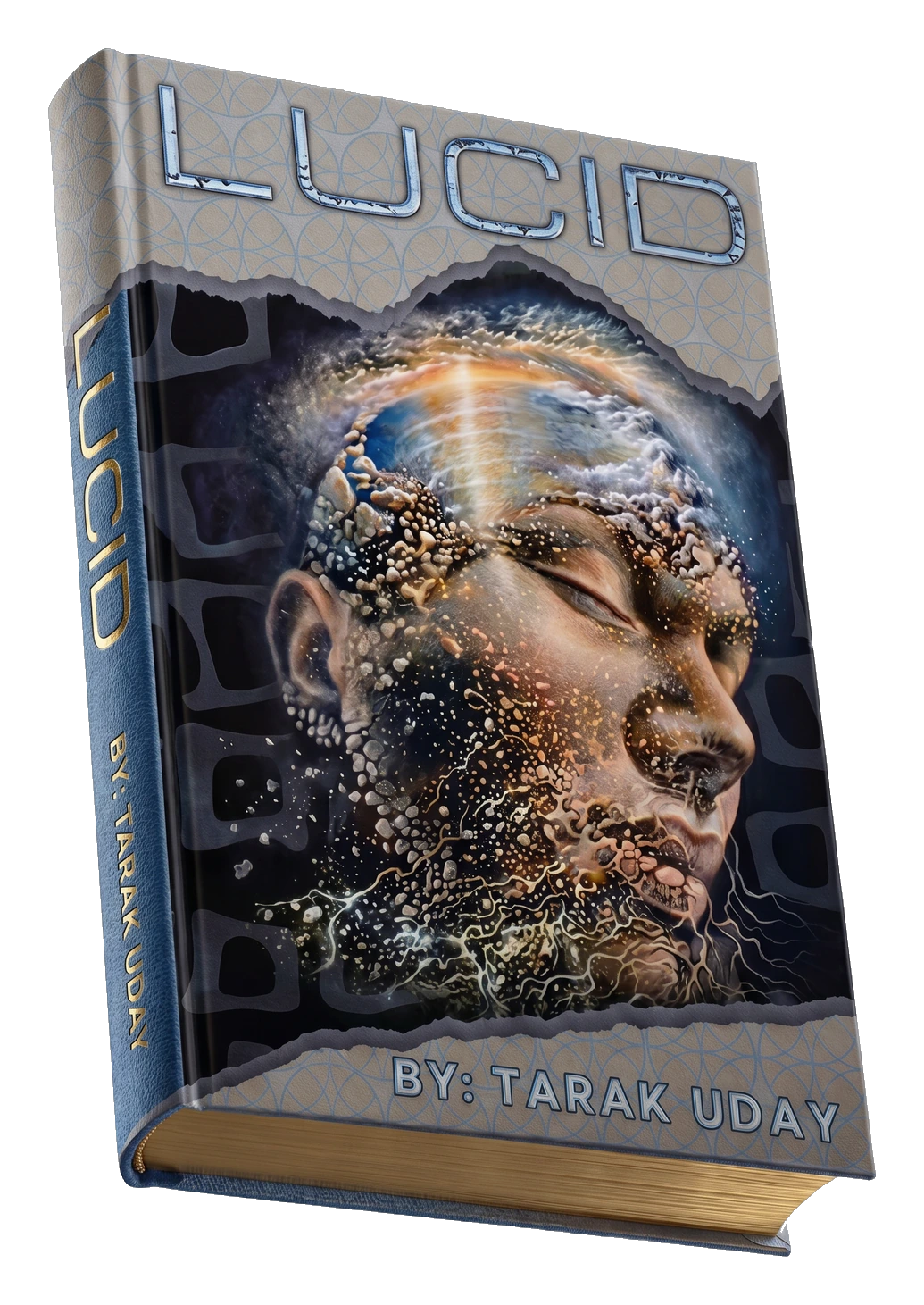
You've tried every lucid dreaming technique. Most miss the root cause. LUCID reveals what they all skip.