
Why Meditation Alone Won't Produce Lucid Dreams — The Missing Piece Every App Ignores
Millions of people meditate. Almost none of them lucid dream. The reason isn't that meditation doesn't work. It's that meditation without concentration training is a car without an engine.
There are over 100 million people using meditation apps worldwide. The majority of them will never have a lucid dream — despite practicing a discipline that seems like it should be the direct path to consciousness in sleep.
This disconnect baffles people. "I've been meditating for two years. Why can't I lucid dream?" "I'm more mindful than I've ever been. But my dreams are still unconscious." "I can sit in silence for 30 minutes. Why does awareness vanish the moment I fall asleep?"
The answer is uncomfortable for the meditation industry: meditation and concentration are not the same skill. And lucid dreaming requires the one that meditation apps don't teach.
The Critical Distinction
Meditation (as taught by most modern apps and teachers) is passive awareness. You sit. You observe. Thoughts arise and you notice them without attachment. Sounds occur and you let them pass. The instruction is: don't grasp, don't direct, don't hold. Just be present. This cultivates a relaxed, receptive, diffuse state of awareness. It's valuable. It reduces anxiety, improves emotional regulation, and builds present-moment attention.
Concentration is active direction. You choose a single point of focus — a flame, a spot, a mantra, a visualization — and you HOLD it. Thoughts arise and you bring attention BACK to the point. Sounds occur and you maintain the point. The instruction is: hold, direct, sustain, return. This cultivates a focused, directed, sustained state of attention. It's the engine that powers every advanced consciousness practice.
The difference is the difference between watching a river flow (meditation) and steering a boat (concentration). Both involve being on the water. Only one gets you where you want to go.
Why Meditation Isn't Enough for Lucid Dreaming
Every lucid dreaming technique requires ACTIVE, DIRECTED attention:
WILD (Wake-Initiated Lucid Dream): Requires maintaining conscious awareness through the sleep transition — while the body paralyzes, while hypnagogic imagery floods your perception, while every signal tells your consciousness to disengage. This demands intense, sustained, directed focus. Not passive observation. DIRECTION.
MILD (Mnemonic Induction): Requires holding a specific intention — "I will recognize I'm dreaming" — through the hypnagogic state into sleep. If your attention is passive, the intention dissolves. You need to HOLD it actively through the transition.
Reality checks: Require genuine present-moment questioning — "Am I dreaming right now?" — with enough focused attention that the question is REAL, not mechanical. A passive meditator can do reality checks 50 times a day and never have them transfer to dreams because the checks are habitual, not genuinely attentive.
Lucid dream stabilization: Requires maintaining awareness inside a dream without getting swept into the narrative or destabilized by excitement. This is concentration in its purest form — holding a point of awareness while an immersive environment pulls at you from every direction.
In every case, the skill required is not "notice and let go." It's "notice and HOLD." Meditation trains the first. Concentration trains the second. Lucid dreaming demands the second.
The Meditation App Gap
Headspace, Calm, Insight Timer, Ten Percent Happier — none of them include concentration training. Their model is relaxation, stress reduction, and mindfulness. Their exercises are designed to produce a calm, receptive state — which is the OPPOSITE of what lucid dreaming requires at the critical moment of transition.
This isn't a criticism of meditation apps. They do what they're designed to do. The problem is that people assume meditation = consciousness development = lucid dreaming. It doesn't work that way. Meditation is ONE component. Concentration is another. Dream recall is another. Dream interpretation is another. All four are required, and most people are only doing one.
The candle concentration exercise addresses this gap directly. Ten minutes of sustained, active, directed attention — holding the flame, marking when attention wanders, returning. This is the specific skill lucid dreaming demands and meditation alone doesn't build.
The Complete Practice vs. The Incomplete One
Incomplete (what most people do): Meditate with an app. Maybe journal a dream occasionally. Try a lucid dreaming technique from YouTube. Wonder why it doesn't work.
Complete (what actually produces lucid dreams):
- Concentration exercise — candle flame, 10 minutes daily. Builds directed attention.
- Mirror exercise — 10 minutes daily. Builds self-awareness.
- Dream journaling — nightly ritual + morning capture. Builds recall.
- Dream interpretation — decode every dream through the Universal Language. Builds the relationship with the subconscious.
- Application — apply the dream's message to waking life. Proves to the subconscious you're listening.
- Meditation — YES, include it. Passive awareness complements active concentration. Just don't rely on it alone.
When all six components are in place, lucid dreaming becomes a natural consequence — not a technique you force, but a state that emerges because your consciousness has been trained from every angle.
The 45-Day Foundation
The 45-day foundation detailed in our lucid dreaming prerequisite article builds all of these skills systematically over six weeks — concentration, memory, dream recall, interpretation, and the visualization that enables vivid dream navigation. By the end of the 45 days, most practitioners have the attentional capacity that meditation alone would take years to develop — because the training is SPECIFIC to the skills lucid dreaming requires.
Tarak Uday takes this further in LUCID, his book on becoming aware inside the dream.
Meditation casts a wide net. The foundation casts a precise one. Both catch fish. Only one catches the specific fish you're after.
If You Already Meditate
Good. Don't stop. Your meditation practice has already built present-moment awareness, emotional regulation, and the capacity to sit with yourself. These are genuinely valuable for consciousness development.
Now ADD concentration. The candle exercise. Ten minutes before your meditation, or after it, or as a separate session. You'll notice the difference within a week — your meditation will deepen because you now have the concentration to sustain it, AND your dream recall will improve because the same faculty that holds the flame holds the fading dream.
Meditation + concentration is the complete attentional toolkit. Meditation alone is half the toolkit. And you can't build a house with half the tools.
The Hard Truth
If you've been meditating for months or years and wondering why lucid dreaming hasn't happened — this is why. The skill you've been building is genuine and valuable. But it's not the skill lucid dreaming requires at the critical moment.
The critical moment — the sleep transition, the recognition inside the dream, the stabilization once lucid — demands DIRECTED attention. The kind you can only build by practicing directed attention. The kind the candle exercise provides in 10 minutes a day.
Add it to your practice. Within weeks, you'll understand why this one distinction — passive awareness vs. active concentration — is the difference between meditating for years without lucid dreaming and achieving it within months.
GO WITHIN>>> OR GO WITHOUT.

Frequently Asked Questions


Books by Tarak Uday
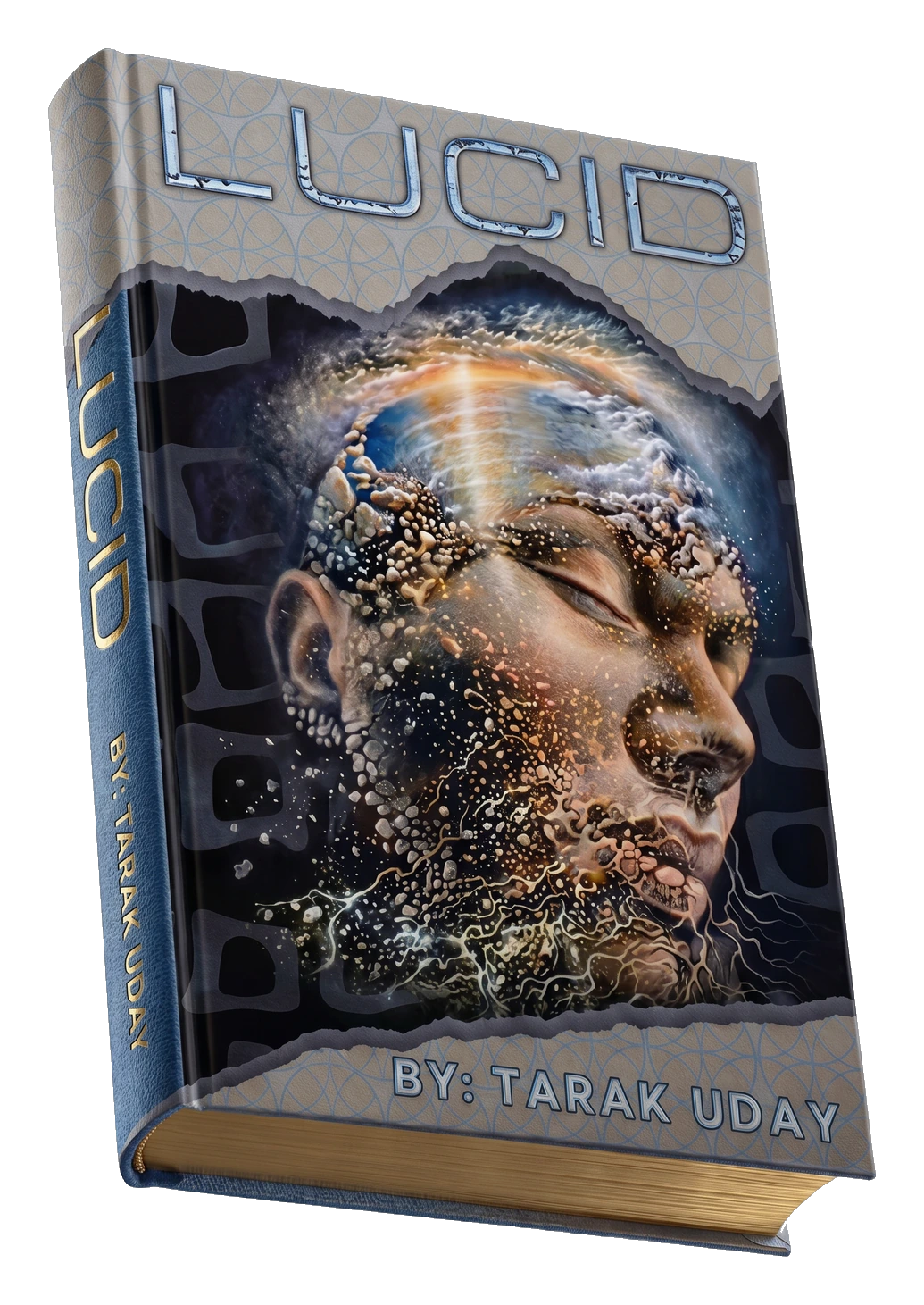
LUCID
You've tried every lucid dreaming technique. Most miss the root cause. LUCID reveals what they all skip.

Learn The Language Your Dreams Speak
"Life Is But a Dream" teaches the Universal Language of Mind — how to read any dream symbol by what it is and what it does, so every dream becomes a message you can act on.
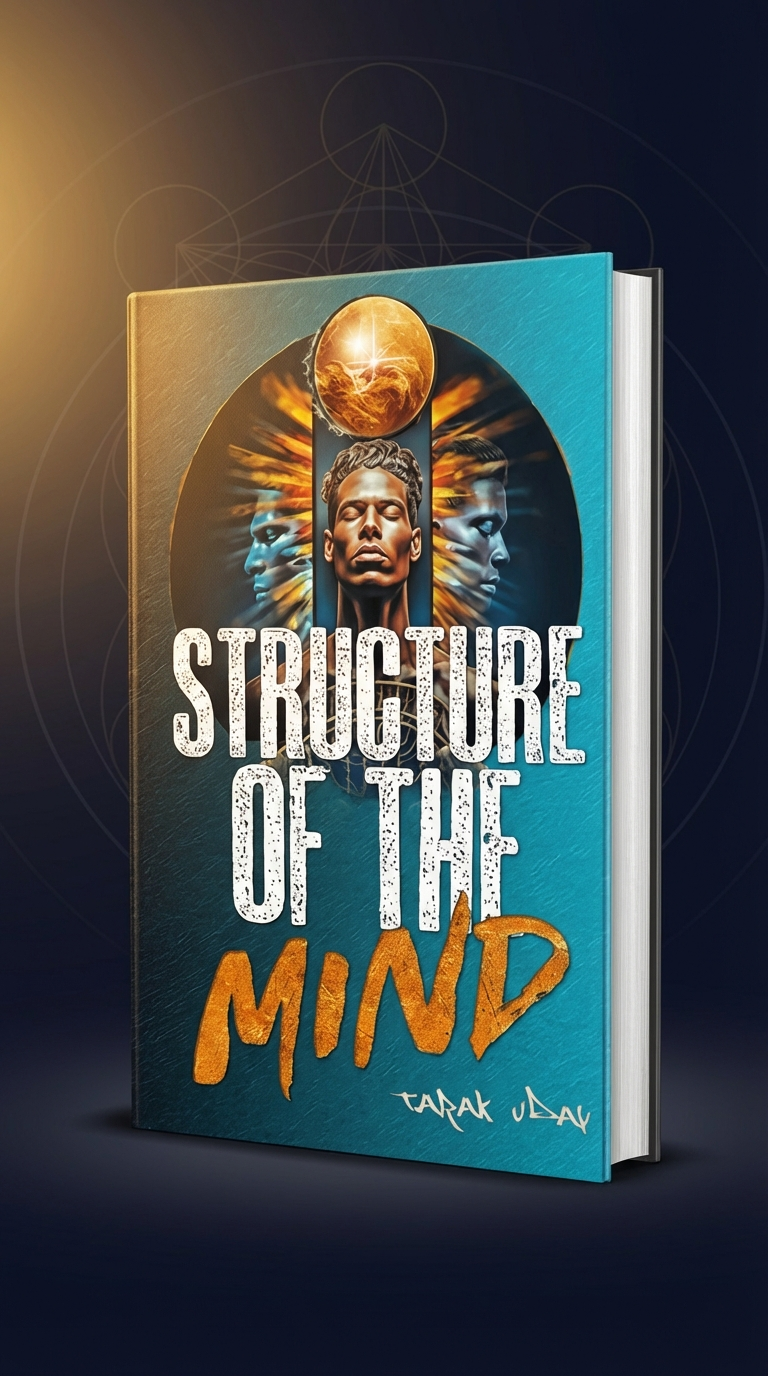
Understand Your Own Mind
"Structure of the Mind" reveals the three divisions of mind, seven levels of consciousness, and powers of mind that most people never learn to develop.