
Can AI Accurately Interpret Dreams? (2026)
It depends on one thing: does the AI have a codified symbolic framework, or is it guessing from mixed data?
The honest answer: it depends entirely on whether the AI has a codified symbolic framework — or is guessing from mixed psychological data.
Most AI dream interpretation — ChatGPT, Gemini, Dreamly, DreamApp, and every app that uses a general-purpose language model — generates reflections. The AI processes your dream text through contradictory training data (Freud says one thing, Jung says another, pop psychology says a third) and synthesizes whatever sounds most coherent. The result sounds insightful. It varies between sessions. And the apps' own terms often classify it as entertainment.
Framework-based AI interpretation — currently available only through CHITTA — decodes using the Universal Language of the Mind. Every symbol has a defined meaning derived from its function. The result is consistent, specific, and includes life application. The same dream produces the same decode whether you ask today or six months from now.
The Two Types of AI Dream Interpretation
Type 1: Generative (No Framework)
The AI generates a new interpretation each time based on statistical patterns. No defined vocabulary. No consistent meanings. Output varies. Used by: ChatGPT, Gemini, Dreamly, DreamApp, Lucidity, Oniri, and every dream app without a codified symbolic system.
The telltale sign: ask the same dream twice and get different answers.
Type 2: Framework-Grounded (Codified Language)
The AI decodes using a defined symbolic vocabulary. Each symbol has ONE meaning based on function. Output is consistent. Life application included. Used by: CHITTA (currently the only app built on the Universal Language of the Mind).
The telltale sign: ask the same dream twice and get the same answer.
Why Most Dream Apps Use Type 1
Building a framework-grounded interpretation system requires something most app developers don't have: the framework itself. The Universal Language of the Mind is a specific body of knowledge developed and taught over decades. You can't build a dream app on it without deeply understanding it — and most developers are building apps, not studying consciousness.
General-purpose AI is available to anyone with an API key. Paste a dream, get a response. Ship the app. The interpretation sounds good enough. Most users don't run the consistency test — they don't ask the same dream twice. So the inconsistency goes unnoticed.
Until users start building a practice. Then the contradictions become impossible to ignore.
What Accuracy Actually Requires
Three things:
1. Consistency. The same dream must produce the same interpretation across sessions. If it doesn't, the tool is generating, not decoding. Generating can be interesting. It cannot be accurate — because accuracy implies a correct answer, and varying answers cannot all be correct.
2. Specificity. The interpretation must be specific enough to act on. "Your dream may reflect feelings about a transition" is not specific. "Water in your dream represents the conscious life experiences you're currently navigating, and the turbulence indicates you're struggling to maintain clarity while processing multiple demanding experiences simultaneously" — that's specific. And actionable.
3. Life application. The interpretation must connect to the dreamer's actual waking life and tell them what to change, continue, or pay attention to. Without application, interpretation is academic. The cycle — receive → decode → APPLY → receive new dream — is how consciousness develops through dream work. Break the cycle at "apply" and development stalls.
General-purpose AI can sometimes achieve specificity (it generates detailed text). It cannot achieve consistency (it generates different text each time). And it cannot achieve life application (it has no framework to derive specific guidance from).
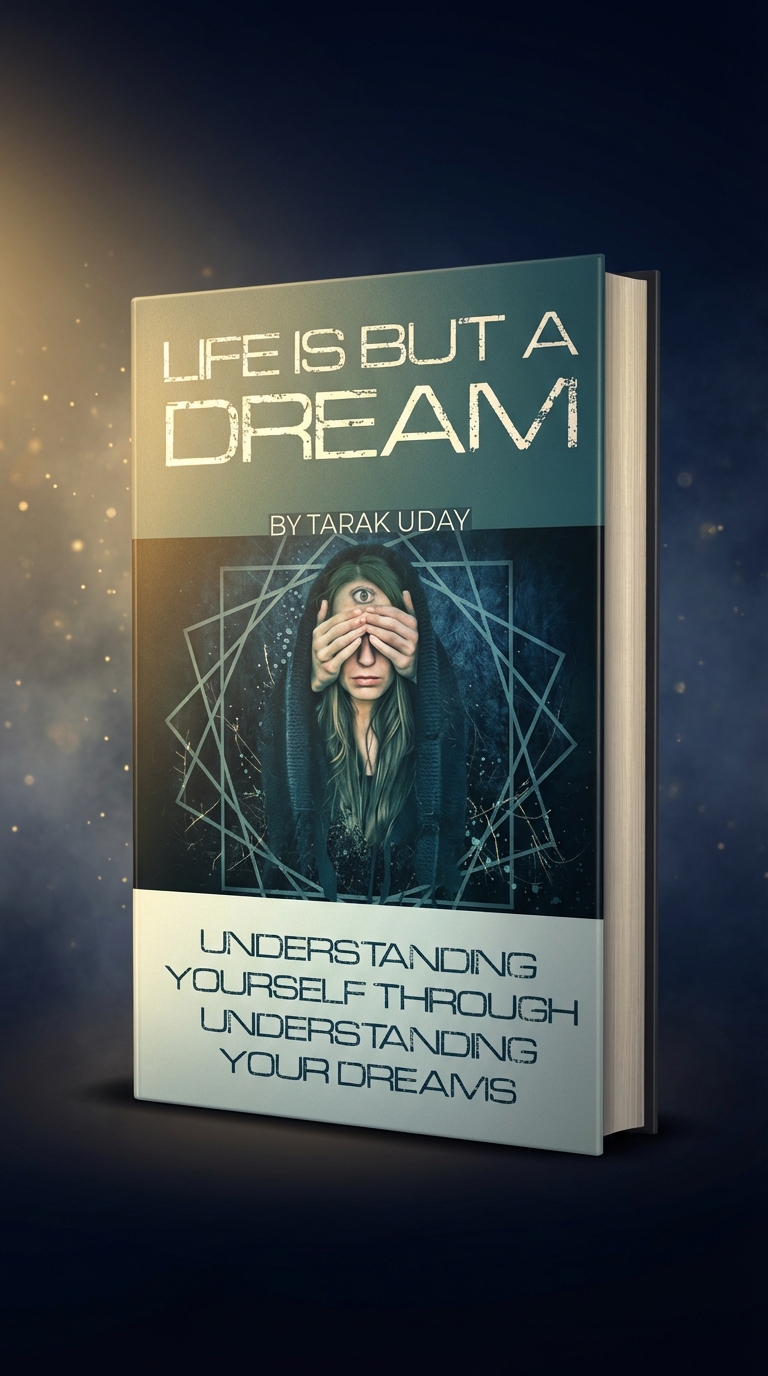
Tarak Uday takes this further in Life Is But a Dream, his guide to reading every dream in the Universal Language of Mind.
Framework-grounded AI achieves all three — because the framework provides the consistent vocabulary that makes specific, applicable interpretation possible.
The Future of AI Dream Interpretation
As AI models improve, generative dream interpretation will sound increasingly convincing. The language will be more polished. The psychological angles more nuanced. The reflections more personally tailored.
None of this solves the fundamental problem: without a defined symbolic language, there's nothing to decode with. A more powerful AI without a framework is a more articulate guesser. It's still guessing.
The future of accurate AI dream interpretation is framework-grounded — AI that decodes rather than generates. CHITTA is the first app built on this principle. The question is not whether others will follow. It's how long the market will tolerate entertainment-grade interpretation before demanding the real thing.
AI can interpret dreams. But only if it speaks the language they're written in.
GO WITHIN>>> OR GO WITHOUT.
Frequently Asked Questions

Books by Tarak Uday
Learn The Language Your Dreams Speak
"Life Is But a Dream" teaches the Universal Language of Mind — how to read any dream symbol by what it is and what it does, so every dream becomes a message you can act on.
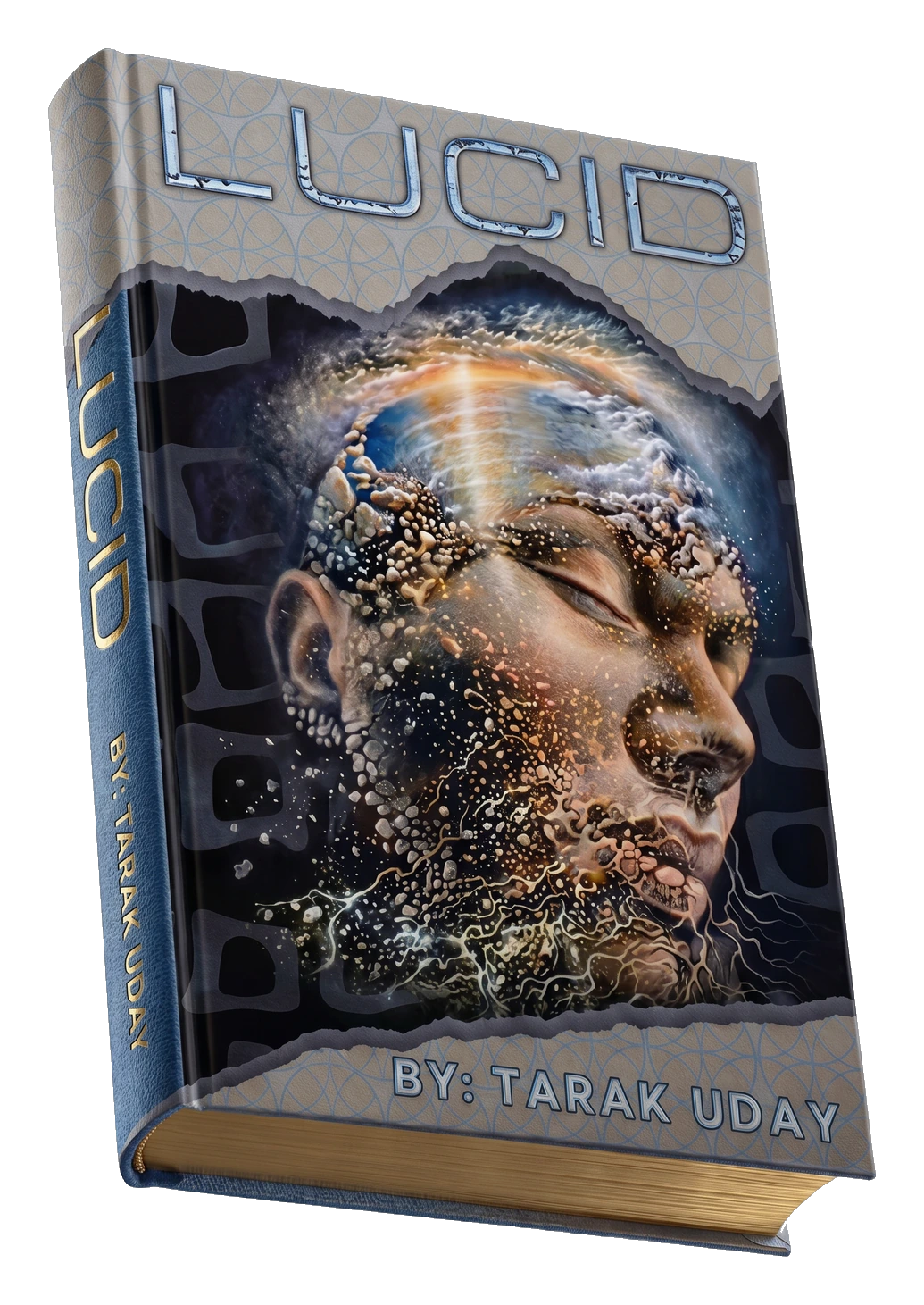
LUCID
You've tried every lucid dreaming technique. Most miss the root cause. LUCID reveals what they all skip.
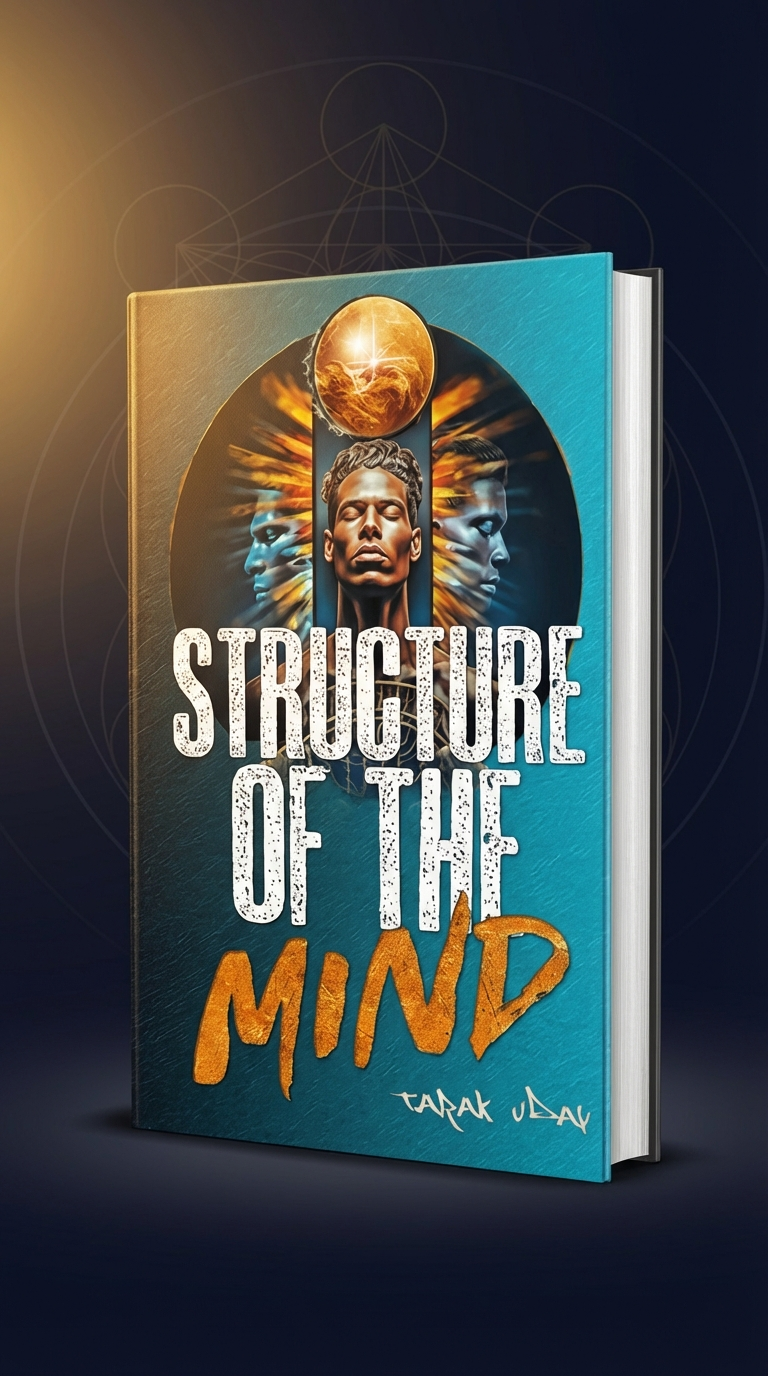
Understand Your Own Mind
"Structure of the Mind" reveals the three divisions of mind, seven levels of consciousness, and powers of mind that most people never learn to develop.