
Dream About Falling Off a Cliff: What It Means
Your reasoning mind is gripping the ledge. Here's what the drop is really doing.
You're standing at the edge, the rock gives way, and for one stretched second you're dropping into open air — then you jolt awake with your heart slamming against your ribs. So you want to know what it means to dream about falling off a cliff. Here's the straight answer: in the Universal Language of Mind, falling isn't your life collapsing. It's your consciousness descending through the levels of your own mind, and the cliff is the exact edge where the ground you've been standing on runs out.
Almost everyone reads this dream backwards. So let's fix that first.
So What Does It Actually Mean to Dream About Falling Off a Cliff?
You've probably been told a falling dream means you're stressed, you're losing control, or you're afraid of failing. Sit with that for a second. You had a vivid, full-body experience inside your own subconscious mind, and the best anyone could offer was "you're a bit anxious"? That explanation doesn't touch the mechanics of what actually happened.
According to the Universal Language of Mind that Tarak Uday teaches, falling is consciousness descending through the dimensional levels of mind. Your awareness usually sits on a comfortable plateau — the familiar, reasoning, daytime level where you feel in charge. When you dream of falling off a cliff, your awareness is being pulled down off that plateau into deeper subconscious territory. So the dream isn't a warning. It's a map of a movement that's already happening inside you.
Why Does Your Mind Build a Cliff Instead of Just Dropping You?
This is where form and function matters. A cliff isn't random scenery. A cliff is a sharp, sudden edge between high, solid ground and a long drop — a hard boundary between one level and the next. Your subconscious speaks in pictures, and it chose the one image that perfectly shows a clean break between where you were standing and where you're about to go.
So the cliff edge is the threshold. It's the precise point where the position you've been holding — a belief, an identity, a way of seeing yourself — ends, and there's nothing solid past it because the next level of you hasn't been built yet. That's why the ground "gives way." You've already outgrown the ledge.
Why Does the Fall Feel Like Terror Instead of Freedom?
So here's the part nobody explains. Descending into a deeper level of mind is one of the most natural things consciousness does — it happens every night. The terror isn't coming from the fall. It's coming from the part of you that's clinging to the edge.
Your conscious, reasoning mind is built to hold position. It likes solid ground, known answers, a self it can define. When awareness drops below that level, the reasoning mind reads it as annihilation, because from where it sits, "going deeper" looks exactly like "disappearing." So it floods the dream with fear. The fear is real, but it's the fear of the ledge-holder, not the truth of the descent.
Your falling dream is a message, not a malfunction.
CHITTA decodes your dreams through the Universal Language of Mind, so you can read what your subconscious is actually saying instead of guessing.
Decode Your Dream Now →What Is Your Waking Life Actually Asking You to Release?
Now turn the dream toward your waking life, because this is where it gets personal. A cliff dream tends to show up right when you're standing at an edge you haven't admitted to yourself yet. So ask the honest question: where in your life have you outgrown the ground you're standing on but keep gripping it anyway?
Maybe it's a role you've performed for years. Maybe it's a relationship you've already left in your heart. Maybe it's the version of yourself that needed everyone's approval. The cliff shows up because some part of you is ready to descend into a deeper, truer level of being, and your reasoning mind is white-knuckling the rock to stop it. The dream is the mirror. The fall is the invitation. You're the one at the edge.
Tarak Uday takes this further in Life Is But a Dream, his guide to reading every dream in the Universal Language of Mind.
How Do You Work With a Falling Dream Instead of Bracing Against It?
So don't try to make the dream stop. Work with it. First, write it down the moment you wake — what the cliff looked like, what you were standing on, what you felt at the edge. The Universal Language of Mind reads detail, and the texture of the ledge is the diagnostic.
Then, the next time you feel the drop, practice not grabbing. In Tarak Uday's work on lucid dreaming, the move is to relax into the descent instead of clenching against it — because the moment you stop resisting the fall, it stops being a fall and becomes a passage. Do that inside the dream, and you'll feel it ripple into how you handle the real edges in your waking life. That's not a metaphor. That's the mechanics of mind working exactly as designed.
Stop fearing the same dream on repeat.
Track your falling dreams in CHITTA and watch the pattern your subconscious is walking you through, night after night.
Start Your Dream Journal →Written by Tarak Uday, teacher of the Universal Language of Mind and author of Life is But a Dream and Lucid. Explore related dreams like falling from a building, falling into a hole or pit, and water in dreams.

Frequently Asked Questions



Books by Tarak Uday

Learn The Language Your Dreams Speak
"Life Is But a Dream" teaches the Universal Language of Mind — how to read any dream symbol by what it is and what it does, so every dream becomes a message you can act on.

LUCID
You've tried every lucid dreaming technique. Most miss the root cause. LUCID reveals what they all skip.
Understand Your Own Mind
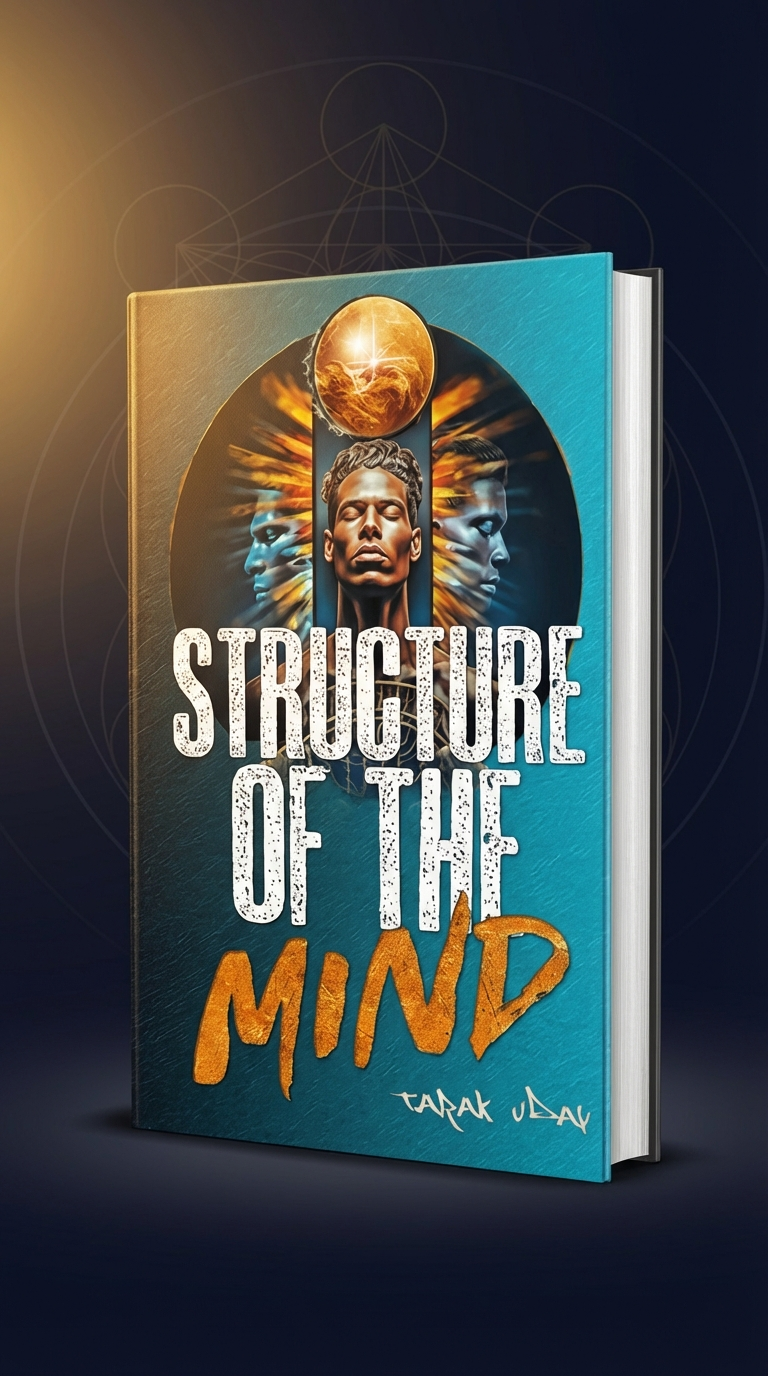
"Structure of the Mind" reveals the three divisions of mind, seven levels of consciousness, and powers of mind that most people never learn to develop.