
Dream About Pulling Your Own Teeth Out: What It Means
It's not anxiety or loss. By your own hand means you chose to put a tool down.


So you pulled your own teeth out in a dream. Not knocked loose, not fell out on their own — you reached up, gripped, and yanked them out yourself. According to the Universal Language of the Mind that Tarak Uday teaches, teeth are your tools for breaking down and assimilating life experiences into knowledge, the same way real teeth break down food so the body can absorb it. Pulling them out by your own hand means you are deliberately discarding a way you used to digest life.
What does it actually mean to dream about pulling your own teeth out?
Let's get the popular reading out of the way first, because you've already seen it. Type "pulling teeth dream" into Google and you'll get a wall of the same three words: anxiety, control, loss. The internet dream dictionaries will tell you it's about your fear of losing power, or your need to control a situation that's slipping away from you, or some vague dread about aging and your body falling apart. And look — I get why that's the easy answer. Teeth coming out feels like loss. It feels like something being taken.
But here's where the popular reading falls apart. You didn't lose those teeth. Nobody took them. You pulled them out. By your own hand. That single detail flips the entire interpretation, and the generic dream sites completely miss it because they're working backwards from the feeling instead of forward from the mechanics.
So let's do this right. In the Universal Language of the Mind, every symbol means what it does. Form and function. Your teeth break down food — they're the first tool in the chain that lets your body assimilate nutrients out of raw experience. In the language your subconscious speaks, that makes teeth your mental tools for breaking down and assimilating life experiences into knowledge. Not insecurity. Not an omen. Tools.
Why does it matter that YOU pulled them out?
This is the whole dream, right here. When teeth fall out on their own, the message is about a way of processing experience that's leaving you — sometimes naturally, sometimes against your wishes. But pulling them out yourself? That's a decision. That's you, the dreamer, reaching in and deliberately removing a tool you used to rely on to make sense of your life.
So ask yourself the honest question. What's a way of thinking, a way of chewing on life, that you've recently decided to give up? Maybe you used to over-analyze everything and you've consciously chosen to stop. Maybe you had a belief system, a framework, a way of breaking down what happens to you — and you've decided it no longer serves you. The subconscious doesn't editorialize. It just shows you, in plain symbolic terms: you are removing a tool. By choice.
And here's the part the searcher needs to hear. This isn't automatically bad. Sometimes you outgrow a way of processing life and shedding it is exactly right — the mental equivalent of pulling a tooth that's already done its job. But sometimes you're yanking out a perfectly good tool because it's uncomfortable to keep using it. That's self-sabotage wearing the costume of growth. The dream alone won't tell you which one it is. Your waking life will.
Wondering which one your dream is pointing to?
CHITTA reads your dream through the Universal Language of the Mind and shows you exactly which tool you're putting down — and whether it's growth or self-sabotage.
Decode Your Dream Now →How do you tell a needed shedding from self-sabotage?
So this is the question that actually changes your life, not just your curiosity about a dream. The mechanics give you a clean test. A needed shedding feels like relief in the days that follow — you've stopped forcing yourself to process life through a lens that stopped fitting, and you feel lighter, clearer, more honest. The tool came out because it was finished.
Self-sabotage feels different. It shows up as avoidance dressed up as wisdom. You tell yourself you're "letting go" of over-thinking when really you've just stopped doing the work of understanding your own life. You pulled the tool because using it meant facing something. According to the Universal Language of the Mind, the dream is neutral — it reports the action, not the verdict. The verdict is yours to read off your own behavior.
Here's a quick way to check. For the next few days, notice what you're not processing anymore. Is there a situation, a relationship, a decision that you used to chew on and now you just... don't? If dropping it brought peace, you shed a finished tool. If dropping it brought a low hum of unfinished business you keep not-thinking-about, you pulled a tool you still needed. The dream handed you the diagnostic. You run the test.
What if you pulled out only one tooth, or all of them?
The number and the manner matter, because the subconscious is precise. Pulling out a single tooth points to one specific way of processing — one belief, one mental habit, one framework you've decided to retire. It's surgical. You know, somewhere in you, exactly which tool you're putting down. Sit with the dream and the specific area of life it touches will usually surface fast.
Pulling out all of your teeth, or handful after handful, is a bigger message. That's not retiring one habit — that's tearing out your whole apparatus for assimilating experience. It often shows up during major life transitions, when a person decides the entire way they used to make sense of the world no longer applies. That can be a genuine rebirth. It can also be a person in crisis throwing away every tool at once because the pain of using any of them is too much. Again: your waking life reads the verdict, not the dream.
Tarak Uday takes this further in Life Is But a Dream, his guide to reading every dream in the Universal Language of the Mind.
And if there was blood, or pain, or the teeth came out hard — that's the cost showing through. Removing a tool you've leaned on for years isn't free. The discomfort in the dream is honest about that. It doesn't mean you're wrong to remove it. It means you're not pretending it's painless.
How do you work with this dream instead of just fearing it?
So here's where most people stop — they decode the symbol, feel a little relief or a little dread, and move on. Don't do that. This dream is a diagnostic tool, and you're holding it. The Universal Language of the Mind isn't a fortune-telling system; it's a mirror that shows you what your deeper mind already knows about your life. The whole point is to act on what you see.
Start by naming the tool. Write down, in one plain sentence, the way of processing experience you've been putting down. "I've stopped trying to understand why that relationship ended." "I've given up my old habit of journaling every decision." Whatever it is. Naming it pulls it out of the symbolic fog and into a place where you can actually decide whether the shedding was wise. Then run the few-days test from above. The dream did its job by raising the question. Your job is to answer it honestly.
That's the real gift here. A recurring version of this dream, in the Universal Language of the Mind, is the same lesson knocking again — which means there's a tool you keep pretending to put down without ever resolving whether you should. Tarak Uday teaches that your dreams aren't random theater; they're the most honest feedback you'll ever get about your own inner life. This one is telling you, in plain terms, that you've taken something out of your own hands. The only question left is whether to leave it out — or pick it back up.
Stop guessing what your dreams mean.
CHITTA decodes your dreams through the Universal Language of the Mind that Tarak Uday teaches — the mirror that shows you what your deeper mind already knows.
Decode Your Dream Now →Frequently Asked Questions


Books by Tarak Uday

Learn The Language Your Dreams Speak
"Life Is But a Dream" teaches the Universal Language of the Mind — how to read any dream symbol by what it is and what it does, so every dream becomes a message you can act on.

LUCID
You've tried every lucid dreaming technique. Most miss the root cause. LUCID reveals what they all skip.
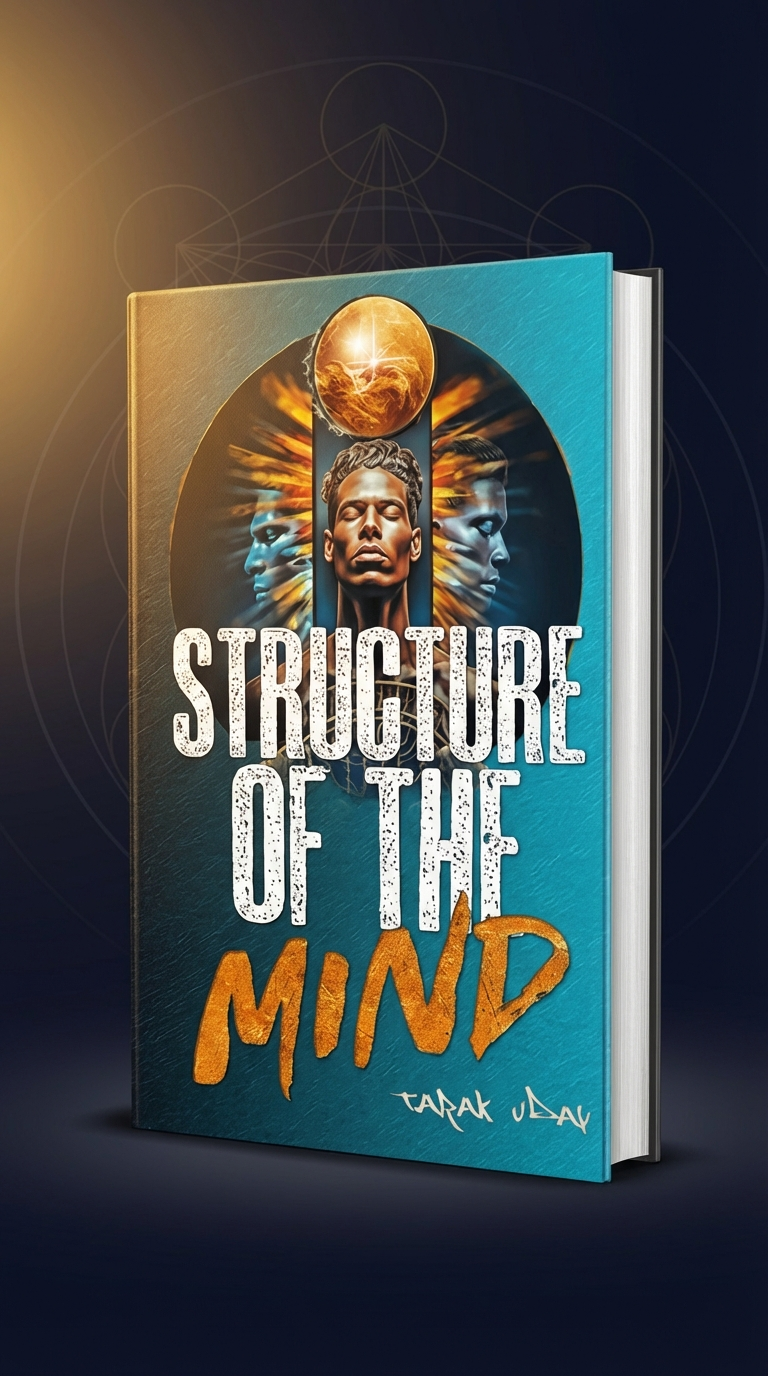
Understand Your Own Mind
"Structure of the Mind" reveals the three divisions of mind, seven levels of consciousness, and powers of mind that most people never learn to develop.