
Dream About Teeth Crumbling and Breaking: What It Means
Your teeth aren't crumbling because you're insecure. Here's what your mind is actually telling you.


So you woke up and your teeth were crumbling. Maybe they broke off in chunks, maybe they turned to powder in your mouth, maybe you spit out fragment after fragment and they just kept coming. And now you're here, searching, a little rattled, wanting to know what it means. Here's the short version: in the Universal Language of the Mind, teeth are your mental tools for breaking down and assimilating life experiences. When they crumble in a dream, those tools are failing — you're trying to chew on something life handed you, and what you've always used to process it no longer holds up.
Now let's slow down, because that one sentence flips almost everything you've been told.
Why does everyone say crumbling teeth means insecurity?
So you've probably already read it. Crumbling teeth means you're insecure. Or anxious. Or afraid of losing something — your looks, your power, your control. Maybe somebody told you it's a bad omen, that someone's going to die. Think about that for a second. You had a vivid, multi-sensory experience inside your own subconscious mind, your teeth literally falling apart in your hands, and the best explanation anyone could offer you was... you're insecure?
That doesn't even begin to touch what's actually happening.
Here's the problem with the insecurity reading. It treats the dream like a mood ring — like your subconscious went to all the trouble of staging this elaborate scene just to tell you something you could've figured out from a bad Tuesday. The mind doesn't work that way. The mind speaks in mechanism. Every image is a precise, functional message about how your inner life is actually running. So when Tarak Uday teaches the Universal Language of the Mind, the first thing he strips out is the lazy emotional label. Insecurity isn't a meaning. It's a symptom. The dream is pointing at the cause.
What do teeth actually mean in the Universal Language of the Mind?
So let's go to the body first, because the Universal Language of the Mind reads symbols by form and function — what a thing literally does in waking life tells you what it means in the language of mind.
What do teeth do? They break down food. You take in something whole — too big, too dense, impossible to absorb as-is — and your teeth grind it down into pieces small enough for your body to actually pull nutrients from. No teeth, no digestion. The food just sits there, useless, even though it's full of everything you need.
Now map that onto the mind. Life hands you experiences whole — a breakup, a betrayal, a promotion, a loss, a hard conversation. Raw, too big to swallow as-is. Your teeth, in the language of mind, are the mental tools that break those experiences down into pieces you can actually absorb. Into understanding. Into usable knowledge. That's the whole point of an experience — not that it happens to you, but that you digest it into wisdom.
In years of practice and teaching, the pattern never changes. Teeth in dreams are always about assimilation — your ability to take life in and break it down into something nourishing. Full stop.
Stop guessing what your dreams mean.
CHITTA decodes your dreams in the Universal Language of the Mind — the same framework Tarak Uday uses — so you get the mechanism, not a horoscope.
Decode Your Dream Now →So what does it mean when those teeth crumble and break?
So here's where it gets specific, and honestly, kind of beautiful once you see it. If teeth are your tools for breaking experience down, then crumbling, breaking teeth are those tools failing. Fragmenting. Falling apart in the middle of the job.
You're trying to chew on something. Something life handed you recently — or maybe something old that you never finished digesting — and the way you've always processed things just isn't working anymore. The tool that always got the job done is crumbling in your hands. That's the message. Your current method of making sense of this experience is breaking down, and your subconscious staged the most vivid possible demonstration of it: the grinding tools themselves, falling to pieces.
And notice — this isn't a tragedy. It's a status report. Your mind isn't telling you that you're broken. It's telling you that a specific tool you rely on — a way of thinking, an old belief, a coping strategy, a worldview — has hit the limit of what it can break down. Some experiences are too big, too new, too dense for the old molars. They demand a stronger tool. A more mature way of assimilating life.
So the crumbling isn't the problem. The crumbling is the invitation. It's your mind saying: this experience deserves a better tool than the one you're using on it.
Why do I keep dreaming my teeth are crumbling?
So if this dream keeps coming back, pay attention, because recurrence in the Universal Language of the Mind always means the same thing. The message hasn't landed yet. The experience is still sitting there, whole and undigested, and your subconscious keeps flagging it.
Think of it like a notification that won't clear. Every time you sleep and that crumbling-teeth image returns, your mind is saying the same sentence again: you still haven't broken this down. You're still trying to process something major with tools that can't reach it. And it'll keep replaying, because the subconscious is relentless about completion. It does not let unfinished assimilation go quietly.
So the move isn't to make the dream stop. The move is to ask the real question: what in my life am I trying to digest right now that my usual way of thinking can't handle? What experience am I chewing on with a tool that's crumbling? Name it, and the dream's job is almost done.
How do you actually work with a crumbling teeth dream?
So here's the practical part. Once you understand that teeth are assimilation tools, the dream becomes a map instead of a scare.
Tarak Uday takes this further in Life Is But a Dream, his guide to reading every dream in the Universal Language of the Mind.
First, find the experience. Something recent or unresolved that you've been turning over and over without it ever quite breaking down. You'll know it because it feels stuck. You think about it and you don't get anywhere new — you just chew the same spot.
Second, name the tool that's failing. Maybe it's an old belief like "if I just work harder it'll resolve." Maybe it's a way of avoiding the feeling entirely. Maybe it's a story you tell yourself about who you are that this experience is directly contradicting. That's the molar that's crumbling. It used to work. It doesn't work on this.
Third, let it crumble. This is the part nobody wants to hear. The dream isn't asking you to glue the old tooth back together. It's asking you to grow a new one — a more mature, more capable way of breaking this experience down. According to Tarak Uday and the Universal Language of the Mind, that's what every uncomfortable dream is ultimately for: not to frighten you, but to grow you. Your subconscious is the most honest advisor you'll ever have, and it's telling you you've outgrown an old way of digesting life.
So the next time those teeth start crumbling in your sleep, you don't have to wake up afraid. You can wake up curious. Because now you know what's really happening at the level of mind — your tools are evolving, and your dream is just keeping you posted.
Your dream is a message. Read it correctly.
Bring your teeth dream — or any dream — to CHITTA and decode it in the Universal Language of the Mind, the way Tarak Uday teaches it.
Decode Your Dream Now →Frequently Asked Questions


Books by Tarak Uday

Learn The Language Your Dreams Speak
"Life Is But a Dream" teaches the Universal Language of the Mind — how to read any dream symbol by what it is and what it does, so every dream becomes a message you can act on.
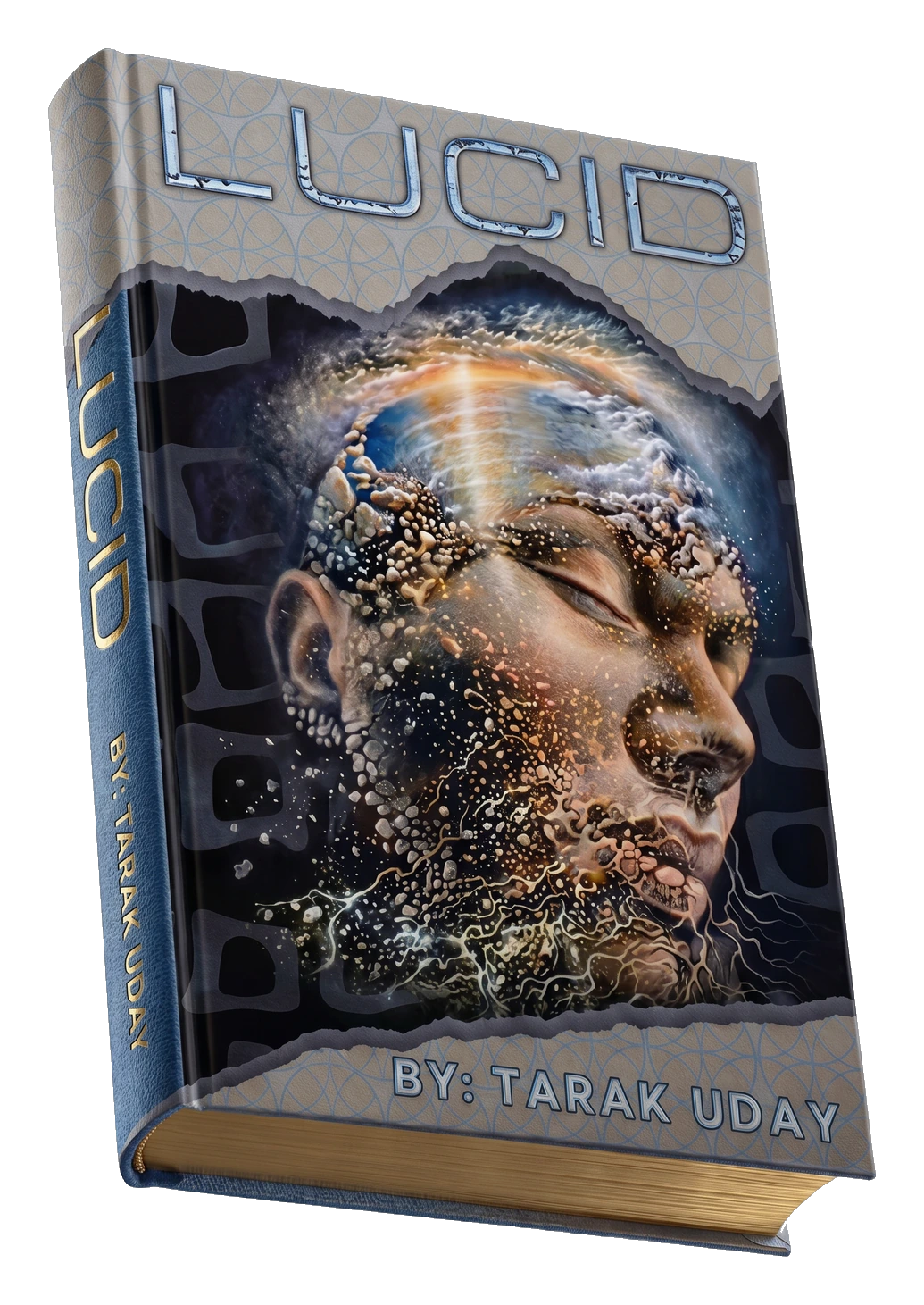
LUCID
You've tried every lucid dreaming technique. Most miss the root cause. LUCID reveals what they all skip.
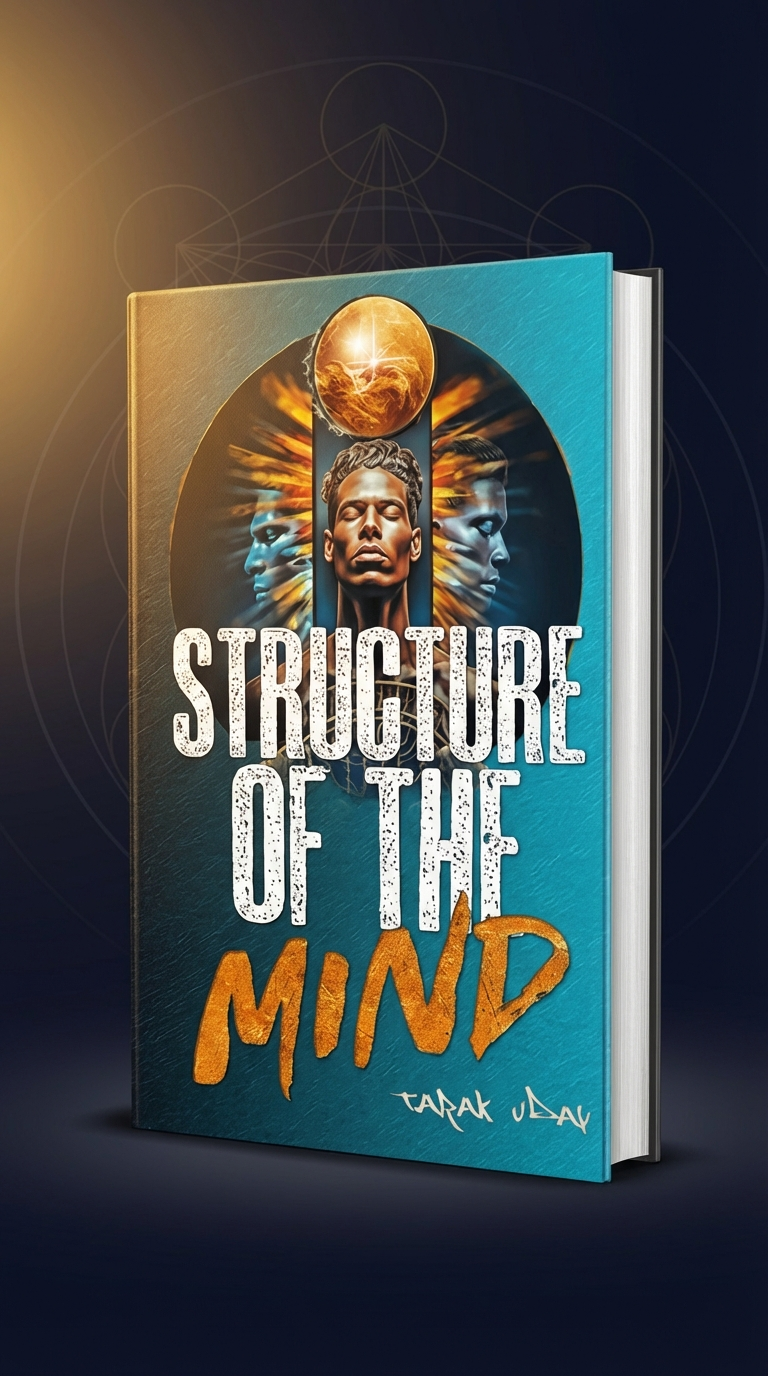
Understand Your Own Mind
"Structure of the Mind" reveals the three divisions of mind, seven levels of consciousness, and powers of mind that most people never learn to develop.