
Hair braids in Dreams: What Your Subconscious Is Really Telling You
Your hair is your conscious thoughts. So what does weaving them into a braid reveal? Here are the ULM mechanics.
So you dreamed about hair braids, and you want to know what it means. Here's the direct answer: in the Universal Language of Mind, braiding hair represents organizing your conscious thoughts. Hair is your conscious thinking. Braiding is the deliberate act of weaving those loose strands into structure. Your subconscious is showing you that you're bringing order to a mind that's been running loose — or it's nudging you to start.
Now hold on, because most people get sent in the wrong direction the second they type this into a search bar. You've probably already read that braids are about "femininity" or "cultural roots" or some tidy little symbol of tradition. Think about that for a second. You had a vivid, multi-sensory experience inside your own subconscious mind, and the best explanation on offer was a greeting-card definition about heritage? That doesn't even begin to touch what's actually happening at the level of mind.
What do hair braids really mean in a dream?
Let's start where it actually starts. Hair, in dream language, is your conscious thoughts. According to the Universal Language of Mind that Tarak Uday teaches, hair grows out of the head — the seat of the mind — and extends outward into the visible world, exactly the way your thoughts start inside and get expressed out through your words and actions. Hair is always growing. You are always thinking. New strands push out the old the same way new thoughts crowd out yesterday's.
So if loose hair is your raw stream of thinking, a braid is what happens when you take three separate strands and weave them into one deliberate pattern. That's the whole symbol right there. Braiding is organizing the thoughts. It's the mind taking scattered, parallel lines of thinking and interlacing them into something coherent, structured, and load-bearing. A braid holds. A loose pile of hair doesn't.
This is a positive, active symbol. It means you're not just letting your thoughts run wild anymore. You're sitting down with them. You're sorting. You're deciding which strand goes where. Braiding takes patience — every strand has to be placed on purpose or the whole thing falls apart — and that patience is exactly what your subconscious is either celebrating in you or asking you to develop. That's the difference between a mind that produces results and one that just spins.
Why does the Universal Language of Mind link hair to your conscious thoughts?
Here's the mechanism, because this isn't poetry — it's structure. Your mind has divisions: the conscious mind that thinks and reasons, the subconscious mind that stores and creates, and the superconscious that holds the blueprint of who you truly are. Conscious thoughts are the seeds. Whatever you think about consistently gets planted into the subconscious, and the subconscious grows it into your lived experience. That's not a metaphor. That's the manifestation pipeline running whether you're paying attention or not.
So hair matters because it's the visible marker of that seed-planting layer. The condition of the hair in your dream is a readout on the condition of your thinking. Long and flowing? Abundant conscious thought. Tangled and matted? Disorganized, colliding thoughts. Being cut? You're clearing out old thinking. And braided? You've moved from raw thought to organized thought — from a mind that merely produces ideas to a mind that arranges them into a usable structure.
And that's why the braiding image is such a specific gift from your subconscious. It's not commenting on your hairstyle. It's giving you a status report on your inner mental discipline. When the same mind that runs your life at night reaches for the image of weaving strands into order, it's telling you something true about how organized — or disorganized — your waking thinking has become. If you've been journaling your dreams, you'll notice braiding tends to show up in seasons when you're consciously trying to get your act together. That's not a coincidence. That's the mind mirroring itself back to you.
What is your subconscious saying when the braid is neat, tangled, unraveling, or cut?
So the base meaning is organizing the thoughts, but the details refine it. This is where you stop reading a generic definition and start reading YOUR dream. Pay attention to the state of the braid, because your subconscious is precise, and it chose that particular condition on purpose.
A neat, tight, well-made braid is affirmation. It's your subconscious confirming that the disciplined work is landing — your thoughts are woven with purpose, and it shows. A loose or half-finished braid is an invitation: you've started organizing but you haven't followed through, and the work is waiting for you to come back to it. A tangled braid, or one you can't seem to finish, is the mind flagging mental clutter — too many competing thoughts, none of them getting sorted, all of them knotting up.
Braiding someone else's hair points to your involvement in organizing another person's thinking — mentoring, parenting, teaching, helping someone bring order to their own mental life. Having your hair braided by someone else suggests you're receiving that ordering influence, letting another perspective help structure your thoughts. And a braid being undone or cut? That's the deliberate release of an organized way of thinking — sometimes a needed clearing, sometimes a warning that structure you worked hard for is coming apart. So don't flatten all of these into one meaning. The braid's condition is the sentence; organizing the thoughts is just the subject.
Stop guessing what your dreams mean
CHITTA decodes your dreams through the Universal Language of Mind — the same framework we just used on your braid dream — so you get the actual mechanics, not a generic dictionary definition.
Decode Your Dream Now →How do you turn a braiding dream into organized thinking while you're awake?
Here's where it gets practical, because a dream you only interpret is half-wasted. The braiding dream is an instruction as much as a description. Your subconscious handed you the image of weaving order into thought — so the response it's asking for is to actually do that, deliberately, in waking life.
Start with stream-of-consciousness writing. Sit down and empty every loose strand of thinking onto the page without editing — every worry, plan, half-idea, and open loop. That's you pulling all the tangled hair out into the open where you can see it. Then comes the braiding: you read back through and start grouping, linking, and sequencing those thoughts into structure. What belongs together? What's the actual priority? What can be cut? That sorting is the waking-life version of the exact act your dream showed you.
Then work the memory exercise the way Tarak Uday teaches it — deliberately recalling your day in reverse, in detail, to train the mind toward order and retention instead of drift. A mind that can hold and organize its own recall is a mind that braids naturally. Over time you stop needing the dream to remind you, because the organizing becomes your default. And here's the payoff the dictionary points to directly: when your thoughts are organized, your actions get more effective and your manifestations get more precise. Organized thinking isn't tidiness for its own sake. It's how a scattered life becomes a directed one.
Does the color, length, or number of braids change the meaning?
So this is where people either get lazy or get precise, and precision is the whole game in the Universal Language of Mind. The base symbol never moves — braiding is organizing the thoughts — but the surrounding details tell you which thoughts and how well the organizing is going. Your subconscious doesn't waste imagery. Every attribute it hands you is carrying information.
Length tracks with the volume of conscious thought you're organizing. A long, heavy braid means you're bringing structure to an abundance of thinking — a full, active mind that finally has a shape. A short, thin braid points to a smaller, more contained set of thoughts being ordered. Neither is better. One is a mind managing a lot; the other is a mind that has narrowed its focus down to a few strands and is disciplining those.
Tarak Uday takes this further in Life Is But a Dream, his guide to reading every dream in the Universal Language of Mind.
Color speaks to the quality and origin of the thoughts. Bright, natural, healthy-colored hair reflects clear, vital thinking. Grey or white braided hair often points to thoughts rooted in accumulated wisdom and experience being put into order — the mind organizing what it has learned. Dyed or unnaturally colored braids suggest thinking you've deliberately altered or dressed up, thoughts shaped by how you want to be seen. And multiple braids at once? That's your mind working several organized lines of thought in parallel — managing more than one structured project or track of thinking at the same time, which is a strength as long as none of them are tangling.
So don't skim past the details next time. The braid tells you the mind is organizing. The color, length, and count tell you what it's organizing and how healthy that thinking is. Read the whole sentence, not just the first word.
So what should you do the next time you dream of braids?
Do three things, and do them the morning the dream is still warm. First, write the dream down before it evaporates — the condition of the braid, who was braiding, how it felt. Second, ask the honest question the dream is really asking: where in my waking life are my thoughts tangled and waiting to be organized? You already know the answer. The dream just made it visible. Third, braid something — pick one area of mental clutter and give it structure that same day. Turn the symbol into an action.
Because that's the entire point of dreamwork in the Universal Language of Mind. Your dreams aren't random and they aren't decoration. They're your own subconscious mind, using a picture-language older than words, showing you exactly where you stand and what to do next. A braid isn't about your hair. It never was. It's your mind telling you it's ready to move from chaos to order — and asking whether you'll pick up the strands. Full stop.
If you want to go deeper on the language your hair is speaking, read the companion piece on what hair means in dreams, then look at why teeth fall out in dreams and what water reveals about your emotions. For the full framework behind all of it, start with the Universal Language of Mind guide.
Your subconscious is talking. Learn its language.
Every dream is a message from your own mind. CHITTA gives you the decoder — built on the Universal Language of Mind that Tarak Uday teaches — so you never have to guess again.
Start Decoding Your Dreams →Written by Tarak Uday, teacher of the Universal Language of Mind and author of Life is But a Dream and Lucid. Tarak has decoded thousands of dreams using the mechanics of mind rather than generic symbolism — and the pattern, as he'll tell you, never changes.

Frequently Asked Questions


Books by Tarak Uday
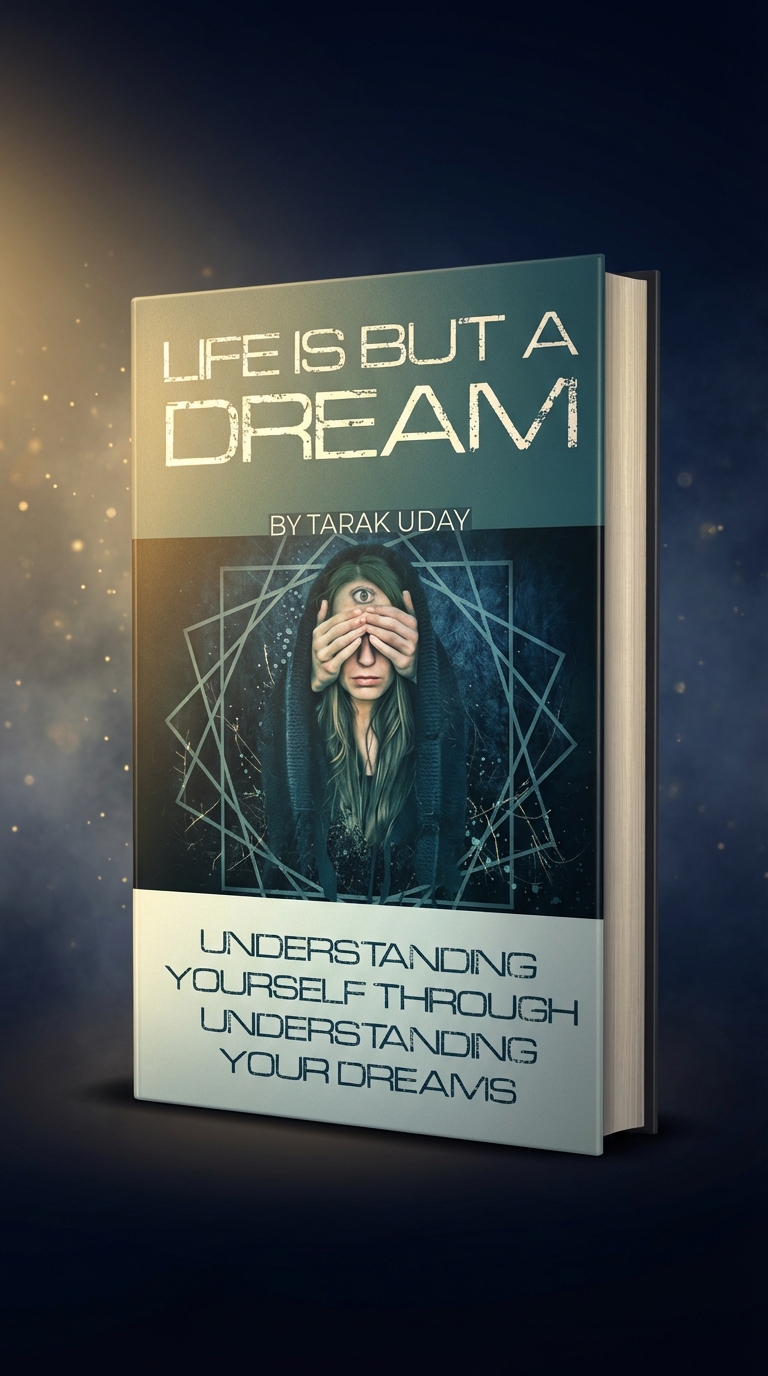
Learn The Language Your Dreams Speak
"Life Is But a Dream" teaches the Universal Language of Mind — how to read any dream symbol by what it is and what it does, so every dream becomes a message you can act on.
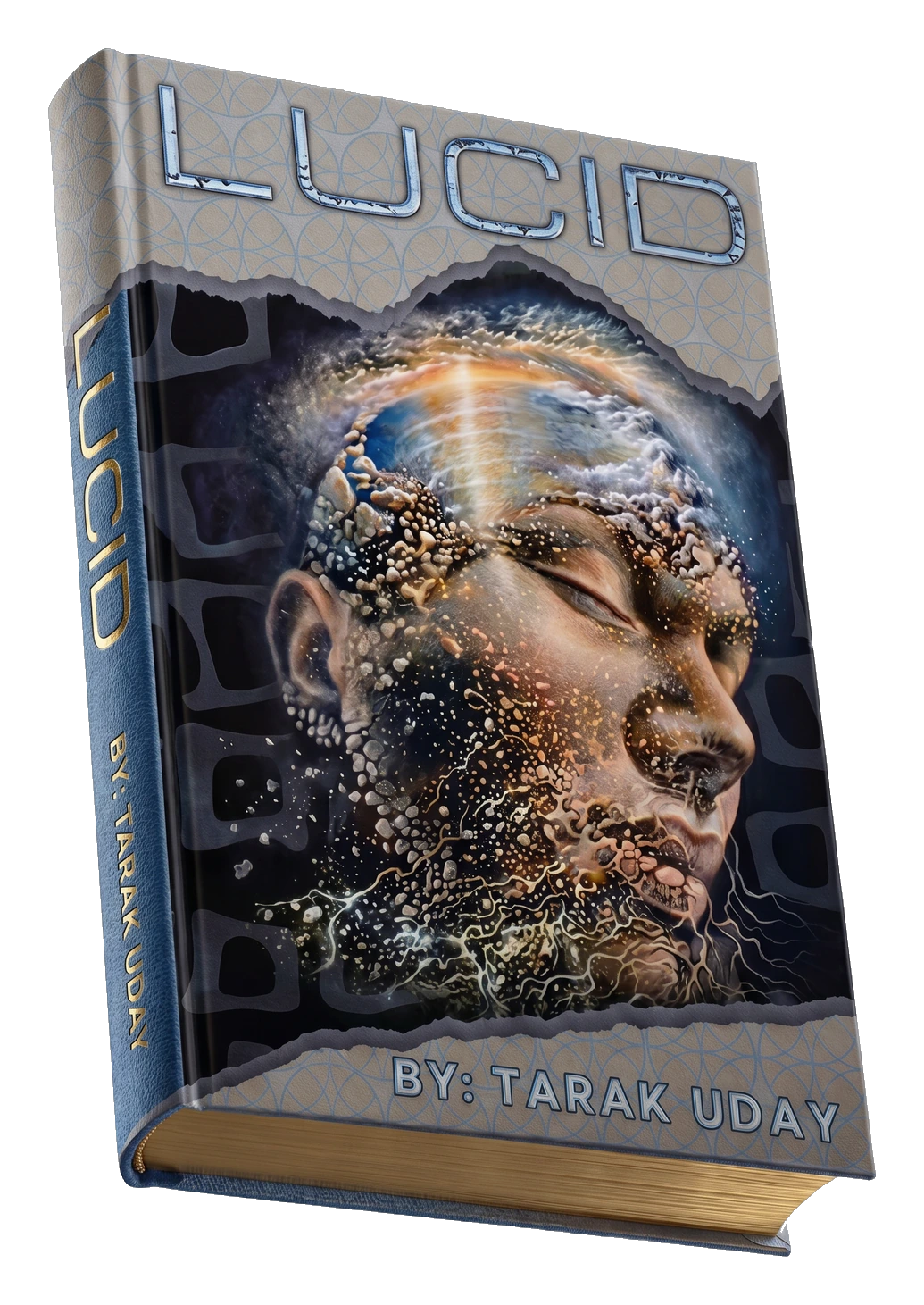
LUCID
You've tried every lucid dreaming technique. Most miss the root cause. LUCID reveals what they all skip.
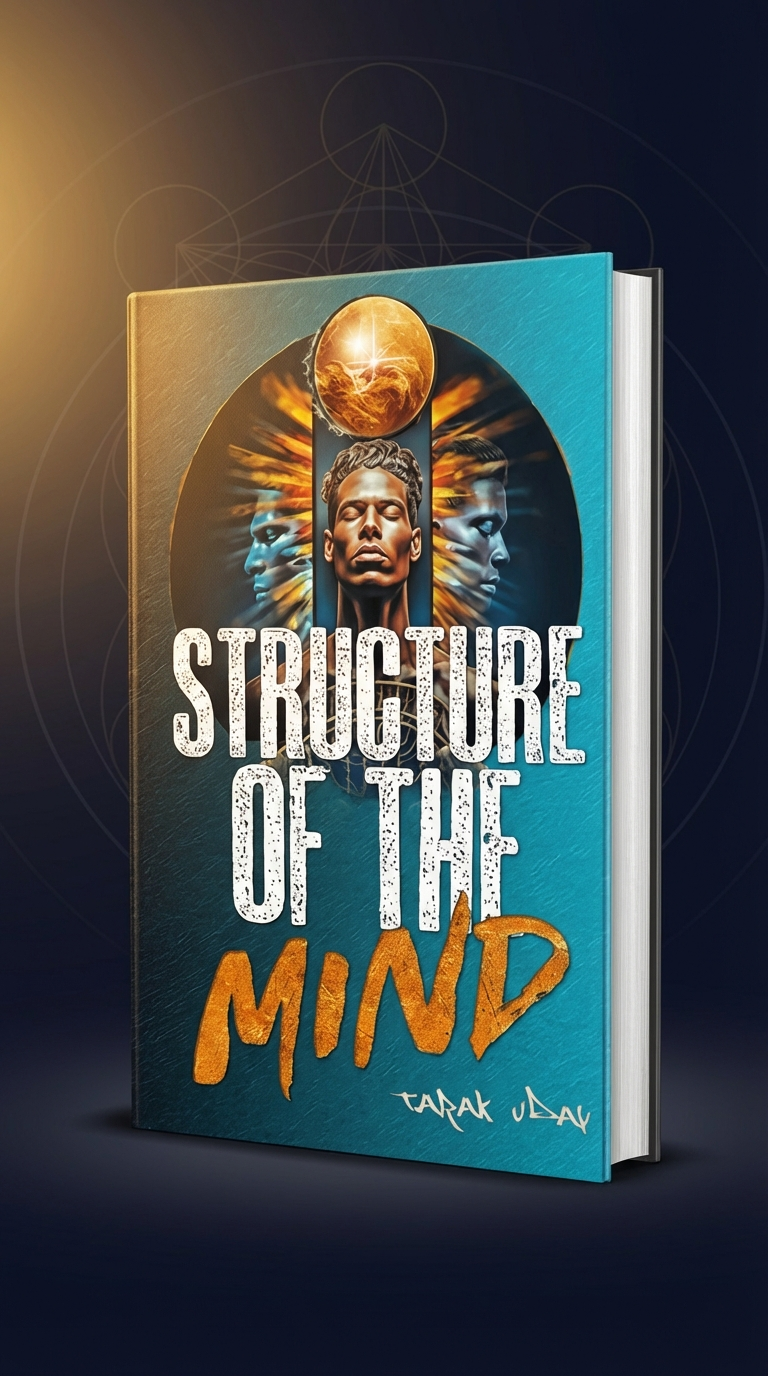
Understand Your Own Mind
"Structure of the Mind" reveals the three divisions of mind, seven levels of consciousness, and powers of mind that most people never learn to develop.