
Tattoo Artist in Dreams: The Self You Made Permanent
The needle was in someone else's hand. The hand was yours.

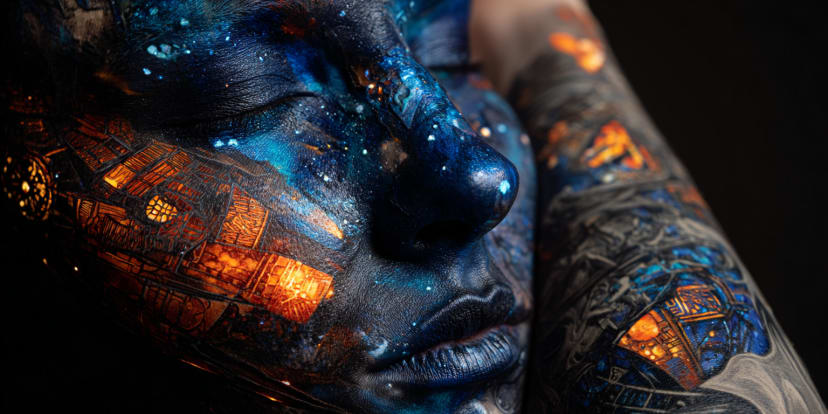
So a tattoo artist showed up in your dream. Needle in hand, ink already mixed, and somewhere in that dream you either sat down in the chair or you didn't.
Here's the direct answer. A tattoo artist in a dream is an aspect of yourself that understands self-expression. It's the part of your own mind that knows how to craft an expression and commit to it permanently. It isn't a stranger, it isn't a warning about getting inked in waking life, and it has nothing to do with what your skin looks like. It's a skill living inside you, showing up as a person.
Why Does Everyone Assume This Dream Is About Wanting a Tattoo?
So the internet will tell you that dreaming of a tattoo artist means you're craving change, or you secretly want a tattoo, or you're afraid of commitment. Sit with that for a second. You had a full multi-sensory experience inside your own subconscious mind — you felt the needle, you smelled the ink, you saw a face — and the best anyone could offer was that you might want a tattoo?
That answer leaves you exactly where you started. Worse, it puts you in the weaker position, because now you're looking outward at your skin instead of inward at your mind. Nothing changes. Nothing moves.
Your subconscious mind doesn't waste a dream telling you something you already know about your body. It doesn't do prediction and it doesn't do decoration. It communicates in pictures, and every picture is a report on the state of your own consciousness. That's the whole point.
According to the Universal Language of the Mind that Tarak Uday teaches, every person who appears in your dream is an aspect of you. Your CHARACTER-istics show up as characters. The boss, the teacher, the stranger, the artist — each one is a part of your own mind wearing a face so that you can finally see it. So when a tattoo artist walks into your dream, an entire capacity inside you just introduced itself.
What Does the Tattoo Artist Actually Represent in Your Mind?
Look at the function, not the form. That's the rule that unlocks every dream symbol, and it's the method Tarak Uday lays out in Life is But a Dream. Don't ask what a thing looks like. Ask what it does.
So what does a tattoo artist actually do? He takes an image that exists only as an idea and moves it out of the invisible and into the visible — permanently. He doesn't sketch. He doesn't erase. He works with precision because there's no undo button. He commits.
That's the function. And that function, in your inner world, is the aspect of you that knows how to express who you are with skill, with intention, and with permanence. Not a mood. Not a phase. A mark.
And notice the dream didn't send you a philosopher to explain expression, or a critic to judge it. It sent a craftsman. Someone whose whole trade is taking what's inside a person and putting it on the outside, cleanly, on purpose, with a steady hand. That's a very particular aspect of you, and it's the one your subconscious mind decided you needed to meet tonight.
The tattoo itself represents self-expression that has become permanent — something you chose to make a lasting part of how you present yourself to the world. The artist represents your capacity to do the choosing. One is the result. The other is the ability.
And here's the part almost nobody catches. In the dream, someone else was holding the needle. It felt like it was being done to you. But that hand was yours. It's always yours. The dream splits you in two so you can stand back and watch yourself work.
What Does It Mean That the Ink Is Permanent?
So this is where the symbol gets sharp, and this is why your subconscious picked a tattoo artist instead of a painter or a photographer.
A painter can paint over it. A photographer can delete the file. A tattoo artist can't take it back. The ink goes under the skin — under the surface you show the world — and it stays. That permanence isn't a side detail. It's the entire message.
Your subconscious mind chose the one artist whose work cannot be undone, because it's talking to you about the expressions you have already made permanent. The identity you decided to wear. The story you've told about yourself so many times that it now lives under your skin instead of on it.
Some of those marks are true. Some of them were inked years ago by a version of you who no longer exists, and you've been walking around wearing an expression that stopped being honest a long time ago.
So the question this dream is asking you is precise. Are the things you've made permanent about yourself actually you? Or did you commit — with real skill, real conviction, real ink — to being someone you've already outgrown?
Your subconscious just handed you a mirror. Read it.
CHITTA decodes your dreams in the Universal Language of the Mind — the same framework Tarak Uday uses to translate every symbol back into the part of you that sent it.
Decode Your Dream NowWhere on the Body Did the Tattoo Go, and Why Does That Matter?
The Dream Symbol Dictionary is specific here, and this is where your dream stops being general and starts being personal. What the tattoo depicts tells you what is being expressed. Where it lands tells you which area of your consciousness that expression belongs to.
An arm carries purpose, so a tattoo on the arm is a permanent expression of your purpose — the thing you have decided your life is for. The chest carries responsibility, so a tattoo on the chest is a permanent expression of what you've taken ownership of. The hands are how you act on the world, so ink there is an expression you've committed to enacting rather than merely believing. The back is what you can't see — an expression you made permanent without ever looking at it directly.
And watch how the artist behaved. Was he calm, precise, unhurried? Then that capacity in you is mature and ready to be used. Was he sloppy, rushed, distracted, working in bad light? Then the part of you responsible for how you present yourself is operating carelessly, and careless work is still permanent work. Was he kind? Was he cold? Every detail is a readout on the condition of that aspect of your own mind, and that's exactly what the Universal Language of the Mind is built to translate.
So run the dream back. Where did the needle go? What was the image? A name, an animal, a word, a symbol you didn't even recognize? Whatever it was, that isn't decoration. That's the content of the expression, and the location is the address it got delivered to.
And if you refused the chair? If the artist was ready and you walked out? Then the aspect of you that knows how to express yourself with skill and permanence is standing right there, fully trained, and you won't let it work.

Bindu says: "You keep waiting for permission to be yourself out loud. The artist in your dream already has the needle ready. You're the one who won't sit down."
What About Regret, Pain, or a Tattoo You Didn't Want?
So a lot of people wake up from this one unsettled, and that emotion is doing real work.
If the tattoo hurt — genuinely hurt — that's honest. Making an expression permanent costs something. You give up the option of staying ambiguous. You give up the safety of being able to say "that was never really me" later on. Pain in the chair is the price of no longer hiding, and your subconscious is telling you it knows the price.
Tarak Uday takes this further in Life Is But a Dream, his guide to reading every dream in the Universal Language of the Mind.
If you regretted it the second it was finished, look at what you've recently committed to out loud. A statement, a role, a version of yourself you announced and now can't quietly retract. That regret in the dream is the same regret, surfaced where you can finally see it.
If someone tattooed you against your will, that's an aspect of you expressing itself without your conscious consent — an identity being written by a part of your mind you haven't been supervising. That isn't a violation from outside. There is no outside. It's an internal expression running unattended, which is exactly the situation the dream showed up to end.
And if you loved it? If you looked in the mirror inside that dream and felt something settle? Then you're being shown a permanent expression that is true, and the dream is confirmation, not correction. Those come too. In years of practice and teaching, the pattern holds every time — the emotion in the dream is the verdict.
How Do You Use This Tattoo Artist Dream in Waking Life?
So here's the bridge, because a dream you only think about is a dream you wasted.
Take one thing about yourself that you have made permanent — a belief, a label, a line you repeat about who you are. Say it out loud. Then ask, honestly, would I ink that today? If yes, good, that mark is real and it's yours. If you hesitate even slightly, you just found an old tattoo you've been wearing out of habit.
Then do the reverse. Find something true about you that has never once been expressed out loud. Never worn, never shown, never committed to. That's the blank skin. That's the reason the artist showed up.
Express yourself deliberately. With the same care and precision a tattoo artist brings to the work. Not loudly. Not for attention. With intention.
Because the aspect of you that understands self-expression isn't asleep, isn't missing, and isn't waiting years to be developed. It walked into your dream fully trained, tools laid out, ready to work. It has been ready this whole time.
Sit down in the chair.
Stop guessing what your dreams mean.
Every dream is a message from your own mind written in the Universal Language of the Mind. CHITTA translates it, symbol by symbol, so you can act on it tonight instead of wondering about it for years.
Decode Your Dream NowTarak Uday is the creator of CHITTA and the author of Life is But a Dream and Lucid, works that restore dream interpretation to a precise science of mind rather than a guessing game of omens. Related reading: the heart in dreams and the boss in dreams.
Frequently Asked Questions


Books by Tarak Uday

Learn The Language Your Dreams Speak
"Life Is But a Dream" teaches the Universal Language of the Mind — how to read any dream symbol by what it is and what it does, so every dream becomes a message you can act on.
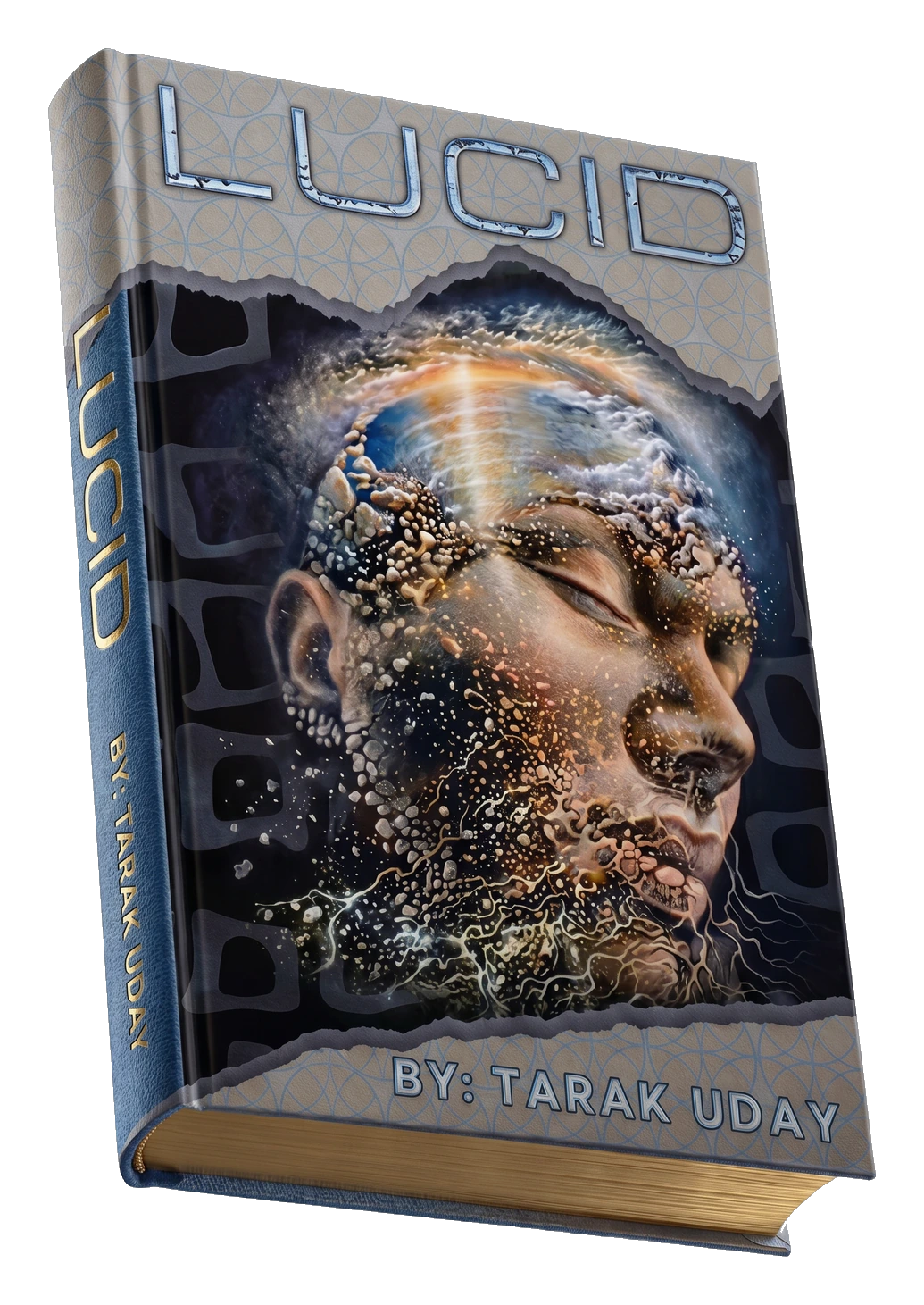
LUCID
You've tried every lucid dreaming technique. Most miss the root cause. LUCID reveals what they all skip.
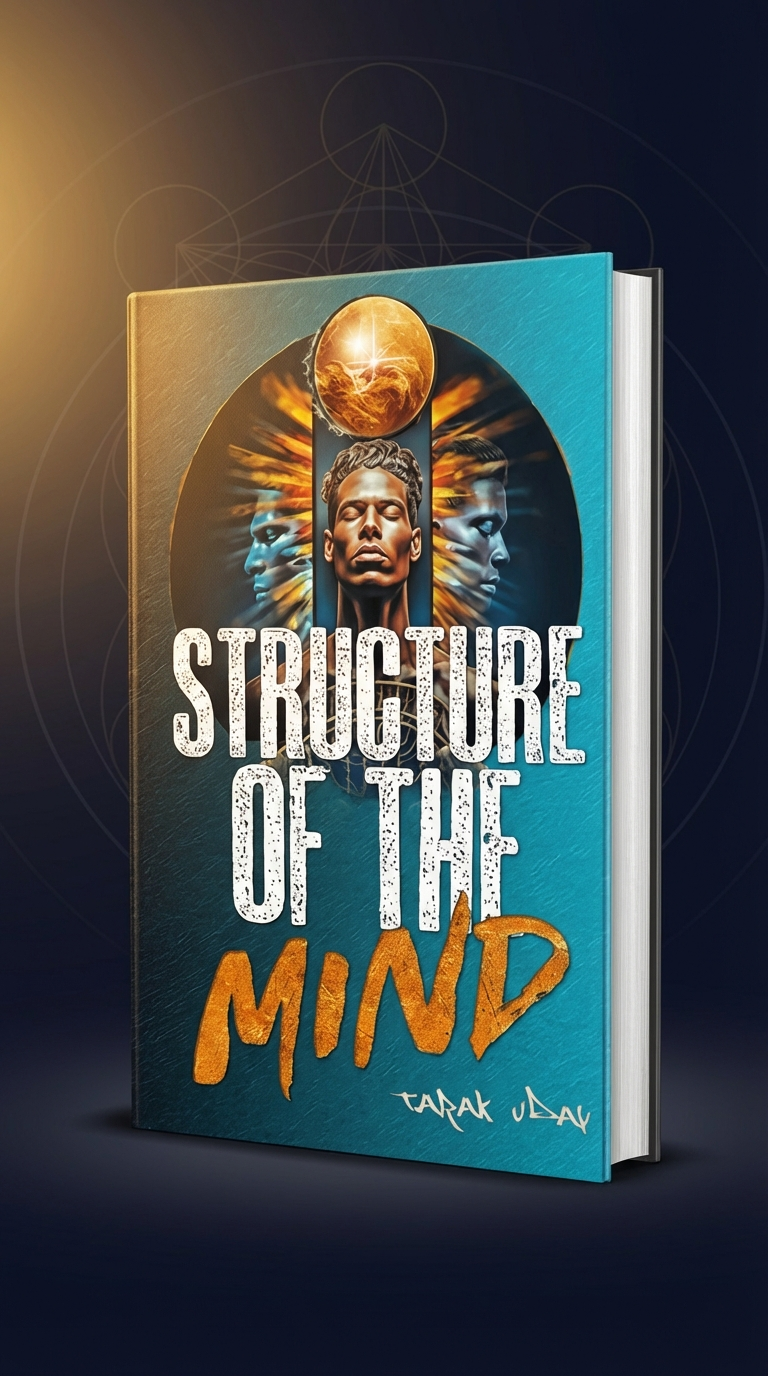
Understand Your Own Mind
"Structure of the Mind" reveals the three divisions of mind, seven levels of consciousness, and powers of mind that most people never learn to develop.