
Why ChatGPT Gives You a Different Dream Interpretation Every Time You Ask
You typed your dream into ChatGPT. It sounded insightful. You asked again the next day. Completely different answer. Here's why — and why it matters more than you think.
You had a vivid dream. You typed it into ChatGPT. The response was impressive — nuanced, psychologically rich, connecting symbols to emotions in ways that felt personal and perceptive.
Then you asked again the next day. Same dream. Word for word. And ChatGPT gave you a completely different interpretation.
The snake that represented "hidden fears" yesterday now represents "transformation and renewal." The water that symbolized "emotional depth" now symbolizes "the flow of your subconscious mind." The house that meant "your sense of security" now means "the different aspects of your personality."
All of these sound reasonable. None of them are consistent. And inconsistency is not a minor flaw in dream interpretation — it's a dealbreaker.
How ChatGPT Actually Works (And Why It Matters for Dreams)
ChatGPT is a large language model. It doesn't "understand" your dream. It predicts the most statistically probable next word based on patterns in billions of documents it was trained on. When you type a dream about water, it pulls from Freudian analysis (water = the unconscious), Jungian analysis (water = emotions), dream dictionaries (water = purification), spiritual texts (water = spiritual cleansing), and pop psychology (water = "going with the flow").
Then it synthesizes whatever combination sounds most coherent for THIS particular request. Tomorrow, different probability pathways activate, and you get a different synthesis.
This is not a bug. It's how the technology works. ChatGPT is designed to generate varied, contextually appropriate text — not to decode using a consistent vocabulary. Asking it to interpret dreams consistently is like asking a jazz musician to play the same solo twice. It's not what the instrument is built for.
The Consistency Test
Here's a test anyone can run in 30 seconds:
- Type a dream into ChatGPT
- Copy the interpretation
- Start a new conversation
- Type the exact same dream
- Compare the two interpretations
They will be different. Not slightly different — fundamentally different. Different symbols highlighted. Different psychological frameworks applied. Different conclusions drawn. Different advice given.
Now ask: which one was correct?
If both sound equally plausible but say different things, neither can be trusted as a reliable decode. You're not receiving a translation of your dream's message. You're receiving two different creative essays ABOUT your dream. Interesting reading. Not actionable guidance.
Why Consistency Is Non-Negotiable
Dream interpretation is not a one-time event. It's a practice — a daily cycle of receiving dreams, decoding symbols, applying messages, and tracking development over time. This practice requires a stable vocabulary, the same way learning any language requires consistent definitions.
Imagine learning Spanish where "agua" means "water" on Monday, "sky" on Wednesday, and "emotion" on Friday. You couldn't learn the language. You couldn't build vocabulary. You couldn't have a conversation.
That's exactly what happens when you use ChatGPT for dream interpretation. The "vocabulary" shifts every session. You can't track what water means across your dreams because the tool tells you something different each time. You can't identify patterns because the pattern recognition has no consistent baseline. You can't apply messages because the messages contradict each other.
What a Framework Provides That ChatGPT Cannot
The Universal Language of the Mind — the framework CHITTA is built on — assigns specific, defined meanings to every dream symbol based on its function in waking reality:
- Water = conscious life experiences — ALWAYS. Not emotions. Not the subconscious. Not purification. The experiences you move through, the same way water is the medium fish move through.
- House = state of mind — ALWAYS. Not security. Not personality. The overall condition of your consciousness, reflected in the condition of the house.
- Snake = creative energy (Kundalini) — ALWAYS. Not hidden fears. Not transformation generically. The specific creative lifeforce that moves through the energy system.
- Animals = habitual thought patterns — ALWAYS. The type of animal specifies the type of habit.
The same dream decoded through this framework today and again in six months produces the same interpretation. Not because the AI is restricted — because the language is defined. The same way "agua" always means "water" in Spanish, water always means conscious life experiences in the Universal Language.
This consistency is what makes a practice possible. You can track water appearing across months of dreams and understand the evolving message about your life experiences. You can identify recurring houses and map the development of your mental state. You can watch the snake's behavior change over time and understand your creative energy's evolution.
None of this is possible with a tool that gives you a different answer every time.
The Life Application Gap
Beyond consistency, there's a second gap ChatGPT cannot fill: life application.
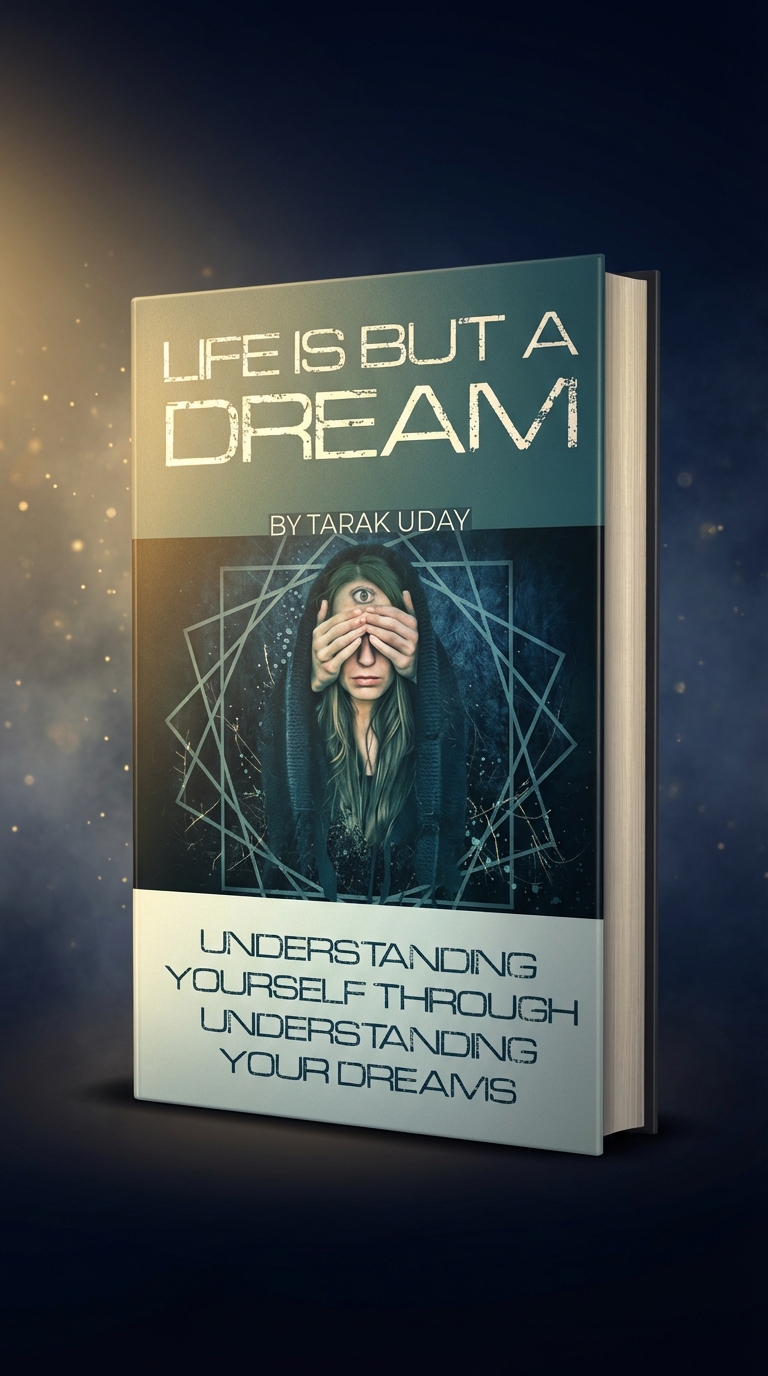
Tarak Uday takes this further in Life Is But a Dream, his guide to reading every dream in the Universal Language of Mind.
Every interpretation through the Universal Language includes a specific connection to the dreamer's waking life — what the dream means FOR THEM, what to change, what to continue, what to pay attention to. The cycle is: receive → decode → apply → receive a new dream in response.
ChatGPT can reflect on your dream. It cannot tell you what to DO about it — because it doesn't have a consistent framework to derive specific guidance from. Without defined meanings, there's no defined action. Without defined action, the interpretation is academic — food for thought that produces no transformation.
When ChatGPT IS Useful for Dreams
ChatGPT is useful as a reflection prompt — a starting point for thinking about your dream. If you've never considered your dreams before, ChatGPT's response might spark curiosity. "Huh, I never thought about water that way." That spark is valuable. It opens the door.
But walking through the door requires a tool that speaks the language consistently. ChatGPT opens doors. A codified framework is what's on the other side.
The Test
Take any dream you've recently had. Type it into ChatGPT twice (in separate conversations). Compare the results. Then type it into CHITTA. Compare THAT result to ChatGPT's two versions.
You'll notice three things: ChatGPT's two versions disagree with each other. CHITTA's version is specific where ChatGPT is vague. And CHITTA tells you what to DO — while ChatGPT tells you what to think about.
One generates reflections. The other decodes messages. The difference is the difference between wondering about your dreams and understanding them.
GO WITHIN>>> OR GO WITHOUT.
Frequently Asked Questions

Books by Tarak Uday
Learn The Language Your Dreams Speak
"Life Is But a Dream" teaches the Universal Language of Mind — how to read any dream symbol by what it is and what it does, so every dream becomes a message you can act on.
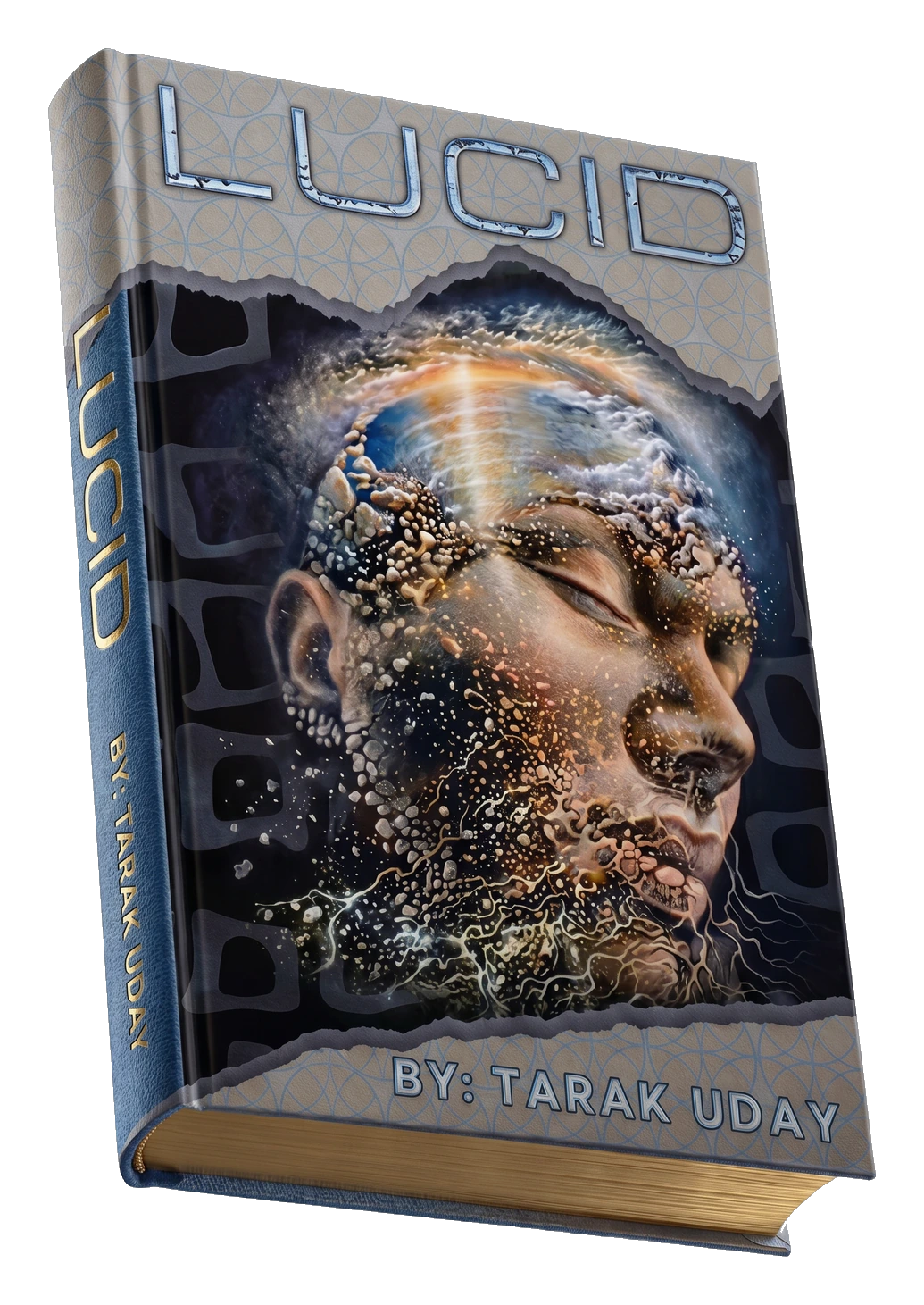
LUCID
You've tried every lucid dreaming technique. Most miss the root cause. LUCID reveals what they all skip.
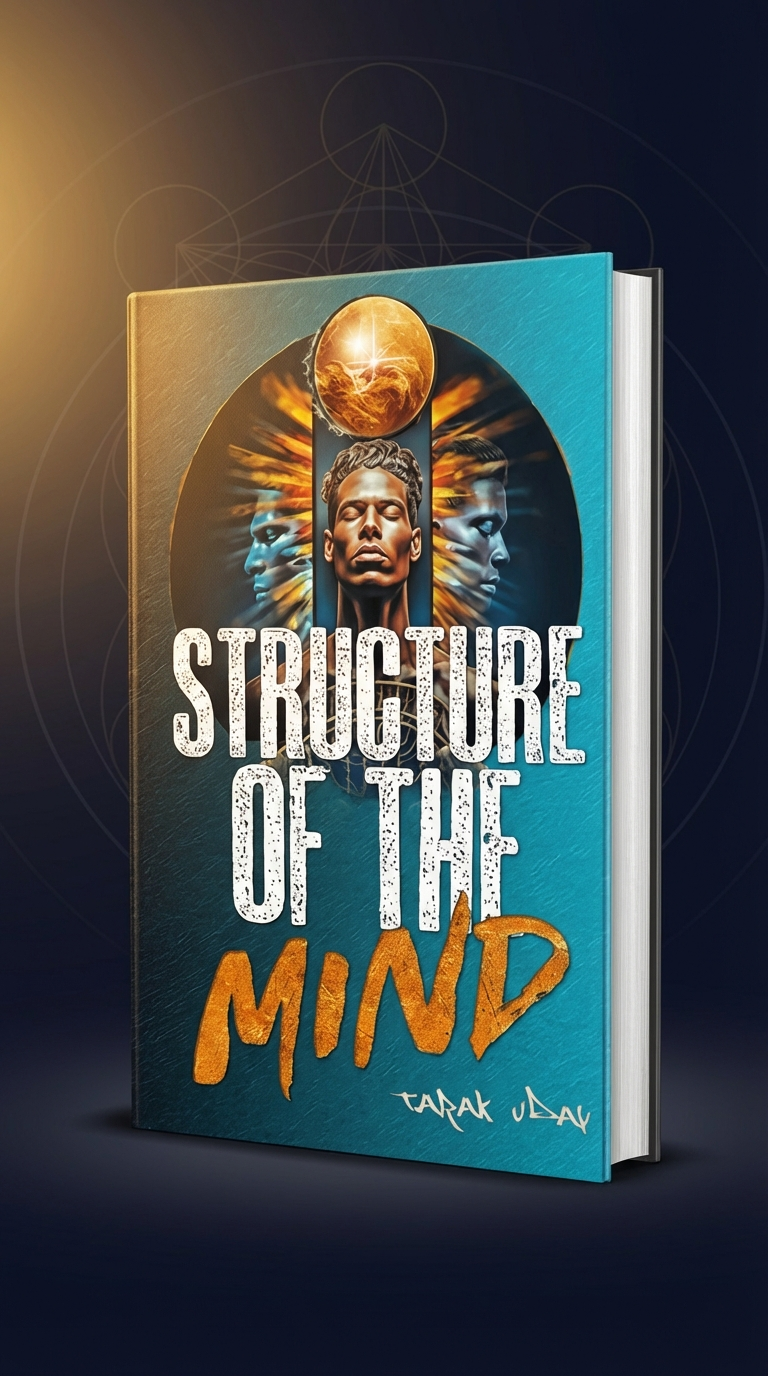
Understand Your Own Mind
"Structure of the Mind" reveals the three divisions of mind, seven levels of consciousness, and powers of mind that most people never learn to develop.