Are Teeth Falling Out Dreams a Sign of Anxiety?
The anxiety theory has the cause and effect backwards. Here's what's really moving.
So you want to know if teeth falling out dreams are a sign of anxiety. Short answer: no, not the way you've been told. Anxiety is real, and you might genuinely feel it, but it's the side effect, not the message. In the Universal Language of Mind, teeth are your tools for assimilating life experiences, and a tooth falling out means an old way of processing your life is breaking down so a new one can grow. The anxiety is just how it feels to have the ground shift under your understanding.

Are teeth falling out dreams a sign of anxiety?
Look, almost every article you'll find says yes, and they've got the relationship backwards. They see that people who have this dream often feel stressed, and they conclude the stress is the cause. But your subconscious doesn't speak in moods. It speaks in pictures with precise functions. The dream isn't a thermometer reading your anxiety level. It's a message, and anxiety is what you feel when you don't yet understand it.
So here's the actual relationship. A way you've relied on to make sense of your life has worn out. Your subconscious shows you that as teeth falling out, because teeth are how you break experience down and absorb it. That change is real and it's happening whether you notice or not. The unease you wake up with isn't the meaning of the dream. It's your conscious mind reacting to a shift it can feel but can't name yet.
Why does everyone connect teeth dreams to anxiety and stress?
So you've probably read that this dream means you're stressed, insecure, or afraid of losing control. Think about why that explanation is so popular. It's easy. It requires no framework. Anyone can look at a distressing dream and say "you must be anxious," and it sounds true because you probably are a little stressed, most people are. But notice what it doesn't do: it doesn't tell you why teeth, specifically. Why not hair, or fingers, or anything else?
That's the tell. A real interpretation has to explain the specific symbol, not just the general mood. The anxiety theory can't. It treats your subconscious like a malfunctioning stress alarm instead of what it actually is, a precise communicator using a consistent language. According to Tarak Uday's Universal Language of Mind, every symbol is chosen for its function. Teeth show up because of what teeth do, not because you happened to feel tense that week.
What are teeth actually telling you in the Universal Language of Mind?
Follow the form and function. Teeth break food down into pieces small enough to absorb. In a dream, food is knowledge, and teeth are the tools you use to make raw experience digestible, to turn what happens to you into something you can actually learn from. So your teeth represent your method of processing life. When they fall out, that method has stopped working.
That's not damage. It's transition. In Tarak Uday's Life is But a Dream, this kind of loss is the normal mechanics of growth, the old has to give way before the new sets in. If the teeth are just loose rather than gone, you're catching the shift even earlier. And if you keep having the dream, it's because the lesson hasn't landed yet. None of that is an anxiety reading. It's a status report on how you're growing.
Get the real message, not a vague mood.
CHITTA decodes your dreams through the Universal Language of Mind, the same form-and-function lens, applied to the exact symbols your subconscious sent you.
Decode Your Dream Now →So if it's not anxiety, why do I wake up feeling anxious?
Good question, and the answer matters. You wake up uneasy because something genuinely changed inside you, and your conscious mind noticed the movement without understanding it. That's unsettling. Imagine feeling the floor shift under your feet in the dark, of course you'd tense up. But the tension is your response to the unknown, not the thing itself.
So the anxiety isn't lying to you, it's pointing at something. It's saying "a piece of how I understand my life just came loose and I don't know what replaces it yet." That's not a disorder to suppress. It's information. The moment you name what actually shifted, the anxiety has done its job and tends to settle. I've decoded thousands of these, and the relief people feel isn't from calming down, it's from finally understanding.
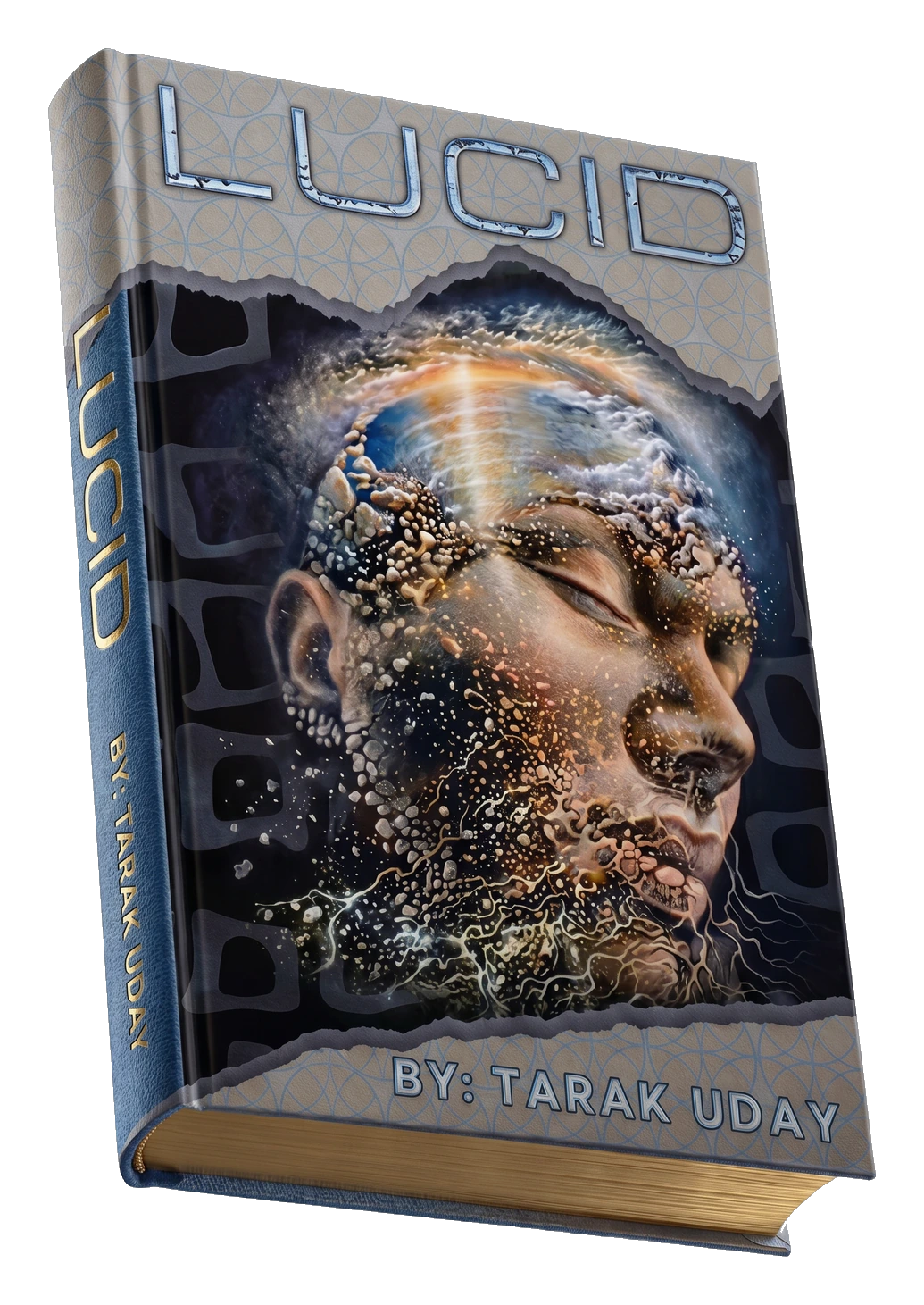
LUCID
You've tried every lucid dreaming technique. Most miss the root cause. LUCID reveals what they all skip. Join the waitlist and get two of Tarak Uday's books while you wait.
What should you do with a teeth falling out dream?
So here's the practical move. Stop treating the dream as a symptom to manage and start reading it as a message to act on. Write it down the moment you wake. Then ask the real question: what way of understanding my life has recently stopped fitting? Where am I trying to chew through a new situation with an old set of teeth?
Name that, and two things happen. The dream's purpose is served, so it tends to stop recurring. And the anxiety, which was only ever your reaction to an un-named change, loses its grip. Read the symbol for its function, act on the function, and you turn what felt like a stress nightmare into a clear instruction for growth.
Stop guessing what your dreams mean.
Every night your subconscious sends you a precise message in the Universal Language of Mind. CHITTA translates it, symbol by symbol, in your own words.
Decode Your Dream Now →