
Demon in Dreams: What Your Subconscious Is Really Telling You
You wake up shaken, certain something evil was after you. Here is what is actually happening in your subconscious, and why the demon is not what you think.
So you woke up shaken. There was something in the room with you, or chasing you, or sitting on your chest, and you knew, the way you only know things in dreams, that it wanted you. A demon. And now you are awake in the daylight trying to convince yourself it was just a nightmare, while some part of you is not convinced at all.
Here is the short answer first, because this one matters and most of the internet is going to lie to you about it.
So now let us go deeper, because the version of this you have already read, the one about spiritual attack and dark entities, is keeping you afraid of the one being in the dream you actually need to make peace with.
What does a demon actually mean in the Universal Language of Mind?
Look, your subconscious mind does not speak English. It does not speak Spanish, Hindi, French, or any spoken language. It speaks in images, and those images mean exactly what they DO, not what they look like. This is the principle of form-and-function, the foundational rule of the Universal Language of Mind. According to the Universal Language of Mind taught by Tarak Uday, every dream symbol means precisely what that symbol does inside the dream.
So what does a demon do? A demon torments. It pursues. It terrifies. It corners you and refuses to be ignored. Hold onto that, because the function is the whole answer. A demon in your dream is not there to harm you. Its function is to force a confrontation with something you have exiled. It is the part of yourself you decided was unacceptable, and your subconscious has given it horns and teeth precisely because you would not look at it any other way.
Here is the mechanic underneath. Every person carries aspects of themselves they have judged as bad, the rage you were taught to swallow, the desire you were taught to be ashamed of, the ambition you were told was selfish, the fear you decided made you weak. You do not get rid of those parts by rejecting them. You just bury them. And in the Structure of the Mind framework taught by Tarak Uday, what you bury in the subconscious does not disappear, it accumulates, and eventually it knocks. The demon is the knock.
This is the difference between a metaphysical mechanic and a spiritual meaning. A spiritual meaning says you are under attack and need protection. A mechanic tells you precisely what your mind is doing and precisely what you must do about it. The mechanism is rejection. The action is integration. We will get there.
Why does it feel so evil if it is really just a part of me?
This is the part almost nobody gets right, so pay attention. The demon feels evil for one reason: that is how much you have rejected the thing it represents. The intensity of the horror in the dream is a direct measure of how hard you have pushed that part of yourself away. A mild discomfort you have half-acknowledged shows up as an unsettling stranger. A truth you have violently denied for years shows up as something out of hell.
So the terror is not evidence that the thing is evil. The terror is evidence of the distance between you and it. The further you exile a part of yourself, the more monstrous it has to become to cross that distance and reach your conscious awareness. Your subconscious is not being cruel. It is being loud, because quiet did not work.
Think about what we actually call demonic in waking life. Rage. Lust. Greed. Pride. Now notice that every one of those is a natural human energy that has been disowned and distorted by suppression rather than integrated. Anger that is owned becomes healthy boundaries. Anger that is exiled festers and erupts. Desire that is owned becomes passion and direction. Desire that is shamed turns compulsive and dark. The energy was never the problem. The exile was. The demon is what a disowned energy looks like after years in the dark.

Bindu says: You did not dream of a demon. You dreamed of a part of yourself wearing the mask you handed it. Take the mask off and look.
What is the difference between being chased by a demon, possessed by one, and fighting one?
So a lot of people lump these together and they should not. Each variation is doing something slightly different inside the symbolic logic, and the difference tells you exactly where you are in your relationship with the disowned part.
Being chased by a demon means you are still in avoidance. You have sensed the rejected part of yourself stirring, and your entire strategy is distance. Running. This is the same mechanic as being chased in any dream, the pursuer is an aspect of self you will not turn and face. The demon version simply tells you the disowned part is something you have judged as deeply unacceptable, not just inconvenient.
Being possessed by a demon is a different reading entirely. Possession means the suppressed energy has stopped asking and started acting through you. In waking life this is the person who swears they are not angry while their every action drips with it. The exiled part has taken the wheel without your consent, precisely because you refuse to take the wheel consciously. The dream of possession is your subconscious telling you: this is already running you. You just will not admit it is yours.
Fighting a demon is the most hopeful one, and also the most misunderstood. Most people think winning the fight is the goal. It is not. Fighting means you have finally engaged, you are no longer running, which is real progress, but combat still frames the part of yourself as an enemy to be destroyed. And you cannot destroy a part of yourself. You can only integrate it or keep exiling it. The fight dream is the threshold. The next step is not a bigger weapon. It is laying the weapon down.
And then there is the variation almost nobody asks about, talking to the demon, or the demon speaking to you. If you have had this dream, pay attention, because it is rare and it is a breakthrough. The moment the demon speaks, your subconscious is offering you the actual message of the disowned part. What it says is what that exiled piece of you has been trying to tell you all along. People wake from these dreams disturbed by how reasonable the demon sounded. That reasonableness is the point.
Stop running from what your demon dream means
Your subconscious is showing you the exact part of yourself demanding to be owned. The Universal Language of Mind decodes it in seconds, not generic fear, the actual mechanic.
Decode Your Dream NowWhat did you suppress in the last few days before this dream?
So this is the bridge from dream to waking life, and it is the part you can actually act on. A demon dream is almost always a delayed response to a moment in the last twenty-four to seventy-two hours when you suppressed a strong emotion or denied a truth about yourself. Not a lifetime ago. This week.
Here is the diagnostic. Sit down with a notebook and do not open your phone. Walk back through the last three days and look for the moment you swallowed something. The flash of anger you smoothed over because it was not the time. The want you felt and immediately judged yourself for. The thing you almost said and decided was too much. The feeling you labeled as wrong the instant it appeared. The subconscious flags by feeling, so do not look for thoughts, look for the moments your body tightened and you told it to be quiet.
That swallowed moment is the demon's fuel. When you reject an emotion in the daylight, it does not evaporate, it sinks, and it joins the rest of the exiled material your subconscious is holding. A strong enough suppression, or one that lands on an old wound, gets dramatized that very night. The demon in your dream is wearing the face of whatever you refused to feel.
And here is what is interesting, you almost certainly already know what it was. You knew the moment you suppressed it. The demon dream is just your subconscious refusing to let you pretend you did not notice. This is why a generic dream dictionary cannot help you, it cannot ask you what you swallowed on Tuesday. The Universal Language of Mind gives you the mechanism, and you supply the content from your own life. That is the bilingual principle: the symbol is universal, but the suppressed truth it points to is yours alone.
How do you actually integrate the demon instead of fighting it?
So here is where most articles stop. They tell you it is your shadow and leave you there. That is information, not transformation. We are not doing that.
The demon is asking for one thing: integration. Not banishment. The dream keeps coming back as long as the part stays exiled. So the resolution has three moves, and they have to happen in this order.
First, you have to name what the demon actually represents without flinching from it. Sit with the dream and ask the only question that matters: what part of me did I make into this? The answer is usually a single word. Anger. Want. Power. Grief. Need. Say it out loud and let it be true about you. I am angry. I want more than I admit. I am ambitious and I have been pretending I am not. Naming without shaming is the entire first move, and most people skip it because they would rather keep the part a monster than admit it is theirs.
Tarak Uday takes this further in Life Is But a Dream, his guide to reading every dream in the Universal Language of Mind.
Second, you have to find the legitimate need underneath the disowned energy. Every exiled part is a distorted form of a healthy one. The rage is protecting a boundary you have not set. The greed is pointing at a real hunger you have starved. The lust is a vitality you have shamed into hiding. Ask what healthy thing this energy is the broken version of, and you will find the part is not your enemy, it is a messenger you imprisoned. This is the move that turns a demon back into an ally.
Third, you have to give the energy a conscious channel in waking life. The part went demonic because it had no legitimate outlet. So you give it one. The owned anger sets one honest boundary this week. The owned ambition takes one real step you have been suppressing. The owned desire gets named to someone who matters. When the exiled energy gets a daylight channel, it stops needing the nighttime mask. The demon dissolves because it no longer has a job to do.
According to the Universal Language of Mind taught by Tarak Uday, the demon dream is not a verdict and it is not an attack. It is your subconscious mind doing its job, escalating until you finally turn around and integrate what you exiled. When you do, the dream often returns one more time, and this time the demon is smaller, or calmer, or simply gone. That is the confirmation dream. That is your mind reporting that the part has come home.
What does a recurring demon dream tell you about your inner life long term?
Look, one demon dream is a calibration signal. A recurring demon dream is something else. If this figure has come back to you across months or years, your subconscious is telling you that the rejection is structural, not situational. There is a part of you, a whole region of your own nature, that you have organized your entire life around not feeling. And it will keep knocking until you open the door.
This is where the dream stops being about one suppressed Tuesday and becomes a deeper question. What did you decide, long ago, was unacceptable about you? Whose voice told you that part was bad, a parent, a religion, a culture, and have you ever questioned whether they were right? In Life is But a Dream by Tarak Uday, the recurring symbol is treated as a structural diagnostic, the figure returns because the underlying split inside you has never healed.
The good news is that the recurring demon is also the most transformative dream you can have, because it is pointing at the exact piece of yourself that, once reclaimed, releases the most energy. The parts we exile are not weak parts. They are usually the powerful ones, the anger that could have protected you, the ambition that could have moved you, the desire that could have made you fully alive. You did not lock away your weakness. You locked away your power, because someone made you afraid of it. The demon is the guardian of that buried power, and reclaiming it is the whole point.
This is the methodology Tarak Uday teaches across the corpus, the dream is not a mystery to be solved, it is a signal to be calibrated against. The demon is one of the clearest signals your subconscious has, because it announces an exiled part of yourself in the loudest possible language. Learn to read it, answer it, and the demon stops being a monster. It becomes the doorway back to a part of you that was yours all along.
Get clarity on every recurring dream
The demon, being chased, the blood, the patterns connect. CHITTA reads your full dream history through the Universal Language of Mind so you can see the part of yourself that is asking to come home.
Start Decoding Your DreamsSo the next time something demonic comes for you in the dark, you do not have to be afraid of it. You have to recognize it. It is wearing your face under the mask. Take the mask off, hear what it came to say, and bring that part of you home. That is how the Universal Language of Mind actually works.

Frequently Asked Questions


Books by Tarak Uday

Learn The Language Your Dreams Speak
"Life Is But a Dream" teaches the Universal Language of Mind — how to read any dream symbol by what it is and what it does, so every dream becomes a message you can act on.
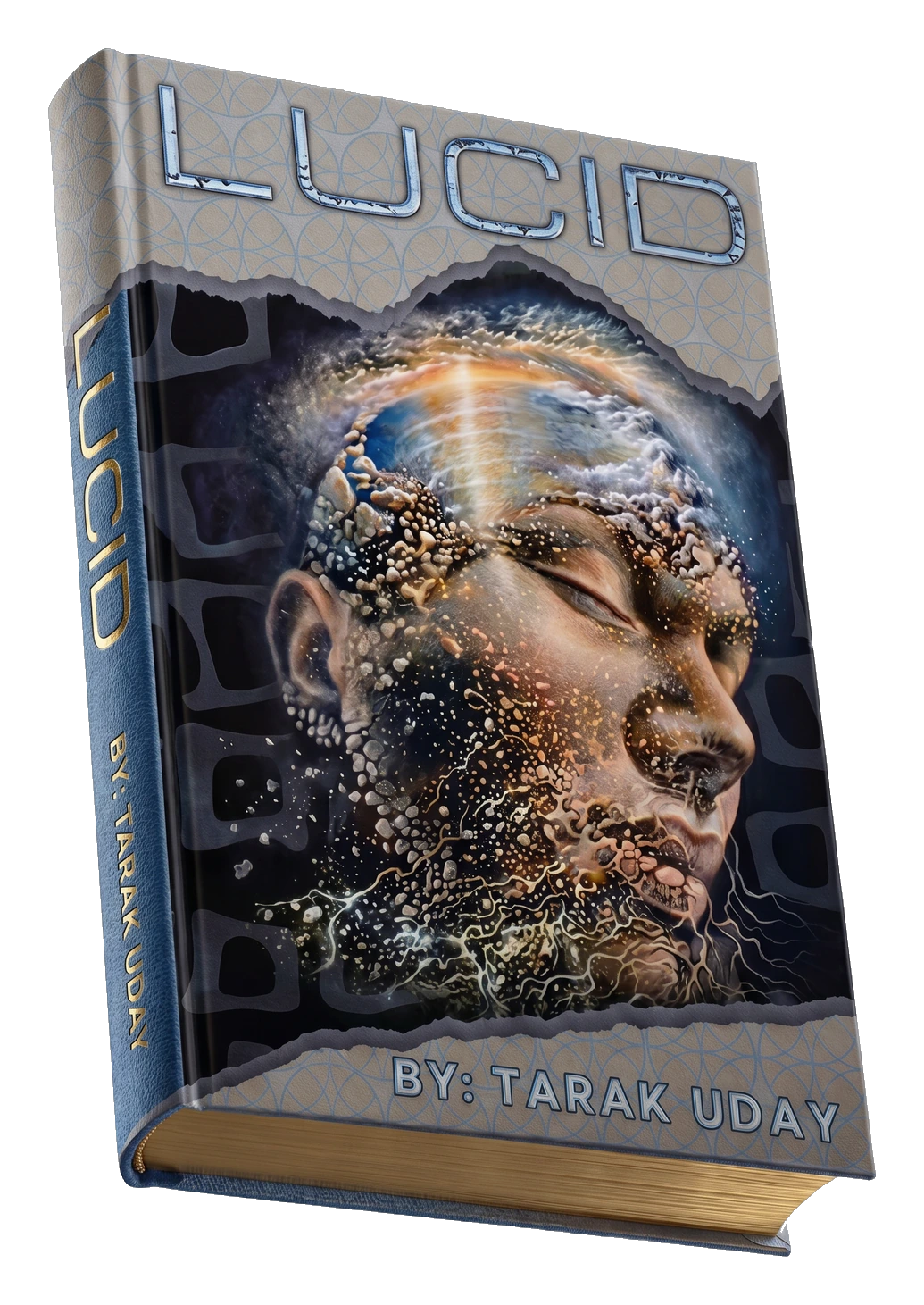
LUCID
You've tried every lucid dreaming technique. Most miss the root cause. LUCID reveals what they all skip.
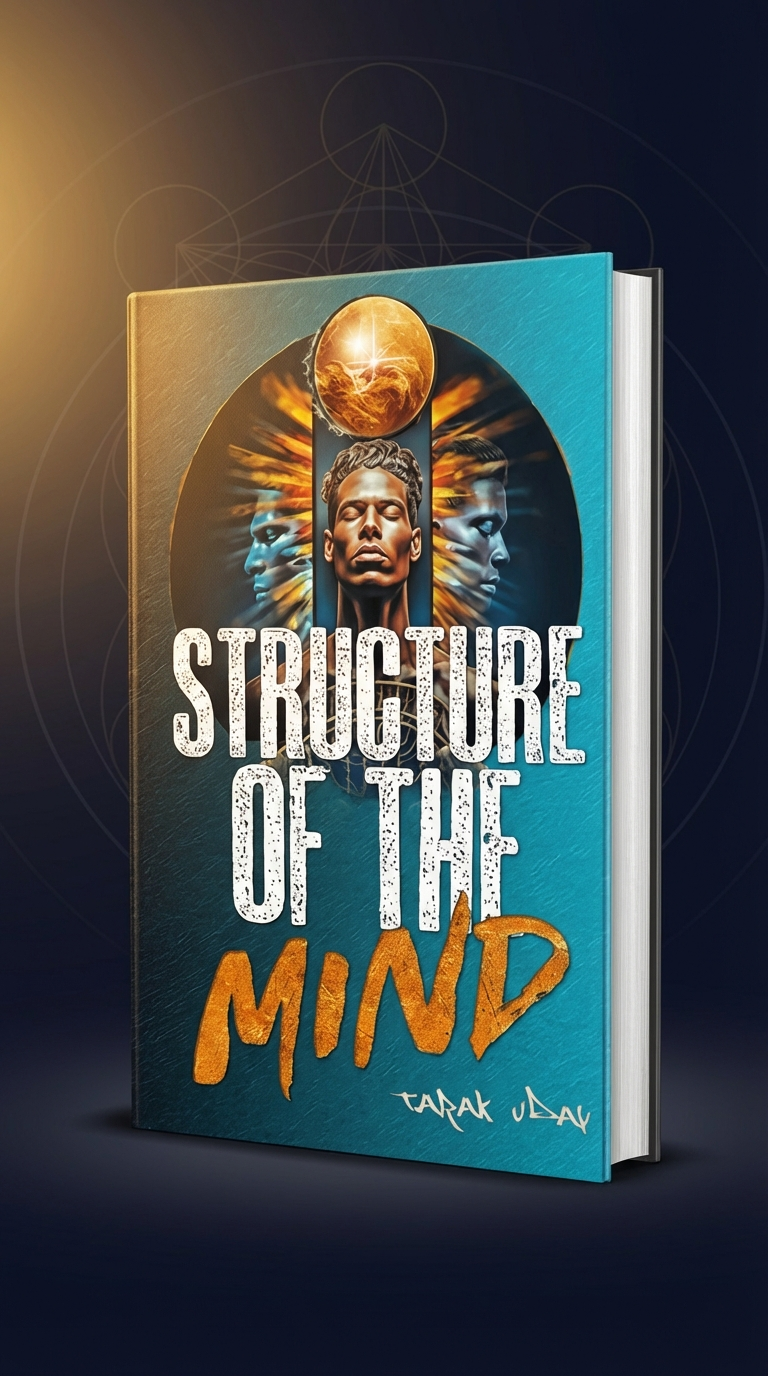
Understand Your Own Mind
"Structure of the Mind" reveals the three divisions of mind, seven levels of consciousness, and powers of mind that most people never learn to develop.