Lucid Dreaming vs Astral Projection Explained
Same destination. Different doors. One you stumble into. The other you walk through with eyes wide open. Here's the real distinction.
This is the most asked question in every lucid dreaming and astral projection community on the internet. And the answers people get are usually wrong — because they come from practitioners who have experienced one but not the other, or from theorists who have experienced neither.
Here is the answer from someone who has done both extensively, and who teaches both as part of a unified consciousness development system.
The Two Doors
Door 1: Lucid Dreaming (Wake Back to Bed)
You fall asleep. Your consciousness shifts into the subconscious levels and begins dreaming. At some point — through dream recall practice, reality checking, or the Wake Back to Bed method — you REALIZE you're dreaming while still inside the dream.
The key moment: there was a GAP. You fell asleep unconsciously. Your consciousness crossed from waking to dreaming without your awareness. Then awareness kicked in AFTER you were already inside. You intercepted a process already in motion.
Think of it like waking up in the backseat of a moving car. You don't know how you got there. You don't remember the drive starting. But you're here now, and you can look around, interact, and — with enough concentration — take the wheel.
Door 2: Astral Projection (WILD Technique)
You lie down. You remain conscious as your body falls asleep. You witness every checkpoint — the body test signals, sleep paralysis, the hypnagogic sounds and visions, the vibrational stage, and the exit. There is NO break in consciousness. You are aware of the ENTIRE transition from physical waking state to operating within the subconscious levels of mind.
Think of it like driving the car yourself from the starting point. You turned the key. You pulled out of the driveway. You drove every mile. You know exactly where you are because you watched every turn. There was no gap. No blackout. No waking up in the backseat wondering what happened.
Same Destination, Different Awareness
Here's what most people miss: the place you arrive at is the same. Both lucid dreaming and astral projection occur within the subconscious levels of mind — the fourth dimension. The environment is generated by the same consciousness. The symbols mean the same things. The Universal Language of the Mind applies equally to both.
The difference is what you BRING with you through the door.
The lucid dreamer who becomes aware mid-dream carries the awareness they managed to generate AFTER crossing the threshold. It's often partial — moments of clarity that fade, excitement that destabilizes, awareness that flickers. This is why stabilization techniques are so important for lucid dreamers — they're fighting to maintain awareness that was achieved after-the-fact.
The astral projector who remained conscious through the entire transition carries FULL awareness from the waking state. There was no gap to recover from. No moment of unconsciousness to overcome. The awareness is continuous and typically stronger, more stable, and more controllable than what a lucid dreamer achieves.
This doesn't make astral projection "better." It makes it different. And harder. And more demanding of the foundational skills.
The Spectrum — Not a Wall
Most practitioners and online sources treat lucid dreaming and astral projection as two separate categories with a hard boundary between them. That's not accurate.
In practice, it's a spectrum. On one end: a brief flash of "wait, I'm dreaming" that lasts three seconds before you lose it. On the other end: a fully conscious WILD exit with complete awareness, stability, and control. Between those extremes exists a continuous gradient of consciousness depth.
A lucid dream can DEEPEN into something that feels like a full projection — greater clarity, more vivid sensory detail, stronger sense of being "outside" the physical body. This happens when the dreamer's concentration is strong enough to sustain deep awareness. The experience shifts from "I know I'm dreaming" to "I am HERE, fully, with every sense engaged, and this is more real than waking life."
Similarly, a WILD attempt can "soften" into a lucid dream — the practitioner falls asleep during the process, loses the thread of consciousness briefly, and finds themselves inside a dream already in progress but aware. The entry wasn't fully conscious, but the result is lucid dreaming rather than unconscious sleep.
The boundary between the two is fluid, not rigid. The determining factor is the DEPTH and CONTINUITY of your awareness — which is directly built by concentration training.
What Each Requires
Lucid Dreaming (WBTB) requires:
- Strong dream recall (the memory exercise)
- The ability to recognize dream content as a dream (developed through dream journaling and interpretation)
- Enough concentration to maintain awareness once lucidity is achieved
- The 45-day foundation of memory, concentration, visualization, and dream work
Astral Projection (WILD) requires everything above PLUS:
- The ability to remain still while the body sends test signals urging you to move
- The emotional control to experience sleep paralysis without fear
- The concentration to hold awareness through intense hypnagogic sounds, visions, and vibrations
- The willpower to hold steady through the vibrational stage when it feels like your heart is about to explode
- Energy body activation techniques to facilitate the separation
- At least two weeks of successful WBTB practice first
This is why the recommended progression is always: Foundation → WBTB → WILD. Lucid dreaming is learning to walk. Astral projection is learning to run. You don't skip walking.
What the Experience Is Like — Side by Side
Entry
Lucid dream: You're inside a dream. Something triggers awareness — a dream sign, an impossibility, a habit of questioning. "Wait. This is a dream." Sudden shift in perspective. The dream doesn't change — your relationship to it does.
Astral projection: You witness the full transition. Body signals. Paralysis. Sounds — electronic, metallic, the trumpets of scripture. Vibrations roaring through your body. Heart center racing. Then — release. Silence. Clarity. You're out.
Clarity
Lucid dream: Variable. Can be foggy or vivid depending on how much awareness you managed to generate. Often fluctuates — clear one moment, hazy the next. Requires active stabilization.
Astral projection: Typically immediate and intense. Colors often more vivid than physical sight. Edges sharper. Light has a quality physical light doesn't possess. The clarity is a direct result of carrying full waking awareness into the experience.
Stability
Lucid dream: Fragile at first. Excitement destabilizes. Passivity dissolves. Fear snaps you back. Requires constant engagement — touching surfaces, speaking aloud, looking at hands.
Astral projection: More stable because the awareness foundation is stronger. Still requires engagement — but less desperately. The experience has more inherent solidity because there was no gap in consciousness to recover from.
Control
Lucid dream: Depends on concentration strength. Beginners can observe but struggle to direct the dream. With practice, movement, environment shifting, and conscious transformation become possible.
Astral projection: Greater inherent control because awareness is fuller. The practitioner who entered consciously typically has more immediate command of movement, navigation, and interaction.
Tarak Uday takes this further in LUCID, his book on becoming aware inside the dream.
Duration
Both: Directly proportional to concentration strength. The candle exercise determines how long you can sustain either experience. No shortcut for this.
Which Should You Practice?
Start with lucid dreaming. Always. The Wake Back to Bed method is more accessible, produces results faster, and builds the exact skills you need for astral projection. Every successful lucid dream strengthens the concentration, emotional control, and inner-world navigation ability that WILD demands.
Progress to astral projection when: You've had multiple successful lucid dreams. You can maintain lucidity for sustained periods. You can navigate the dream environment without destabilizing. You're comfortable with the idea of sleep paralysis and hypnagogic phenomena. And you've been practicing the foundation exercises consistently.
The progression isn't a suggestion — it's the architecture of how consciousness development works. Walking before running. Each stage prepares you for the next.
Why the Distinction Matters
The distinction matters for one reason: it tells you what to train.
If you want lucid dreams, focus on dream recall, dream journaling, reality awareness during the day, and the WBTB method. Your primary limitation is recognizing when you're dreaming.
If you want astral projection, focus on concentration endurance, emotional regulation, energy body awareness, and the ability to remain still and aware as your body shuts down. Your primary limitation is maintaining consciousness through the transition.
Both require the 45-day foundation. Both benefit from dream interpretation using the Universal Language of the Mind. Both become more meaningful when you understand what to do once inside. And both ultimately serve the same purpose: direct access to the inner levels of your consciousness for genuine self-mastery.
Two doors. Same house. The house is your own mind. And both doors are open to you.
GO WITHIN>>> OR GO WITHOUT.

Frequently Asked Questions


Books by Tarak Uday
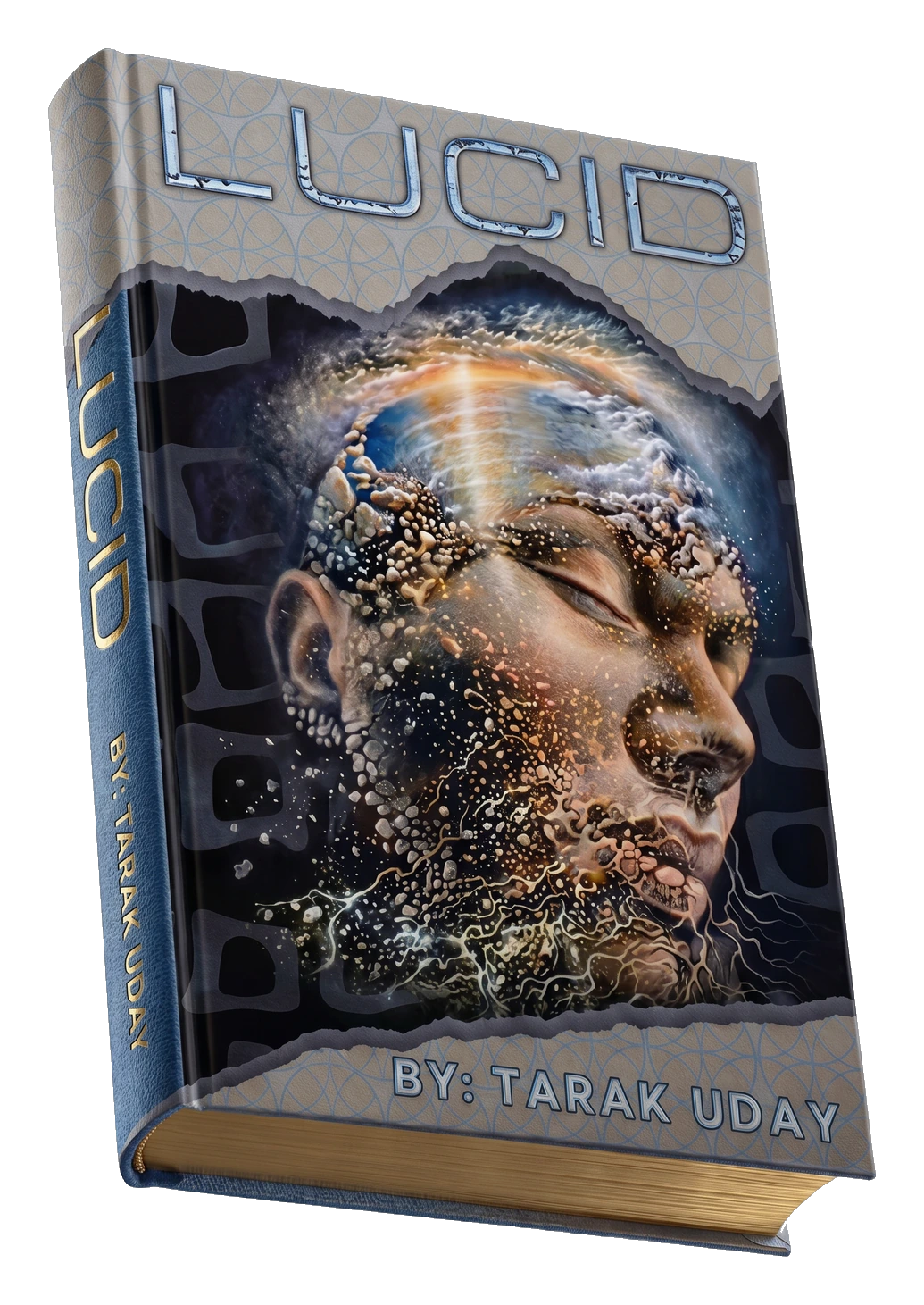
LUCID
You've tried every lucid dreaming technique. Most miss the root cause. LUCID reveals what they all skip.

Learn The Language Your Dreams Speak
"Life Is But a Dream" teaches the Universal Language of Mind — how to read any dream symbol by what it is and what it does, so every dream becomes a message you can act on.
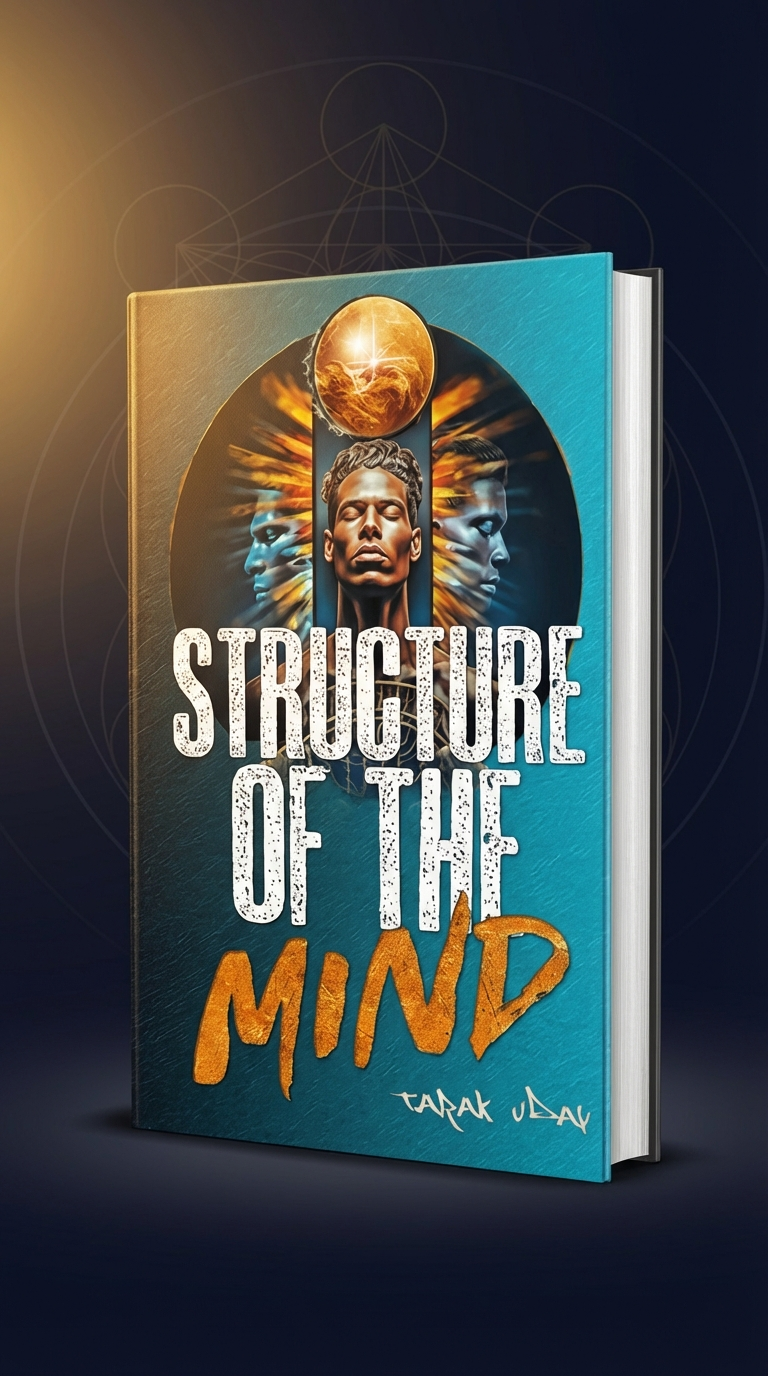
Understand Your Own Mind
"Structure of the Mind" reveals the three divisions of mind, seven levels of consciousness, and powers of mind that most people never learn to develop.