
Dog Dreams: What Your Loyal Companion Really Means in Dream Interpretation
Discover how dogs in dreams reveal your mental habits and unconscious thought patterns according to the Universal Language of Mind.
Dogs in dreams represent mental habits and habitual thoughts in the Universal Language of Mind. These are the automatic thought patterns that have become so deeply ingrained in your consciousness that they operate without your conscious direction or choice.
Dogs appear in approximately 30% of all animal dreams, making them one of the most frequently reported dream symbols worldwide. Research by dream scientist Deirdre Barrett shows that domestic animals like dogs rank among the top ten most common dream themes across all cultures.
Most dream dictionaries will tell you dogs represent loyalty, friendship, or protection. Psychology might suggest they're your "inner companion" or reflect relationships with others. But these interpretations miss the mark entirely. The Universal Language of Mind reveals that dogs — like all animals in dreams — represent something far more fundamental: the habitual thoughts that shape your daily experience.
What Does a Dog Really Mean in the Universal Language of Mind?
To understand what dogs mean in dreams, you need to look at their form and function. A dog IS a domesticated animal that has been bred for specific traits over thousands of years. A dog's primary FUNCTION is loyalty, companionship, and service to humans through learned behaviors and conditioning.
This function reveals the meaning. Dogs represent mental habits because habits are exactly like domesticated animals — they're thoughts that have been "trained" through repetition until they automatically serve you (or sometimes work against you). Just as a dog responds to commands without conscious decision-making, your mental habits operate automatically in your consciousness.
These aren't the thoughts you consciously choose to think. These are the patterns that have become so familiar they run in the background of your mind. "I'm not good enough," "I need more money," "People don't understand me" — these kinds of repetitive thoughts become mental habits that shape your entire experience of reality.
Dogs in dreams represent your mental habits — the automatic thought patterns that operate in your consciousness without conscious direction, just like a trained dog responds without thinking.
What Are the Most Common Dog Dream Scenarios — and What Do They Mean?
What Does It Mean When You Dream About a Friendly, Loyal Dog?
A friendly dog represents positive mental habits that are serving your growth and well-being. These are habitual thoughts that support you, like "I can figure this out" or "I learn from my mistakes." The dog's loyalty reflects how these thoughts consistently show up for you when you need them.
Pay attention to what the friendly dog is doing in the dream. Is it playing? That suggests your positive mental habits bring joy and lightness to your experience. Is it protecting you? Your supportive thought patterns are defending you against negativity.
What Does It Mean When a Dog Attacks or Bites You in a Dream?
An attacking dog represents destructive mental habits that are harming your consciousness. These are negative thought patterns that have become so automatic they're "biting" you — causing real damage to your peace of mind and self-image.
The attack shows these habits aren't serving you anymore. They might have developed as protection mechanisms, but now they're turning against you. Common examples include habitual self-criticism, automatic worry, or reflexive anger responses.
What Does It Mean When You Dream About a Lost or Stray Dog?
A lost dog represents mental habits that are wandering without direction or purpose. You've developed thought patterns that aren't connected to your conscious goals. They're operating independently, neither helping nor harming, just taking up mental energy.
Finding or helping a stray dog indicates you're becoming aware of these disconnected habits and ready to either integrate them purposefully or let them go entirely.
What Does It Mean When You Dream About Training a Dog?
Training a dog represents your conscious effort to develop new mental habits or modify existing ones. You're actively working to condition your mind to respond differently to situations. This is one of the most positive dog dreams you can have.
The success or difficulty of the training reflects how well you're progressing in reshaping your habitual thoughts. A dog that learns quickly shows you're effectively changing old patterns. A stubborn dog indicates resistance from deeply ingrained habits.
What Does It Mean When You Dream About a Sick or Dying Dog?
A sick dog represents mental habits that are weakening or no longer viable. Old thought patterns that once served you are breaking down, making room for new ones to develop. This isn't necessarily negative — it's often a sign of growth.
A dying dog indicates the complete transformation of a mental habit. Something that was once automatic in your thinking is coming to an end, freeing up that mental energy for more conscious, purposeful thoughts.
What Is Your Dog Dream Trying to Tell You About Your Life?
To understand what your dog dream means for your life, examine the day or two before you had the dream. What mental habits were operating? Were you caught in automatic thinking patterns — positive or negative?
Remember that consciousness is dual in dreams. The PLACE where you encounter the dog represents your state of mind. Are you at home (familiar mental territory), outside (exploring new mental ground), or somewhere chaotic (confused mental state)? The ACTIVITIES — what you and the dog are doing — represent the content of your consciousness, the specific thoughts and mental processes occurring.
Ask yourself these specific questions: What thoughts have I been thinking automatically without choosing them? Are these mental habits serving my growth or hindering it? Which thought patterns need training, and which need to be released entirely?
"Most people live their entire lives governed by mental habits they never consciously chose. The subconscious mind uses dreams to show us these patterns so we can decide which ones deserve our attention and which ones need to be transformed."
— Tarak Uday, Structure of the MindThe goal isn't to eliminate all mental habits — that's impossible and unnecessary. The goal is to become conscious of them so you can cultivate habits that support your highest potential while releasing those that limit you.
Why Does the Universal Language of Mind Get This Right When Other Systems Don't?
Freudian analysis might interpret your dog dream as repressed sexuality or childhood trauma. Jungian psychology could see it as your "shadow self" or anima/animus projection. Generic AI dream dictionaries offer contradictory meanings depending on the dog's breed, color, or your personal associations.
These approaches produce inconsistent results because they're based on personal psychology rather than universal principles. The Universal Language of Mind, developed over 5,000 years in the ancient mystery schools, interprets symbols by their universal form and function — what they ARE and what they DO in physical reality.
This system works because mental habits operate the same way for every human being, regardless of culture, personal history, or individual circumstances. The APPLICATION is personal — which specific habits you need to examine — but the MEANING is universal.
Dogs in dreams always represent mental habits and automatic thought patterns. Other interpretation systems focus on external relationships or personal associations, missing the dream's real message about your internal mental conditioning.
How Can You Use This Knowledge to Transform Your Mental Habits?
Once you understand that your dog dreams are highlighting mental habits, you can take conscious action. Start by practicing concentration — the ability to direct your attention purposefully rather than letting it wander into automatic patterns.
When you catch yourself in a habitual thought, pause and ask: "Did I choose to think this, or is this just an old pattern running?" This simple awareness is the first step in transforming unconscious habits into conscious choices.
Remember, according to Tarak Uday's research in "Life is But a Dream," the subconscious mind sends these animal dreams specifically to help you evolve beyond automatic mental conditioning. Your dog dreams aren't random — they're precise guidance for your consciousness development.
The next time you dream of a dog, don't just remember the dream — use it as a mirror to examine the mental habits that are shaping your waking life. That loyal companion in your dream is actually showing you the path to greater self-mastery and conscious living.

Frequently Asked Questions

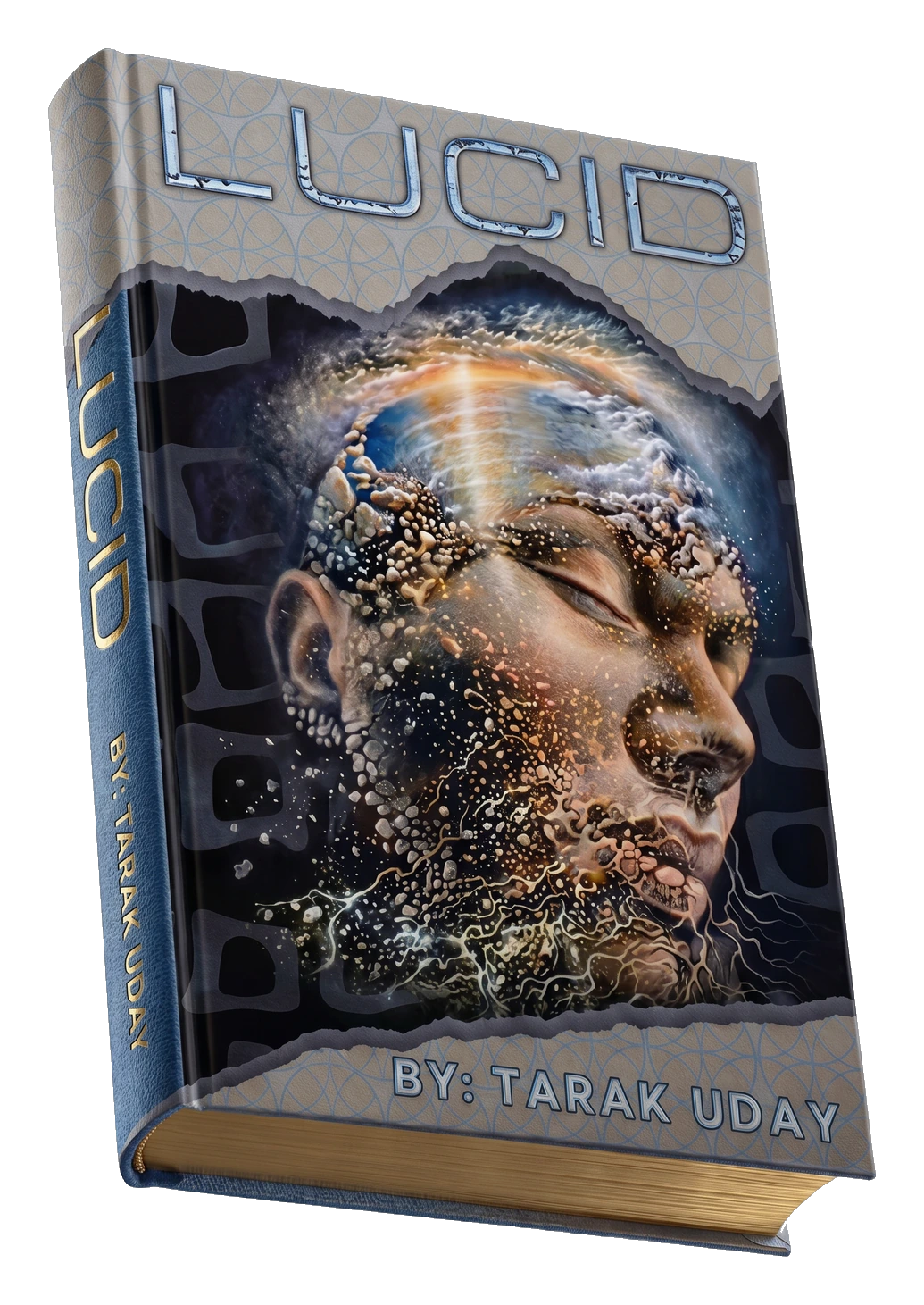
LUCID
You've tried every lucid dreaming technique. Most miss the root cause. LUCID reveals what they all skip.
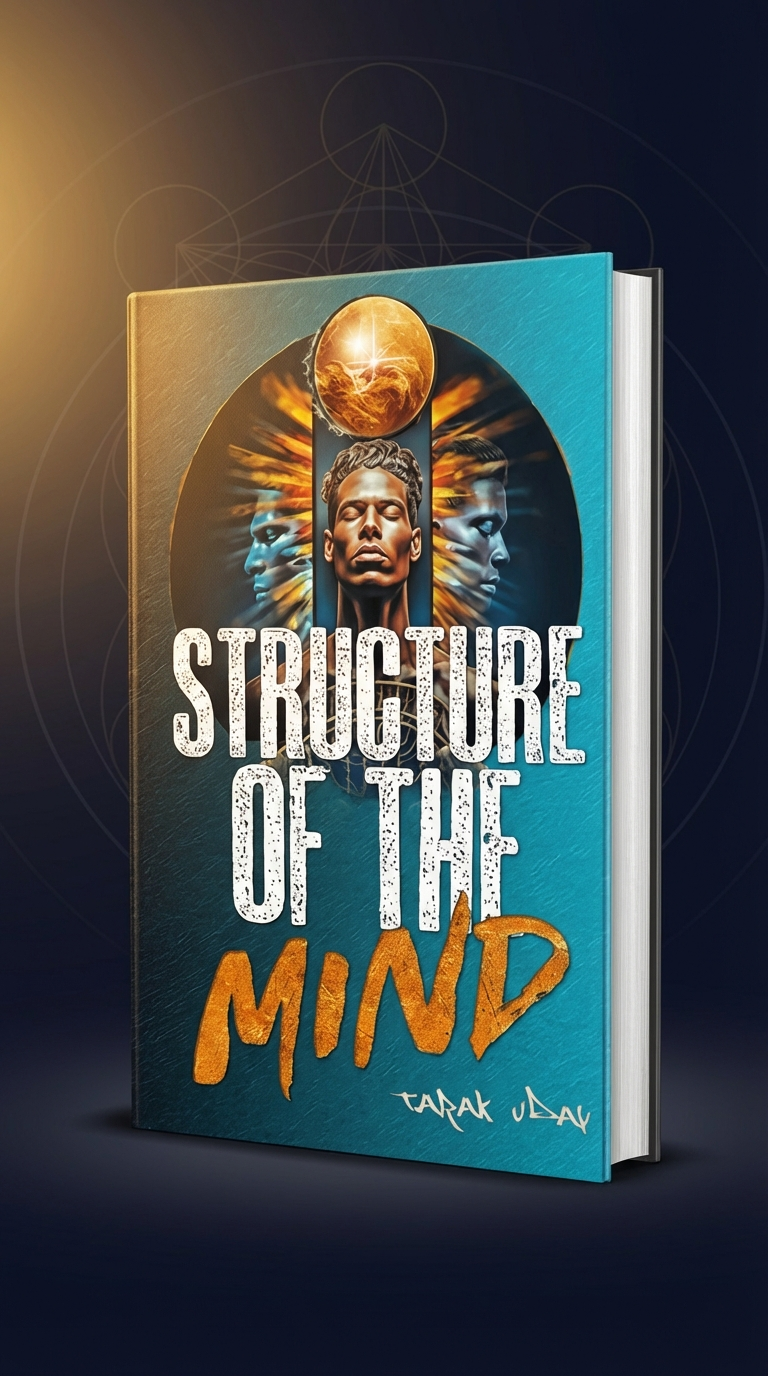
Understand Your Own Mind
"Structure of the Mind" reveals the three divisions of mind, seven levels of consciousness, and powers of mind that most people never learn to develop.