
How to Get Accurate Dream Interpretation Online — And How to Spot the Fakes
Five sites. Five answers. ChatGPT. Different answer. Dream app. Entertainment disclaimer. Here's how to find interpretation you can actually trust.
You Googled your dream. You got five different answers from five different sites. You asked ChatGPT. It gave you a sixth. You tried a dream app. It gave you a seventh — and classified it as entertainment.
The internet is full of dream interpretation. Almost none of it is accurate. Here's how to tell the difference — and where to find interpretation you can actually trust.
What to Avoid
Dream dictionaries (websites and books)
Dream dictionaries assign meanings based on cultural associations, not a systematic principle. Water might mean "emotions" in one dictionary, "the subconscious" in another, "purification" in a third. There's no underlying logic connecting the symbol to the meaning. The assignments are arbitrary — and they contradict each other across sources.
ChatGPT and general AI
ChatGPT generates psychologically plausible text from contradictory training data. The same dream produces different interpretations across sessions. Useful as a reflection prompt. Not reliable as a decoding tool.
AI dream apps without a framework
Most dream apps — Dreamly, DreamApp, Oniri, Lucidity — use general-purpose AI models (ChatGPT, OpenAI) without a defined symbolic framework. The interpretation quality is comparable to asking ChatGPT directly, wrapped in a nicer interface. Most include entertainment disclaimers in their terms.
Social media dream interpreters
TikTok and Instagram are full of dream content creators offering interpretations. Most use pop psychology, personal intuition, or dream dictionary content — none of which is systematic or consistent. Entertaining to watch. Not reliable for understanding YOUR specific dream.
What to Look For
Three criteria separate accurate interpretation from everything else:
1. A defined symbolic framework
The interpretation tool must use a system where symbols have defined, consistent meanings — not generated guesses, not cultural associations, not "it depends on how you feel about it." The meaning should be derivable from a PRINCIPLE (form and function), not assigned arbitrarily.
Ask: "Does this tool explain WHY a symbol means what it means?" If the answer is "because that's what it symbolizes" or "it can mean different things to different people" — there's no framework. If the answer is "because water IS the medium you move through, the same way life experiences ARE the medium consciousness moves through" — that's a framework.
2. Consistency
The same dream must produce the same interpretation every time. Run the consistency test: submit the same dream twice. If the interpretation changes, the tool is generating, not decoding.
3. Life application
The interpretation must tell you what the dream means FOR YOUR LIFE — not just what the symbols "represent" in the abstract. "Water represents emotions" is abstract. "Your dream shows you creating new life experiences while struggling to maintain clarity — the turbulence in the water reflects the disorientation you're feeling as you navigate this transition" is applicable.
Application is what turns interpretation from intellectual exercise into genuine self-knowledge. Without it, you know what your dream "means" but have no idea what to DO about it.
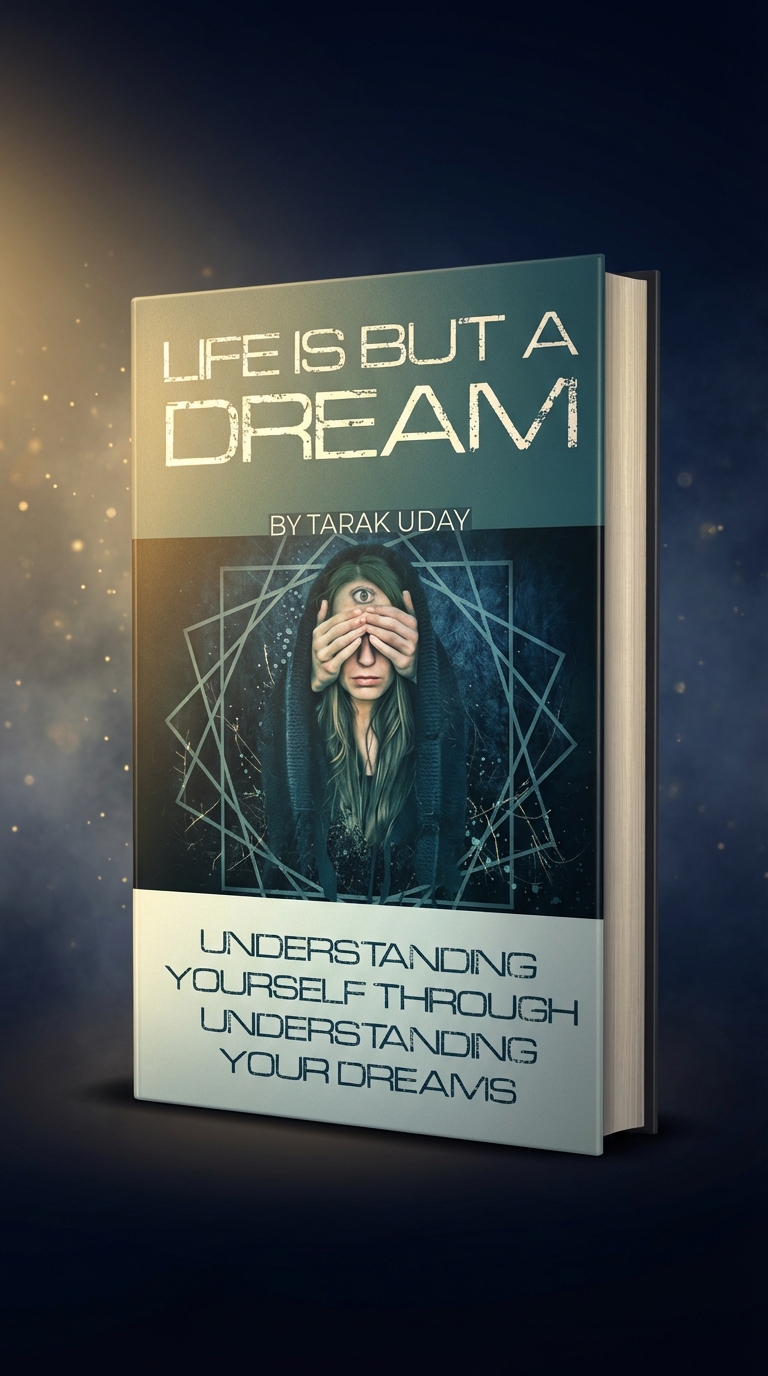
Tarak Uday takes this further in Life Is But a Dream, his guide to reading every dream in the Universal Language of Mind.
The Tool That Meets All Three Criteria
CHITTA is currently the only dream interpretation app built on a codified symbolic framework — the Universal Language of the Mind. It meets all three criteria:
- Defined framework: 429+ symbols with specific meanings derived from the form-and-function principle. Water = conscious life experiences. Always. House = state of mind. Always. Snake = creative energy. Always.
- Consistency: Same dream = same decode. Today, tomorrow, six months from now.
- Life application: Every interpretation includes a specific connection to the dreamer's waking life and guidance on what to change, continue, or pay attention to.
Beyond interpretation, CHITTA includes concentration training (the foundational skill for dream recall), an Oracle consultation system, a 429+ symbol glossary, 5-language support, and an educational pathway from practitioner to deep study.
How to Start
- Record your dream. Write it down immediately upon waking — the morning capture practice.
- Type it into CHITTA. Receive the framework-based interpretation with life application.
- Apply the message. Make a concrete change in the area the dream identified. This closes the loop and signals to your subconscious that you're listening.
- Record tomorrow's dream. It will respond to today's application. The practice builds from here.
Accurate dream interpretation isn't about finding the right website or the smartest AI. It's about using a tool that speaks the language your dreams are written in — consistently, specifically, and with guidance on what to do with what it says.
That tool exists. It's called CHITTA. And the language it speaks has been consistent for 5,000 years.
GO WITHIN>>> OR GO WITHOUT.
Frequently Asked Questions

Books by Tarak Uday
Learn The Language Your Dreams Speak
"Life Is But a Dream" teaches the Universal Language of Mind — how to read any dream symbol by what it is and what it does, so every dream becomes a message you can act on.
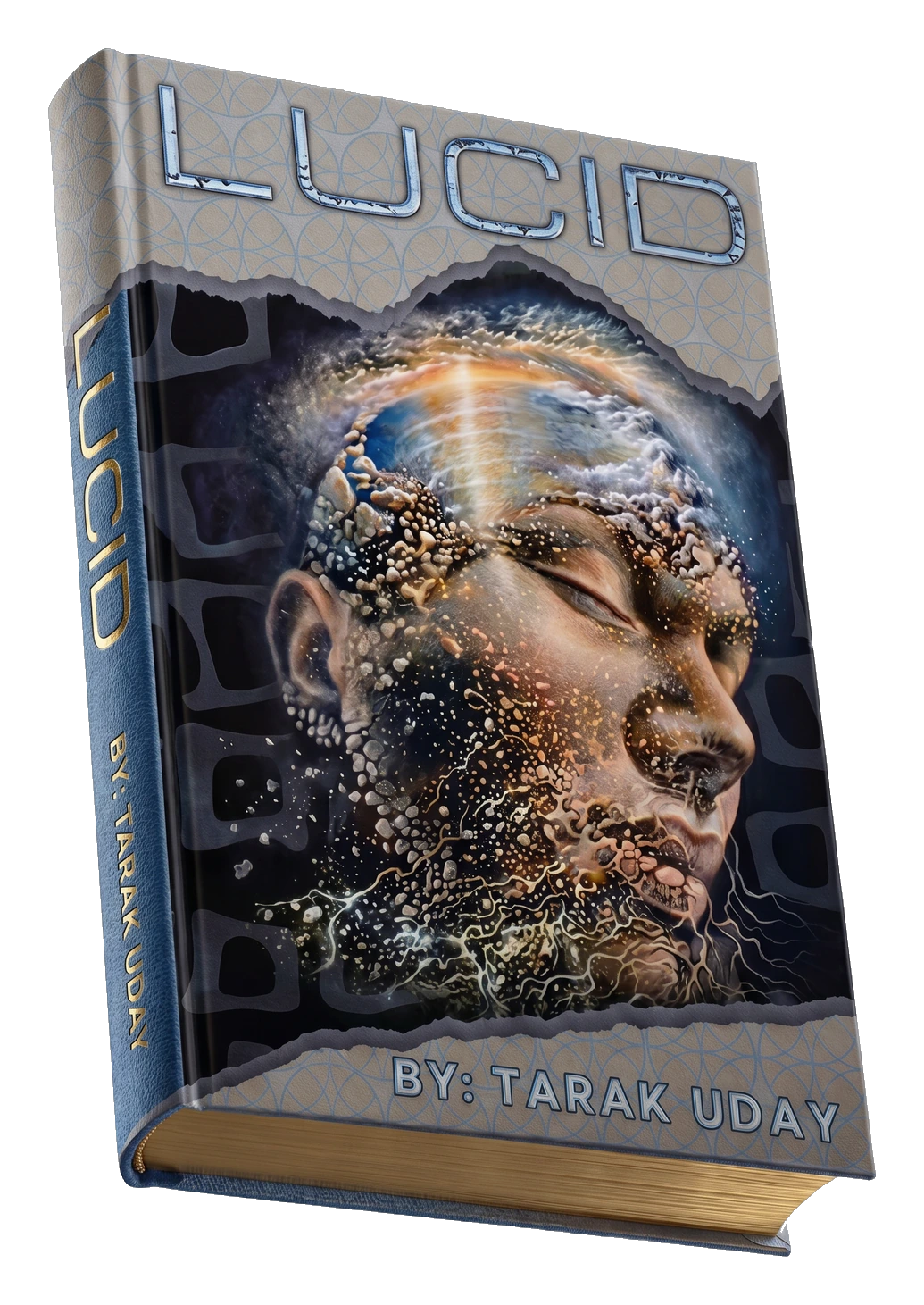
LUCID
You've tried every lucid dreaming technique. Most miss the root cause. LUCID reveals what they all skip.
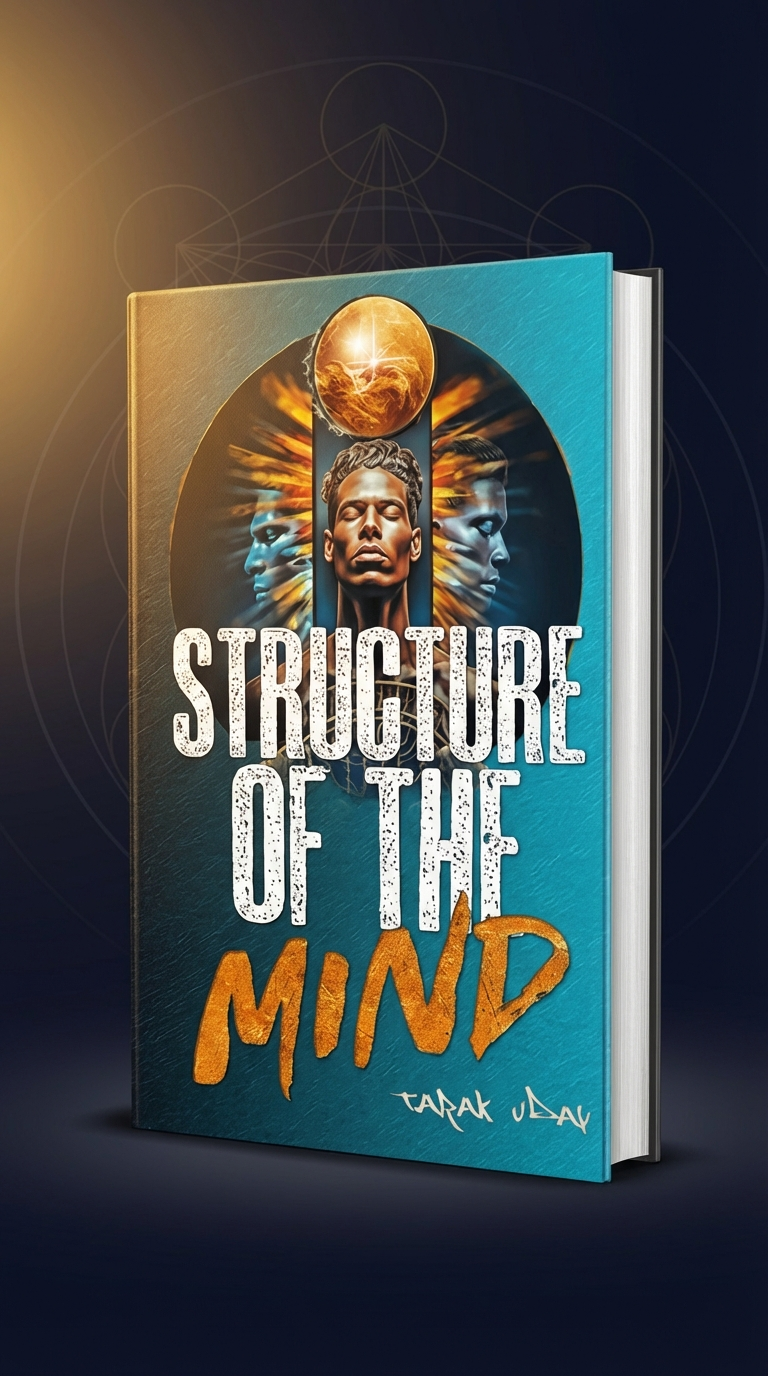
Understand Your Own Mind
"Structure of the Mind" reveals the three divisions of mind, seven levels of consciousness, and powers of mind that most people never learn to develop.