
Dream About Being Chased and Hiding
Where you hide in the dream is the diagnosis — it shows you exactly which room of your own mind you’ve sealed the disowned self into.
So you keep having the dream where something’s chasing you, and at some point you stop running and you hide. Behind a door. Under a bed. In a closet with your hand over your own mouth. And you want to know what it means that you didn’t just run — you hid. That detail matters more than almost anything else in the dream.
What does it actually mean to be chased and hide in a dream?
Here’s the interpretation you’ve probably been handed: the chase is stress, the hiding is you avoiding a problem at work, sleep better and it’ll go away. Think about that for a second. You had a vivid, full-body experience inside your own subconscious mind, complete with a pursuer and a hiding place you chose, and the best anyone could offer was “you’re stressed.” That doesn’t even touch what’s happening.
According to Tarak Uday’s Universal Language of Mind, every figure in your dream is you. The pursuer isn’t an outside threat — it’s a disowned aspect of yourself, a quality you’ve refused to claim, and it’s chasing you because it belongs to you and it’s trying to come home. So you’re not being hunted. You’re being pursued by a part of yourself that you’ve exiled.

And hiding? Hiding is the giveaway. Running at least admits the thing exists — you acknowledge it and move away. Hiding goes further. Hiding is the attempt to make the disowned part invisible, not just to the pursuer, but to yourself. That’s suppression. That’s the moment avoidance stops being passive and becomes an act.
Why does hiding mean more than running?
So let’s separate these two, because they’re not the same and the dream is being precise. When you run, you’re saying “I know you’re there and I’m getting distance.” When you hide, you’re saying “I’m going to pretend you don’t exist and hope you forget about me.” One is flight. The other is denial.

LUCID
You've tried every lucid dreaming technique. Most miss the root cause. LUCID reveals what they all skip. Join the waitlist and get two of Tarak Uday's books while you wait.
I’ve decoded thousands of these, and the people who hide in the dream are almost always doing the same thing awake — actively concealing a truth rather than just procrastinating on it. There’s a difference between “I haven’t dealt with this yet” and “I’m making sure nobody, including me, ever sees this.” The hiding dream is the second one.
That’s why hiding dreams feel so airless and tight. The fear isn’t really about getting caught. The fear is about being seen — because somewhere underneath, you know that if the pursuer finds you, you’ll have to admit the quality it’s carrying is yours.
Stop guessing what your pursuer represents.
CHITTA decodes the exact aspect of yourself your chase dream is showing you — using the Universal Language of Mind, not a generic dream dictionary.
Decode Your Dream Now →What does the hiding place in the dream reveal?
This is the part nobody tells you. Where you hide isn’t random set dressing. In the Universal Language of Mind, a house is your state of mind — not your body, your mind. So every room is a function of your mind, and the room you hide in is showing you exactly where you’ve stuffed the disowned self.
So you hide in a closet — a closet is where you store things you don’t use and don’t want on display. You’ve shut this part of yourself away on a shelf. You hide under a bed — the bed is rest and the subconscious, so you’ve buried the quality beneath sleep and avoidance, hoping the lower mind will just hold it for you. You hide in a bathroom — and the bathroom, in ULM, is where you release processed experience as waste. Hiding there means you’re trying to treat a real part of yourself like garbage you can flush.
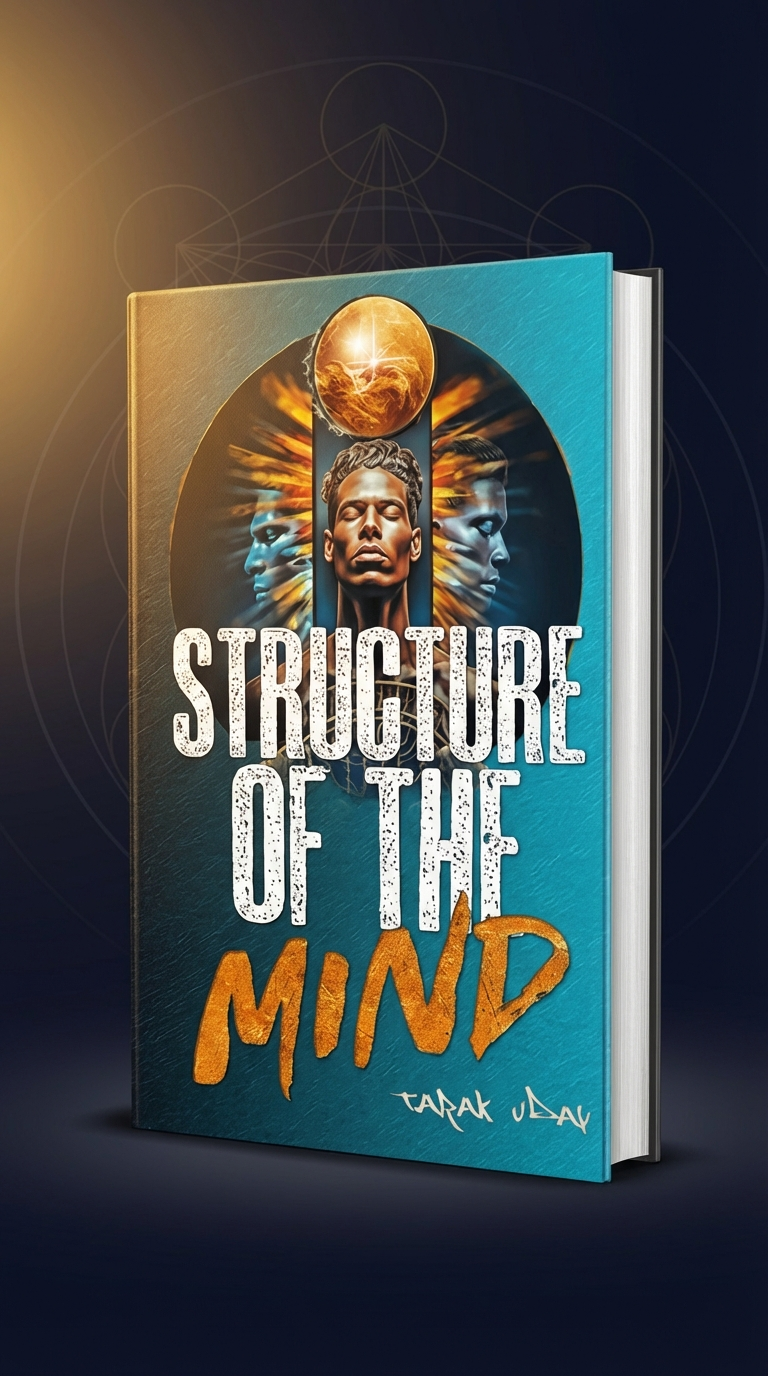
Understand Your Own Mind
"Structure of the Mind" reveals the three divisions of mind, seven levels of consciousness, and powers of mind that most people never learn to develop.
So before you ask “what’s chasing me,” ask “where did I hide.” The location is the diagnosis. It’s telling you not just that you’re suppressing something, but which mental room you’ve locked it in.

Bindu says: “You didn’t pick that hiding place by accident. Your mind built it. Go look at which room you chose — that’s the room you’ve been refusing to enter awake.”
Why does this dream keep coming back?
So here’s the thing about a recurring chase-and-hide dream. In the Universal Language of Mind, a recurring dream is an unlearned lesson — your subconscious resending the same letter because the earlier ones came back unopened. And hiding dreams recur harder than most, because hiding is the one response that guarantees the lesson can’t land.
Think about the loop. The pursuer comes to deliver a part of you. You hide so it can’t reach you. The message goes undelivered. So the subconscious sends it again, usually a little more intense — the pursuer’s faster, the hiding spots run out, the dread is thicker. That escalation isn’t punishment. It’s persistence. Your own mind refusing to let you bury something that belongs in the open.
And notice what this connects to. If your pursuer is faceless, that’s very low self-awareness of the aspect — you barely know this part of you exists. If you can’t move when you try to run, the dream’s removing the exit on purpose. These are all the same teaching from different angles, which is why the related scenarios matter: read about being chased and unable to run, being chased by someone you know, or being chased by an animal. Same mechanism, different costume.
How do you actually make it stop?
You don’t make it stop in the dream. You don’t find a better hiding spot or learn to run faster. The dream is a readout of waking life, so the work happens awake. That’s the whole point.
Start here. Name the pursuer — not the literal figure, but the one quality it carries. Strength you’ve called arrogance and refused. Anger you’ve labeled bad and swallowed. Ambition you decided was selfish. Whatever it is, name it in one word. Then find where you’re hiding that same quality awake — the conversation you’re avoiding, the truth you’re not saying, the decision you’re pretending isn’t yours to make. Then take one small, concrete step to let that quality live. One step. That’s the integration.
According to Tarak Uday’s Universal Language of Mind, recognition becomes integration, and an integrated part has nothing left to chase you for. The pursuer was only ever knocking to be let back in. So you let it in. Full stop.
Turn around in your own dream.
Log your chase-and-hide dream in CHITTA and get the precise ULM decoding — which aspect of yourself is pursuing you, and the waking-life step that ends the loop.
Decode Your Dream Now →Tarak Uday is the creator of the Universal Language of Mind and author of Life is But a Dream and Lucid, works that map dreaming as the diagnostic language of the mind. His Dream Symbol Dictionary is the source behind every interpretation on CHITTA.

