
Dream About Losing Teeth in Front of Other People
Your teeth crumble out while everyone watches — and it has nothing to do with embarrassment.


So you're standing in front of people — coworkers, family, strangers — and your teeth start crumbling out of your mouth. In the Universal Language of the Mind, this dream isn't about embarrassment or aging. Teeth are your tools for breaking down and assimilating life experiences. Losing them in public means your subconscious is showing you, in front of every aspect of yourself, that the way you process life needs an upgrade.
Here's the part most people miss. You wake up from this one feeling exposed. Humiliated, even. And the first place your mind runs is social — everyone saw me, everyone judged me. So you Google it, and every dream dictionary confirms the fear: insecurity, loss of control, anxiety about how others perceive you. Tidy. Familiar. And completely backwards.
What Does It Really Mean to Dream Your Teeth Fall Out in Front of People?
Let's start with the mechanism, because meaning without mechanism is just guessing. Your teeth do one job in waking life — they break food down so your body can absorb the nutrients. Food, in dreams, is knowledge. It's the raw experience life hands you. So your teeth are the tools you use to break that experience down into something you can actually digest, learn from, and make a part of who you are.
When you were a kid, you lost your teeth on purpose. Not so you'd be left with gaps — so a bigger, more capable set could come in. That's the whole image. The dream borrows that exact memory. It's saying the tools you've been using to make sense of your life have hit their limit. They served the old you. They can't break down what you're being handed now.
Why Does the Dream Put You on Display Instead of Alone?
This is where the in-front-of-other-people detail earns its place. In the Universal Language of the Mind, the people in your dream are rarely about those actual people. They're aspects of you. The strangers are unfamiliar parts of yourself. The familiar faces are parts you know well. So when the dream gathers a crowd to watch your teeth fall out, it isn't staging your public humiliation — it's gathering every part of you into one room so none of them can look away.
Think about why a dream would do that. You've probably had the private version of this dream before — teeth falling out, alone, no audience. And you brushed it off. So the subconscious raised the volume. It put the lesson on a stage. The public setting is a measure of how long you've been dismissing something you already half-know. The more witnesses, the louder the part of you that's tired of being ignored.
Is This Dream About Social Anxiety or Something Deeper?
So let's confront the popular answer head-on. Every mainstream source tells you this is anxiety — fear of judgment, fear of aging, fear of losing your grip. And here's the trap in that: it's not entirely wrong, which is exactly why it's so sticky. You probably do feel anxious. But the anxiety is the symptom, not the message.
The anxiety shows up because part of you is still using a worn-out tool to chew through experiences that have gotten harder, richer, more adult. Of course that's stressful. You're trying to break down a steak with baby teeth. The fix was never to calm the anxiety — it was to grow the better tool. According to the Universal Language of the Mind that Tarak Uday teaches, the symbol always points to the mechanism underneath the feeling, and the mechanism here is an assimilation system asking to mature.
Stop guessing what your dream means.
CHITTA decodes your teeth dream through the mechanism, not a generic horoscope answer — in seconds.
Decode Your Dream Now →How Do You Know Which Life Experiences You're Failing to Digest?
Here's the mirror. Ask yourself what's been sitting in you undigested. Not the easy stuff — the experience you keep replaying without ever resolving. A conversation you can't stop chewing on. A role you've outgrown but keep performing. A version of success you inherited and never questioned. That undigested experience is the steak. The teeth-falling-out dream is your subconscious flagging that your current way of making sense of it isn't working anymore.
So get specific. Where in your life are you still chewing with the old set? Maybe it's how you process criticism — swallowing it whole as proof you're not enough, instead of breaking it into the one useful note and the rest you can release. Maybe it's how you metabolize success, gulping the next achievement without ever absorbing the last. The Universal Language of the Mind doesn't deal in vague symbolism. It hands you a diagnostic: find the experience you can't break down, and you've found exactly what the dream is about.
Tarak Uday takes this further in Life Is But a Dream, his guide to reading every dream in the Universal Language of the Mind.
What Do the Different Versions of This Dream Reveal?
The exact way the teeth leave tells you something specific. When they crumble slowly while you talk, the dream points at a gradual realization — you're mid-sentence in your life, still performing an old understanding, and it's quietly disintegrating as you speak. When someone yanks them out, an outside experience is forcing the upgrade faster than you'd choose; life isn't waiting for you to volunteer. When you spit them into your cupped hands and try to hold on, that's your resistance made visible — you'd rather clutch the broken tool than trust that a better one is coming.
And the witnesses vary too. If people point and laugh, the laughing aspects are the parts of you that already know better and are impatient with the part still clinging on. If no one in the crowd even notices, the message flips — the upgrade you need is invisible to everyone but you, and you've been waiting for permission or applause that's never going to come. Either way, the people are not the point. The tool is.
What Is Your Subconscious Asking You to Upgrade?
So the real work isn't to fear the dream — it's to answer it. Upgrading your assimilation tools means changing how you break experience down. It means questioning the inherited frame, slowing down enough to actually extract the lesson instead of swallowing the experience whole, and being willing to let the old interpretation crumble out so a more mature one can come in. That's not loss. That's the exact same gift you got as a kid, dressed up as something scary.
The next time those teeth fall out in front of the crowd, don't reach to catch them. Let them go. Then ask the only question that matters: what am I finally ready to understand differently? Your dreams have been handing you that question on a stage. The Universal Language of the Mind just gives you the tools to finally answer it.
Frequently Asked Questions



Books by Tarak Uday

Learn The Language Your Dreams Speak
"Life Is But a Dream" teaches the Universal Language of the Mind — how to read any dream symbol by what it is and what it does, so every dream becomes a message you can act on.

LUCID
You've tried every lucid dreaming technique. Most miss the root cause. LUCID reveals what they all skip.
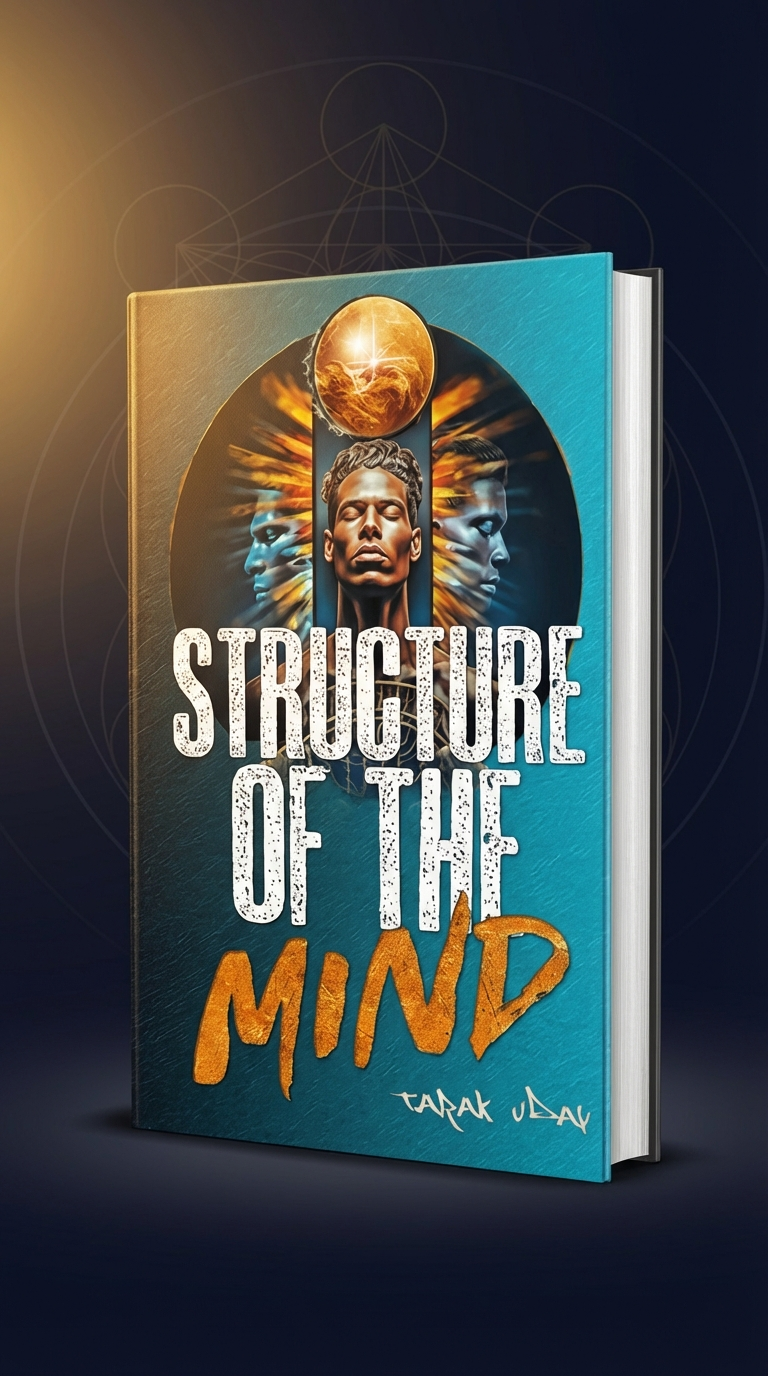
Understand Your Own Mind
"Structure of the Mind" reveals the three divisions of mind, seven levels of consciousness, and powers of mind that most people never learn to develop.