
Dream About Someone Else Cutting Your Hair
Why your subconscious hands the scissors to somebody else


You are sitting still. Someone is behind you with scissors, and you can hear them working. You did not agree to this. You do not even turn around. You just sit there while your hair falls, and the strange part — the part that follows you into the morning — is that you let it happen.
Most people wake up from this one and reach for the obvious reading: betrayal. Somebody in my life is taking something from me. That reading feels true, which is exactly why it stops the inquiry before it starts. Because the person holding the scissors is not the story. The stillness is the story.
What does hair actually represent in the Universal Language of the Mind?
Start with form, then function — that is how the mind builds every symbol it uses. Hair grows out of your head. It is generated continuously from the place where thinking happens, it extends past the boundary of the body, and it is visible to everyone before you have said a single word. So in the Universal Language of the Mind, hair is thoughts. Specifically, it is the accumulated, outwardly-visible expression of your own thinking — your mental vitality made into something people can see.
Notice what hair does functionally. It keeps growing whether you attend to it or not. It records time — the ends of your hair are older than the roots. It can be styled, meaning your thoughts can be arranged for presentation. And it can be cut, which is why cutting shows up in dreams at all: because thought can be removed.
This is why hair carries the additional charge of personal power. Not power in the sense of dominance over other people. Power in the older sense: the capacity to generate. Your thoughts are the raw material of everything you will ever build. Cut them back and you have not lost decoration — you have lost production capacity. So the dream is never cosmetic, even when it looks cosmetic.
Why is someone else holding the scissors?
Here is the correction most dreamers need, and it lands hard the first time. Every character in your dream is you.
Not a message about that person. Not a prediction involving that person. An aspect of your own mind, wearing a face your subconscious borrowed because it needed something recognizable to show you. The subconscious does not have access to a cast of strangers. It has access to you, and to the images you have stored, so it dresses a part of yourself in a familiar costume and puts it to work.
So when someone else cuts your hair, one aspect of your mind is editing another aspect's thinking. And the identity of the cutter tells you which aspect. If it is a parent, the part of you that internalized authority is doing the trimming. If it is a partner, the part of you organized around being acceptable to someone is doing it. If it is a stranger, the aspect is undeveloped enough that you have not consciously met it yet — you do not know who in you is making these cuts, which is precisely why it can keep making them.
So ask the real question. Not who cut my hair. Ask: which part of me has been quietly authorized to decide which of my thoughts are allowed to keep growing?
What does it mean that you sat still and allowed it?
This is the detail that carries the whole dream, and almost everyone skips it.
You did not fight. You did not stand up. In most versions of this dream, the dreamer does not even speak. That paralysis is not a failure of nerve inside the dream — the subconscious does not do drama for its own sake. It is a literal report on your waking condition. Somewhere in your life you are sitting still right now while your thinking gets trimmed to a length someone else finds appropriate, and you are experiencing it as normal.
The ideas you no longer say out loud. The direction you stopped mentioning after the third flat response. The version of the plan you shrank before anyone even asked you to. Nobody held you down. You sat.
And here is where the subconscious is being generous rather than cruel. It gave the scissors to somebody else so you could finally see the cutting. If it had shown you cutting your own hair, you would have filed it under self-care and gone back to sleep. So it externalized the hand, and the loss became visible. That is the mirror doing its job.
How much was cut, and does that change the meaning?
Amount is data. The subconscious is precise about quantity because quantity is how it grades severity.
A trim — a little off the ends — is the mildest form. The ends of your hair are your oldest thoughts, the ones furthest from the source. Losing them is often maintenance: outdated thinking cleared so newer thinking has room. If the dream carries no dread, don't manufacture any.
A cut you didn't ask for but can live with usually maps to compromise. You traded some mental territory for peace, and the dream is handing you the receipt so you can look at the price.
Cut to the scalp, or shaved, is different in kind, not degree. The scalp is the boundary of the head itself. Cutting that close means the removal has reached the source of thought, not just its expression. In waking life this shows up as an area where you've stopped generating ideas entirely because it stopped being safe to have them. That's not a haircut. That's a shutdown of production, and the dream is escalating because earlier signals went ignored.
Tarak Uday takes this further in Life Is But a Dream, his guide to reading every dream in the Universal Language of the Mind.
And if it was botched — uneven, hacked, wrong — the aspect doing the editing isn't even competent at it. Some part of you is making consequential decisions about your thinking with no skill and no mandate, and the wreckage in the mirror is the report.
What is your subconscious asking you to do about it?
Nothing mystical. Something specific.
The dream is not a warning about a person. It isn't asking you to go confront the friend who appeared in it, and treating it that way is the fastest route to acting on a symbol you haven't read yet. It's asking you to locate the authorization. Every cut required permission, and you gave it. So find where you gave it.
Sit with the dream and name the cutter honestly — not the face, the function. What does that person represent to you? Approval? Safety? The standard you measure yourself against? Whatever it is, that's the aspect of yourself now editing your thoughts before they finish growing. So then find the waking equivalent. Which thought have you been shortening? Which idea do you keep pre-trimming so it arrives at an acceptable length?
The work isn't to get the hair back. Hair grows — that's its whole nature, and it's thought's nature too. The work is to stop sitting still. The moment you take the scissors back, that aspect stops being an outside force and becomes what it always was: a part of you, awaiting direction.
This is the difference between information and transformation. Knowing that hair means thoughts is information; you have it now, and it will not change your life by itself. Catching yourself mid-trim tomorrow — noticing the exact second you shorten an idea to fit someone's comfort, and letting it grow instead — that's transformation. The Universal Language of the Mind isn't a dictionary you consult. It's a mirror you learn to read, and as Tarak Uday teaches, the dream isn't telling you something new. It's telling you something you already know and have been agreeing not to look at.
You sat still while somebody cut. The only question left is how much longer you plan to sit.
Frequently Asked Questions


Books by Tarak Uday

Learn The Language Your Dreams Speak
"Life Is But a Dream" teaches the Universal Language of the Mind — how to read any dream symbol by what it is and what it does, so every dream becomes a message you can act on.
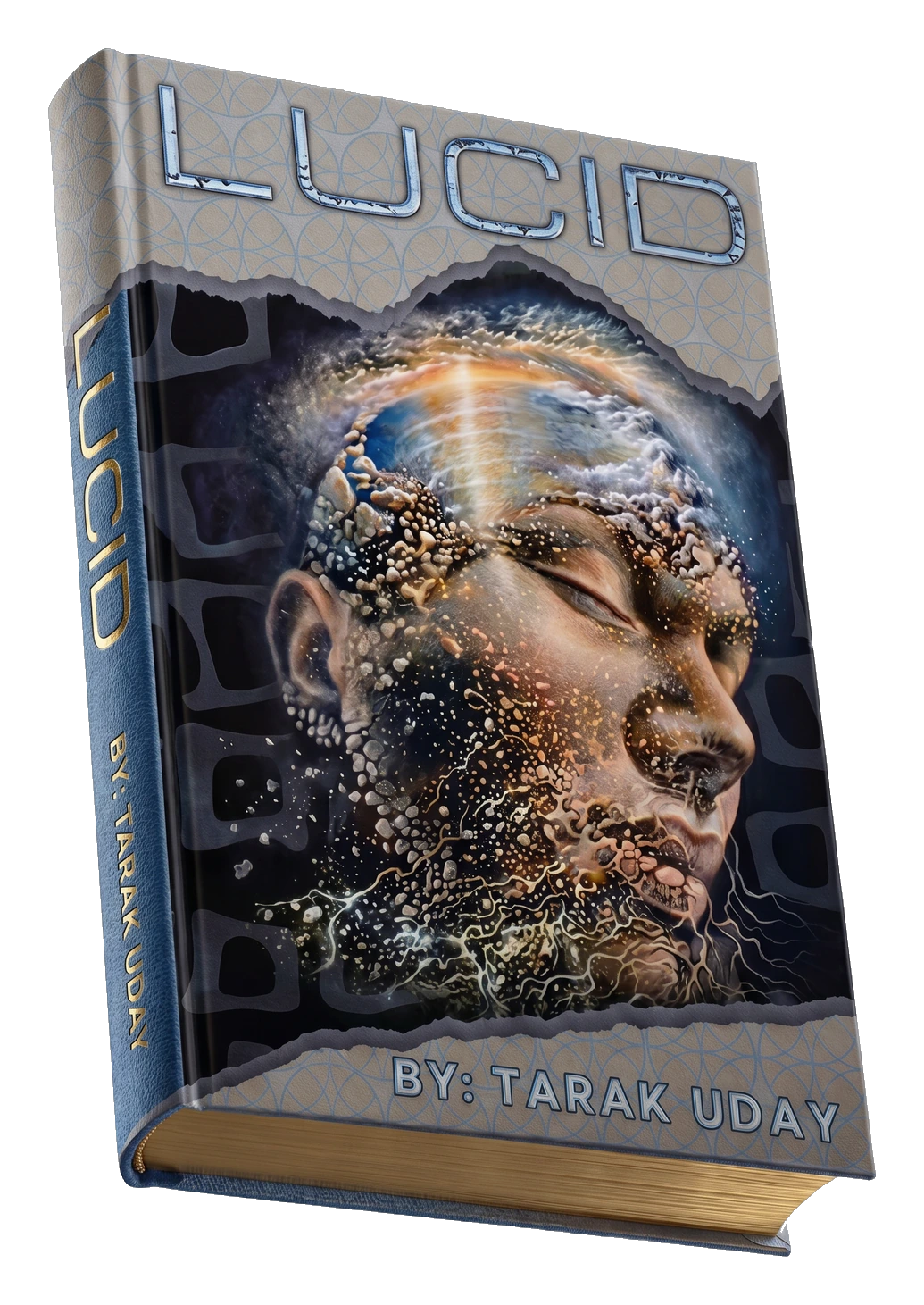
LUCID
You've tried every lucid dreaming technique. Most miss the root cause. LUCID reveals what they all skip.
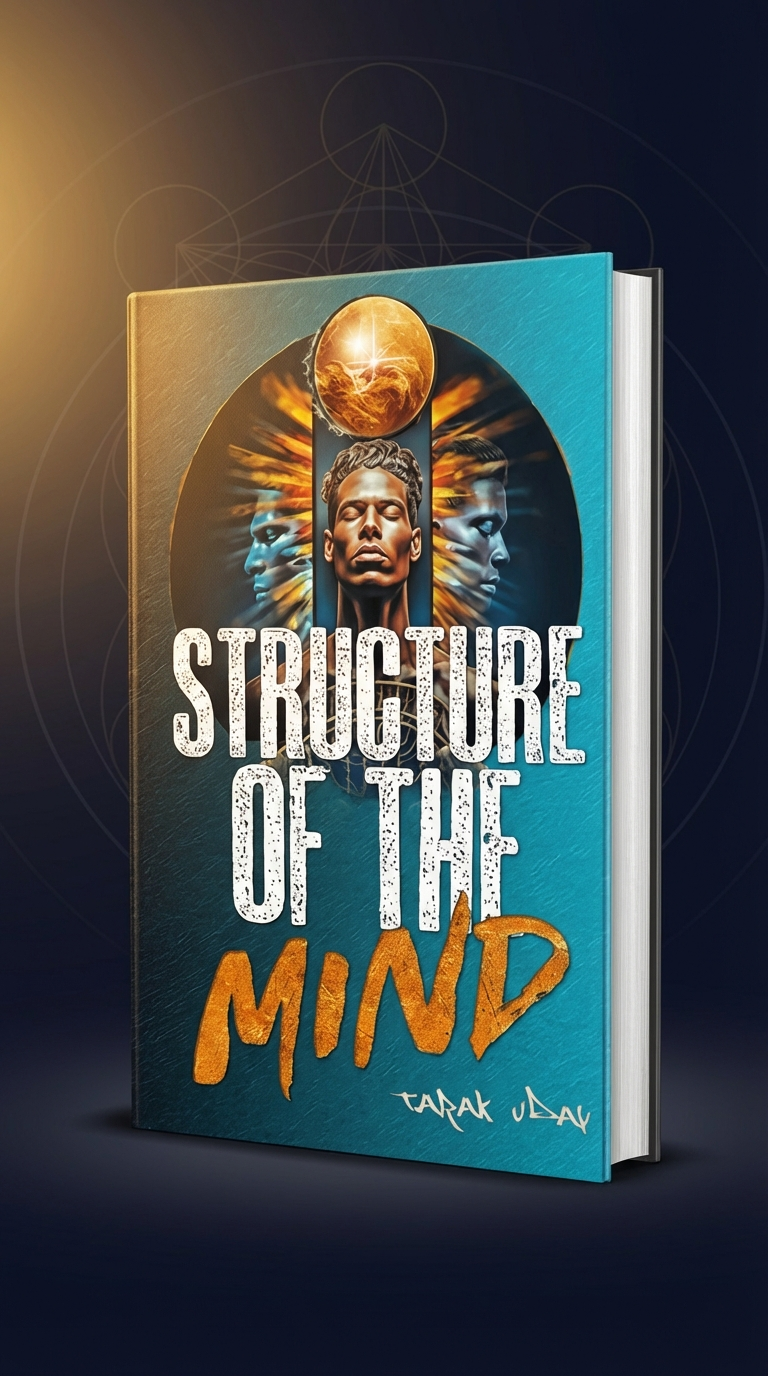
Understand Your Own Mind
"Structure of the Mind" reveals the three divisions of mind, seven levels of consciousness, and powers of mind that most people never learn to develop.