
Dream About Someone Else Falling: What It Means
It's not a warning about them. It's a part of you, falling in plain sight.


You're standing safely on solid ground, and you watch someone else go over the edge — reaching, helpless, unable to do a thing to stop it. So you want to know what it means to dream about someone else falling. Here's the direct answer: in the Universal Language of the Mind, every person in your dream is an aspect of you, so watching someone else fall is you witnessing a part of yourself descending through the levels of your own mind while your conscious self stays up top.
And no, it's not a premonition that someone you love is going to die. Let's clear that fear out first.
So What Does It Mean to Dream About Someone Else Falling?
The first place your mind goes is fear: this is a warning, something bad is coming for them. Stop and look at how that reading works. It takes a dream happening entirely inside your own subconscious and points it at someone outside you — which conveniently lets you avoid the part that's actually about you.
Here's the real mechanism. According to the Universal Language of the Mind that Tarak Uday teaches, every character in a dream is an aspect of the dreamer. The people in your dreams aren't the actual people — they're parts of you, dressed up in familiar faces. So when you watch someone else fall, you're watching a specific part of yourself descend through the levels of your mind. The fall is real. It's just happening to an aspect of you, not to them.
Why Is It Someone Else Falling and Not You?
Form and function. In the Universal Language of the Mind, a male figure tends to represent a conscious aspect of you, a female figure a subconscious aspect, and an authority figure a superconscious aspect. So who's falling tells you which part of you is descending.
And the fact that you're watching from solid ground is the whole point. Your conscious self — the "you" in the dream — is staying up top while another part drops. That's why it feels like helpless spectating. You're not in the descent; you're observing a part of you go through it. The dream split you in two so you could see the transformation happening from the outside.
Why Does Watching Feel Worse Than Falling Yourself?
Here's what's underneath the dread. When you fall in a dream, at least you're in it. When you watch someone else fall, you're stuck in the helplessness — close enough to see it, powerless to stop it. That helplessness is the exact feeling of your conscious mind realizing it can't control a change already happening in a deeper part of you.
So the panic isn't about danger to another person. It's your reasoning mind confronting its own limits. A part of you is descending, transforming, moving to a truer level, and the conscious self that likes to be in charge can only stand on the ledge and watch. That's humbling. But it's also the truth: some of your deepest changes don't ask your conscious permission.
Find out which part of you is really falling.
CHITTA decodes your dreams through the Universal Language of the Mind, so you can read who that falling figure actually represents in you.
Decode Your Dream Now →Who in the Dream Mirrors a Part of You That's Changing?
Now make it personal, because this is the mirror. Think about who you watched fall and what they're like — bold, fragile, controlling, free. That quality is the part of you that's descending. So ask it straight: which side of yourself is going through a change you can feel but can't steer?
Maybe it's the confident part of you that's quietly coming undone. Maybe it's the version of you that held everything together, finally letting go. Maybe it's an old self you've half-outgrown, dropping out of view. The person falling is wearing a costume, but the descent is yours. The dream isn't warning you about them. It's showing you a part of yourself in motion — and asking you to stop trying to control it.
Tarak Uday takes this further in Life Is But a Dream, his guide to reading every dream in the Universal Language of the Mind.
How Do You Work With a Someone-Else-Falling Dream?
So don't read it as a sign about the other person — read it as a portrait of you. The moment you wake, write down who fell, what they were like, and how you felt watching. The Universal Language of the Mind reads those details, and the character's qualities name the aspect of you in descent.
Then look for where, in waking life, a part of you is changing without your conscious sign-off. In Tarak Uday's work on lucid dreaming, the practice when you're a witness in a dream is to stop trying to rescue and start paying attention — because that part of you doesn't need saving, it needs witnessing. Let it descend. What looks like a loss from the ledge is usually a part of you finally getting free.
See which parts of you keep moving in the dark.
Track your falling dreams in CHITTA and map the aspects of yourself your mind keeps showing you in descent.
Start Your Dream Journal →Written by Tarak Uday, teacher of the Universal Language of the Mind and author of Life is But a Dream and Lucid. Explore related dreams like falling off a cliff, falling and hitting the ground, and falling into a hole or pit.
Frequently Asked Questions



Books by Tarak Uday

Learn The Language Your Dreams Speak
"Life Is But a Dream" teaches the Universal Language of the Mind — how to read any dream symbol by what it is and what it does, so every dream becomes a message you can act on.

LUCID
You've tried every lucid dreaming technique. Most miss the root cause. LUCID reveals what they all skip.
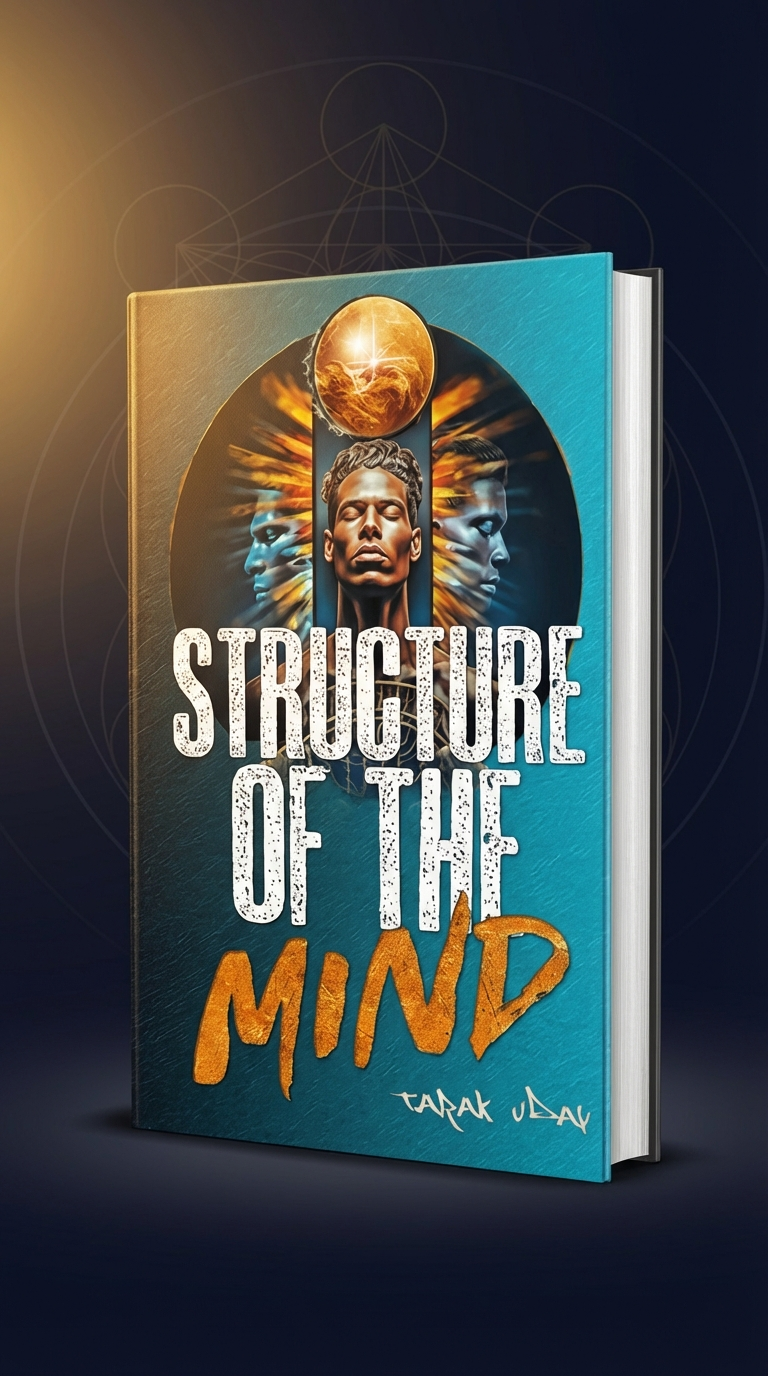
Understand Your Own Mind
"Structure of the Mind" reveals the three divisions of mind, seven levels of consciousness, and powers of mind that most people never learn to develop.