
Dream About Someone Who Has Already Passed Away


You wake up and they're gone again. Someone you lost — a parent, a grandparent, a friend who passed years ago — just walked through your dream like no time had passed at all. They looked at you. Maybe they spoke. And now you're lying in the dark wondering if it was real, if they were trying to reach you from somewhere.
So here's the answer almost nobody hands you: sometimes it really is them, and most of the time it's you. In the Universal Language of the Mind, a deceased person in an ordinary dream is an aspect of your own self — a living part of you that you associate with who they were. Seeing them means that part of you is active, awake, and asking for your attention right now.
Why Did Someone Who Passed Away Show Up In Your Dream?
Most of the time, your dreaming mind doesn't deal in people. It deals in parts of you. Every character who walks across your dream is wearing a costume your subconscious picked on purpose — and the costume is always made of meaning. So when your grandmother shows up, your mind isn't reporting on your grandmother. It's pointing at the part of you that is her — her patience, her sharp tongue, the way she made a whole room feel safe. That quality lives in you now. The dream is holding it up to the light.
This is the form-and-function logic at the heart of the Universal Language of the Mind, the dream-symbol framework taught by Tarak Uday. A symbol means what it does. A person who has died has, by definition, undergone the ultimate transformation. So your mind reaches for their face when something inside you is transforming too.
Are They Really Visiting You? Here's How To Tell
Sometimes they really are. Visitation dreams are very real: when someone passes, they leave the physical body, but the soul goes on in the inner levels of mind — the same levels you enter every night when you dream. A true visitation has its own feel. Not much else is going on; they are the whole focus. When they communicate, their mouth doesn't move — it's telepathic, and it's often a message of love and appreciation. And they appear as their happy, healthy self, often younger, even if they died old or sick. A dream with a whole story running — places, other people, them sick again or turning away — is a different kind of dream: your own mind, talking to you, in the only symbols you've got.
That's not a smaller truth. It's a bigger one. Because it means a dream like that isn't a cryptic message you have to decode and obey. It means a piece of them became a piece of you, and it's still here.
So in an ordinary dream, the question stops being "What are they trying to tell me?" and becomes "What part of me just woke up wearing their face?" That single shift changes everything about how you read the dream.
What Part Of You Does The Deceased Person Represent?
Start with what they stood for and how they made you feel. A father who represented authority and direction is pointing at your own authority — your capacity to steer your life. A mother who represented unconditional care is pointing at how you do, or don't, care for yourself. A friend who represented your wild, free years is pointing at the part of you that's been caged lately. Death in the Universal Language of the Mind means inner transformation, so the instant a "dead" part of you reappears, your subconscious is telling you that quality was never gone — it's resurfacing because the moment calls for it.
Then notice what they did. Were they calm and whole? That quality in you is at peace. Were they sick again, or turned away, or fading down a hallway? That part of you is struggling for air. A scene like that is a status report on a living piece of your own self. A true visit looks different: they come well, and they are the whole dream.
Find out exactly which part of you that dream is naming
CHITTA decodes your dream through the Universal Language of the Mind — the precise symbol, and the precise part of you it's pointing at.
Decode Your Dream Now →Why Does The Same Person Keep Coming Back Night After Night?
So you've had this dream more than once. Same person, different nights. In the Universal Language of the Mind, a recurring dream is an unlearned lesson on repeat — your subconscious running the same message a little louder each time because you haven't received it yet. The person who passed keeps returning because the part of you they represent keeps getting ignored in waking life.
Maybe you inherited your mother's gift for caretaking and you've been pouring it into everyone but yourself. Maybe your grandfather's drive lives in you and you've gone quiet on a dream that actually matters. The repetition isn't a haunting. It's persistence. That part of you refuses to be filed away in a drawer marked "the past."
Tarak Uday takes this further in Life Is But a Dream, his guide to reading every dream in the Universal Language of the Mind.
What If The Dream Felt Peaceful Instead Of Frightening?
Not every one of these dreams arrives heavy. Sometimes the person who passed is simply there — calm, warm, ordinary, like they never left. So what does the peaceful version mean? If little else was going on, they looked well and younger, and you heard them without their lips moving, you may have had a true visitation — receive it as the love it is. If it was an ordinary dream, it means the quality they represent has been integrated. You're no longer at war with it. The grief that once split that part of you off has healed enough that the quality can sit beside you at the table again. That peace in the dream is real feedback: a piece of you came home.
And when the dream is frightening — when they're angry, or chasing you, or already dead and reaching for you — that's the same part of you demanding to be faced instead of fled. Being chased is running from an aspect of yourself. So even the nightmare version is an invitation, just a louder one.
How Do You Actually Use This Dream In Waking Life?
This is where the mirror turns toward your real day. Name the quality the person stood for — out loud, plainly: "He was my courage." "She was my softness." Then ask the only question that matters: where in my life right now is that exact quality needed and missing? The dream already handed you the diagnosis. Your waking life is where you take the medicine.
So you don't honor the people you've lost by treating every dream of them as a ghostly telegram. You honor them by living out the quality they planted in you — letting your father's steadiness run your decisions, letting your friend's freedom loosen your week. That's the transformation the dream was pointing at all along. Not their death. Your becoming.
Turn one dream into a map of yourself
Record the dream, get its decoding through the Universal Language of the Mind, and watch the pattern build across nights. That's how a single dream becomes self-mastery.
Start With CHITTA →Frequently Asked Questions


Books by Tarak Uday

Learn The Language Your Dreams Speak
"Life Is But a Dream" teaches the Universal Language of the Mind — how to read any dream symbol by what it is and what it does, so every dream becomes a message you can act on.
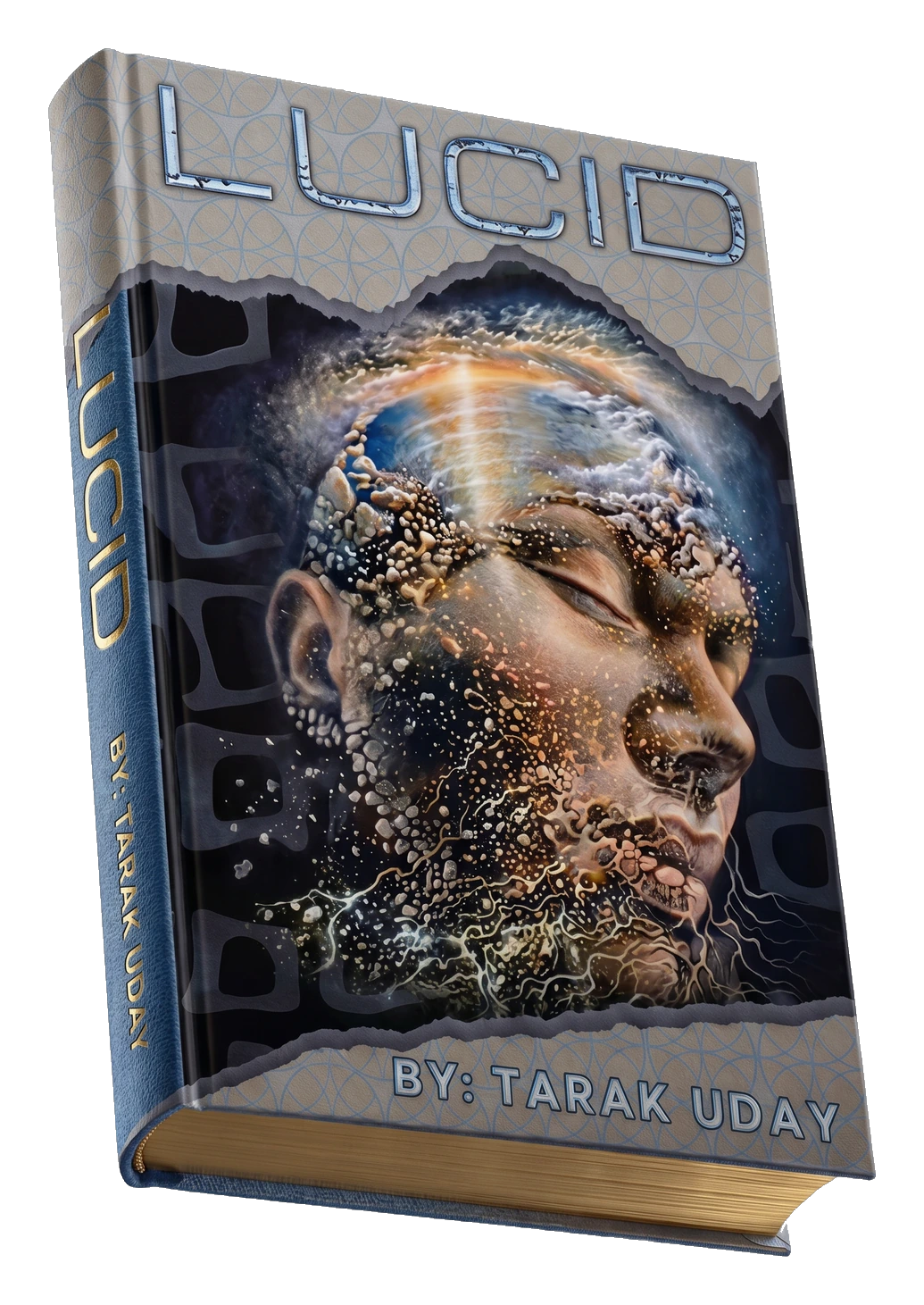
LUCID
You've tried every lucid dreaming technique. Most miss the root cause. LUCID reveals what they all skip.
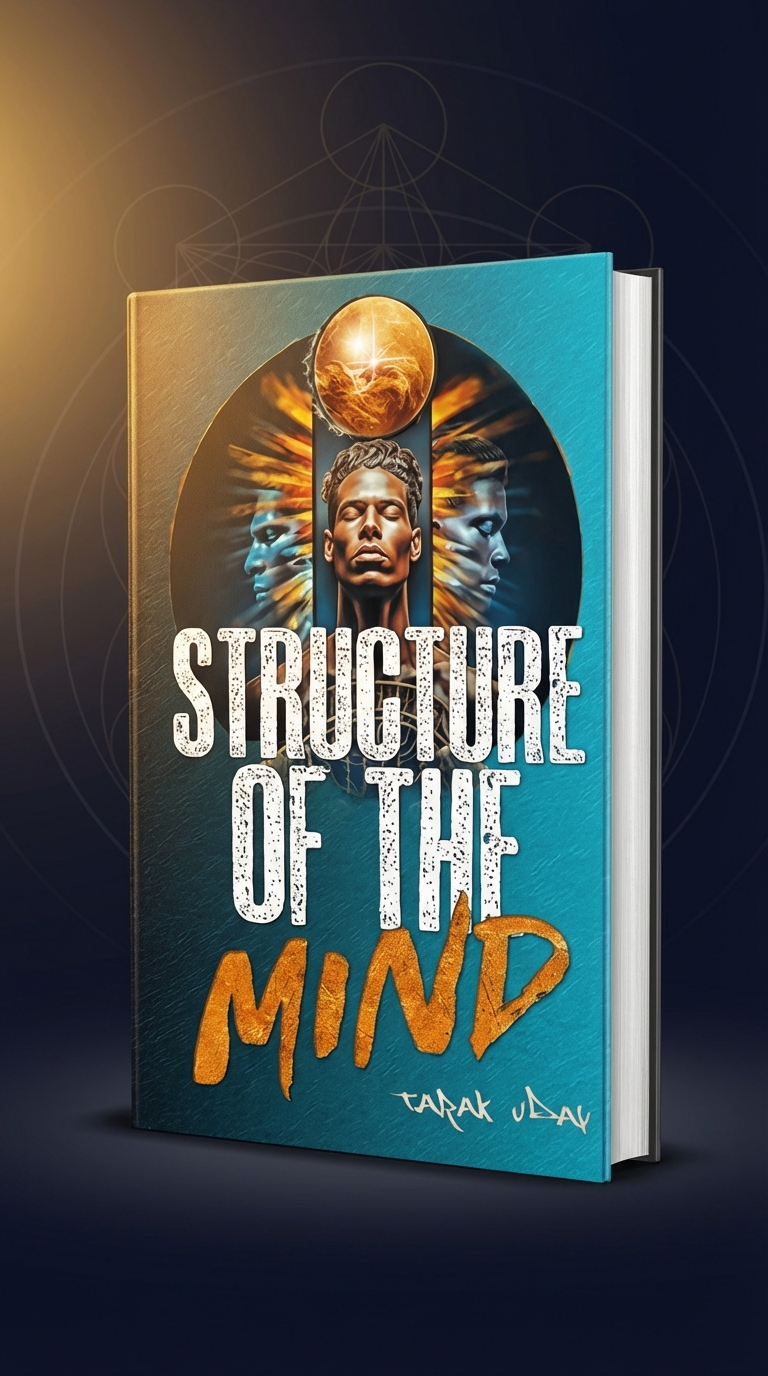
Understand Your Own Mind
"Structure of the Mind" reveals the three divisions of mind, seven levels of consciousness, and powers of mind that most people never learn to develop.