
Dream About Your Own Death: What It Really Means
It is not a warning. It is a self that is ready to be let go of.
So you woke up shaken, because in the dream you died. Maybe you watched it happen. Maybe you felt it. And the first thing your waking mind did was reach for the worst possible reading: is this a warning? Here is the truth, plain and early — dreaming about your own death almost never has anything to do with your body ending. In the Universal Language of Mind, death is not loss. Death is transition. A version of you is finishing, and the dream is showing you the ending so a new version can begin.
That fear you woke up with is real, and it matters. But it is pointing at the wrong target. Let's walk through what your dreaming mind actually said while you were asleep.
Why does dreaming of your own death feel like a warning?
Because the waking mind only knows one kind of death — the physical one. So when it replays a dream of dying, it files it under the only category it has: threat, ending, loss. That is the literal reading, and it is the reading almost everyone reaches for first. It is also wrong.
Your dreaming mind does not speak in literal events. It speaks in images that stand for inner conditions. According to Tarak Uday's Universal Language of Mind, every figure and event in a dream is a picture of something happening inside the dreamer right now. When the dream shows death, it is not predicting an event in the outer world. It is reporting a change in the inner one.
So the fear is not lying to you. Something is ending. You just had the category wrong. It is not your life ending. It is a self ending.
What does death actually mean in the Universal Language of Mind?
Death means inner transformation. That is the locked meaning, and it does not bend. In the language your subconscious uses, every symbol carries a form and a function. The form of death is an ending — something that was alive is now gone. The function is what that ending makes room for. And what an ending makes room for is always a beginning.
Think about what death does in the natural world. It clears. It returns what was built back to the ground so something new can grow in the same soil. Your inner life works the same way. A belief you have outgrown, a role you have carried too long, a story about who you are that no longer fits — these do not simply fade. They have to end. The dream gives that ending a face you cannot ignore: your own death.
What identity is ending in your dream?
CHITTA reads your dream through the Universal Language of Mind and shows you the exact self that is finishing — and the one trying to be born.
Decode Your Dream Now →Why do you dream of your own death specifically?
Because the self that is ending is the one you have been calling "I." When you dream of a stranger dying, the part of you being transformed is something you do not yet identify with. When you dream of your own death, the transformation is at the center. The self-concept itself — your sense of who you are — is the thing that is dying.
This is why the dream feels so personal and so frightening. The ego does not want to end. It has spent years building an identity, and now the deeper mind is signaling that this identity has done its work. The version of you that got you here cannot take you where you are going next. So it dies. And the part of you that watches it die in the dream is the part that survives — the Real Self, which was never the costume in the first place.

Bindu says: "You did not die in that dream. You outgrew. The fear was just the old self holding on."
So the dream is not cruel. It is honest. It is telling you that you have already begun to change, and a part of you that you have been clinging to is ready to be released.
What in your waking life is this death pointing to?
This is where the dream becomes useful instead of frightening. Ask the bridge question: what role, belief, or version of myself have I been outgrowing? Most people who dream of their own death are standing right at a threshold in waking life — leaving a job that defined them, ending a relationship that shaped their identity, becoming a parent, recovering from something that used to run them, or simply waking up to the fact that the person they have been performing is not who they actually are.
The dream tends to arrive right at that edge. Not after the change is complete — during it, while the old self is still dying and the new one has not fully formed. That uncomfortable in-between is exactly when the dreaming mind chooses the image of death, because nothing else captures the truth as cleanly. According to the Universal Language of Mind, the dream is not asking you to fear the ending. It is asking you to let it finish.
So sit with the bridge. What have you been holding onto that the deeper part of you has already let go of?
How do you work with a death dream instead of fearing it?
You meet it as news, not as warning. The moment you stop reading death as physical and start reading it as transformation, the whole dream changes shape. The terror was never about dying. It was about letting go — and letting go is the one thing the new self requires.
Name the self that is ending. Was it the one who needed to be in control? The one who stayed small to be safe? The one who defined itself by a role that is now over? Once you name it, you can release it on purpose instead of being dragged. And then you can ask the more interesting question — not who am I losing, but who am I becoming? That is the question the dream was carrying all along.
Meet the self that is being born
Your death dream is the doorway. CHITTA helps you decode it through the Universal Language of Mind so you can step through it on purpose.
Decode Your Dream Now →You did not dream of an ending. You dreamed of a passage. And you are already walking through it.

Frequently Asked Questions


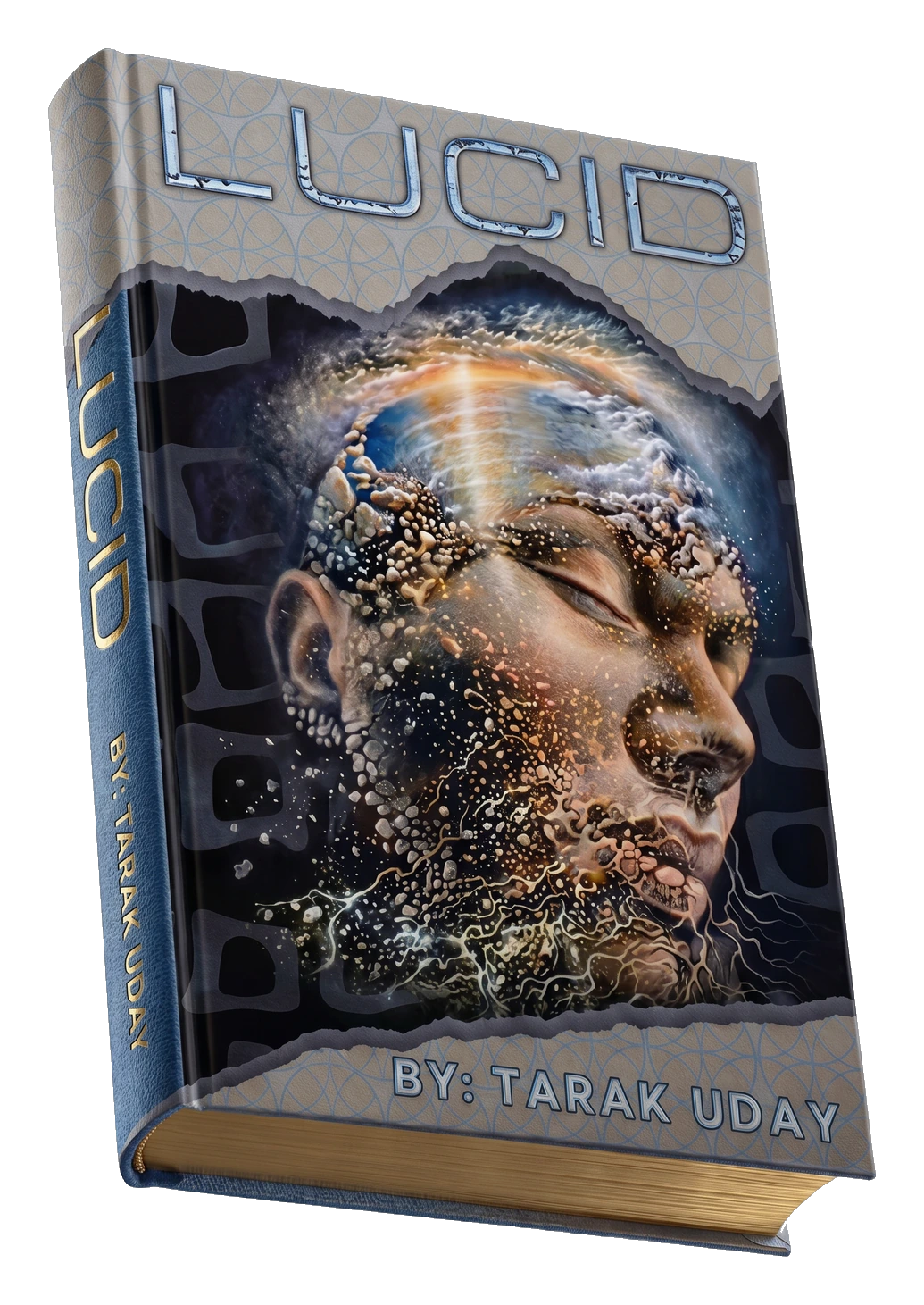
LUCID
You've tried every lucid dreaming technique. Most miss the root cause. LUCID reveals what they all skip.
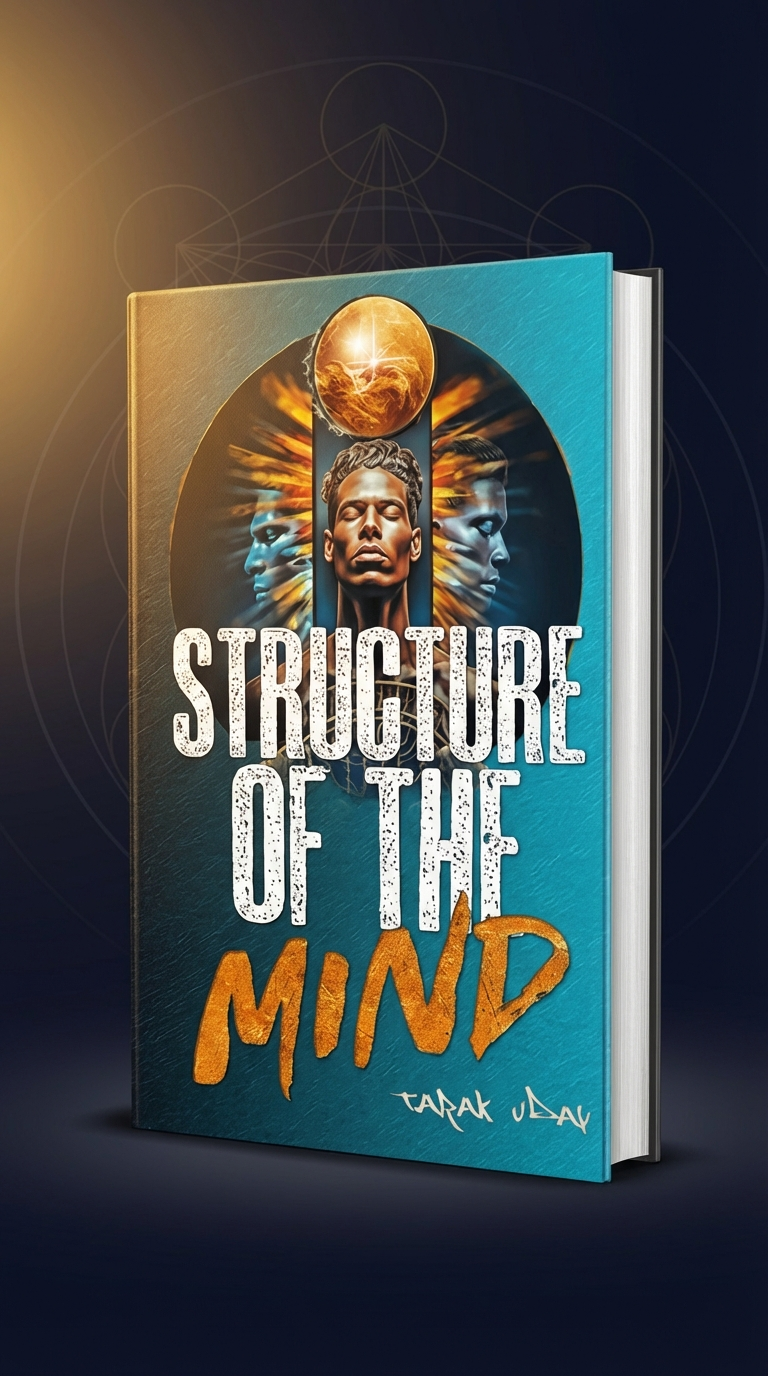
Understand Your Own Mind
"Structure of the Mind" reveals the three divisions of mind, seven levels of consciousness, and powers of mind that most people never learn to develop.