
Falling in Dreams: What It Really Means According to the Universal Language of Mind
Why falling dreams aren't about fear or losing control — they're about your mind's journey back to waking consciousness.
Falling in a dream represents movement into lower levels of mind until back to the conscious mind of the physical in the Universal Language of Mind. This isn't about losing control or facing fears — it's about the precise mechanics of how your consciousness moves during sleep and awakening.
Falling ranks as the second most commonly reported dream theme worldwide, experienced by over 75% of people according to dream researcher Deirdre Barrett's studies. These dreams are so universal that they transcend culture, age, and geography.
Most dream dictionaries will tell you falling dreams mean you're anxious, losing control, or afraid of failure. Psychology suggests they're about insecurity or lack of support in your waking life. But the Universal Language of Mind reveals something far more precise and useful — these dreams are actually mapping the movement of your consciousness itself.
What Falling Means in the Universal Language of Mind
To understand what falling means, you have to look at its form and function. The form is the action itself — a downward movement through space. The function is movement from a higher position to a lower position.
In consciousness, "higher" and "lower" aren't value judgments. They're descriptions of different levels of awareness. The superconscious mind operates at the highest level — pure awareness itself. The subconscious mind operates at deeper levels where reasoning gives way to intuitive knowing. The conscious mind operates at the most physical level, dealing with immediate sensory experience.
So when you're falling in a dream, your consciousness is literally moving from deeper, more expansive states back toward the physical level of awareness. This is why falling dreams often happen right before you wake up — your mind is transitioning back to conscious, physical awareness.
Falling in dreams represents the natural movement of consciousness from deeper subconscious levels back to physical awareness. It's not about fear — it's about the mechanics of awakening.
Common Dream Scenarios Involving Falling
Falling from a Building or Cliff
When you're falling from a great height like a building or cliff, this represents movement from very expanded states of consciousness back to the physical. Buildings represent the structures of your conscious mind — your organized thoughts and reasoning abilities.
The height of the fall indicates how deep into subconscious states you had moved. A fall from a skyscraper suggests you were operating from very expanded, intuitive levels before returning to physical awareness.
Falling Through the Air with No Starting Point
Sometimes you're just falling through space with no memory of where you started. This represents pure transition between levels of consciousness without the conscious mind trying to create a logical framework for the experience.
These dreams often feel the most disorienting because your reasoning mind isn't given a structure to understand the movement. You're experiencing the shift in consciousness directly.
Falling and Never Landing
When you fall continuously without ever hitting the ground, this represents ongoing movement between different levels of subconscious awareness. You're not quite ready to return to full physical consciousness yet.
These dreams often occur during periods when you're processing deep subconscious material — working through insights or understandings that haven't fully integrated into your conscious awareness.
Falling and Landing Safely
Dreams where you fall but land safely or without harm represent successful integration of subconscious insights back into conscious awareness. The landing represents your consciousness successfully returning to the physical level.
This type of falling dream often indicates you're effectively processing and integrating deeper levels of understanding into your daily life.
Falling and Waking Up with a Jolt
The classic falling dream that wakes you up with a physical jolt represents rapid movement from deep subconscious states back to physical consciousness. Your body actually responds to this consciousness shift.
This happens when there's a significant gap between the level of consciousness you were operating from in the dream and your physical awareness. The jolt is your nervous system adjusting to the rapid transition.
What Your Falling Dream Is Telling You About Your Life
To understand what your specific falling dream means for your life, look at what happened in the day or two before the dream. The Universal Language of Mind shows us that dreams reflect how you used your mind recently.
Ask yourself: Were you engaged in deep thinking, meditation, or creative work? Were you trying to understand something complex or solve a problem that required you to think beyond your usual patterns? Falling dreams often follow periods when you've been accessing deeper levels of awareness.
Remember that consciousness has dual aspects in dreams. The place where you're falling from represents your state of mind — how expanded or contracted your awareness was. The act of falling itself represents the content of your consciousness — the movement between different levels of understanding.
"Dreams are the subconscious mind's way of showing you exactly how you've been using your consciousness. Every symbol is precise, every detail meaningful."
— Tarak Uday, Life is But a DreamIf you're having frequent falling dreams, it suggests you're regularly moving between different levels of consciousness in your waking life. This isn't a problem to solve — it's a sign that your mind is actively exploring beyond surface-level thinking.
The key is learning to navigate these transitions more smoothly. When you understand that falling represents natural movement of consciousness, you can work with it rather than resist it.
How the Universal Language of Mind Differs from Other Interpretations
Freudian interpretation would suggest falling dreams represent sexual anxiety or repressed desires. Jungian analysis might focus on the archetypal fear of falling from grace or losing one's position in life. Generic AI interpretations usually mention anxiety, loss of control, or fear of failure.
These approaches all miss the fundamental point because they're trying to interpret symbols psychologically rather than understanding them as precise descriptions of consciousness itself. They produce vague, contradictory results because they're not based on a consistent symbolic language.
The Universal Language of Mind, developed over 5,000 years in the ancient mystery schools, provides definitive meanings because it's based on the actual structure and movement of consciousness. Tarak Uday's research demonstrates that when you understand dreams as symbolic communications from the subconscious mind, every symbol has a precise, universal meaning.
While other interpretations focus on fear and anxiety, the Universal Language of Mind reveals falling dreams as natural indicators of consciousness movement. This understanding transforms a "negative" dream into valuable information about your mind's activity.
Falling dreams aren't warnings or signs of problems. They're your subconscious mind's precise report on how your consciousness has been moving between different levels of awareness. When you understand this, you can appreciate these dreams as indicators of an active, exploring mind rather than something to fear or fix.
The next time you have a falling dream, remember — you're not losing control. You're experiencing the natural movement of consciousness itself, mapped out in perfect symbolic detail by your subconscious mind.

Frequently Asked Questions




LUCID
You've tried every lucid dreaming technique. Most miss the root cause. LUCID reveals what they all skip.
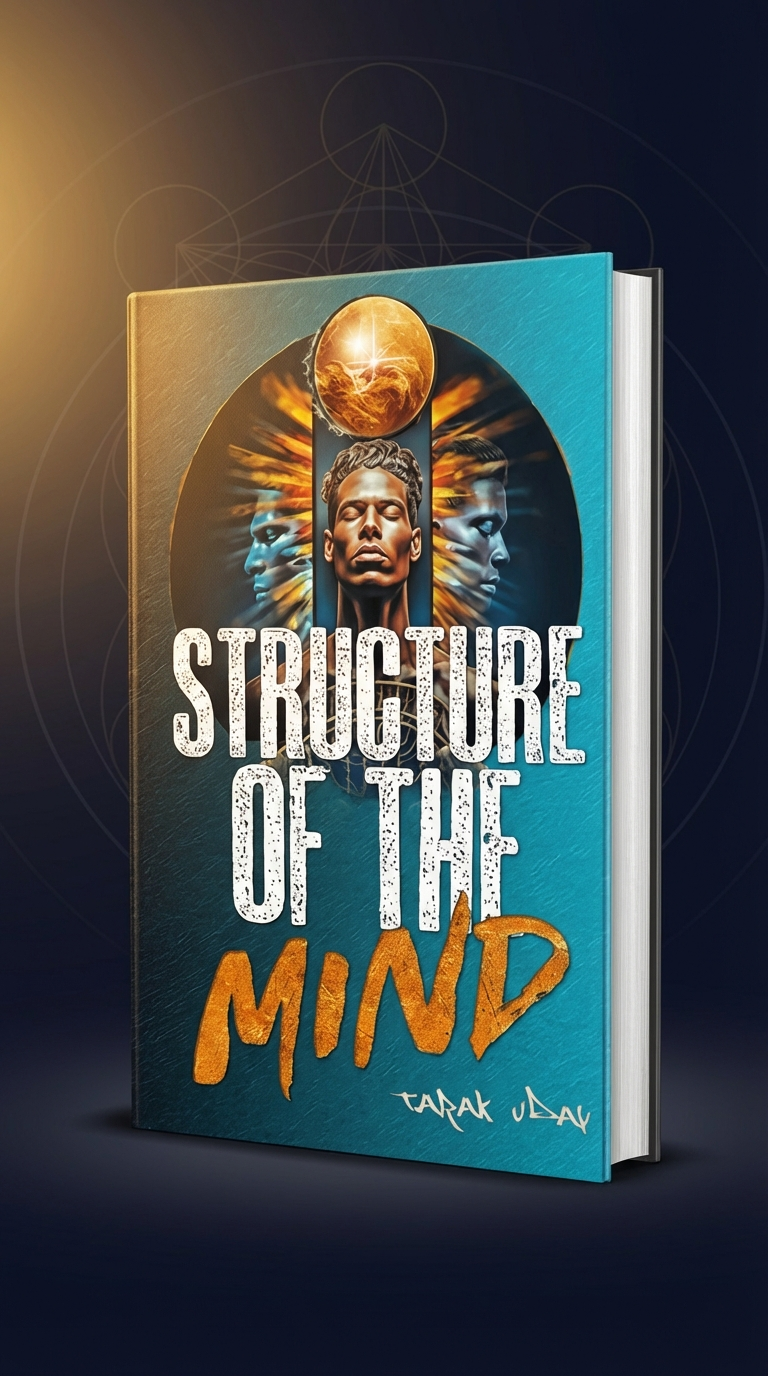
Understand Your Own Mind
"Structure of the Mind" reveals the three divisions of mind, seven levels of consciousness, and powers of mind that most people never learn to develop.