
House Dreams: What Your Dream Home Reveals About Your State of Mind
In the Universal Language of Mind, every house in your dreams is a precise mirror of your current mental condition and consciousness.
A house in a dream represents your state of mind in the Universal Language of Mind. This is one of the most foundational and precise symbols in dream interpretation, serving as a direct mirror of your current mental condition and consciousness.
Houses appear in dreams more frequently than almost any other symbol, with research by dream scientist Deirdre Barrett showing that buildings and structures rank among the top five most commonly reported dream themes worldwide. That's because your mind is constantly assessing and reflecting on its own condition.
Unlike popular dream dictionaries that suggest houses represent "security" or "family," or psychological approaches that claim houses symbolize the "self," the Universal Language of Mind provides a much more specific and actionable interpretation. A house doesn't represent your entire identity — it represents the precise state your mind is in right now.
What House Means in the Universal Language of Mind
To understand why a house represents your state of mind, look at its form and function. A house IS a structure that contains and organizes space. A house DOES provide the environment where life activities take place.
Your mind functions exactly the same way. Your state of mind IS the mental structure that contains your thoughts. Your state of mind DOES provide the environment where all your mental activities — reasoning, imagining, remembering — take place.
This meaning is universal because the function is identical for every dreamer. Just as every person needs shelter and organization for their physical activities, every person's consciousness needs structure and organization for mental activities. The house in your dream shows you the current condition of that mental structure.
Every detail of the dream house matters: its size shows how expansive your thinking is, its condition shows how healthy your mental state is, and the specific rooms show which areas of consciousness you're focusing on.
Common Dream Scenarios Involving Houses
Exploring a New House
When you're exploring or discovering rooms in a new house, you're expanding your state of mind. You're developing new ways of thinking and accessing previously unused mental capacity.
The condition of these new rooms shows whether this expansion is productive. Clean, well-lit rooms indicate healthy mental growth. Dark or cluttered rooms suggest you're accessing confused or disorganized thinking patterns.
Your Childhood Home
Dreaming of your childhood home means you're accessing a familiar, established state of mind. This is a mental condition you developed early in life and return to during times of transition or uncertainty.
Pay attention to what you're doing in this childhood home. The activities reveal whether you're using this familiar mental state productively or falling back into old, limiting patterns of thinking.
A Damaged or Broken House
A house that's falling apart, has broken windows, or needs major repairs directly reflects that your current state of mind requires attention. The specific damage shows which aspects of your thinking need work.
A leaking roof indicates your connection to higher consciousness (superconscious mind) is compromised. Broken windows suggest your ability to gain perspective is blocked. A cracked foundation means your basic beliefs and mental stability need reinforcement.
Being Unable to Find Your Way in a House
When you're lost in a house or can't find specific rooms, you're experiencing confusion about your own mental processes. You have the mental capacity you need, but you don't know how to access or navigate it effectively.
This often occurs when you're in a period of mental transition. Your mind is reorganizing itself, and you haven't yet learned how to operate in this new mental configuration.
A House That's Too Small or Too Large
A house that feels cramped indicates your current state of mind is too restrictive for what you're trying to accomplish. You need to expand your thinking and develop a more spacious mental approach.
A house that feels overwhelmingly large suggests you've expanded your mental capacity but haven't learned how to use it effectively yet. You have more consciousness available than you know how to manage.
What Your House Dream Is Telling You About Your Life
To understand what your house dream means for your life, examine how you used your mind in the day or two before the dream. Your subconscious mind creates the house symbol to show you the mental condition that resulted from your recent thinking patterns.
Remember that consciousness has two aspects: state and content. The house itself (the PLACE) represents your state of mind — the mental environment you've created. The activities happening inside the house represent the content of your consciousness — what you're actually thinking about and focusing on.
Ask yourself these specific questions: What condition was the house in, and what does this reveal about how well I'm maintaining my mental state? Which rooms was I in, and what does this show about where I'm directing my attention? What was I doing in the house, and how does this reflect my current mental activities?
"Your mind is not a fixed thing. It's a dynamic structure that you build and rebuild every day through your choices of attention, imagination, and memory. The house in your dream shows you exactly what kind of mental structure you've been building."
— Tarak Uday, Structure of the MindThe Universal Language of Mind reveals that you are both the architect and the maintenance crew of your own consciousness. If your dream house needs work, so does your thinking. If it's beautiful and well-organized, you're maintaining your mental state effectively.
How the Universal Language of Mind Differs from Other Interpretations
Freudian interpretation might suggest a house represents repressed memories or sexual symbolism. Jungian analysis could claim it represents the collective unconscious or archetypal patterns. Modern AI dream interpreters often give vague, contradictory meanings like "security," "family," or "personal identity."
These approaches produce inconsistent results because they're based on theory rather than the systematic symbolic language that the mind actually uses. The Universal Language of Mind, developed over 5,000 years in the ancient mystery schools, provides the precise symbolic system that consciousness employs to communicate with itself.
While other systems guess at meaning based on personal associations or psychological theories, the Universal Language of Mind reveals the exact symbolic language your subconscious mind uses to show you the condition of your consciousness.
Your Dream House Is Your Mental Blueprint
Every house that appears in your dreams is a precise diagnostic report about your current state of mind. The Universal Language of Mind gives you the tools to read this report accurately and take specific action to improve your mental condition.
As Tarak Uday teaches, your consciousness is not something that happens TO you — it's something you actively create and maintain. Your dream house shows you exactly what kind of mental structure you've been building, so you can make the changes needed to create the state of mind you truly want to live in.

Frequently Asked Questions


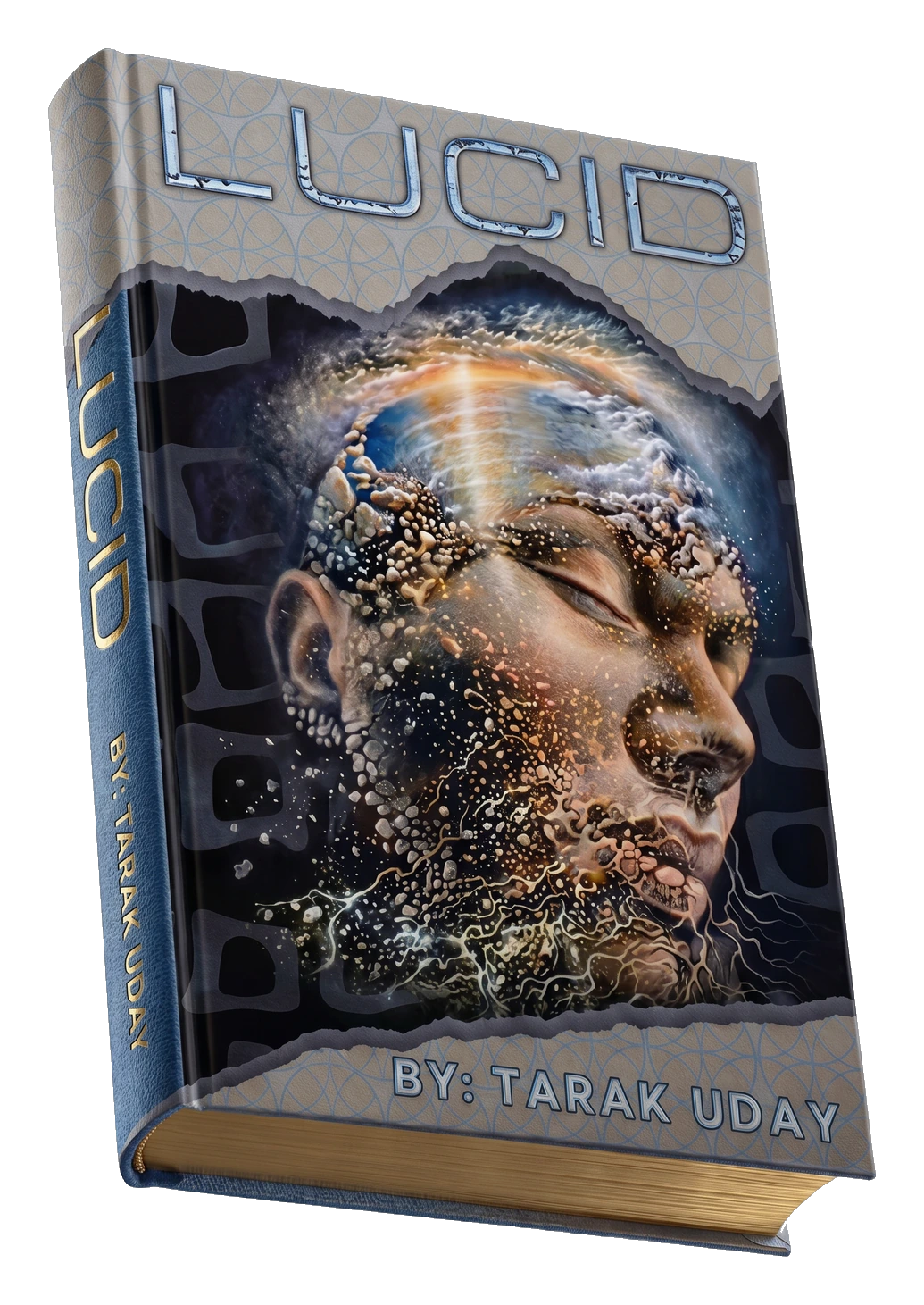
LUCID
You've tried every lucid dreaming technique. Most miss the root cause. LUCID reveals what they all skip.
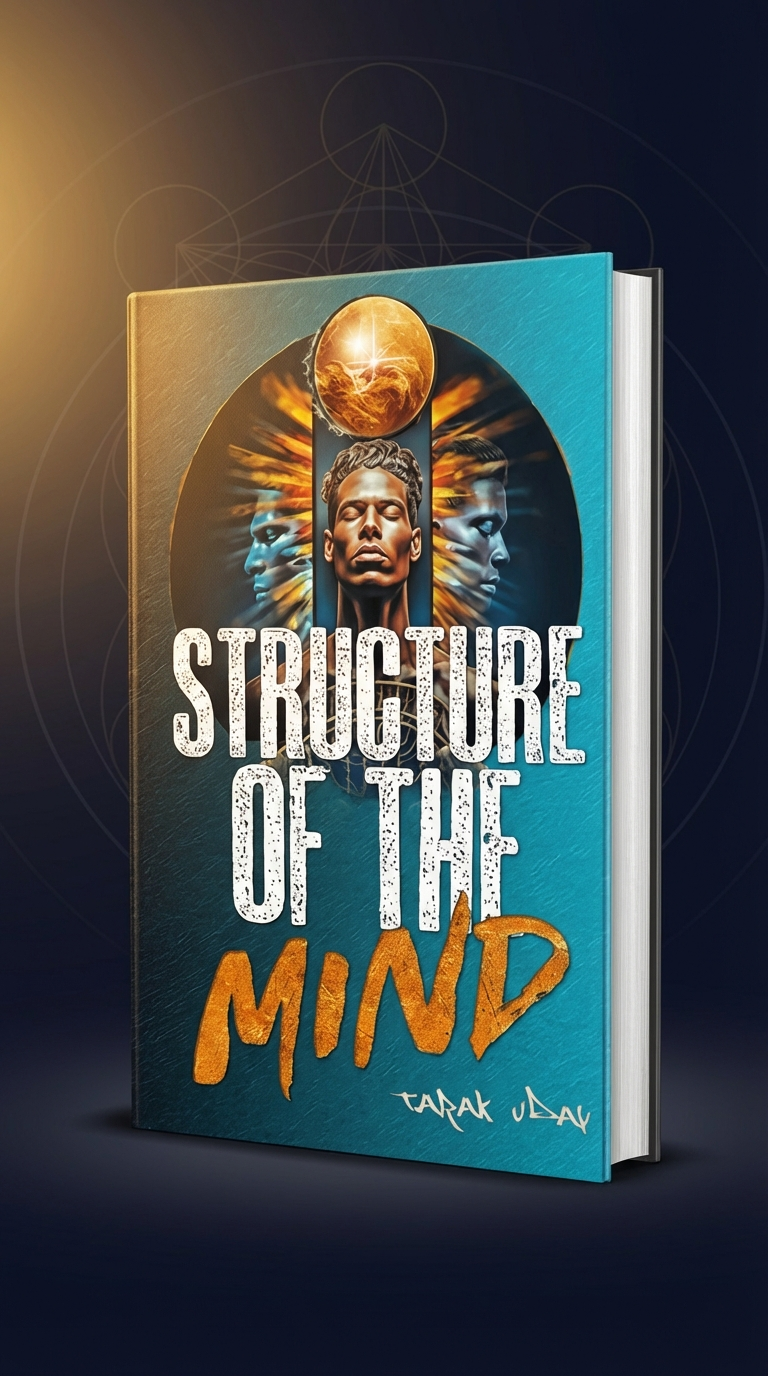
Understand Your Own Mind
"Structure of the Mind" reveals the three divisions of mind, seven levels of consciousness, and powers of mind that most people never learn to develop.