
How to Have the Same Dream Again — Dream Re-Entry and Intentional Return
That dream you woke up from too early? You can go back. Your subconscious left the door open. Here's how to walk through it.
You know the feeling. You're inside a dream — something important is happening, something is about to be revealed, you're on the edge of understanding — and then you wake up. The alarm. A noise. Your body pulling you back. And the dream dissolves before you receive the message.
You don't have to lose it.
Dream re-entry is a real technique. The dream environment doesn't vanish the instant you wake — it persists in your consciousness for several minutes, like a room you stepped out of but haven't closed the door behind you. The door is still open. You can walk back through it.
The Immediate Re-Entry — Same Night, Same Moment
This works when you've JUST woken from the dream — within seconds to a few minutes. The environment is still loaded. The symbols are still active. The message is still being delivered.
Step 1: Don't move
The single most important instruction. When you wake from a dream you want to return to — do not move your body. Don't open your eyes. Don't shift position. Don't reach for your phone or notebook. Physical movement sends a signal to your brain that you're transitioning to waking mode. Stillness keeps the bridge between sleep and waking state intact.
This is hard. Your body wants to move. You want to check the time. You want to record the dream before it fades. Resist all of it. The recording can wait two minutes. The re-entry window cannot.
Step 2: Reconstruct the last scene
With your eyes still closed and your body still, use your imagination — the same faculty you've been training through visualization exercises — to reconstruct the last scene of the dream in full sensory detail.
What did you see? Rebuild it visually. What did you hear? Replay the sounds. What did you feel beneath your feet, on your skin, in your chest? Where were you standing? Who was present? What was about to happen?
The more vividly you reconstruct, the stronger the pull back into the dream. You're not imagining something new — you're re-engaging with an environment that already exists in your consciousness. The visualization isn't creating the dream. It's dialing back into a frequency that's still broadcasting.
Step 3: Intend your return
While holding the scene, speak internally with authority: "Take me back." Or: "I'm returning now." Or simply will yourself into the scene — lean into it with your whole awareness, the way you'd lean through a doorway.
The combination of stillness + vivid reconstruction + intentional will creates the conditions for re-entry. Your consciousness slides back through the opening that hasn't yet closed.
What happens next
If successful — and it often is, especially for practitioners with strong concentration and visualization — you'll feel a shift. The imagined scene stops being imagined and starts being EXPERIENCED. The quality changes from reconstruction to immersion. You're back inside. The dream continues.
Sometimes you re-enter exactly where you left off. Sometimes you enter a nearby scene — same environment, slightly different moment. Both are valid. The subconscious is continuing the message from the closest available point.
The Next-Night Return — Dream Incubation
What if you missed the immediate window? What if you woke up, moved, recorded the dream, went about your day — and now you want to return tonight?
This uses the dream incubation method:
- Before bed, write the dream you want to return to in full detail. Every symbol, every scene, every element you remember. The act of writing reactivates the neural pathways associated with the dream and signals to the subconscious which environment you're requesting.
- Stream of consciousness writing about the dream. What did you feel? What was unfinished? What do you want to know? What do you think the message was? Write until your conscious mind is emptied on the topic.
- Set your intention aloud. "Show me this dream again tonight." Or: "Continue where this dream left off." Or: "Take me back to [specific scene]."
- Perform your nightly ritual. Date, affirmation, notebook by the bed.
The subconscious retains dream environments. They don't delete when you wake up — they're archived. With sufficient desire and specificity, the subconscious can reload the environment and continue the narrative. This may happen the same night you request it, or it may take 2-3 nights — the subconscious may need to deliver other messages first.
Why Some Dreams Feel Unfinished
Because they ARE unfinished. Your subconscious was in the middle of delivering a message and the delivery was interrupted. The alarm went off. A sound in the room pulled you out. Your body hit a sleep cycle transition at the wrong moment.
The message is still queued. Think of it like a letter that was being read aloud to you when someone walked into the room. The letter still exists. The reader still has it. You just need to sit back down and say "keep going."
This is especially true for dreams that carry emotional charge — the ones you wake from feeling like something important was about to happen. That feeling of importance IS the subconscious signaling that the message delivery was incomplete. Your gut knows the dream wasn't finished. Trust that instinct.
Re-entry reopens the door — but you still have to read what is on the other side. Decode the fragment you already have, so you know what you are returning for.
Why Re-Entry Gets Easier Over Time
Three skills determine re-entry success:
Concentration — the ability to hold the dream scene in awareness without your mind wandering to waking concerns. Every minute of the candle exercise directly improves this.
Tarak Uday takes this further in LUCID, his book on becoming aware inside the dream.
Visualization — the ability to reconstruct sensory detail vividly enough that the imagined scene becomes immersive. The visualization exercise builds this.
Relationship with the subconscious — the established trust between your conscious and subconscious minds. When the subconscious knows you listen, it leaves the door open longer. When it knows you record and apply, it WANTS you to return because the message matters.
All three improve with consistent daily practice. Practitioners who have been doing the foundation exercises for months report that dream re-entry becomes almost automatic — they wake from a dream, lie still, and the dream pulls them back in without effort.
When to Re-Enter vs When to Let Go
Re-enter when: The dream felt unfinished. Something was about to be revealed. The emotional charge was high. You were in dialogue with a dream character. You were in a visitation dream with a loved one. You were lucid and got pulled out before completing your intention.
Let it go when: The dream felt complete — it had a natural ending. You woke feeling the message was delivered, even if you can't articulate it yet. The dream was a nightmare and re-entering would be re-entering the fear rather than the message (decode it first, THEN consider returning with awareness if the message is incomplete).
The instinct is usually clear. If you want to go back — go back. The desire itself is the subconscious inviting you to return.
Tonight
If you wake from a dream tonight — and something in you says "I wasn't done" — don't move. Close your eyes tighter. Rebuild the scene. Will yourself back through the door.
The dream is still there. The message is still waiting. And the door doesn't close until you walk away from it.
GO WITHIN>>> OR GO WITHOUT.

Frequently Asked Questions


Books by Tarak Uday

LUCID
You've tried every lucid dreaming technique. Most miss the root cause. LUCID reveals what they all skip.

Learn The Language Your Dreams Speak
"Life Is But a Dream" teaches the Universal Language of Mind — how to read any dream symbol by what it is and what it does, so every dream becomes a message you can act on.
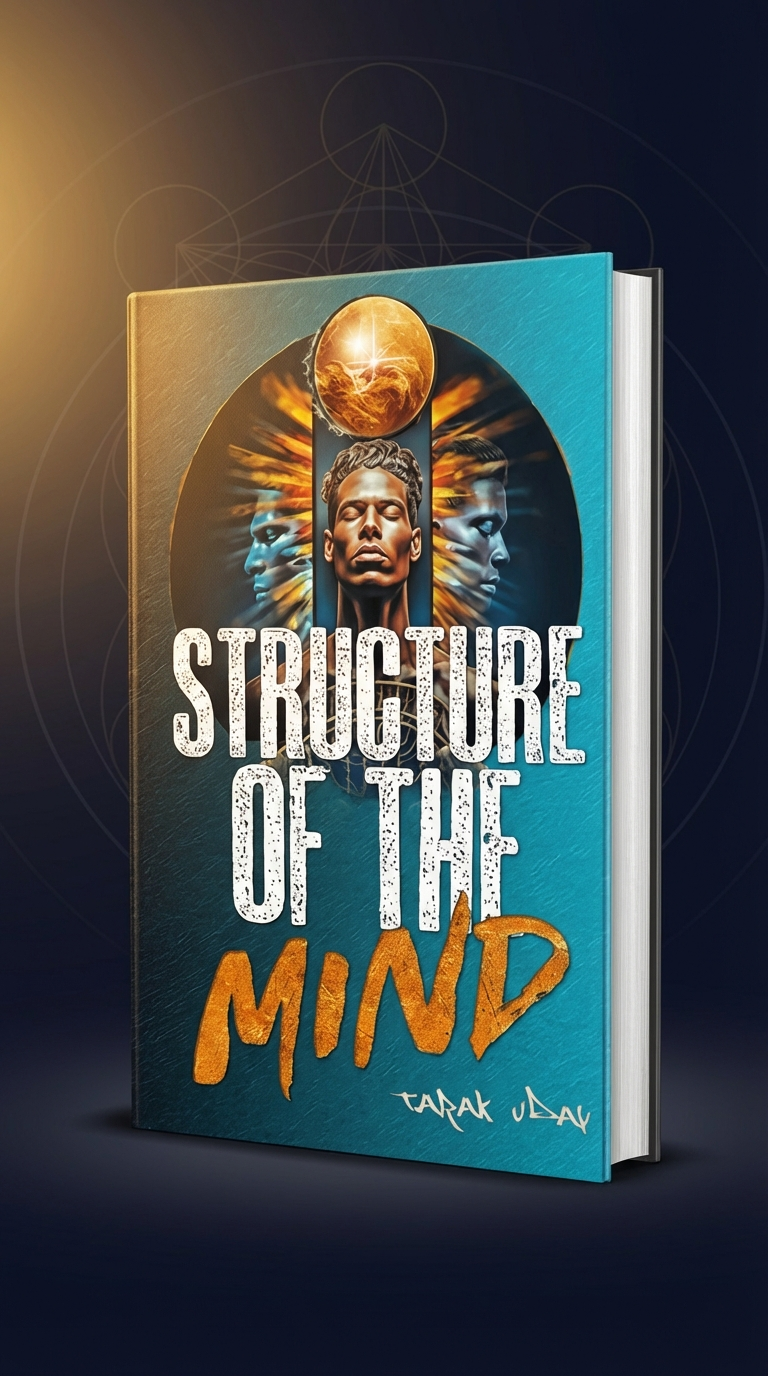
Understand Your Own Mind
"Structure of the Mind" reveals the three divisions of mind, seven levels of consciousness, and powers of mind that most people never learn to develop.