
How to Talk to Your Subconscious Mind in a Dream — Direct Communication With Your Inner Self
Your subconscious talks to you every night through symbols. Here's how to talk BACK — and get specific answers to specific questions.
Every night, your subconscious mind sends you a detailed message about the state of your consciousness, what needs your attention, and what's developing within you. It sends this message through the only language it speaks — the language of symbols, images, and experiences that we call dreams.
Most people receive these messages unconsciously, forget them within minutes of waking, and never know what was communicated. That's one-way communication — your subconscious talking, you not listening.
But communication goes both ways. You can talk BACK to your subconscious. You can ask specific questions and receive specific answers. You can initiate a dialogue — a genuine, ongoing conversation between your conscious awareness and the deeper part of your mind that sees everything you miss.
Method 1: Dream Incubation — Asking Before Sleep
This method doesn't require lucid dreaming. Anyone can do it tonight. It uses the stream of consciousness writing technique to plant a specific question in your subconscious mind before sleep.
The Process:
- Choose a specific question. Not "what should I do with my life?" but "should I take this job offer or stay where I am?" Not "help me with relationships" but "what am I not seeing about my relationship with [person]?" Specificity produces specificity.
- Stream of consciousness writing. Pen and paper. Write EVERYTHING you think about this question — every angle, every fear, every hope, every consideration you've already exhausted. Don't stop until your conscious mind is completely empty on the topic. This creates space for the subconscious to respond.
- Set your intention aloud. "Show me what I need to know about [topic]." Speak it with authority. This is an invocation of willpower.
- Sleep with your notebook beside you. Normal nightly ritual — tomorrow's date, "I WILL REMEMBER MY DREAMS."
- Record whatever comes. The dream may seem unrelated to your question. That's because the subconscious answers in SYMBOLS, not in English. A dream about water might be showing you the quality of your life experiences around that decision. A dream about a death might be showing you that something needs to transform before the answer becomes clear.
- Decode the symbols. Type the dream into CHITTA for a complete interpretation. The answer is IN the symbols — you just need to read them.
The DJ analogy applies: the closer your relationship with your subconscious — built through months of dream journaling, interpretation, and application — the more likely your request is honored immediately. Strong practitioners often receive answers the same night. Newer practitioners may need 2-3 attempts.
Method 2: Lucid Dream Dialogue — Asking Inside the Dream
This method requires lucid dreaming ability — the capacity to become aware that you're dreaming while still inside the dream. Once lucid, you have direct access to the subconscious environment and can initiate conversation.
Talking to Dream Characters
Every person in your dream is an aspect of YOUR consciousness. Males represent conscious mind qualities. Females represent subconscious mind qualities. Authority figures represent the superconscious. Strangers represent unfamiliar aspects of yourself.
Once lucid, approach any dream character and ask:
- "Who are you?" — they may tell you directly what aspect of yourself they represent
- "What do you represent?" — a more pointed version
- "What do I need to know?" — opens the dialogue to whatever is most important
- "What am I not seeing about [specific situation]?" — directs the response
- "How can I help you?" — transforms adversarial encounters into collaborative ones
The responses may be verbal — actual words spoken back. They may be symbolic — the character does something, transforms, leads you somewhere, or hands you something. They may be environmental — the scene shifts around you in response to the question. All of these are answers. Read them through the Universal Language.
Addressing the Dream Itself
You don't need a specific character. You can address the dream environment directly:
- "Show me what I need to see."
- "Take me where I need to go."
- "What is the message of this dream?"
- "Show me my biggest blind spot."
- "What should I focus on right now?"
Speak aloud within the dream, with intention and authority. The environment responds — a door appears, a scene shifts, a new character arrives, the landscape transforms. The subconscious is responding to your request in real time. The answer unfolds before you.
Asking Specific Life Questions
The most powerful use of lucid dream dialogue is asking specific questions about your waking life:
- "What should I do about [career decision]?"
- "What is blocking my progress in [area]?"
- "What do I need to understand about my relationship with [person]?"
- "Show me what I'm creating with my current patterns."
- "What quality do I most need to develop right now?"
The responses are specific, personal, and often remarkably precise — because they come from the part of you that processes EVERYTHING. Your subconscious sees every thought you think, every emotion you feel, every pattern you run, every avoidance you maintain. It has complete data. Your conscious mind operates on fragments. The subconscious operates on totality.
When you ask it a question inside a lucid dream, you're accessing that totality directly. The answer doesn't come from probability or guesswork. It comes from the part of you that already knows.
How to Read the Answers
The subconscious speaks exclusively in the Universal Language of the Mind. It will not give you a PowerPoint presentation with bullet points. It gives you SYMBOLS — and each symbol has a specific, consistent meaning based on its function.
If you ask "what should I do about my career?" and the dream shows you swimming in clear water, it's telling you: your current life experiences in that area are clear and navigable — keep going. If the water is muddy, those experiences are confused or contaminated — something needs to be clarified before you can move forward.
If you ask "what am I not seeing?" and a dog appears, the subconscious is pointing at a habitual thought pattern. A friendly dog = a beneficial habit you're not giving enough attention. An aggressive dog = a destructive habit you're ignoring.
If you ask "what quality do I need?" and a snake appears, the answer is creative energy — your Kundalini. You need to engage your creative power more actively.
The symbols are precise. The answers are specific. You just need to speak the language they're delivered in. CHITTA decodes them for you while you're building fluency.
Building the Relationship
The quality of communication with your subconscious — the clarity, speed, and specificity of the answers you receive — is directly proportional to the relationship you've built with it.
Tarak Uday takes this further in LUCID, his book on becoming aware inside the dream.
The relationship is built through one cycle, repeated daily:
Receive the dream → Record it → Interpret the symbols → Apply the message → Receive a new dream in response.
Every time you complete this cycle, you're telling your subconscious: I'm listening. I understood. I responded. And the subconscious replies: Good. Here's the next message. And the messages become clearer, more direct, more accessible.
Skip the cycle — don't record, don't interpret, don't apply — and the subconscious notices. The messages become harder to access. The dreams become more symbolic, more obscure, harder to remember. Not because the subconscious is punishing you — because it's calibrating its communication to match your demonstrated level of engagement.
Engage deeply, consistently, daily — and the communication becomes a fluid, ongoing dialogue that transforms every area of your life.
What to Ask Tonight
- Pick ONE question. Specific. About something you genuinely need guidance on.
- Stream of consciousness writing. Empty your conscious mind on the topic.
- Set your intention aloud.
- Record whatever dream comes.
- Decode it in CHITTA. The answer is in the symbols.
- Apply what you learn. This completes the cycle and strengthens the relationship for next time.
Your subconscious has been waiting your entire life for you to start this conversation. It has answers to every question you carry. It sees everything you miss. And it communicates — clearly, specifically, nightly — through a language that is 5,000 years old and fully decodable.
Tonight, ask it a question. Tomorrow, read the answer.
GO WITHIN>>> OR GO WITHOUT.

Frequently Asked Questions


Books by Tarak Uday
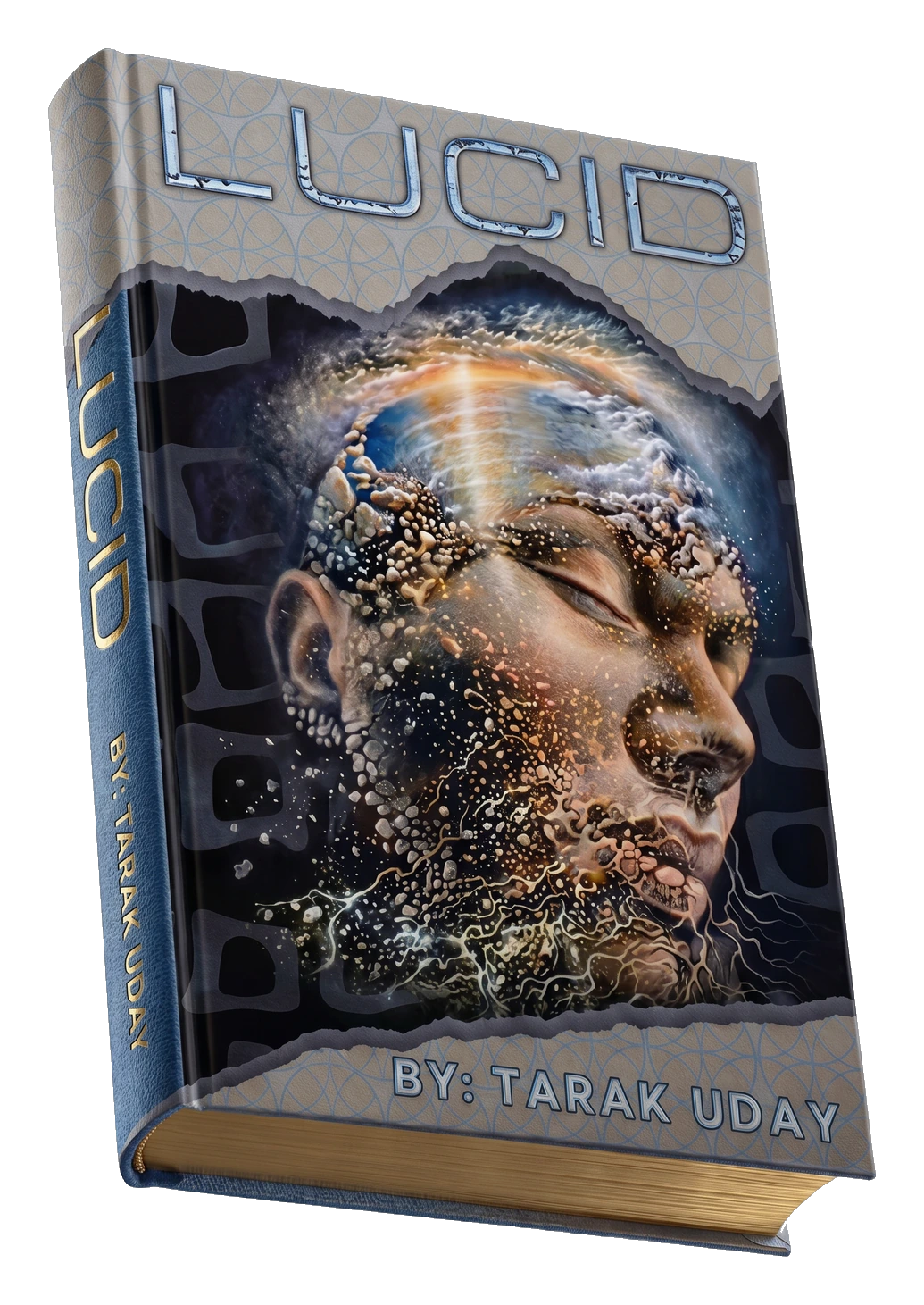
LUCID
You've tried every lucid dreaming technique. Most miss the root cause. LUCID reveals what they all skip.

Learn The Language Your Dreams Speak
"Life Is But a Dream" teaches the Universal Language of Mind — how to read any dream symbol by what it is and what it does, so every dream becomes a message you can act on.
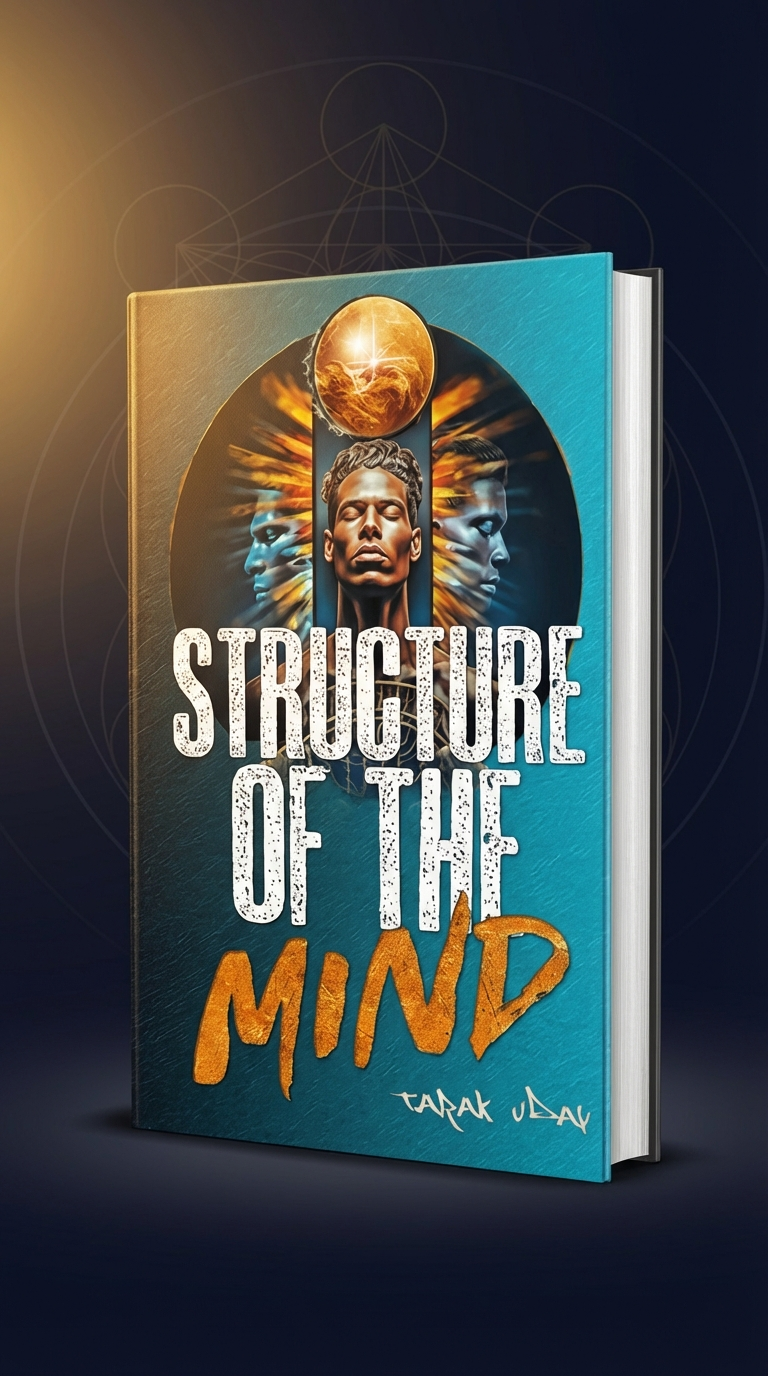
Understand Your Own Mind
"Structure of the Mind" reveals the three divisions of mind, seven levels of consciousness, and powers of mind that most people never learn to develop.