
Murder in Dreams: What It Really Means
So you woke up rattled because you killed someone in a dream. Here's what your subconscious was actually staging.


So you woke up rattled because in the dream you killed someone — or someone killed you — and now a quiet voice is asking what kind of person dreams about murder. Let's settle that right now: a murder dream is almost never about violence. In the Universal Language of the Mind, killing is the act of forcibly ending an aspect of yourself. Your subconscious staged a death because some part of you — a habit, an attitude, an old identity — is being eliminated so a newer you can take its place.
That's the direct answer. Now let's slow down, because the piece almost everyone gets wrong is the piece that matters most.
Why Does Everyone Read Murder Dreams Backwards?
Open any internet dream dictionary and you'll be told a murder dream means buried rage, secret guilt, or some literal warning that violence is coming. So you go to bed a little afraid of your own mind. That reading is backwards, and it's worth seeing why before we go further.
Your dreaming mind doesn't speak in headlines. It speaks in pictures. It takes an inner event — something invisible and emotional — and gives it a body you can watch. When a part of you is being cut off and ended, the most honest picture the mind can paint is a killing. The violence on screen isn't a prediction. It's a translation. So the question is never "who am I going to hurt?" The question is "what part of me is ending?"
This is the same logic that runs underneath a dream about dying or a dream about being killed — the mind reaches for the most dramatic image it has because the inner shift is genuinely dramatic. The scale of the picture matches the scale of the change, not the danger. A small habit might fade quietly in a dream. A core identity dying gets a body, a weapon, and a scene you can't look away from. That intensity is a measure of how big the transformation is, nothing more.
Once you flip that, the fear drains out of the dream and the meaning floods in.
What Does Murder Actually Mean in the Universal Language of the Mind?
Start with the simplest piece. In the Universal Language of the Mind, death is inner transformation — not an ending of life, but the death of one inner state so another can be born. Killing is the active, deliberate version of that. To kill is to consciously cause an inner transformation. You aren't waiting for a part of yourself to fade. You're ending it on purpose.
Murder, then, is transformation with force behind it. It's the version of change that doesn't ask politely. According to Tarak Uday, who teaches the Universal Language of the Mind, every figure in your dream is an aspect of you wearing a face. So when a killing happens, one part of you is forcibly removing another part of you from power. That's not a crime scene. That's an inner government changing hands.
This is why people so often dream of murder right at the edge of a big life change — a breakup, a career pivot, the first real day of getting sober, the moment they finally stop shrinking themselves for someone else. The old self has to die for the new one to stand up. The dream is just showing you the handover.
It also explains why these dreams feel so much more charged than a typical killing dream. The word "murder" carries intent and weight, and your subconscious chose it on purpose. It isn't drawing a slow, natural fading-out of an old trait. It's drawing a decisive, sometimes painful cut — the kind of ending you commit to rather than drift into. When the inner change requires real resolve, the dream gives you a real act. Form follows function: the deliberateness of the symbol mirrors the deliberateness the transformation is asking of you.
Who Are You Really Killing in the Dream?
Here's where it gets personal. The victim is never random. In a dream, every character is a mirror. A man you kill usually represents an aspect of your conscious, thinking mind — a way of reasoning you're done with. A woman often represents a subconscious aspect — a feeling, an intuition, a receptive part of you. A stranger is an unfamiliar aspect of yourself you haven't fully met yet. And someone you actually know? They represent the quality you most associate with that person — the controlling boss in your dream is your own controlling streak, not a forecast about your job.
So the real work is to ask: what did that person represent to me? The answer is the part of you that's on its way out. Maybe it's the people-pleaser. Maybe it's the version of you that always plays small. Maybe it's an old story about being unlovable that you've finally decided to end. When you see who died, you see what you're ready to release.
Notice the feeling you had in the dream too, because it's part of the message. Were you horrified, calm, relieved, or strangely satisfied as the act happened? Horror usually means a part of you is still attached to what's dying and isn't ready to admit it's over. Calm or relief often means the deeper you has already accepted the change and is simply informing the waking you. That emotional read is where the Universal Language of the Mind turns from a translation exercise into a mirror — the dream stops being about a stranger on a screen and becomes unmistakably about you.
Want to know exactly what your murder dream is ending?
CHITTA reads your dream through the Universal Language of the Mind and shows you the precise aspect of yourself your subconscious is transforming.
Decode Your Dream Now →What's the Difference Between Killing, Being Killed, and a Murderer Chasing You?
The same symbol changes meaning depending on where you stand in it, so let's separate the three most common versions.
When you are the one doing the killing, you are the agent of change. Some part of you has decided, consciously, to end an old pattern — and you're carrying it out. It can feel disturbing in the dream, but it's actually the most empowered position: you're authoring the transformation rather than suffering it.
When you are being murdered, an aspect of you is being forcibly transformed — and very often it's a part you've been gripping tightly. The change is coming whether you sign off on it or not. Being killed in the dream isn't a threat to your life. It's your mind showing you a part of yourself that is dying so you can stop bracing against the loss and start cooperating with it.
And when a murderer is chasing you, the meaning shifts again. In the Universal Language of the Mind, a murderer pursuing you represents the feeling that something outside of yourself is forcing the change. It's the transformation you sense is being imposed — by circumstance, by another person, by a deadline you didn't choose. The instinct is to run. But running from the murderer is running from a change that's already underway, which is why these dreams tend to repeat until you turn and face what's actually ending. If yours has turned into a chase, the same avoidance pattern is at work that drives a being-chased dream — the figure only has power as long as you keep your back to it.
Tarak Uday takes this further in Life Is But a Dream, his guide to reading every dream in the Universal Language of the Mind.
One more variation worth naming: murdering someone you love, like a parent, partner, or child. People wake from these mortified. But a loved one in a dream represents the quality you associate with them, so ending them is ending that quality's grip on you — your inherited fear from a parent, your dependence inside a relationship, your over-identification with being a caretaker. The dream picked the person you'd least want to harm precisely because the part of you that's dying is wrapped around something you love. That's not cruelty. That's the mind being exact about how close to the bone the change is.
How Do You Work With a Murder Dream When You Wake Up?
Don't shake it off. A murder dream is one of the clearest diagnostic signals your subconscious sends, so use it. First, name who died — the exact person or figure. Second, ask what quality you most associate with them; that quality is the aspect of you in transition. Third, look at your waking life and find the matching ending: what habit, belief, relationship, or self-image is on its way out right now? Write down the answer in plain language — "the part of me that needs everyone's approval is dying" — and notice how your body reacts when you read it back.
That reaction is the whole point. The dream did its job the moment you felt seen. From there, the move is to cooperate with the death instead of mourning it. The version of you that's ending was never your enemy; it just isn't the one who gets to drive anymore.
If you want a practice for it, try this on the night a murder dream wakes you. Sit up, and instead of replaying the gore, ask the figure who died a single question: "What were you protecting me from?" Old patterns rarely form for no reason — the people-pleaser kept you safe once, the small version of you avoided a risk that genuinely scared you. Thank the part that's leaving for the job it did, then let it go. This isn't sentimentality. In the Universal Language of the Mind, a transformation you bless integrates cleanly, while one you resist tends to come back wearing a new face in next week's dream. You speed the change by honoring what it's ending, not by fighting the ending itself.

Bindu says: "You didn't dream of a murder. You dreamed of a graduation — and graduations always look violent to the part that has to leave."
So the next time you wake up with blood on your hands in a dream, don't ask what's wrong with you. Ask what's finally ready to end. That's not a nightmare talking. That's the Universal Language of the Mind telling you a new version of you is already on the way.
Your subconscious just told you what's ending. CHITTA tells you what's being born.
Decode tonight's dream and meet the version of yourself your mind is clearing space for.
Decode Your Dream Now →Frequently Asked Questions



Books by Tarak Uday

Learn The Language Your Dreams Speak
"Life Is But a Dream" teaches the Universal Language of the Mind — how to read any dream symbol by what it is and what it does, so every dream becomes a message you can act on.
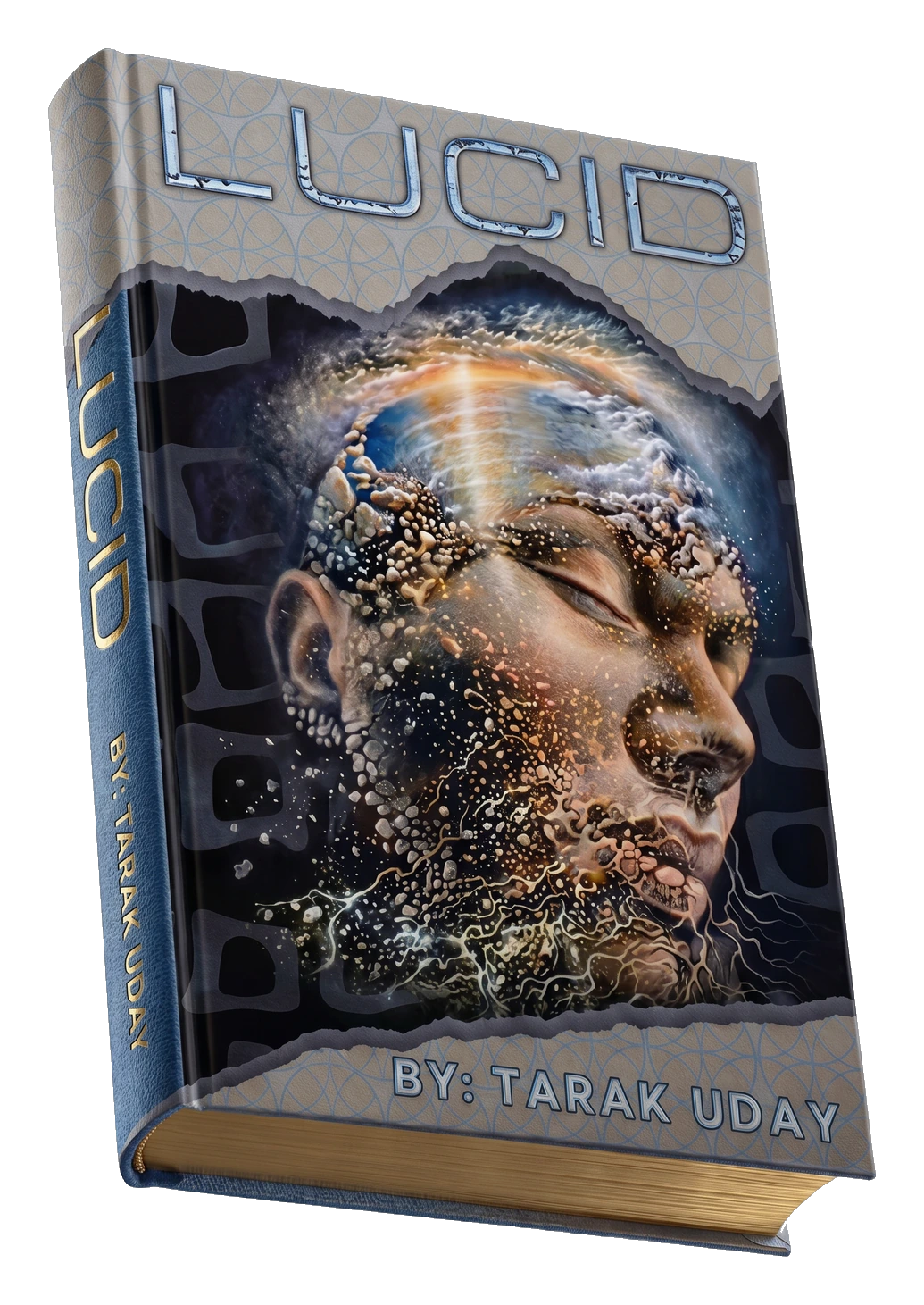
LUCID
You've tried every lucid dreaming technique. Most miss the root cause. LUCID reveals what they all skip.
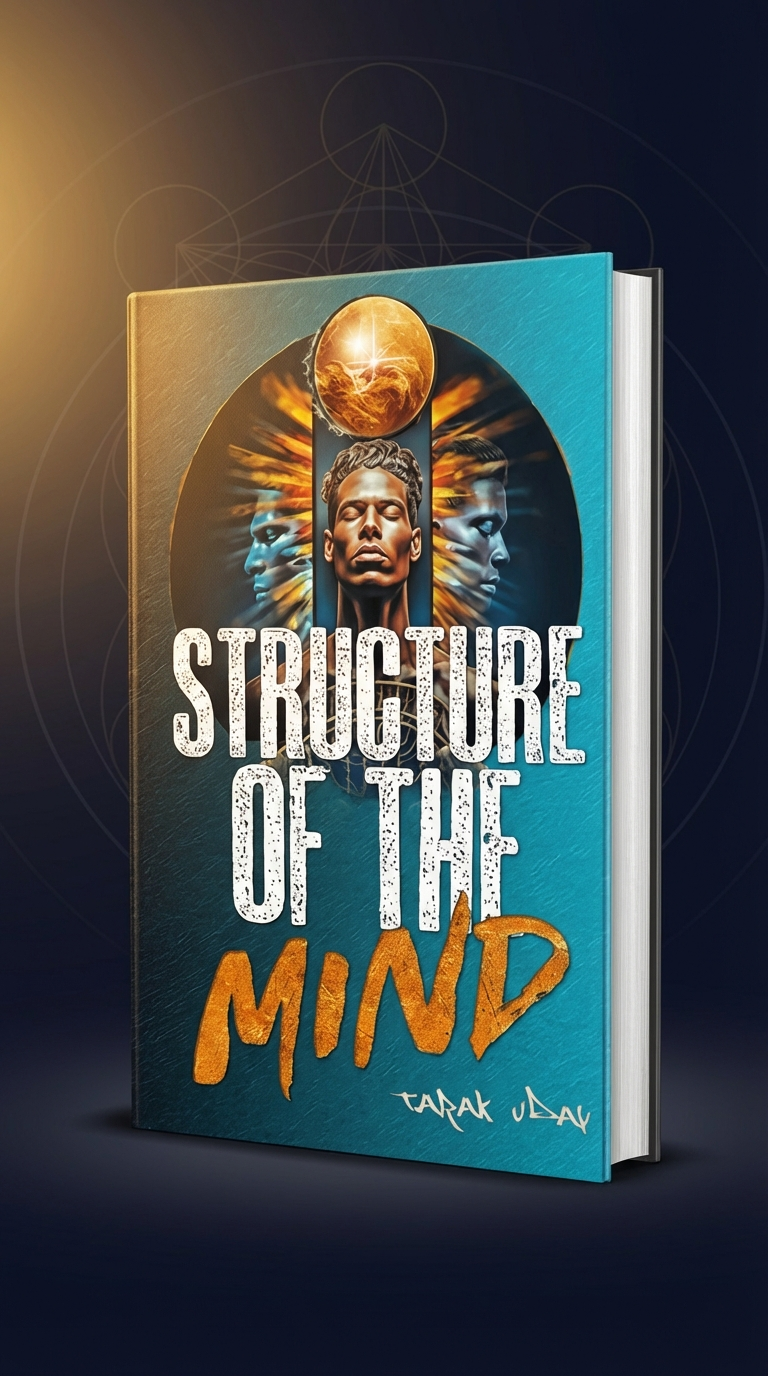
Understand Your Own Mind
"Structure of the Mind" reveals the three divisions of mind, seven levels of consciousness, and powers of mind that most people never learn to develop.