
The Best App to Understand Nightmares (Not Just Log Them)
You don't want a chart of how often you wake up screaming. You want to know why - and how to make it stop.
The best app to understand nightmares is the one that translates the fear instead of just recording it. That's the whole distinction. Most apps log your nightmare, chart how often it happens, and maybe offer a soothing paragraph. According to the Universal Language of the Mind, that misses the point entirely - because a nightmare isn't a malfunction to track and suppress. It's your subconscious shouting a message you keep ignoring, and fear is just how loud it had to get. The best app decodes the shout. It tells you what the nightmare is actually saying.
So you keep waking up with your heart slamming. The same terror, or a new one, but always that jolt into the dark, that residue of dread that follows you into the morning. And what you want isn't a chart of how many nightmares you had this month. You want it to stop. You want to know why it's happening.
Here's what almost no app will tell you: a nightmare is trying to help you. That sounds impossible when you're the one gasping awake at 3 a.m. - but it's the key that unlocks the whole thing. Let's follow it, because understanding why nightmares happen is the only thing that actually makes them stop.
What Is a Nightmare Actually Trying to Do?
A nightmare is trying to get a message through that you've been ignoring. In the Universal Language of the Mind, every dream is the subconscious communicating in symbols. When the message is important and you keep missing it, the subconscious does the only thing it can - it turns up the emotional volume. Fear is that volume knob. A nightmare isn't the subconscious attacking you. It's the subconscious escalating, because the quiet versions of the message didn't land.
So the terror isn't the point - it's the delivery mechanism for the point. This flips everything. The goal was never to silence the nightmare, any more than you'd fix a smoke alarm by ripping out the battery. The goal is to receive the message it's screaming, at which point the alarm has done its job and can finally go quiet. An app that just logs and soothes is muffling the alarm. An app that decodes reads what the alarm is warning you about.
A nightmare is an escalated message, not a malfunction. Fear is the volume, not the meaning. Logging muffles the alarm; decoding reads what it's warning you about - and that's what makes it stop.
Why Doesn't Logging or Suppressing a Nightmare Work?
Logging and suppressing don't work because they treat the symptom and ignore the sender. Track a nightmare in a beautiful chart and you've documented that the alarm keeps ringing - you've learned nothing about the fire. Suppress it with distraction or sheer avoidance and the subconscious just raises the volume again, because the message still hasn't been received. Most nightmare apps live in this trap: excellent at recording the ringing, silent on the cause.
And the AI ones usually make it worse, not better, by handing you a soothing but improvised interpretation that changes every time you ask - the exact failure we documented in why ChatGPT gives you a different dream interpretation every time. A nightmare is the one dream you most need a stable, true reading of, and a generator gives you a comforting guess instead. That's why people cycle through nightmare apps for months and still wake up scared. They keep muffling the alarm and never read it. We get into why recurring ones persist in the best dream interpretation app for recurring dreams.
"You don't stop a nightmare by silencing it. You stop it by finally hearing what it came to say."
How Does the Universal Language of the Mind Decode a Nightmare?
The Universal Language of the Mind decodes a nightmare by reading its symbols by form and function, exactly like any other dream - the fear doesn't change the method, it just marks urgency. A monster is a fear or a disowned part of yourself given a threatening shape. Being chased is something you're avoiding in waking life. Drowning is being overwhelmed by conscious life experience. The nightmare names your exact issue - it just names it loudly.
And here's the relief in it: once you decode the symbol, the horror reframes into information. The monster isn't hunting you; it's showing you what you won't face. Read that way, a nightmare becomes one of the most useful dreams you can have, because the subconscious only shouts about things that matter. As Tarak Uday teaches in Life is But a Dream, a dream turns frightening when its message keeps going unheard - your subconscious mind begins to use your emotions to get you to pay attention to the message.
What Are the Most Common Nightmares Really Saying?
The most common nightmares recur across millions of people because they map to the most common places people get stuck - and each has a precise reading. A nightmare of being chased says you are avoiding something you need to turn and face. A nightmare of falling says you feel a loss of control in some area of your waking life. A nightmare of being attacked says a part of you, disowned and unaddressed, has grown loud enough to confront you.
None of these are predictions or omens, which is the fear most people bring to them. Deirdre Barrett's research on nightmares and trauma shows the sleeping mind returns to unresolved material precisely so it can be worked through - the nightmare is the mind trying to metabolize something, not warn of doom. The Universal Language of the Mind gives that process a readable grammar, so instead of dreading the next one, you can decode it and use it. The recurring nightmare, especially, is just the same unread message resent at higher volume.
Tarak Uday takes this further in Life Is But a Dream, his guide to reading every dream in the Universal Language of the Mind.
What Should the Best Nightmare App Actually Do?
The best nightmare app should decode, connect, and resolve - not log, chart, and soothe. First, decode the nightmare's symbols against a fixed framework so you know precisely what it's saying, the same way every time. Second, connect that meaning to your waking life in the last day or two, because the nightmare is escalating about something specific you're living. Third, point you at the belief or action that resolves it - because a received message stops needing to be resent, and a resolved fear stops needing to be dreamed.
That's the decode-versus-log axis, and nightmares are where it matters most, because the stakes are your sleep and your peace. An app that only tracks frequency is a very expensive alarm-counter. An app that decodes through the Universal Language of the Mind is the one that can actually end the cycle. We ranked every major option on exactly this criterion in the best dream interpretation apps and the top 5 dream interpretation apps for 2026.
The best app to understand nightmares decodes them through the Universal Language of the Mind instead of just logging them - because a nightmare is an escalated message, not a malfunction. Read the symbols by form and function, connect them to your life, act on what they reveal, and the alarm goes quiet because it finally got through. Logging counts the screams. Decoding answers them. Only one makes the nightmares stop.
Stop counting your nightmares and start understanding them. Bring the one that keeps waking you to CHITTA for a Universal Language of the Mind decoding - so you can hear what it's been screaming and finally let it rest.
So the next time you jolt awake in the dark, try a different first thought. Not "make it stop" - but "what are you trying to tell me?" That single reframe is where the fear starts turning back into information. The nightmare was never here to torment you. It was here to be heard - and the moment you hear it, it has no reason to come back.
Frequently Asked Questions



Books by Tarak Uday
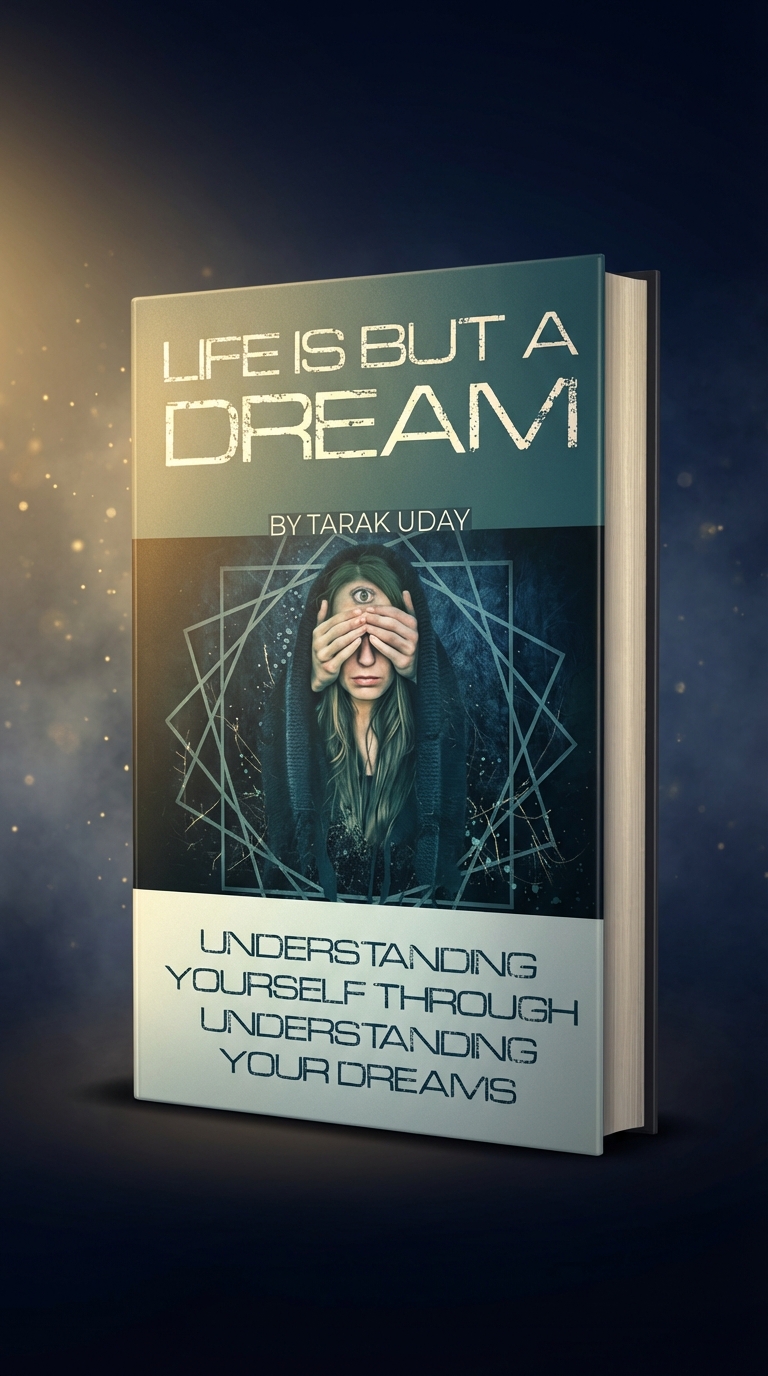
Learn The Language Your Dreams Speak
"Life Is But a Dream" teaches the Universal Language of the Mind — how to read any dream symbol by what it is and what it does, so every dream becomes a message you can act on.
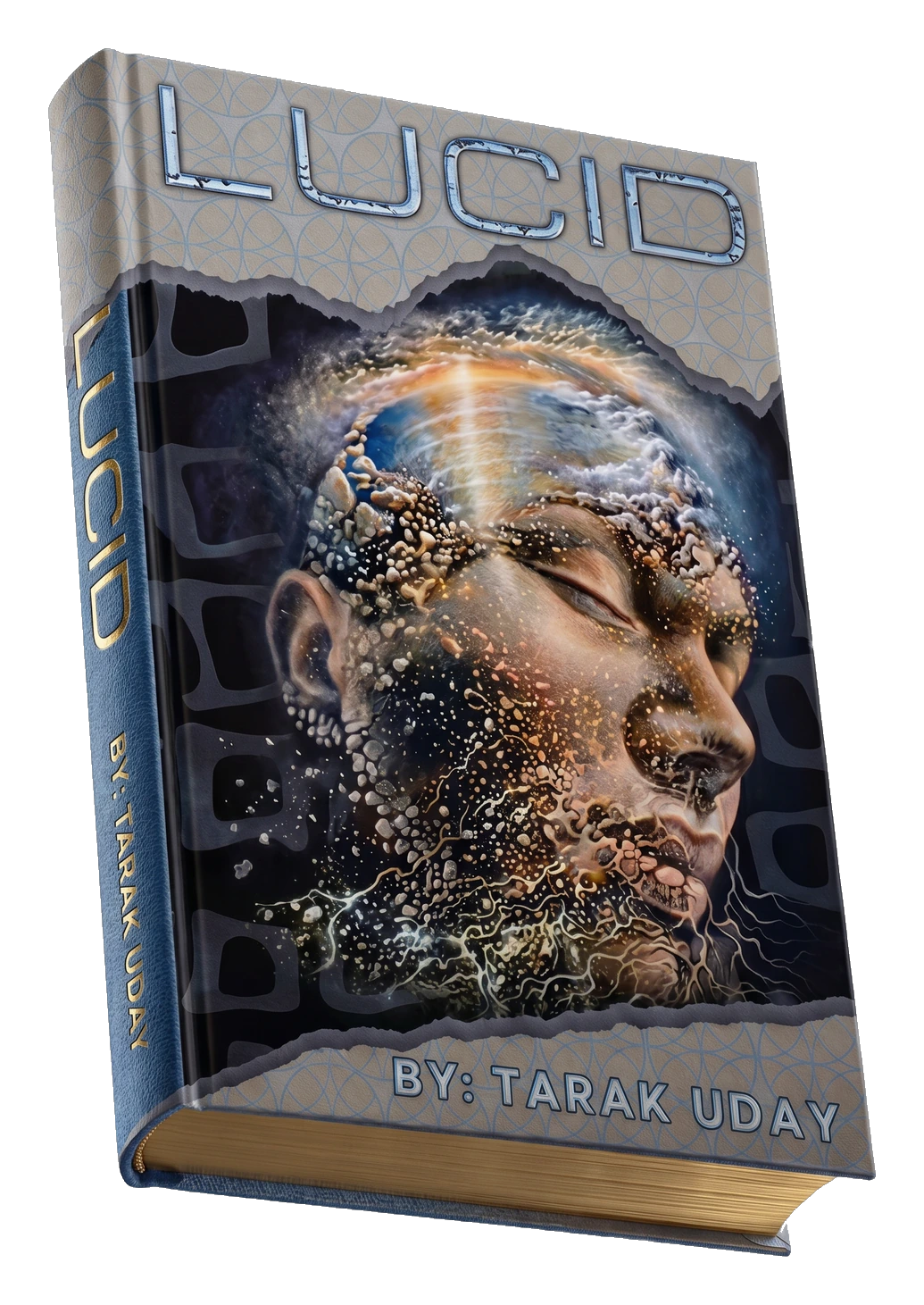
LUCID
You've tried every lucid dreaming technique. Most miss the root cause. LUCID reveals what they all skip.
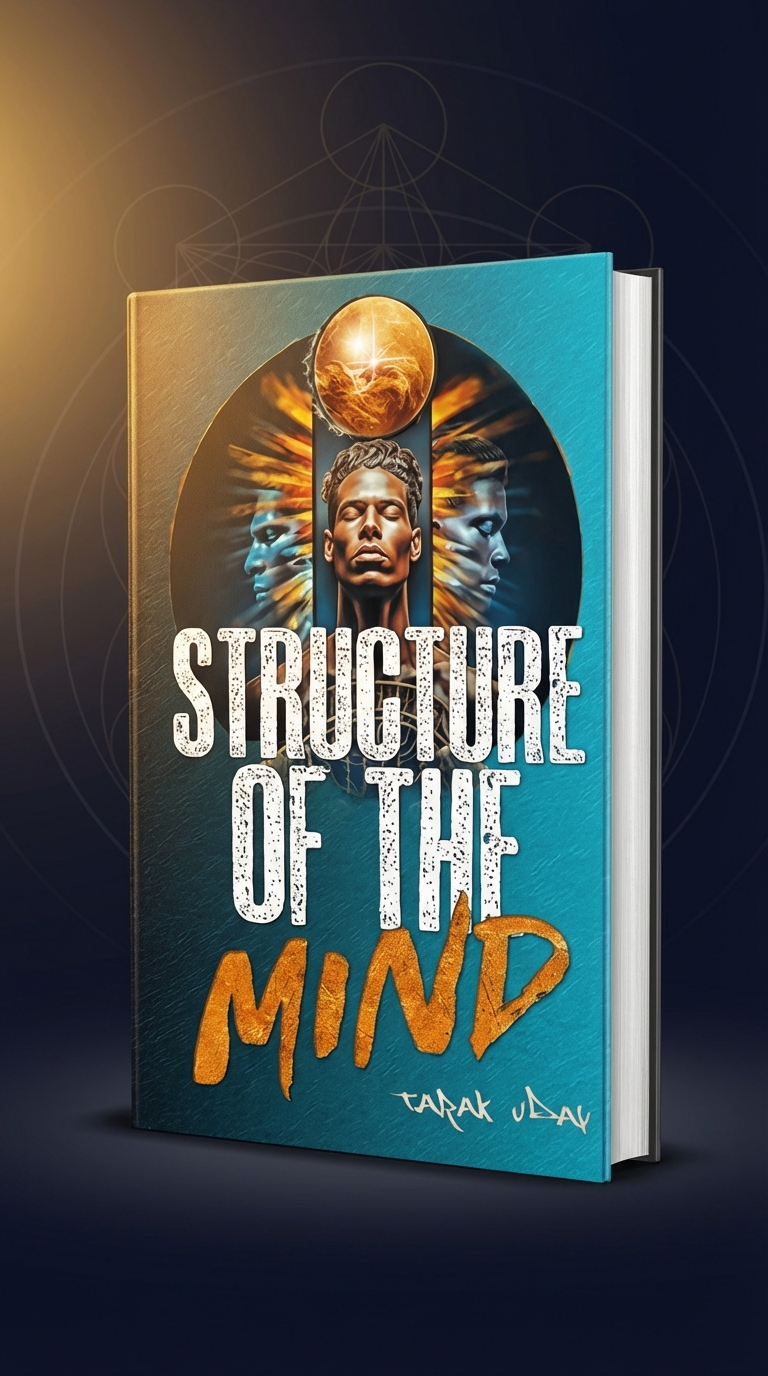
Understand Your Own Mind
"Structure of the Mind" reveals the three divisions of mind, seven levels of consciousness, and powers of mind that most people never learn to develop.