
Being Murdered in a Dream: What It Means
You were the victim this time. Here's why your subconscious staged your own death — and why it isn't a warning.


This time you were the one who didn't make it. Someone came for you in the dream, and you woke up with your heart pounding, wondering if it means something bad is coming. Let's take the fear off the table first: being murdered in a dream is not a warning and not an omen. In the Universal Language of the Mind, it means an aspect of yourself is being forcibly transformed — a part of you is dying so a newer state can be born, and the dream simply put you on the receiving end of that change.
That's the direct answer. Now let's get into why you were the victim, because that detail is the whole message.
Why Isn't Being Murdered in a Dream a Warning?
Search this dream online and you'll be told it signals danger, vulnerability, or that someone is out to get you. So you wake up scanning your life for threats. That reading gets the direction exactly backwards, and it's worth seeing why before we go further.
This dream isn't forecasting an event. It pictures an inner state. When something inside you is ending against your grip, the most honest image the mind can stage is a killing where you're the one who falls. The knife isn't aimed at your future. It's aimed at a version of you that's already on its way out. So the question isn't "who's coming for me?" The question is "what part of me is finally being taken off the throne?"
This is the same mechanism running underneath a dream of murdering someone or a dream of dying — only here you're experiencing the transformation rather than authoring it. That single shift in role changes everything about what the dream is asking of you.
And notice how relieving that reframe is. A warning leaves you helpless, scanning the horizon for an attacker you can't name. A transformation puts you back in the driver's seat, because once you know a part of you is being retired, you get to decide whether to fight the retirement or bless it. The dream was never trying to scare you. It was trying to update you on an inner event your waking mind hadn't caught up to yet.
What Does Being the Victim Reveal in the Universal Language of the Mind?
Start with the foundation. In the Universal Language of the Mind, death is inner transformation — one state ending so another can begin. Being murdered is the passive form of that. You're not the agent making the change; you're the part of you experiencing the change being made. And that's the clue. When you're the victim, your dream is showing you a transformation that's happening to you faster than your conscious mind has agreed to.
According to Tarak Uday, who teaches the Universal Language of the Mind, every figure in the dream is an aspect of you. So even the killer is yours. Most often the part of you being murdered is the part that's been clinging hardest — the old identity, the comfortable story, the role you've outgrown but won't put down. The dream doesn't kill what you've already released. It kills what you're still holding.
This is why these dreams cluster around forced endings — a layoff you didn't choose, a relationship ending on someone else's terms, a health event, an identity that circumstances are dismantling whether you like it or not. The violence in the dream matches the violence you feel in losing something you weren't ready to lose. It's not cruelty. It's accuracy.
It also explains the strange detail people rarely mention: how often you keep moving after the fatal blow, or watch your own body from a slight distance. That's not a glitch in the dream. In the Universal Language of the Mind, the "you" that keeps going is the deeper self that survives every inner death — the awareness that has watched a dozen versions of you come and go and never once ended with them. The part on the ground was always a costume. The part still watching is who you actually are. The dream is quietly showing you the difference between the two, which is the most freeing thing it could possibly teach.
Who Is the One Murdering You?
The killer matters, because it names the force behind the change. A stranger murdering you points to an unfamiliar aspect of yourself — a part you haven't met yet that's powerful enough to end an old you. Someone you know represents the quality you associate with them doing the transforming; if it's your controlling boss, your own drive toward control is dismantling your passivity. And when the murderer feels like a faceless intruder or something hunting you, that's the felt sense that something outside of yourself is forcing the change — the same signal that defines the murderer as a dream symbol.
So sit with who did it. The identity of the killer tells you which part of you, or which pressure in your life, is strong enough to overthrow the version of you that's dying. That's not a threat. That's a map of where your transformation is coming from.
And don't skip the weapon or the method, because the dream is precise about those too. Being shot from a distance often points to a change set in motion by something remote from your daily life — a decision made above your head, a shift you didn't see load. Being strangled up close tends to mirror a pressure you feel breathing down your neck, something intimate and constant squeezing an old self out of you. The mind chooses these details the way a good writer chooses verbs: nothing is there by accident, and every one of them is pointing back at the exact texture of the transformation you're living through.
Want to know which part of you is being transformed?
CHITTA reads your dream through the Universal Language of the Mind and shows you the exact aspect of yourself your subconscious is ending — and what's taking its place.
Decode Your Dream Now →Why Do You Keep Dreaming of Being Murdered?
If this dream repeats, it's not random and it's not your mind tormenting you. In the Universal Language of the Mind, a recurring dream is an unlearned lesson being replayed. The murder keeps coming back because you keep bracing against the very change it depicts. Every time you tighten your grip on the part that's meant to die, your subconscious runs the scene again, a little louder.
Here's the uncomfortable mirror: the dream won't stop because the killer is winning. It'll stop when you stop fighting the death. The part of you on the floor was never your protector for life — it was a phase, a survival strategy, a self that fit a season you've outgrown. Resisting its death doesn't keep you safe. It just keeps you in the loop.
So the move is counterintuitive. Instead of trying to survive the murder, let the old self go. The dreamer who turns toward their own death and accepts it almost always reports the nightmares stopping — because the lesson finally landed. If your version has turned into an endless flight from the attacker, the same avoidance loop is at work that drives a being-chased dream: the pursuer only has power while your back is turned, and the death only feels like a threat while you're sprinting from it.
There's a quieter version of this too — being murdered slowly, or knowing it's coming and feeling powerless to stop it. That dread usually maps to a change you can see approaching in waking life and have decided you can't influence. The dream isn't confirming your powerlessness. It's exposing the belief, so you can question whether you're truly helpless or just rehearsing surrender to something you could still meet on your own terms.
Tarak Uday takes this further in Life Is But a Dream, his guide to reading every dream in the Universal Language of the Mind.
How Do You Work With a Being-Murdered Dream When You Wake Up?
Don't brush it off. Sit up and name three things. First, who killed you, and what quality or pressure do you associate with them — that's the force of transformation. Second, how did you die, and how did you feel as it happened; panic means resistance, calm means a part of you has already surrendered. Third, look at your waking life for the ending you didn't choose: what is being taken from your hands right now? Write it plainly — "the version of me that needed that job to feel worthy is being killed off" — and watch how your body answers.
That reaction is the dream completing its job. From there, the practice is surrender, not defense. Picture the part of you that died and tell it the truth: it served you, and its watch is over. In the Universal Language of the Mind, a transformation you stop resisting integrates cleanly, while one you fight comes back wearing a new mask. You don't beat this dream by surviving it. You finish it by letting the old you rest.
If you want to take it one step further, try a short waking practice the morning after. Close your eyes and deliberately replay the moment of the murder — but this time, don't flinch and don't run. Let it happen, and as it does, silently say, "I release this version of me." It sounds simple, almost too simple, but you're using your conscious mind to ratify a change your subconscious already started. You're signing the paperwork the dream put in front of you. Most people find that the charge drains out of the memory the instant they stop defending against it, and that's the felt proof the lesson has been received rather than merely witnessed.
Pay attention, too, to what shows up in the dream after the death — a new room, a stranger, an open road, a sunrise. Those aren't decoration. They're the subconscious sketching the version of you that the ending makes room for, and they're worth more of your attention than the violence that preceded them.

Bindu says: "You weren't murdered. You were released — and you fought it because you mistook the cage for yourself."
So the next time you die in a dream, don't go looking over your shoulder in waking life. Ask instead what you're being asked to release. That pounding heart isn't fear of an enemy. It's the Universal Language of the Mind telling you a part of you is finally free to go — and a new one is already stepping in.
A part of you just died. CHITTA shows you who's being born.
Decode tonight's dream and meet the version of yourself your subconscious is clearing the way for.
Decode Your Dream Now →Frequently Asked Questions



Books by Tarak Uday

Learn The Language Your Dreams Speak
"Life Is But a Dream" teaches the Universal Language of the Mind — how to read any dream symbol by what it is and what it does, so every dream becomes a message you can act on.

LUCID
You've tried every lucid dreaming technique. Most miss the root cause. LUCID reveals what they all skip.
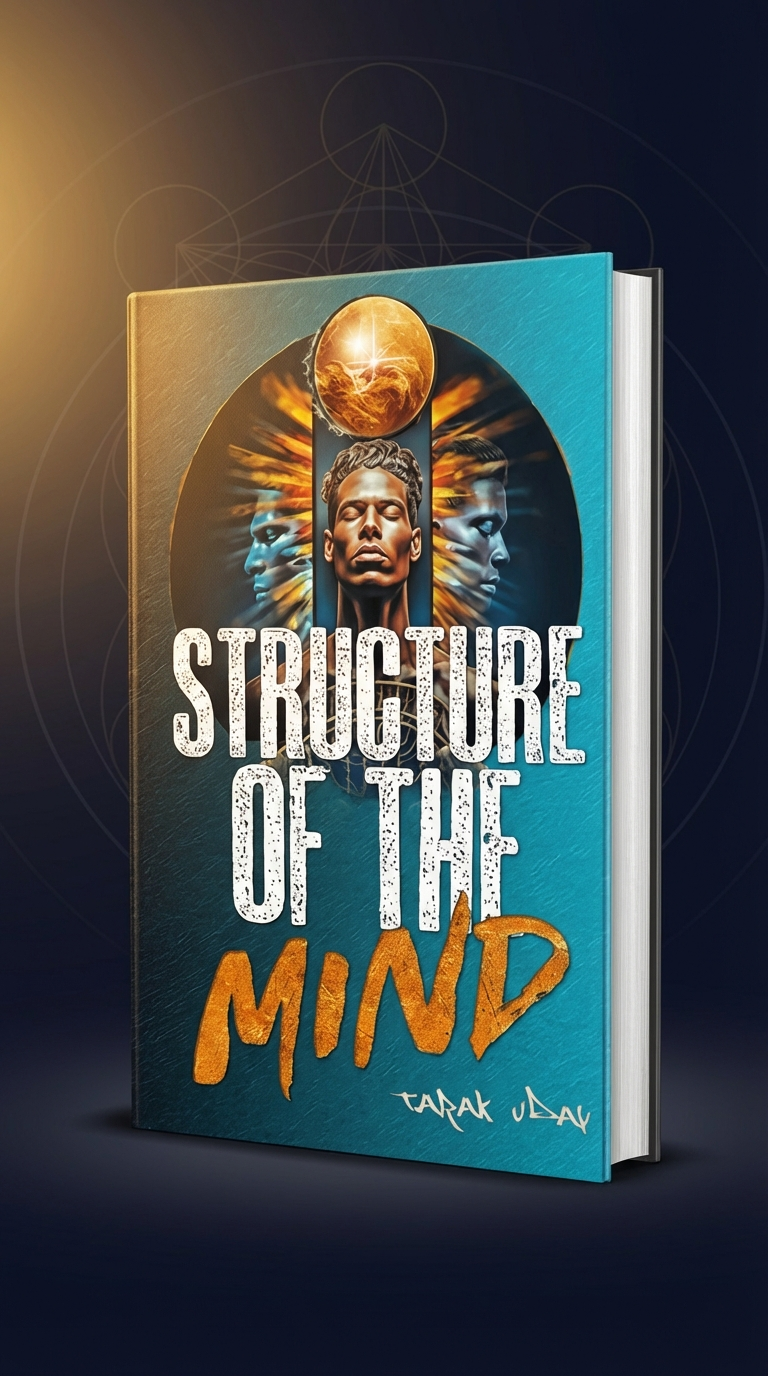
Understand Your Own Mind
"Structure of the Mind" reveals the three divisions of mind, seven levels of consciousness, and powers of mind that most people never learn to develop.