
Peacock in Dreams: What Your Subconscious Is Really Telling You


A peacock walks into your dream and the interpretation writes itself before you're fully awake: vanity. Pride. Somebody showing off — probably you. It's the reading every dream dictionary on the internet will hand you, and it's the reason almost nobody gets anything useful out of this symbol. Your subconscious mind did not spend the night constructing an elaborate insult.
In the Universal Language of Mind, a peacock is habitual thoughts of the subconscious mind. Same as a bird. A pattern of thinking you run automatically, below the level of decision. What makes the peacock a specific and unusually valuable version of that symbol isn't pride at all — it's that this particular habit is beautiful, and you display it.
Why isn't a peacock in a dream about vanity?
Ask what the animal does rather than what it connotes. That's the whole of the method Tarak Uday teaches — an image means what its real-world function is, not what a culture has decided to feel about it. Vanity is a judgement people bring to peacocks. It is not a thing peacocks do.
What a bird does, in the dictionary, is carry the meaning of habitual thought — the automatic, repeating movement of your thinking that happens without you authorising it each time. Animals in general are mental habits. So the peacock inherits all of that before any of its own detail is applied.
Then the peacock adds one thing no other bird does: it displays. The tail exists to be seen. That's not decoration on the meaning, that's the meaning's second half. Your subconscious mind chose the one bird whose defining behaviour is showing, which tells you this habitual thought isn't private. You perform it. Other people have seen it. Some of them have praised it.
So the dream isn't accusing you of anything. It's pointing at a pattern of thinking you run automatically and present outwardly, and asking you to look at it — which you have probably never done, because it has never caused you any trouble.
What makes the fanned tail worth looking at closely?
The open tail is the image that stays with people, and it carries the most information in the dream.
A fan is the habit at full extension — visible, complete, on show. So when the tail opens in a dream, the pattern of thought it represents is currently operating at maximum in your waking life. That's timing information you can act on. Something you think automatically is being performed right now, in front of people, at full size.
And then there's the detail nobody accounts for: the tail is covered in eyes. Dozens of them, staring. A habitual thought rendered as a thing that looks back at you is your subconscious mind being remarkably precise — this is the pattern that is watching you while you display it, the one that has become a way of monitoring how you're being received.
So ask who was looking in the dream. Was there an audience, or was the display happening in an empty place? A peacock fanning to nobody is one of the more revealing versions of this dream — a habit of thought so established that it runs even with no one there to receive it.
Colour is worth collecting too. The tail in these dreams is almost always vivid, and the Universal Language of Mind treats brightness in an image as the vitality of the thing depicted rather than as ornament. A brilliant tail is a habit with a great deal of energy still in it. A dull or faded one is a pattern you're still performing after the conviction behind it has drained out — and people recognise that description of themselves immediately, which is why the faded version tends to land hard.
Why does a peacock appear when nothing seems to be wrong?
This is the question that unlocks the symbol, because peacock dreams very often arrive during good periods. People are confused by that. They shouldn't be.
Habits of thought announce themselves in dreams when they need examining, and the ones that most need examining are precisely the ones causing no visible damage. A destructive habit gets confronted eventually because it produces consequences. An admired habit never does. It gets reinforced by every person who compliments it, and it goes years without a single review.
So a peacock in a good week is your subconscious mind flagging a pattern that is working — and asking whether it's still yours or whether it has started running you. Those are different states, and from the inside they feel identical.
Here's the confrontation this symbol earns. There is something you think automatically that other people admire you for. A way of being reliable, or perceptive, or unbothered, or generous. You didn't choose it this morning; it simply runs. And because the feedback is positive, you have never once asked whether it is true, whether it costs you anything, or whether you would know how to stop. That's the peacock, and that's why it came.
What do a closed tail, a single feather, or a screaming peacock report?
The variations are specific, and each one names a different condition of the same habit.
A closed tail is the habit at rest — present, intact, not currently being performed. That's a milder report and usually a healthier one. The pattern exists and isn't running the room. People who have recently stopped performing something often dream the bird with its tail down, and mistake it for the dream losing interest.
A single feather is different in kind, because a feather has its own entry: lightness of thought. So one peacock feather isn't a fragment of the display — it's what remains when the performance is stripped away, and what remains is light. That's a genuinely good sign. It means the thought can exist without the apparatus.
And then the sound. Anyone who has heard a real peacock knows the voice does not match the bird — it's a harsh, ugly scream out of a spectacular animal. If the peacock in your dream called out, your subconscious mind was making an exact point: this beautiful habit does not sound beautiful when it speaks. Look at what that pattern of thought actually says, rather than at how it looks while saying it.
What does it mean when you're chasing it, or it's chasing you?
Movement changes the report entirely, and this is where the dream stops being observational.
Chasing the peacock means pursuing a habit of thought that keeps staying ahead of you. You're trying to get hold of a pattern — to catch it, name it, own it — and it will not be caught, which is exactly what an automatic thought does when you try to observe it directly. That's not failure. That's the nature of the thing you're chasing.
Being followed or approached by one is the opposite and it's more common than people admit. The habit is coming to you. Something you think automatically is presenting itself for attention, and your instinct in the dream — welcoming it, backing away, ignoring it — is your instinct toward self-examination generally.
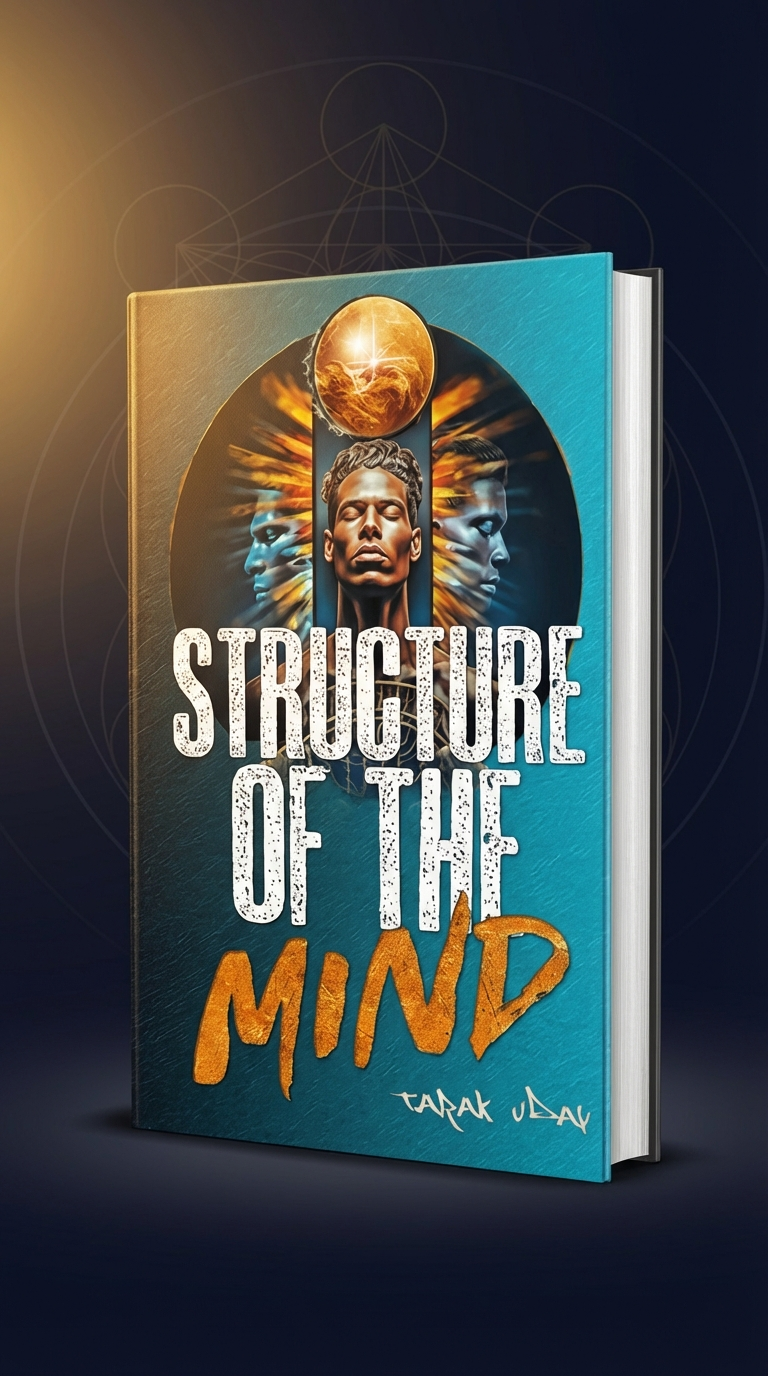
Tarak Uday takes this further in Structure of the Mind, his map of the three divisions of mind and the powers of attention, memory and imagination.
So track the distance rather than the drama. A peacock that stays exactly the same distance from you no matter what you do is reporting a pattern you have been circling for a long time without ever closing on it.
A caged or tethered peacock deserves its own note, because people read it as cruelty and it isn't. A contained habit is one you've deliberately restricted — you know the pattern, you've decided where it's allowed to operate, and you've put limits on it. That's not suppression and the dream isn't asking you to feel bad. It's an accurate picture of a thought you've brought under management, which is the ordinary outcome of having examined one.
And if the bird was dead, do not read that as loss. Death in this language is inner transformation, so a dead peacock is a habitual thought that has genuinely ended. These dreams tend to follow a real change in how someone presents themselves, and the grief people feel on waking is usually about the audience they'll no longer have rather than the thought itself.
How do you read a peacock dream this week?
Collect the elements in order before interpreting any of them, because this symbol is built from parts and each part shifts the meaning.
Start with the tail: open, closed, partial, missing. Then the audience — who was watching, or whether the display ran to an empty room. Then the sound, since the voice is the content of the thought rather than its appearance. Then movement, and the distance between you. Then the setting, since a house is a state of mind and where the bird stood tells you which part of your thinking it lives in. And finally your own reaction, because admiration, embarrassment and indifference each report something different about your relationship to this pattern.
Now bridge it to waking life and be specific about it. What do people consistently praise you for that you didn't work at this week — that simply happens? What would you lose if you stopped doing it? When was the last time you checked whether it was still accurate, rather than just still admired? And what does that pattern actually say when it speaks, underneath how well it presents?
One thing worth saying plainly, because this symbol gets moralised more than any other. A peacock is not a rebuke and the habit is not a flaw. Habitual thoughts are how a mind gets anything done — you cannot deliberate every thought and you were never meant to. The metaphysical mechanics here are neutral. The only real question is whether a pattern this visible and this rewarded is still serving the person you're becoming, or whether it's serving the version of you that other people got used to.
So the peacock was never calling you vain. It was holding up the one habit of thought you've never had to defend, spreading it out to full size, and waiting to see whether you'd look at it as carefully as everyone else has admired it.
Frequently Asked Questions


Books by Tarak Uday
Understand Your Own Mind
"Structure of the Mind" reveals the three divisions of mind, seven levels of consciousness, and powers of mind that most people never learn to develop.
Learn The Language Your Dreams Speak
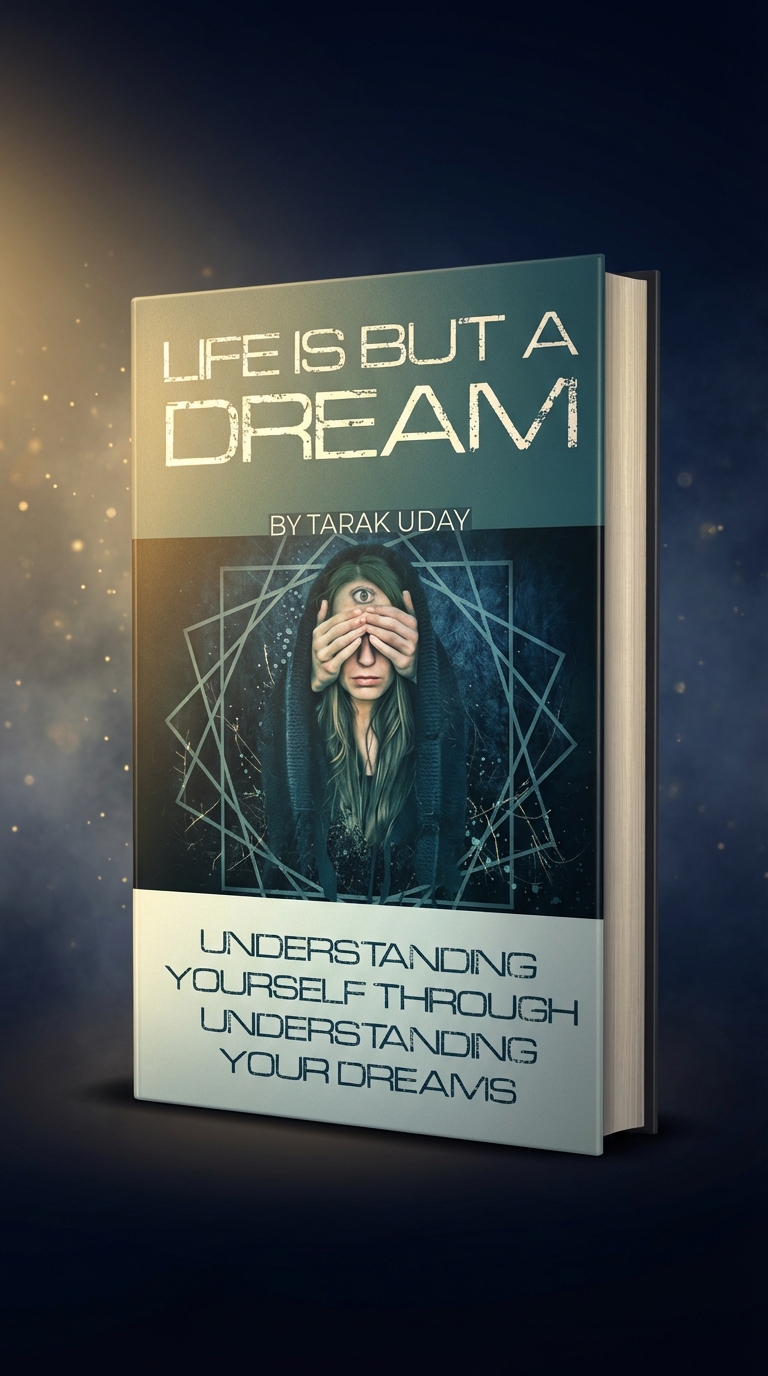
"Life Is But a Dream" teaches the Universal Language of Mind — how to read any dream symbol by what it is and what it does, so every dream becomes a message you can act on.
LUCID
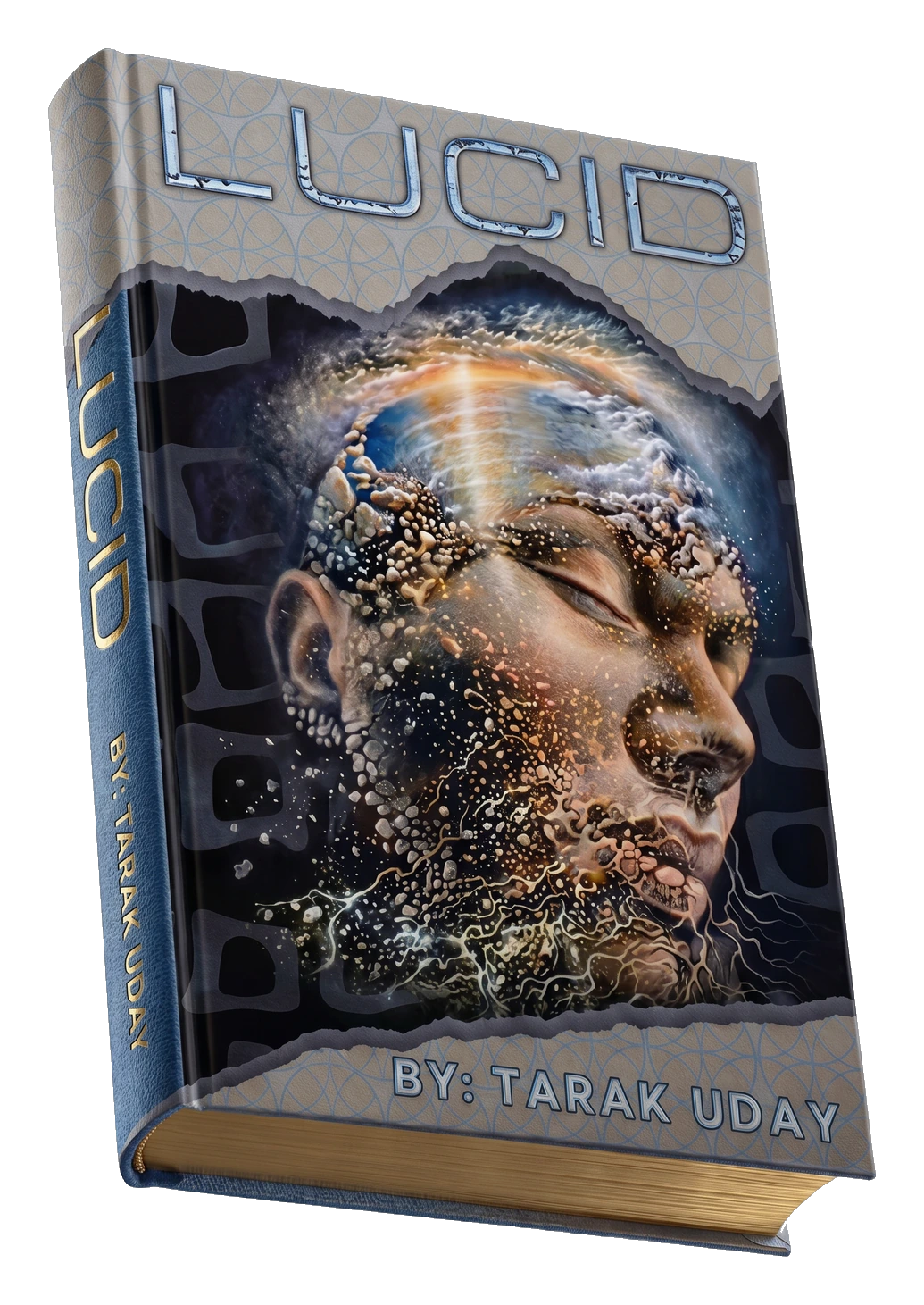
You've tried every lucid dreaming technique. Most miss the root cause. LUCID reveals what they all skip.