
Spider Dreams: What Small Mental Habits Are Trapping You?
The Universal Language of Mind reveals how dream spiders represent the subtle thought patterns spinning invisible webs in your consciousness.
A spider in a dream represents a small mental habit in the Universal Language of Mind. This ancient symbolic system, refined over 5,000 years by mystery schools, interprets dream symbols based on their form and function rather than personal associations or cultural meanings.
Spiders rank among the top 10 most commonly reported dream symbols worldwide, appearing in dreams across all cultures and age groups. Research by dream scientist Deirdre Barrett shows that animal dreams, including spiders, occur in approximately 60% of all recorded dreams, making them one of the most frequent symbolic categories.
Most dream dictionaries incorrectly interpret spiders through fear-based associations — death, danger, or feminine power. Psychology often reduces them to personal phobias or archetypal mother figures. The Universal Language of Mind reveals a more precise meaning: spiders represent the small, often unnoticed mental habits that operate quietly in the background of your consciousness.
What Spiders Mean in the Universal Language of Mind
To understand why spiders represent small mental habits, examine their form and function. A spider is small, quiet, and often unnoticed. It builds its web in corners and shadows, working methodically without drawing attention to itself.
This perfectly mirrors how small mental habits operate in your consciousness. They're subtle thought patterns that spin their influence quietly, often below your conscious awareness. Like a spider's web, these habits create invisible structures that can trap your attention, energy, or progress.
The spider's web is key to understanding this symbol's deeper meaning. A web isn't random — it's a deliberate trap designed to catch things. Your small mental habits work the same way. They create invisible snares in your thinking that catch and hold aspects of your consciousness without you realizing it.
Spiders represent small mental habits because they mirror how subtle thought patterns operate — quietly, persistently, and often unnoticed, spinning webs that can trap your consciousness.
According to Tarak Uday's research in the Universal Language of Mind, all animals in dreams represent habitual thoughts. The specific animal reveals the nature of the habit. Spiders, being small and web-spinning, represent the most subtle category — habits that work in the shadows of your awareness.
Common Dream Scenarios Involving Spiders
Being Chased by a Spider
When a spider chases you in a dream, you're running from awareness of a small mental habit. The habit is trying to get your attention, but you're avoiding looking at it directly.
This often happens when you sense something is "off" in your thinking but don't want to examine it closely. The chase represents your subconscious pushing this habit into your awareness while your conscious mind resists.
Killing a Spider
Killing a spider represents your conscious effort to eliminate a small mental habit. You've identified a subtle thought pattern that no longer serves you and you're actively working to break it.
The success or difficulty of killing the spider in the dream reflects how challenging it is to break this particular habit in your waking life.
Spider Webs Everywhere
Dreams filled with spider webs indicate that small mental habits have created extensive invisible traps in your consciousness. Multiple webs suggest multiple subtle patterns that are limiting your mental freedom.
These dreams often occur when you feel "stuck" but can't identify exactly why. The webs represent the accumulated effect of many small habitual thoughts.
A Giant Spider
A giant spider represents a small mental habit that has grown large through repetition and attention. What started as a subtle pattern has become a dominant force in your thinking.
The size indicates how much mental energy this habit now consumes. It's no longer operating quietly in the background — it's demanding significant conscious attention.
Friendly or Helpful Spiders
When spiders appear helpful or friendly in dreams, they represent small mental habits that serve you well. These are subtle patterns that work beneficially in the background of your consciousness.
These dreams acknowledge positive habits you've developed — small, consistent thought patterns that support your goals without requiring constant conscious effort.
What Your Spider Dream Is Telling You About Your Life
To interpret your spider dream accurately, examine the day or two before the dream occurred. Dreams reflect how you used your mind during this recent period, so look for connections between the dream's message and your recent mental activity.
In the Universal Language of Mind, consciousness operates on two levels: state and content. The PLACE where you encounter the spider reveals your state of consciousness — where your mind was operating. The ACTIVITIES with the spider reveal the content — what your consciousness was doing.
Ask yourself these specific questions: What small thought patterns have I been running automatically? Are there subtle mental habits operating below my awareness? What invisible "webs" might be trapping my attention or energy?
"The mind that remains unexamined will spin webs of habit that eventually become prisons of limitation."
— Tarak Uday, Structure of the MindLook for patterns in your thinking that feel automatic or unconscious. These might be subtle judgments, recurring worries, or habitual ways of processing information. The spider dream is highlighting these patterns and asking you to bring conscious awareness to them.
Remember that not all small mental habits are negative. Some spider dreams reveal beneficial patterns that support your growth. The key is developing the awareness to distinguish between habits that serve you and those that limit you.
How the Universal Language of Mind Differs From Other Interpretations
Freudian psychology often interprets spiders as sexual symbols or representations of the devouring mother. Jungian analysis sees them as archetypal feminine power or the shadow self. Modern AI dream interpretations typically offer contradictory meanings based on cultural associations.
These approaches produce inconsistent results because they rely on personal associations, cultural conditioning, or theoretical frameworks rather than the symbol's universal form and function. The Universal Language of Mind provides consistent interpretation regardless of the dreamer's background or beliefs.
Where psychology sees pathology and AI sees randomness, the Universal Language of Mind sees precise communication from your subconscious about your current mental state. Every spider dream delivers the same core message about small mental habits, though the application varies based on your specific circumstances.
The Universal Language of Mind offers definitive, consistent interpretation based on universal principles, while other methods produce contradictory results based on personal or cultural associations.
This systematic approach, developed over millennia by mystery schools, treats dreams as precise symbolic communication rather than random neural firing or psychological projection. The result is practical insight you can immediately apply to your self-mastery journey.
When spiders appear in your dreams, they're delivering a specific message about the subtle mental habits operating in your consciousness. These small patterns, like actual spiders, work quietly and persistently, spinning webs that can either support or trap your awareness. The dream is asking you to examine these habits consciously — to bring light to the corners where these patterns operate and choose which webs serve your highest good.

Frequently Asked Questions



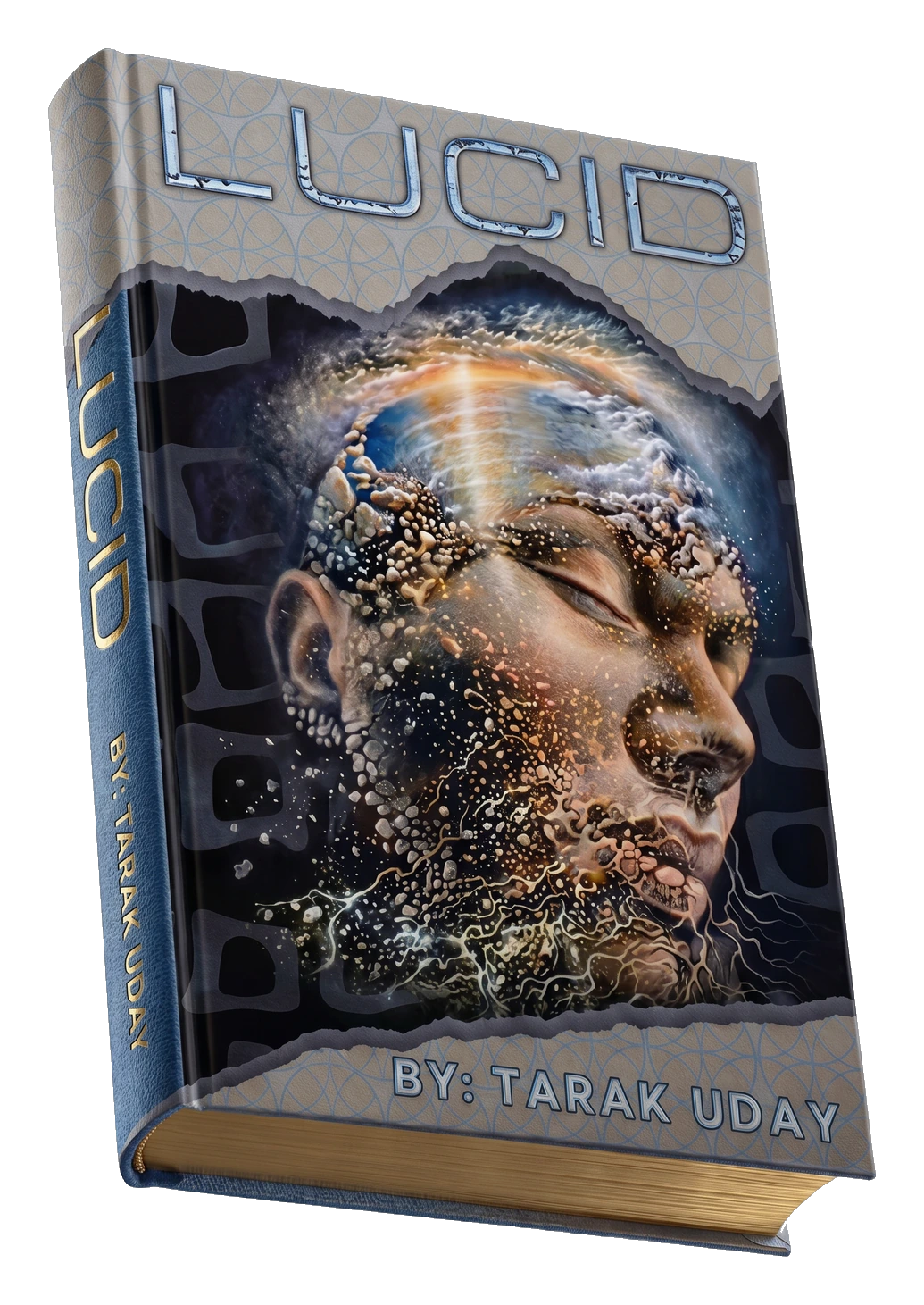
LUCID
You've tried every lucid dreaming technique. Most miss the root cause. LUCID reveals what they all skip.
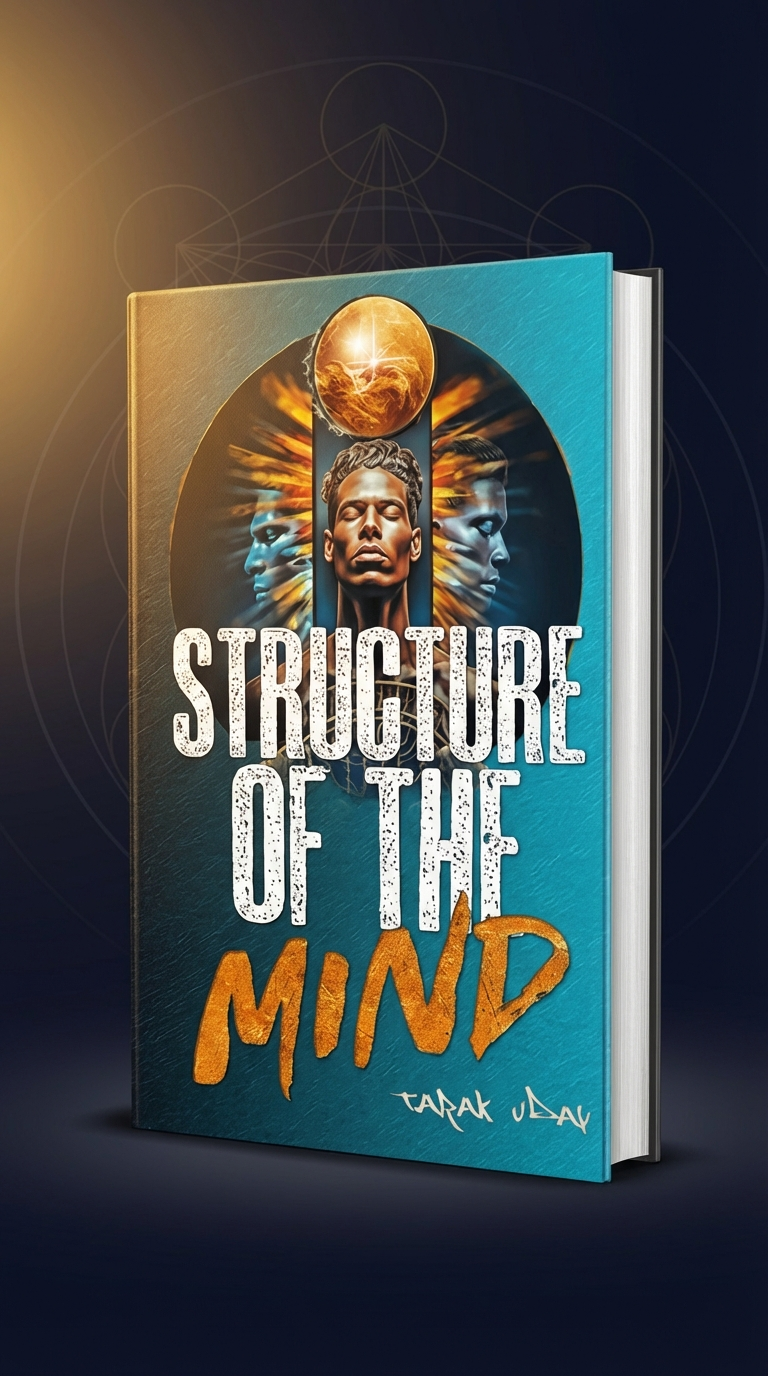
Understand Your Own Mind
"Structure of the Mind" reveals the three divisions of mind, seven levels of consciousness, and powers of mind that most people never learn to develop.