
Why Do I Dream About My Dog That Passed Away
You saw your dog again. Not a blurry version, not a stand-in — that dog, with the specific way it moved and the exact sound it made coming into a room. And for a few seconds after waking, before the facts came back, everything was fine. Then it wasn't. And the question that follows you into the day is always the same one: why now, after all this time?
So here's what your subconscious mind was doing, and it's kinder than most people expect. In the Universal Language of Mind, a dog is a mental habit — a trained, automatic pattern of thought. When the dog that appears has died, your deeper mind isn't replaying a loss. It's showing you a habit that belongs to a chapter of your life that has already ended, and asking what you want to do with it now.
Is my dog visiting me, or is my own mind speaking?
This is the first question everyone asks, and it deserves a straight answer rather than a comfortable one. The overwhelming majority of these dreams are your own mind using the most emotionally precise image it has available. That isn't a lesser explanation. Your subconscious mind reached for that dog because nothing else in your entire memory could carry the meaning as exactly.
Tarak Uday describes dream language as form and function: the mind selects a form whose real-world function matches the inner quality it's reporting on. A dog's function is to attach, repeat and remain loyal. That's what a habit does. And a dog you loved and lost carries something extra — it's tied to a specific, closed period of your life. So your mind gets to say "habit" and "from back then" in a single image.
There is a genuine category of visitation experiences, and the ULM tradition doesn't dismiss it. But the test isn't emotion — grief makes every dream feel significant. The test is content. A visitation tends to be lucid, undramatic and non-symbolic; you're aware, the animal is simply present, and nothing else in the scene is trying to tell you anything. A symbolic dream has plot, setting and change. Almost all of them are symbolic. So read the symbol first.
Why does your subconscious mind still use that particular dog?
Because that dog dates the habit. This is the most useful and least used tool in dream work.
Think about what was true in your life when that dog was alive. Who you were, what you were afraid of, how you handled pressure, what you organized your days around. The habit your dream is pointing at was formed in that period. It made sense then. The question is whether it still makes sense now, because you kept running it long after the conditions that built it disappeared.
That's why these dreams cluster around change. People dream of a childhood dog when they move, marry, have a child, lose a job — moments when an old operating pattern is meeting a new life and not fitting. Your subconscious mind doesn't send a memo. It sends the animal from the era in question.
What does it mean if the dog is alive and healthy in the dream?
A deceased dog appearing whole, well and happy is one of the most reassuring images in the vocabulary, and it usually arrives at a specific moment: when a habit from that era has become useful to you again.
So look at what you've recently resumed. Discipline you used to have. A way of relating to people you'd abandoned. A form of play or curiosity that went quiet during a hard stretch. The healthy dog says the pattern is alive and functioning again, and that your mind approves of it running.
If the dog is calm and simply nearby — resting, sitting, not demanding anything — that's a habit doing its job without supervision. If the dog is playing with you, the pattern is generating energy rather than consuming it. And if you're feeding it in the dream, you're being shown that you're actively sustaining that habit right now, which is worth knowing whether the habit deserves it or not.
What if the dog is dying, sick, or leaving again in the dream?
This is the version that hurts most, and it's the one people most often misread as their mind being cruel. It isn't. Dead, in the Universal Language of Mind, means major transformation — one form ending so another can exist. Death is inner transformation, not loss and not prophecy.
So a dog dying again in a dream is your subconscious mind reporting that a habit from that era is genuinely ending now. That's a completion, and it often lands within days of a real change you've made and not yet given yourself credit for. The pain in the dream is the cost of the transformation, not a verdict on it.
A sick or injured dog is different — that's a habit currently under strain. Something you rely on isn't working the way it used to, and you're still leaning on it. And a dog walking away, or one you can't reach, points to a pattern you've already outgrown that part of you is still trying to hold onto.
There's also the dream where you're searching for the dog and can't find it anywhere. That one describes a routine you lost — often something that used to steady you, dropped during a busy or painful stretch and never picked back up. The searching is your mind flagging the absence, not the animal itself. People read it as guilt. It's closer to an inventory note: something that worked for you is missing, and you can rebuild it without needing the dog back.
None of these mean you failed your dog. Your subconscious mind is not staging a judgment. It's using the clearest emotional shorthand you own, because a pattern you'd otherwise ignore becomes impossible to ignore when it wears that face.
Why does the dream keep coming back years later?
Repetition means the condition being reported hasn't changed. That's all it means. A dream stops when the situation it describes resolves, so a dog that has returned every few months for six years is describing something you've carried, unresolved, for six years.
Tarak Uday takes this further in Structure of the Mind, his map of the three divisions of mind and the powers of attention, memory and imagination.
Usually it's one of two things. Either the habit is still running unexamined, or the grief itself has become the habit — a fixed loop of thought you return to at predictable triggers. Both are patterns. Your mind files both under the same symbol.
Watch what changes between visits, because your subconscious mind edits with intent. A dog that moves from outside the house to inside it is a pattern that's gone from something you do to part of your identity — a house, after all, is your mind. A dog that gets younger across the sequence is pointing you further back to the origin of the pattern. And a dog that finally settles and stays calm is confirmation the thing has been integrated rather than merely suppressed.
How do you answer the dream instead of only grieving it?
Let the grief be grief. Nothing here asks you to intellectualize love out of the picture, and the ache when you wake up is not a problem to be solved.
Then do the small piece of work the dream is actually requesting. Name the era: what was your life organized around when that dog was with you? Name one pattern from that time you're still running. And ask the honest question — is it still serving the person you are now, or is it just familiar?
That's the entire correction. Not a ritual, not a decision about the afterlife. One habit, examined, in daylight. The metaphysical mechanics here are unglamorous: patterns persist until they're consciously reviewed, and dreams keep raising them until you do the reviewing.
And watch the follow-up. When the pattern genuinely resolves, the imagery changes on its own — the dog appears settled, or stops appearing, and the change arrives without you forcing it. That's your deeper mind closing the file. It won't announce it, and you'll usually notice the absence weeks later rather than the night it happens.
So the dog came back. Not to haunt you and not to say goodbye again — but because your subconscious mind needed to point at a specific stretch of your life, and it chose the one face you would never sleep through.

Frequently Asked Questions


Books by Tarak Uday
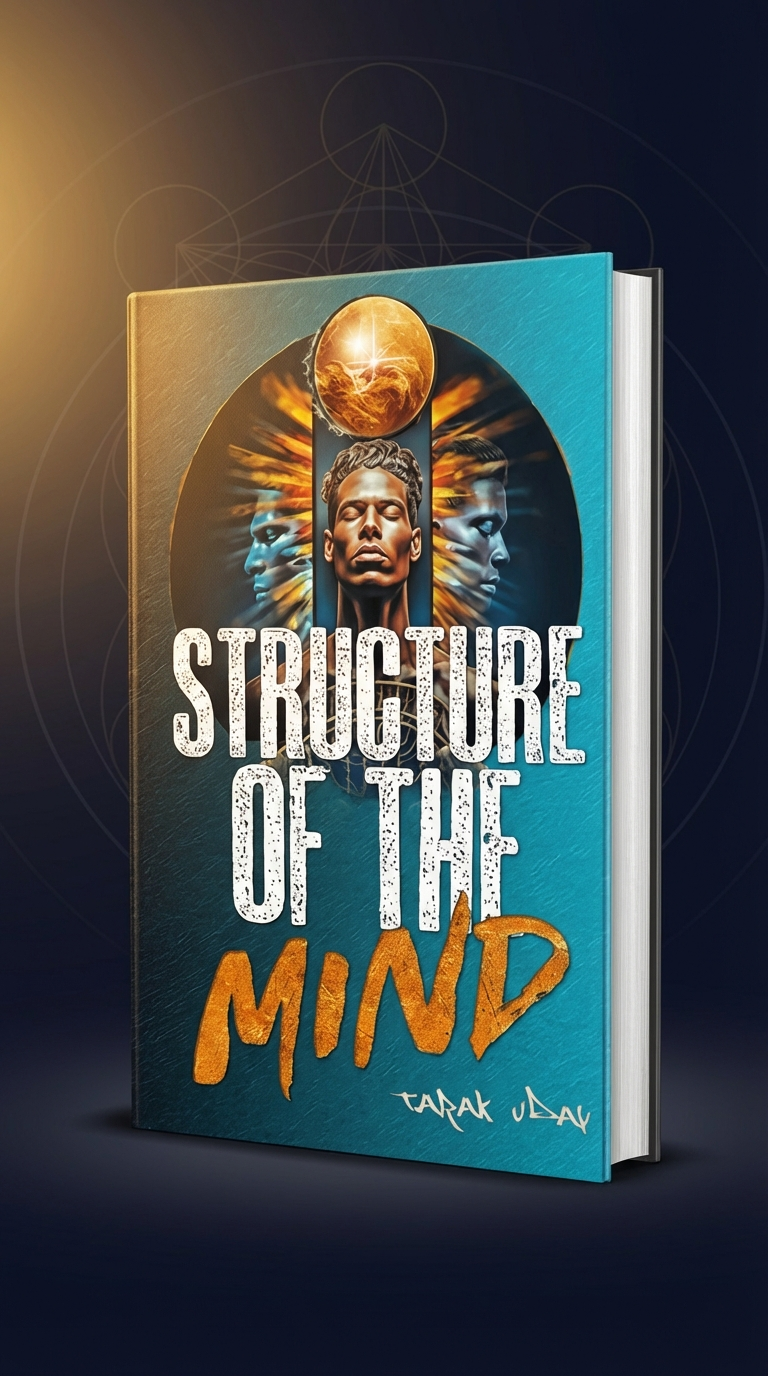
Understand Your Own Mind
"Structure of the Mind" reveals the three divisions of mind, seven levels of consciousness, and powers of mind that most people never learn to develop.

Learn The Language Your Dreams Speak
"Life Is But a Dream" teaches the Universal Language of Mind — how to read any dream symbol by what it is and what it does, so every dream becomes a message you can act on.
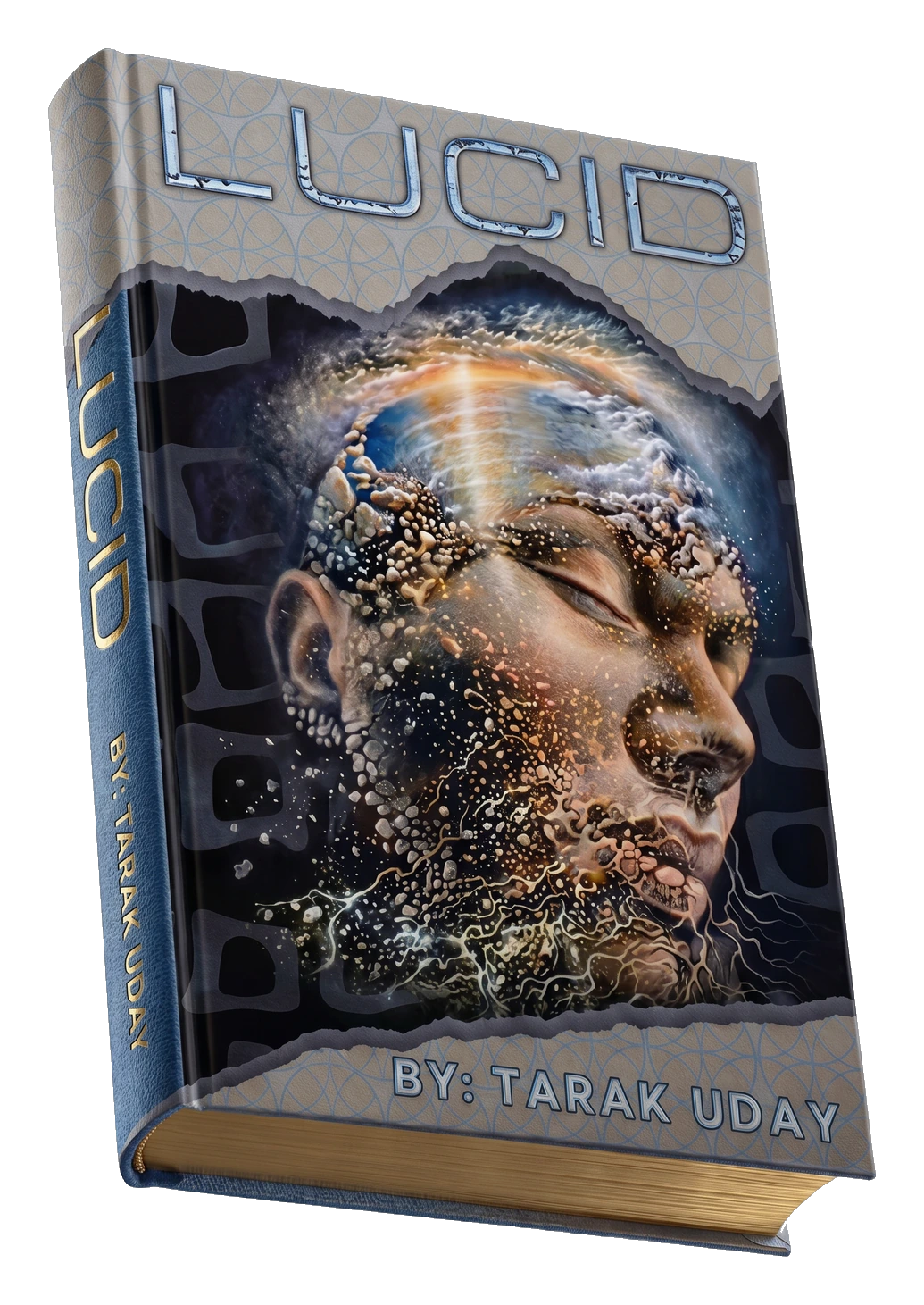
LUCID
You've tried every lucid dreaming technique. Most miss the root cause. LUCID reveals what they all skip.