
Why Do I Keep Dreaming About Dead Relatives
You wake up and they were right there. A grandmother who passed years ago, stirring soup like no time had moved at all. A father, alive and talking, as though the funeral never happened. And it keeps happening, night after night, until you start to wonder if something is wrong with you. So let me say this plainly: nothing is wrong with you. Something inside you is trying to be noticed, and it has chosen the only language your sleeping mind speaks fluently. That language has a name, and once you learn to read it, these dreams stop being haunting and start being instructive.
In the Universal Language of Mind, a dead relative in your dream is almost never about the person who died. It is a quality of you that has already transformed, returning to ask whether you are ready to live it.
What Is Your Mind Actually Showing You When a Dead Relative Appears?
Here is the first thing most people get backwards. They assume a dream about a deceased relative is a message from that person, or a sign, or unfinished grief leaking out. So they spend years interpreting the dream as if it points outward, toward the dead. But your subconscious mind does not store other people. It stores you. Every figure that walks through your dream is built from your own consciousness, dressed in a face your mind already knows.
In the Universal Language of Mind, every person in a dream is an aspect of the dreamer. Your grandmother in waking life was patient, devotional, unhurried. So when she appears in your dream, your mind is not summoning her ghost. It is reaching for the patient, devotional, unhurried quality that she represents to you. The face is just the filing system. The content is a part of yourself.
Why Does It Have To Be Someone Who Died?
This is where the symbolism gets precise, and beautiful. Death in the Universal Language of Mind never means literal ending. It means transformation. When something dies in a dream, a part of your inner life has already changed form. So a dead relative is a doubly specific symbol: it is a quality of yourself (the relative) that has already undergone change (the death).
Think about what that means. The patience your grandmother carried is not gone from you. It transformed. It went from being something you watched in her to something now seeded inside you, waiting. The dream is not mourning. The dream is inventory. Your deeper mind is showing you a finished transformation and asking the only question that matters: now that this quality lives in you, will you use it?
The dead relative in your dream is not visiting from the past. They are a finished change in you, knocking from the inside.
Why Does the Same Dream Keep Coming Back?
So why repetition? Why does the dream return again and again instead of saying its piece once and leaving? Because the subconscious is relentlessly economical. It does not repeat a message you have received. It only repeats a message you have not yet acted on. Recurrence is not the dream malfunctioning. Recurrence is the dream insisting.
A recurring dream of a dead relative means there is an unlearned lesson, a transformed quality of yourself that you keep noticing and then setting down. Maybe the dream brings back your decisive uncle, and your waking life is full of decisions you keep avoiding. The quality is ready. You are not using it. So the dream loops, patient and exact, the same way a teacher repeats the one point you keep missing. The repetition is mercy, not torment.
Ready to decode your own recurring dream instead of guessing at it? Bring it to CHITTA and let the Universal Language of Mind translate it, symbol by symbol, into the part of you that is asking to be lived.
How Do You Tell Real Inner Transformation From Ordinary Grief?
You might be wondering whether this is just grief wearing a costume. Sometimes the dead do appear simply because love does not switch off when a heartbeat does, and there is no shame in a dream that lets you feel near someone again. But notice the difference. Grief-dreams tend to feel like reaching, like ache, like wanting them back. Transformation-dreams feel oddly purposeful. The relative is doing something, showing you something, occupying a role. So ask yourself, when you wake: did I miss them, or did I notice them? Missing is grief. Noticing is the Universal Language of Mind handing you a quality and waiting.
What Should You Actually Do With These Dreams?
Start by naming the quality, not the person. Forget that it was your father for a moment and ask: what did he represent to me? Provision? Authority? The courage to be the steady one in the room? That trait is the message. Then look at your waking life and find where that exact quality is being requested and refused. That intersection is the lesson. The moment you begin living the quality on purpose, the dream has done its work, and you will usually find it quietly stops returning.
This is the heart of dream work as I teach it. A dream is not a riddle sent to confuse you. It is your own deeper intelligence speaking in pictures, and the dead relatives who keep arriving are not the past refusing to rest. They are the most finished, most ready parts of you, asking for the door. As Tarak Uday puts it, you do not interpret a dream to understand the night. You interpret it to recognize yourself. So the next time they appear, do not ask why they came back. Ask what part of you they are.

Frequently Asked Questions


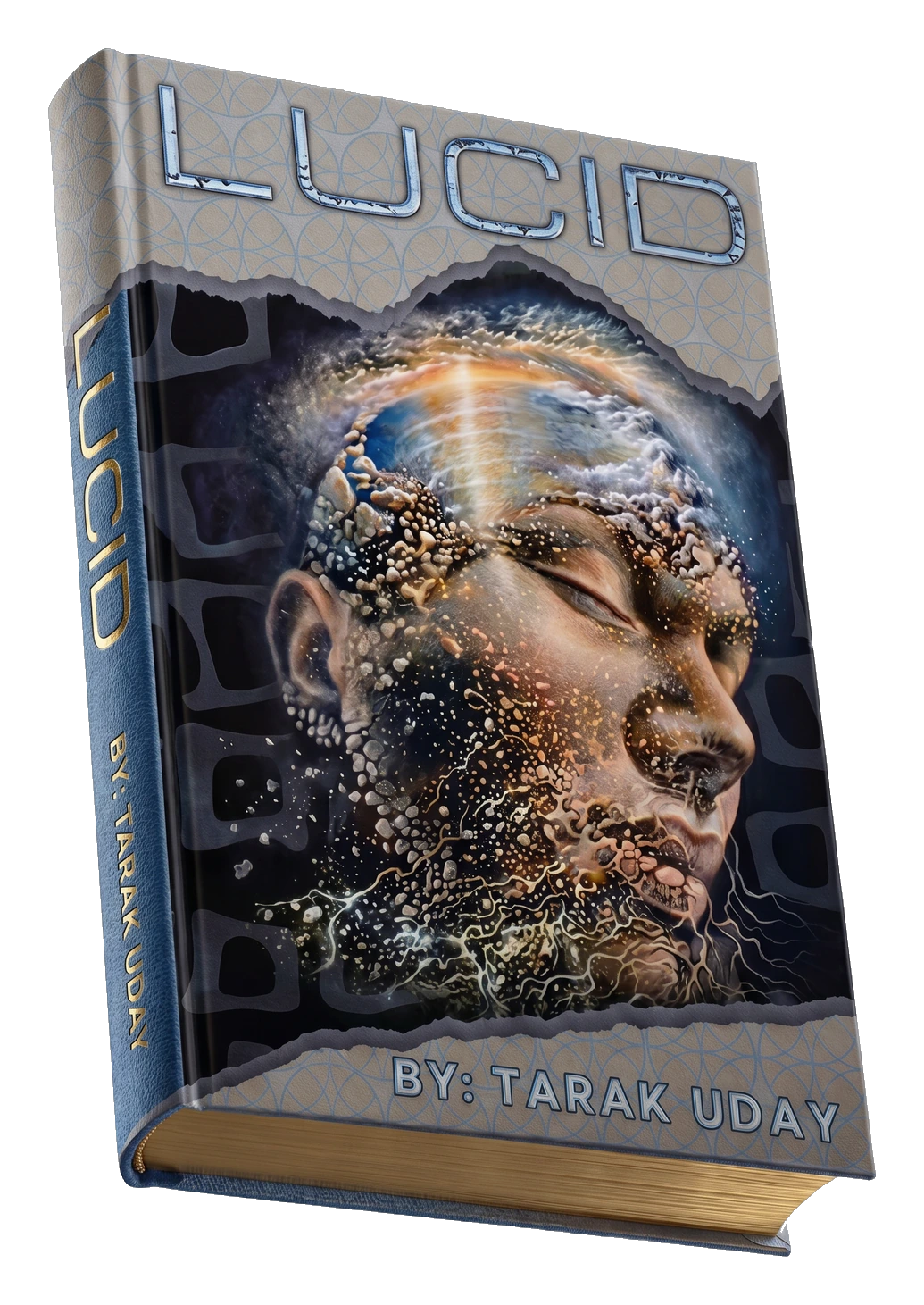
LUCID
You've tried every lucid dreaming technique. Most miss the root cause. LUCID reveals what they all skip.
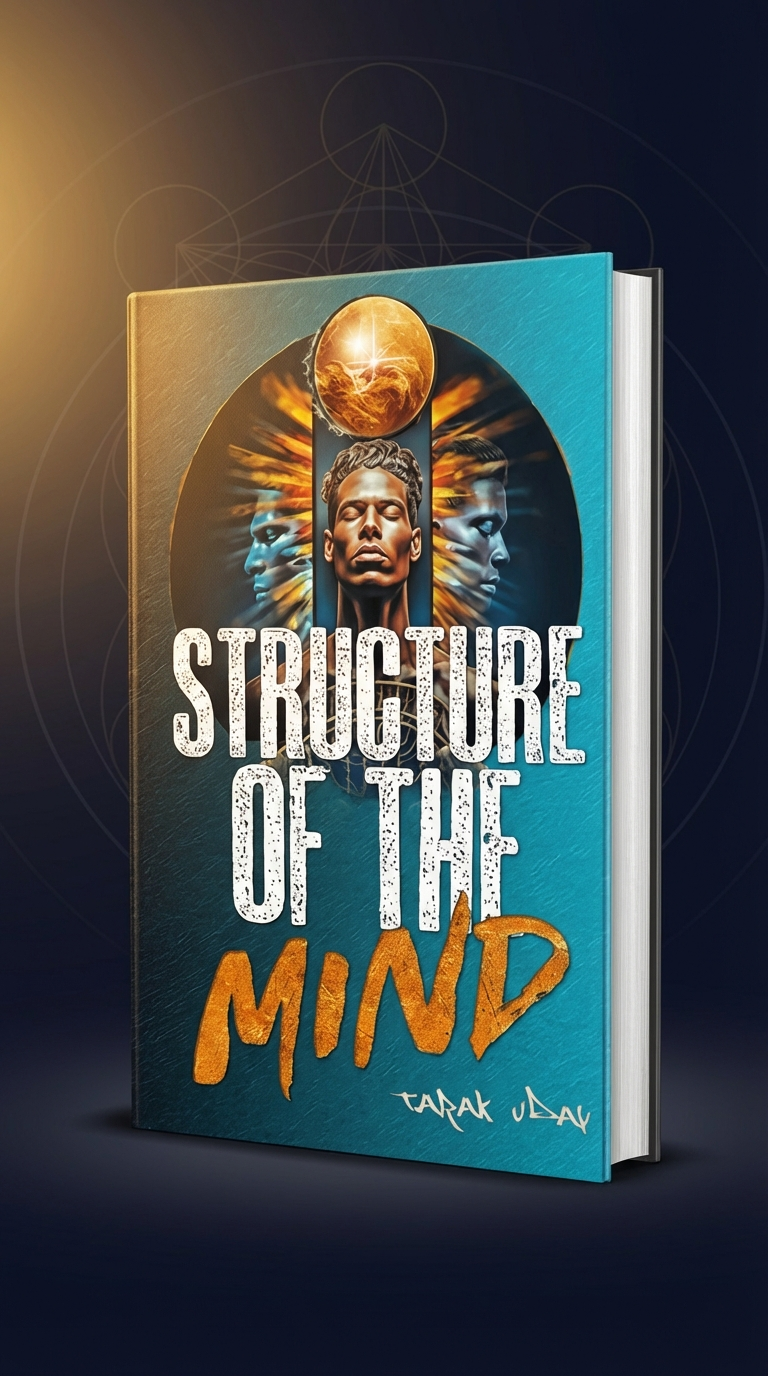
Understand Your Own Mind
"Structure of the Mind" reveals the three divisions of mind, seven levels of consciousness, and powers of mind that most people never learn to develop.