
Dragon in Dreams: It Means the Ego, and What It Guards Is Yours
A dragon is your sense of identity. The hoard it sits on is the value in your own subconscious, and that is the detail most dreamers walk past.
Picture the oldest dragon story there is. An enormous armoured creature, coiled on a mountain of gold, breathing fire at anyone who comes close. Every culture that has dragons tells some version of it, and it survives because it is an accurate sentence. In the Universal Language of Mind, a dragon means the ego, and gold means the value contained within the subconscious mind. So the image is precise: your identity is lying on top of your own treasure and burning anything that approaches it.
What Does a Dragon Actually Mean in a Dream?
Dream symbols mean what they do, which is the method Tarak Uday teaches in the Universal Language of Mind. So look at what a dragon does rather than at how it makes you feel.
A dragon is armoured, it is old, it is territorial, and it is extremely difficult to move. It doesn't hunt in the way a predator hunts. It occupies. It sits on something and defends it, and it responds to approach with force well beyond what the approach warranted.
That is a portrait of the ego, and the word needs its precise meaning here. In Tarak Uday's Structure of the Mind, the ego isn't arrogance or vanity. The ego is your sense of identity, the accumulated "I am this kind of person" that your mind has assembled from everything you've lived. It's a real and necessary function. You need a stable identity to operate at all.
But an identity built for stability will defend that stability, including against your own growth. So when your subconscious mind needs to show you the part of you that is armoured, ancient, territorial and disproportionately defensive, it doesn't need to invent anything. It reaches for the dragon.
Why Isn't a Dragon a Symbol of Power or a Difficult Person?
The power reading is the most common one online, and it fails because it's flattering rather than informative. "You have great strength within you" fits any dream and produces no instruction. If a symbol can't be wrong, it can't help.
The difficult-person reading fails differently. It sends you looking outward at a boss or a parent, when everything in the dream is inside you. Your subconscious mind has a full vocabulary for specific people and the qualities they carry, and it uses them directly when a person is the subject. A dragon isn't a person. It's a structure, and it's yours.
Read it as identity and the dream becomes immediately practical. Where in your life are you defending a version of yourself, disproportionately, against a change that would actually serve you? Most people have that answer within a few seconds, and it's rarely the answer they expected to give.
So the dragon dream isn't a compliment about your strength. It's a map of where your identity has calcified, and it usually arrives at the exact moment something is trying to change.
There's a fair objection here worth answering rather than skipping. Eastern dragons aren't hoarding monsters at all. They're benevolent, associated with rain and rivers and good fortune, and a dreamer raised on those stories will meet a very different creature at night. Does the meaning change with the culture?
The meaning doesn't, but the presentation does, and that distinction is worth holding onto. The Universal Language of Mind takes its meanings from what a symbol does, not from local folklore, so a dragon is identity in every language. What varies is the emotional dress your own memory puts on it. Someone who grew up with the benevolent dragon gets shown their identity in a form they don't fear, which is often more revealing, because you'll follow a friendly dragon into places you'd never approach a hostile one. Read the function first and the feeling second, and the cultural difference stops being a contradiction.
What Is the Dragon Guarding, and Why Does That Matter Most?
The hoard is the highest-value detail in the whole dream, and most dreamers walk past it because the dragon is louder.
Gold means the value contained within the subconscious mind. Treasure means finding value in past experiences. So a dragon lying on gold is saying that the worth you've accumulated across your life is sitting in your subconscious, intact and unspent, with your own identity parked on top of it. Nobody stole it. You're guarding it from yourself.
That reframes the fear too. In these dreams people usually feel they'll be destroyed if they get close, but what's actually at risk is the identity, not the person. Retrieving value from your own past requires admitting something new about who you are, and the part of you that will not survive that admission is precisely the part doing the guarding.
Look at what else was in the hoard, because the specifics name the value. Money, objects from your childhood, books, jewellery, or something from a period of your life you rarely think about will each point somewhere different.
Then read the fire, which is the second-largest detail and almost always misread. Fire means expansion of consciousness and inner purification. So a dragon breathing fire is your identity aiming the force of expansion outward as a weapon, using the very energy that would transform it to keep transformation at a distance. That's not a poetic flourish. It's why identity defends itself so effectively: it runs on the same power that would dissolve it.
If the dragon flies, notice where it goes. If it sleeps, notice whether you woke it, because a sleeping dragon means an identity currently unchallenged, and something in your waking life has just challenged it.
An empty hoard is its own message, and a harder one. A dragon guarding bare rock, or a cave with nothing in it, is an identity still defending a territory that no longer holds anything. That's what happens after the thing the identity was built around has already gone: the job ended, the role closed, the relationship finished, the version of the body or the career it belonged to changed. The defending continues on schedule because the defending was never really about the contents. If you dreamed that dragon, the useful question isn't how to get past it. It's what you're still protecting that isn't there anymore.
You have the definition. Your dream has the sentence.
CHITTA reads your specific dream in the Universal Language of Mind: what the dragon guarded, what it did when you approached, what you were carrying, and which symbols arrived alongside it. The public meaning is the dragon in general. The Message is your dragon, in your sequence, on your night.
Decode your dream now →What's the Difference Between a Dragon, a Monster and a Snake?
These three get collapsed constantly and they mean entirely different things, so separating them is most of the work.
A monster is unawareness of parts of the self that are self-sabotaging and unproductive. The defining feature is that you can't see it clearly. A monster is what you don't know about yourself. A dragon is the opposite: it's fully visible, magnificent, and entirely known. It's who you think you are. So a monster dream says look at what you're not seeing, and a dragon dream says look at what you're defending.
A snake is creative energy. It resembles a dragon in shape and means nothing like it. If your dream creature was legless, low to the ground and moving, you're likely reading creative energy rather than identity, and the whole interpretation changes.
Dragons that behave like ordinary animals are worth a second look too, since animals in dreams carry habits and instinctual patterns rather than identity. The armour, the hoard and the fire are what mark the dragon out.
Tarak Uday takes this further in Life Is But a Dream, his guide to reading every dream in the Universal Language of Mind.
One more distinction that matters. If the dragon chases you, that's a different sentence again, and being chased reports avoidance. Your identity is pursuing you because you've started moving away from it.
How Do You Read Your Own Dragon Dream?
Start by naming it plainly: this is your identity. Say that before you look at anything else, and let the rest of the dream describe it.
Then find what it was guarding, since that's the value you're being kept from. Then read the fire if there was any, and the flight, and the sleep. Then read your own position, because approaching, fleeing, hiding, talking and fighting are five different relationships to your own sense of self.
A chained, caged or wounded dragon is worth separating from a transformed one, because they look similar and mean opposite things. Restraint isn't change. An identity you've forced into a cage is still exactly the identity it was, and it's now spending energy on the cage as well as on the hoard. People who have worked hard at suppressing a trait rather than understanding it tend to get this dragon, and it usually shows up right before the restraint fails.
Fighting deserves its own note. If you fought the dragon with a sword, look closely, because a sword means universal truth. The dream is telling you that what actually works on a calcified identity isn't force or willpower, it's truth applied directly. And if the dragon died, don't read that literally either. Death means inner transformation, so a dragon dying is an identity transforming, not a self being destroyed.
Riding the dragon is the version worth hoping for, and it's more common than people expect. If you were on its back and it carried you, the relationship has changed completely. The identity is no longer a wall between you and your own value. It's a vehicle, and it's being directed rather than defended, which is what a healthy ego actually looks like in this framework. Nothing about that requires the dragon to shrink or vanish. A strong sense of self that takes instruction is worth considerably more than a weak one.
Then take it into waking life with the sharper question. Not "what am I afraid of," but "what would I have to stop being in order to have what I want?" That sentence is what the dragon is standing on.
If the same dragon keeps returning, treat it as you would any recurring dream, where repetition means the message hasn't been acted on rather than that danger is increasing. And if the dragon arrives soaked in terror, you're looking at a nightmare built on an identity symbol, which nearly always means the change now underway is one your identity has no version of itself on the far side of.
That's the discipline. A dragon is the ego. Find what it's guarding, and you've found what this dream is actually about.

Frequently Asked Questions

Books by Tarak Uday
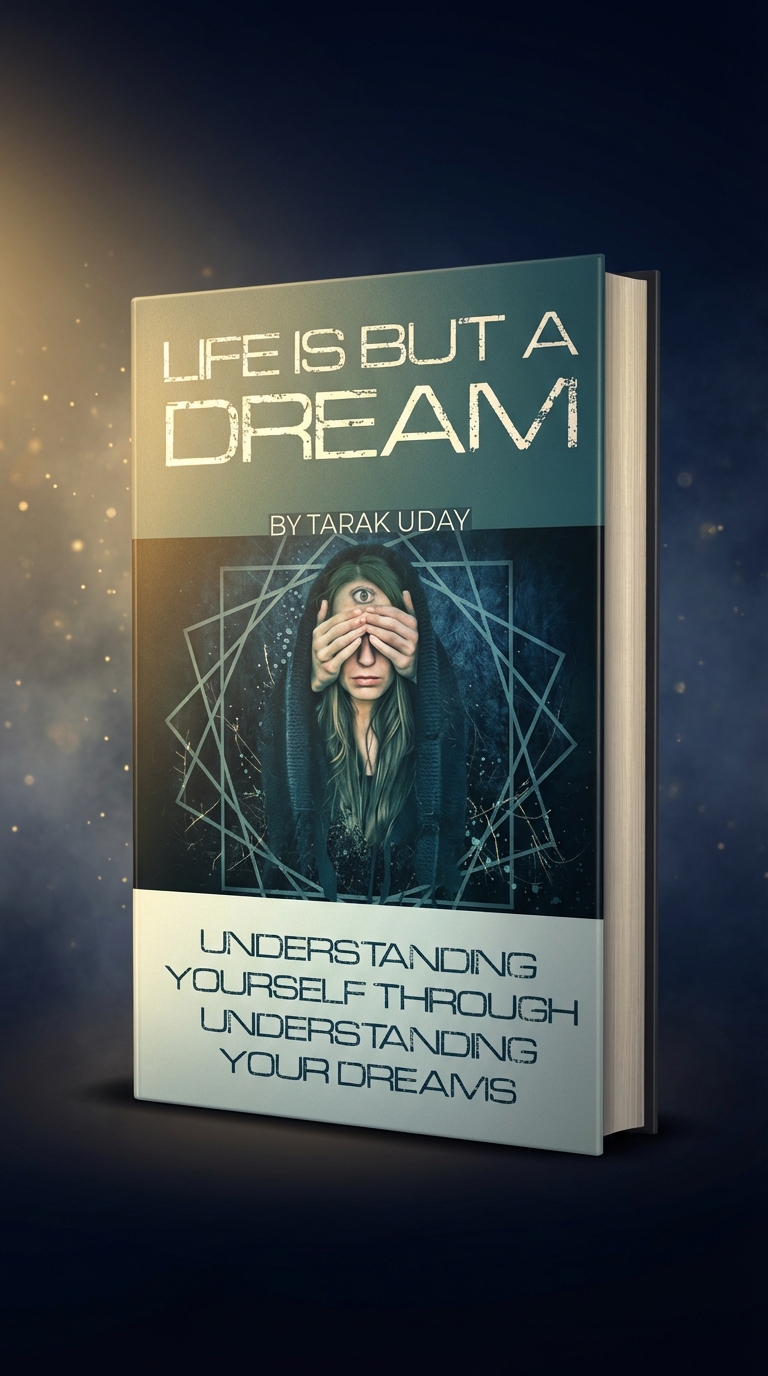
Learn The Language Your Dreams Speak
"Life Is But a Dream" teaches the Universal Language of Mind — how to read any dream symbol by what it is and what it does, so every dream becomes a message you can act on.
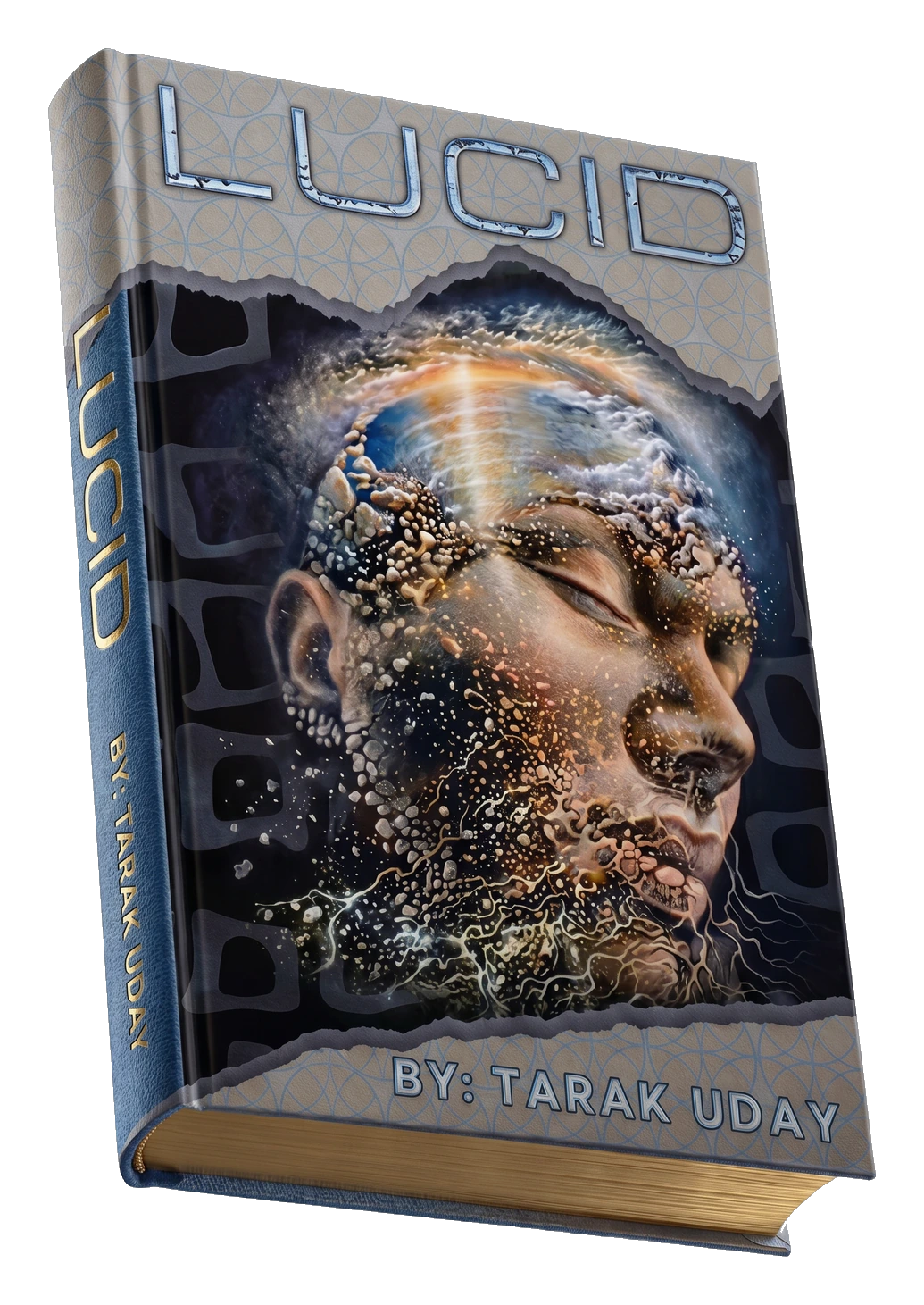
LUCID
You've tried every lucid dreaming technique. Most miss the root cause. LUCID reveals what they all skip.
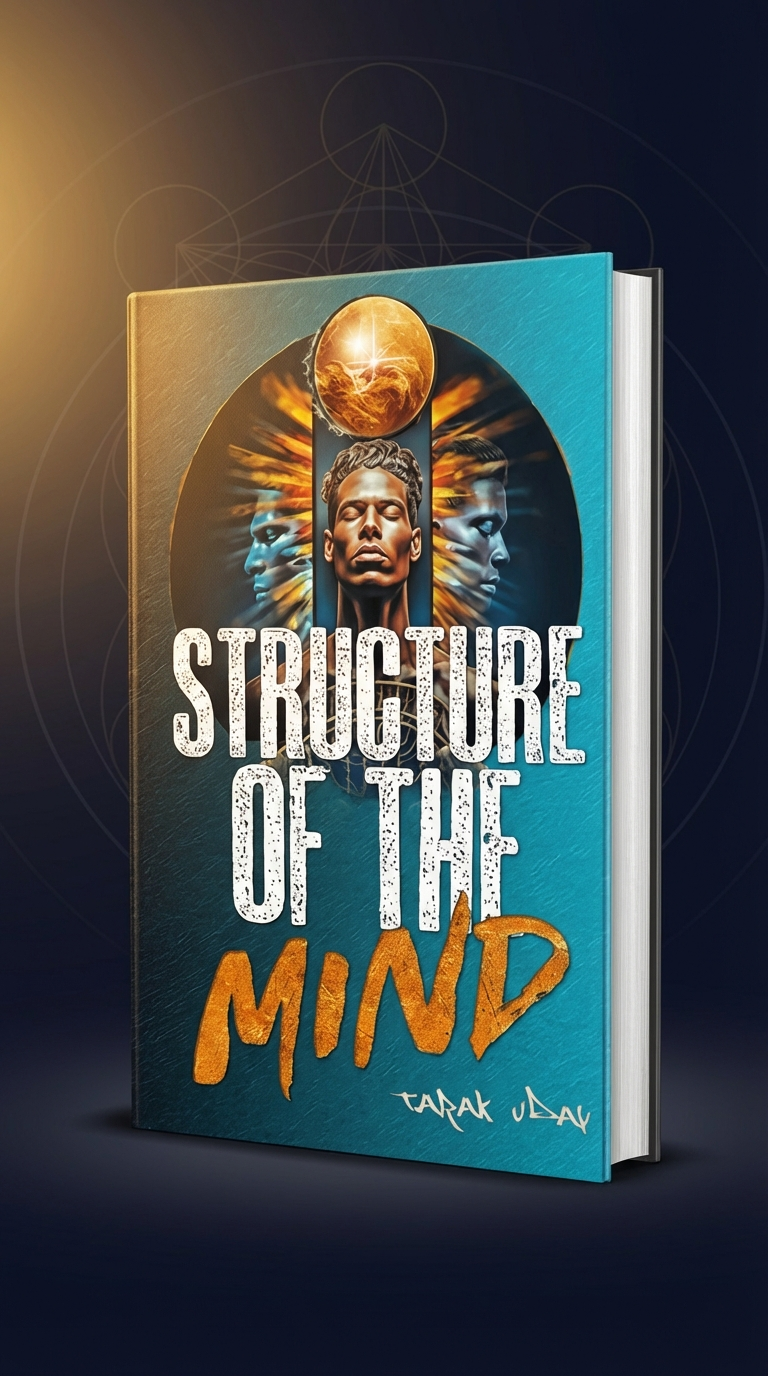
Understand Your Own Mind
"Structure of the Mind" reveals the three divisions of mind, seven levels of consciousness, and powers of mind that most people never learn to develop.