
Dream About a Dead Person Being Alive Again
It is not them coming back. It is a part of you that you thought was gone, walking back into the room.
So you woke up and your chest was tight, because the person you buried was standing right there in the dream — breathing, talking, alive. And some quiet part of you wanted to believe it was real. Here is what nobody at the funeral, and no dream-dictionary website, will tell you: this dream is not about them at all. It is about a part of you that you thought was dead and gone, and it just walked back into the room.
In the Universal Language of Mind, every figure in your dream is a part of you. So when a dead person comes alive again in a dream, your subconscious is reporting that a quality, a strength, a way of being that you had written off as finished is coming back to conscious awareness. Death in a dream never means physical death. It means transformation. And a dead person returning to life means a transformation that had stalled is moving again.
Key takeaway: A dead person being alive again in a dream is your subconscious showing you that an aspect of yourself you believed was gone — a passion, a confidence, a relationship to some part of your own character — is returning to life. The dream is about your inner restoration, not their physical return.
Why does my mind use a dead person to talk to me?
Here is the mechanism, and once you see it you cannot unsee it. Your dreaming mind does not think in words. It thinks in pictures, and it picks the picture that carries the most meaning with the least effort. When some part of your character has gone dormant — the bold version of you, the artist in you, the trusting heart you closed off after someone hurt you — the most accurate image your subconscious has for “this part of me is no longer active” is a person who has died.
So the dead show up because, in the language your deeper mind actually speaks, death is the cleanest word for dormant. Not destroyed. Dormant. And that distinction is the whole point of the dream. According to Tarak Uday and the Universal Language of Mind, death is one of the most hopeful symbols you can receive, because every death in the inner world is the front half of a rebirth.
Think about how this works with the people closest to you. Your mind does not store a person as a list of facts. It stores them as a feeling, a single concentrated quality. Your grandmother might live in you as patience. A friend you lost might live in you as the freedom to be silly without apology. When that person dies in waking life, the grief is real — but the quality they awakened in you does not die with them. It goes underground for a while. And when your subconscious decides it is time for that quality to return, it reaches for the only face that perfectly carries it: theirs. The dead person is the most precise symbol available, because they are already the living symbol of that exact trait inside you.
The dead in your dream are not visiting from somewhere else. They are the parts of you that fell asleep — and tonight, one of them woke up.
What does it mean when the dead person is alive and acting normal?
This is the most common version, and it is the most encouraging one. The person you lost is just there — making coffee, laughing, talking to you like nothing happened. The mood is not eerie. It is almost ordinary. That ordinariness is the message.
When the returned figure behaves as if they never left, your subconscious is telling you the quality they represent has come back online and integrated. Think about what that specific person meant to you — not who they were to the world, but the one trait that lights up when you picture them. Maybe it was unshakable warmth. Maybe it was the courage to speak plainly. That trait is the part of you that has returned. The dream is reporting a quiet inner reunion that has probably already started in your waking life, even if you have not named it yet.
Notice the calm, because the calm is data. If the dream felt warm and unremarkable rather than frightening, your deeper mind is confirming the integration is genuine, not forced. There is a different version where the dead person is alive but something is off — they are distant, or they are leaving again, or they cannot quite reach you. That version is reporting that the quality is trying to come back but has not fully landed yet. Same symbol, different stage of the same transformation. Either way the direction is restoration. Your subconscious does not waste a dream this vivid on a dead end. It uses it to mark movement.
What if the dead person tells me they were never really gone?
So this one shakes people, because the dead figure looks you in the eye and says some version of “I was here the whole time.” In the Universal Language of Mind, that line is your superconscious doing its job. Your superconscious is the deepest division of your mind, the part that holds the blueprint of who you really are underneath every role and every wound.
When the returned figure insists they never left, your deeper self is correcting a false belief you have been carrying — the belief that some essential part of you was permanently lost. It was not. It was buried, and burial is reversible. The Real Self does not lose its qualities; the ego just stops feeling them. This dream is the moment the line goes back up between the part of you that forgot and the part of you that never did.
This is where the three divisions of your mind come into focus. Your conscious mind is the part that walks around your daily life and genuinely believed the quality was gone. Your subconscious is where that quality went to wait, fully intact, just out of reach. And your superconscious is the part that knew the truth the entire time and finally found a strong enough image to deliver it. When all three line up inside a single dream, that is not a small night. That is your whole mind agreeing on something, and what it agrees on is this: nothing essential about you is ever actually lost. It only goes quiet until you are ready to hear it again.
Had this dream and the feeling is still sitting with you? Bring it to CHITTA and get a full interpretation in the Universal Language of Mind — so you can name exactly which part of you is coming back to life.
How do I work with this dream once I am awake?
Do not let this one drift off with the morning. The dream handed you a name, and your job is to claim it. Start by asking the one question that unlocks it: what did this person represent to me at my core? Sit with the first honest answer, because that answer is the aspect of yourself the dream is restoring.
Then look at your waking life from the last few weeks. Something gave that buried part of you permission to wake up — a conversation, a loss, a decision, a small risk you took. Find it, because that is the door, and now you know it opens. Welcome the returning part of you on purpose instead of by accident. That is the difference between a dream that fades and a transformation that holds. This is exactly the kind of inner reunion the Universal Language of Mind was built to help you read, night after night, in your own handwriting.
And here is the practice that makes it stick. For the next week, act once each day from the quality that came back. If the dream restored your boldness, say the thing you would normally swallow. If it restored your playfulness, do one small thing that has no point except joy. You are not pretending to be someone new. You are letting a real part of you, the part the dream just confirmed is alive, take the wheel again. Do that consistently and you will feel the difference, not as an idea but as a change in how you move through your days. The dream was the announcement. The living is yours.
Remember: The grief you feel for the person is real and it deserves honor. But the dream itself is not about loss. It is your mind announcing that something in you that went quiet is ready to live again — and asking you to let it.
Want to go deeper? Tarak Uday breaks down the full death symbol in what it means when someone dies in your dream, and the flip side — your own ending and rebirth — in dreaming about your own death. And if you have ever feared the worst, read does dreaming about death mean someone will die to put that fear down for good.

Frequently Asked Questions


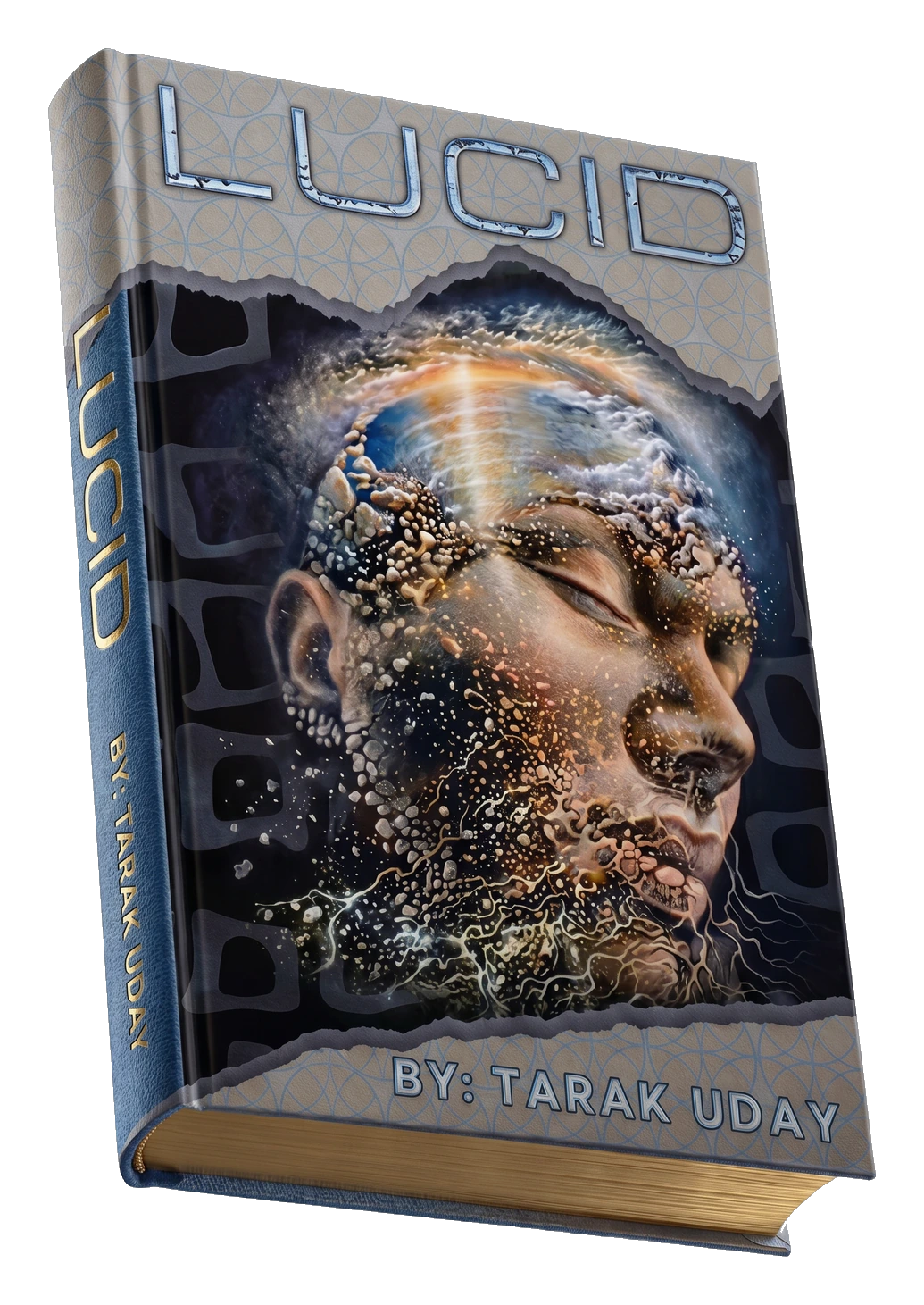
LUCID
You've tried every lucid dreaming technique. Most miss the root cause. LUCID reveals what they all skip.
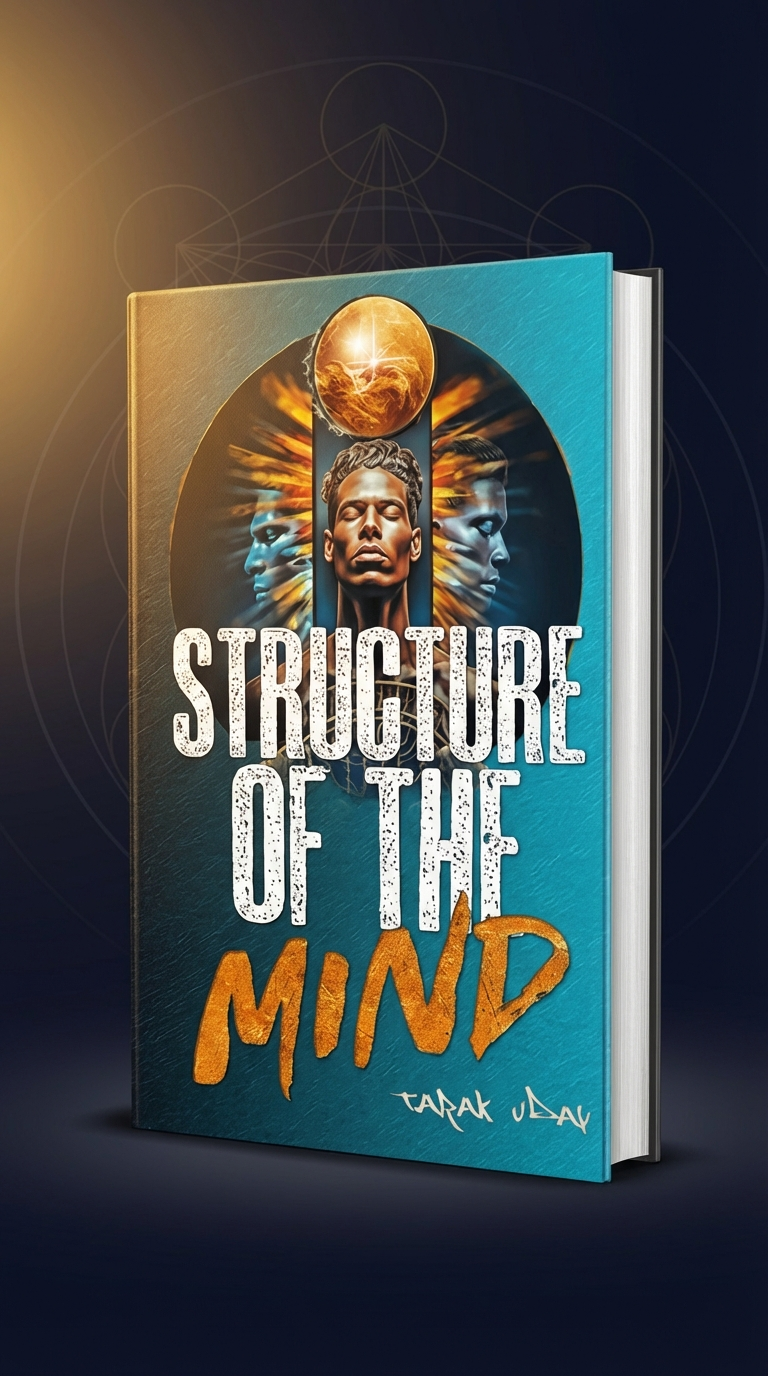
Understand Your Own Mind
"Structure of the Mind" reveals the three divisions of mind, seven levels of consciousness, and powers of mind that most people never learn to develop.