
Dreaming of a Deceased Person Giving You Money or Asking for Food
It can be a real visitation or a symbolic dream. Here are the marks of each, and what the money and the meal mean.
Someone who has died sat across from you, or stood at your door, and either pressed money into your hand or asked you for something to eat. You woke up with the feeling still in your chest, and one question: was that really them, or was that me? Both are possible, and the difference between the two is something you can check against your own dream. This page gives you the marks of each, then decodes the other kind, the symbolic dream, where the money and the meal are the message. Hold the dream in mind as you read, because you are the only one who can say which kind you had.
A visitation dream is real: the soul of someone who no longer has a physical body, meeting you in the inner levels of the subconscious mind. A symbolic dream uses the same person as a picture of something in you. In the symbolic reading, the dead is a major transformation, money is self value, and food is knowledge, the understandings you build through the lessons life hands you.
Was it a real visitation or a symbolic dream?
Start here, because the rest of the reading depends on it. Tarak Uday teaches, from Life Is But a Dream, that when we pass we no longer exist in the physical body but continue in the inner levels of the subconscious mind, using the soul. While you dream, you exist in those same planes. So you can meet someone who has passed, and that meeting is a shared experience with another being. Visitation dreams are very real.
The Universal Language of the Mind describes a genuine visitation by its feel, and the marks are specific. Not much else is going on in the dream, and your loved one is the main focus. Their mouth does not move, because the communication is telepathic, and it is very often a message of love and appreciation. They appear as the happy, healthy self they would picture, younger and well, even if they passed from an illness. A visitation can also be incubated, asked for before sleep.
Now hold your dream against those marks. If the person simply gave you money or asked for food, with no ceremony, no words, and a warmth you could not shake, you may have had a visitation, and only you can weigh that. If the dream was crowded, with a strange house, a dozen other faces, a plot that kept shifting, the person is more likely a character in a symbolic dream. Everything below applies to that second kind, and it is worth reading even if you suspect the first, because a visitation can also leave you with something to understand.
What does a dead person mean in the symbolic dream?
In a symbolic dream, every person, place and thing is an aspect of the dreamer. People stand for characteristics of the personality. That is the rule from Life Is But a Dream, and it is why the same dead grandfather can mean something different to each reader.
The Dream Symbol Dictionary gives dead one meaning: a major transformation. Not a prediction that someone will die. Something in you has ended, or is ending, and the person who appears is the face you gave it. If your grandmother handed you money, ask what part of you she carries: her patience, her stubbornness, her way of keeping a house. That quality, in you, is going through a major change.
So before you read the money or the food, ask the plainer question: what has finished in my life this year? A job, a belief about yourself, a role you played for others. The dead in your dream is that ending, wearing a familiar face so you would pay attention. You can read the full dictionary entry for dead, and if the person was speaking to you, the page on a deceased person talking to you goes deeper into that.
What does it mean when a deceased person gives you money?
Money, in the Universal Language of the Mind, is self value. Not wealth, not luck: how you value yourself. What you believe you are worth, what you allow yourself to receive, what you think you deserve. This is the same reason a dream of finding money, losing money or being short of money so often arrives on the days your self-worth is moving.
So when a dead person gives you money, the symbolic reading is exact. A part of you that has gone through a major transformation is handing you a measure of your own value. The amount matters less than how it felt. If they gave it freely and you accepted, you are ready to receive a higher estimate of yourself. If you hesitated, refused, or the bills were old or worn, the dream shows the places where you still hold back from your own worth.
If the bills would not stay in your hands, or were taken back, notice that too. That is the gap between what you are offered and what you let yourself keep. You can read what the symbol means on its own in the dictionary entry for money, and the page on receiving money from someone covers the living-giver version of the same dream.
Here is the part no article can close. The same gift can mean a worth you are ready to claim or a worth you have been spending too freely, and which one it is depends on the other symbols that were beside it in your dream, in the order they appeared.
What does it mean when a deceased person asks you for food?
Food, in the dictionary, is knowledge: the understandings we build through the life lessons that we learn. We take them in, we digest them, and they become part of us. That is why people speak of hungering for something, of food for thought, of a meal that did not agree with them.
When a dead person asks you for food, the picture turns around. Now the transformed part of you is hungry. It is asking for understanding. It wants the lesson from what ended, not just the ending. A grandmother who asks for bread may be the part of you that carries her way of caring, asking whether you have worked out what that way of caring cost you and what it gave.
Ask what you were doing in the dream. Did you feed them freely? Then you already hold the understanding and are ready to give it to that part of yourself. Did you have nothing to offer, an empty kitchen, a bare table? Then the lesson is still unlearned, and the dream is pointing at where. Did they refuse what you gave? Then the knowledge you are offering yourself is not the kind that nourishes yet.
Put the two halves together and you have one picture seen from two sides. Money from the dead is your worth being offered back to you. Food asked for by the dead is your understanding being asked for. Either way, the dead is the transformation, and the dream is about what you do with it.
How do you read your own dream, and what do you do next?
Write it down before the day takes it back. Not a summary: the room, the light, who spoke, whether their mouth moved, what was in their hands, how you felt in the first second of waking. Those details are what let you tell a visitation from a symbolic dream, and they are the symbols the dictionary reads.
Tarak Uday takes this further in Life Is But a Dream, his guide to reading every dream in the Universal Language of the Mind.
Then work through three questions in order. First, did it carry the marks of a visitation: one focus, no spoken words, a message of love, the person looking well? If so, treat it as what it was, a meeting, and receive it. Second, if it was symbolic, what major transformation is going on in me, and which quality does this person stand for? Third, is the dream about my worth, money, or my understanding, food, or both?
Then notice what stays unsolved. What the dictionary says about money, food and the dead is public. What it means that this particular person came to you on this particular night, with this particular gift, is not, because no article knows who sat at that table. That is a reading only your own dream, kept over weeks, can give you.
This is where CHITTA fits. Your dream journal keeps the dated record, and the interpretation engine reads your dream against the symbols around it, so you can see whether the money or the meal is the real subject. If the same person returns, the journal shows you the pattern and whether each visit carries the marks or not.
Write down the dream while it is still sharp, and let the symbol dictionary show you what the money, the food and the person are made of. Start your dream journal.
One last thing, because it is the part that frees people. A dream of someone who has died is not a debt, and it is not a warning. Whether it was a visit or a picture of change in you, it came because something in you was ready to be seen.
That is what the money, the meal and the dead mean. It does not tell you why they came to you last night, and only your own dream can.
Frequently Asked Questions



Books by Tarak Uday

Learn The Language Your Dreams Speak
"Life Is But a Dream" teaches the Universal Language of the Mind — how to read any dream symbol by what it is and what it does, so every dream becomes a message you can act on.
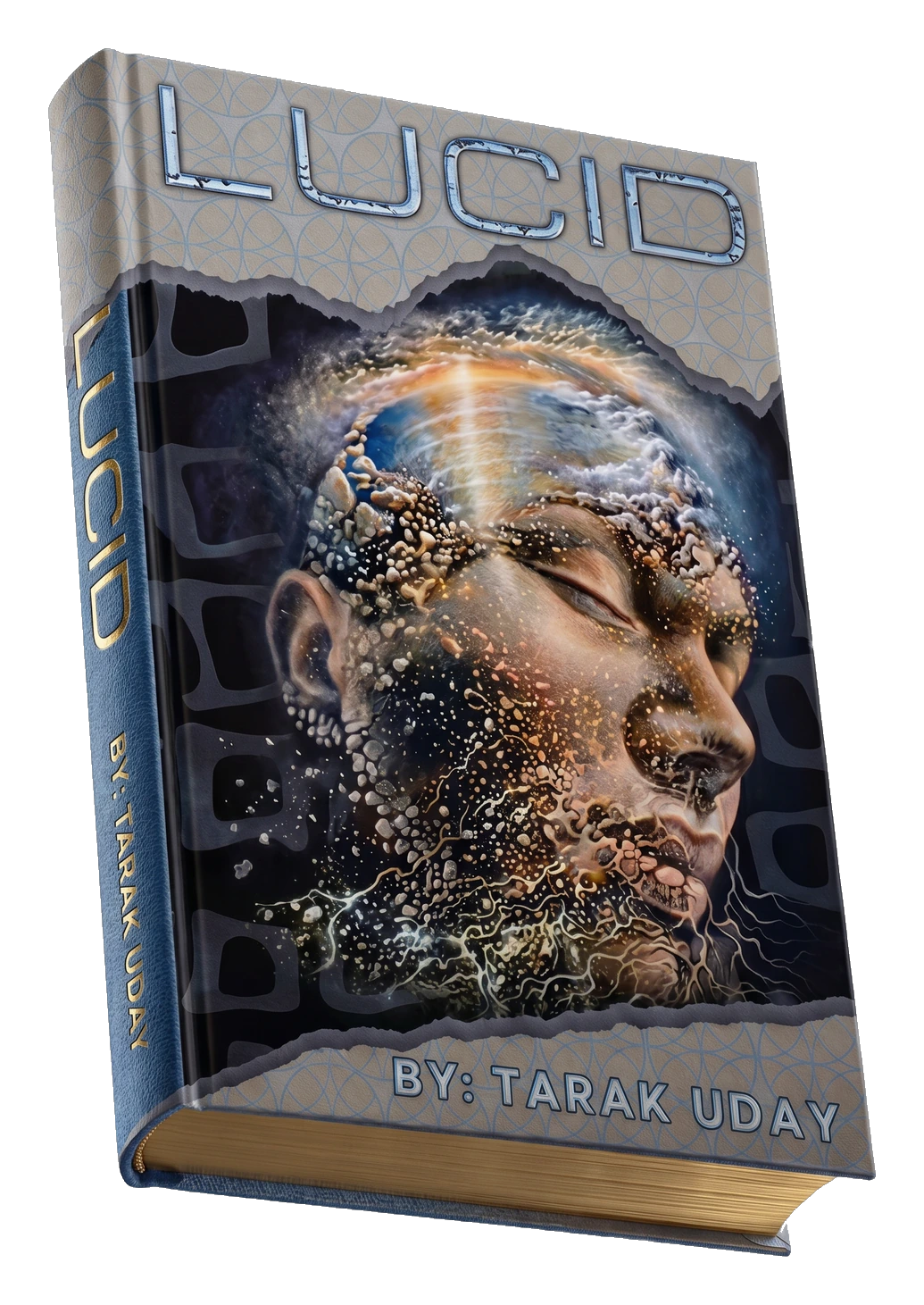
LUCID
You've tried every lucid dreaming technique. Most miss the root cause. LUCID reveals what they all skip.
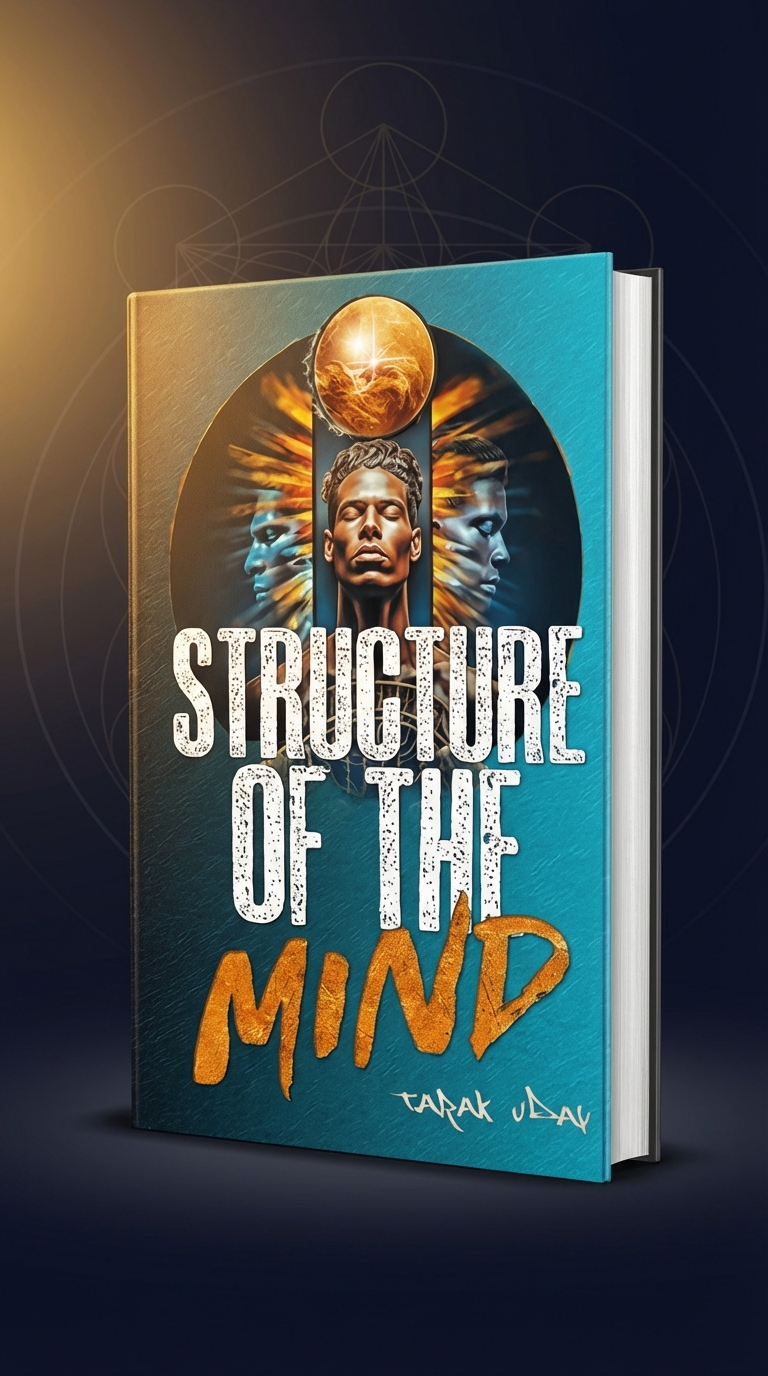
Understand Your Own Mind
"Structure of the Mind" reveals the three divisions of mind, seven levels of consciousness, and powers of mind that most people never learn to develop.