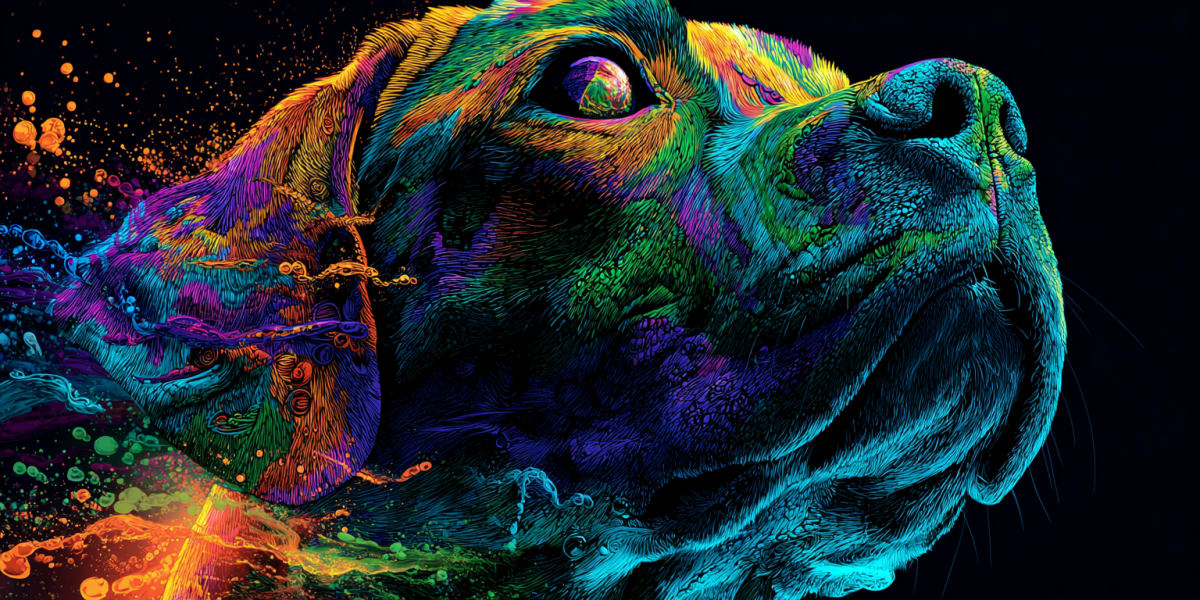
Dream About a Lost or Missing Dog: What It Means
You didn't lose a pet. You lost a practice — and your subconscious mind noticed before you did.
A man wrote to me about a dream he'd had three nights running. He's standing in the neighborhood he grew up in, calling for his dog. He can hear it somewhere — a collar jingling, a bark two streets over — but every corner he turns is empty. He wakes up exhausted and vaguely guilty, and he doesn't own a dog.
Here's the decode: in the Universal Language of Mind, a dog is a mental habit. A lost dog is a habitual thought pattern that has stopped running. His subconscious mind wasn't grieving a pet. It was filing a report that a practice he used to rely on had quietly gone dormant, and he hadn't consciously registered the loss yet.
When we traced it, he'd stopped doing the thing he used to do every morning about four months earlier. He never decided to stop. It just fell off during a busy stretch and never came back.
Why Does a Missing Dog Mean a Missing Habit?
So this all works on form and function, which is the operating principle of the entire dream language. You don't look symbols up. You ask what the thing DOES in waking life, because mind renders meaning as function.
A dog follows. It obeys. It's loyal and trainable and it turns up without being summoned. That is exactly what a habitual thought does — it enters your mind automatically, without conscious choice, because you trained it in through repetition.
According to the Universal Language of Mind that Tarak Uday teaches, every animal in a dream is a habitual thought pattern, and the dog is the loyal, persistent one. So the dog going missing is the picture your subconscious mind uses for a pattern that has stopped showing up on its own.
And notice the emotional signature people report — that specific low guilt, the sense of having failed something that trusted you. That's not sentimentality. That's an accurate read on what happens when you stop feeding a habit you built.
What Does It Mean When You Search and Can't Find It?
This is the version almost everyone has, and the searching is the most instructive part of the whole dream.
You're calling. You're covering ground. You can sometimes hear the dog but you can't reach it. That's your subconscious mind showing you exactly how you've been trying to restart the habit — through effort, wanting, and memory. You're looking for it in the place you last had it, which is why the dream so often puts you in an old neighborhood or an old house.
But a habit doesn't live in a place. It lives in a trigger and a schedule.
So the reason the search fails in the dream is the same reason it's failing while you're awake. You keep trying to remember to do the thing. Remembering was never what made it automatic. Repetition at a fixed cue is what made it automatic, and that structure is what went missing — not your willingness.
Find out exactly which practice went dormant
CHITTA's interpretation engine reads the dog, the setting, and the search through the Universal Language of Mind and names the specific habit your subconscious mind is reporting on — the mechanism, not a fortune.
Decode Your Dream Now →What Does the Place You Lost It Tell You?
Setting is not background. It's a word in the sentence, and in this dream it's usually the word that names the cause.
Losing the dog at your childhood home points at a habit tied to who you were before — a practice from an earlier version of your life that the current version stopped making room for. Losing it at work points at a habit your professional demands displaced. Losing it on a trip or somewhere unfamiliar points at a disruption in routine that never got repaired after the disruption ended, which is by far the most common mechanism.
That last one matters, because people assume a lapsed habit means a character failure. Usually it means a travel week, an illness, a deadline — a legitimate interruption that nobody ever formally closed. The structure came down for a good reason and then simply never went back up.
So look at where you were in the dream, and then ask what changed in your waking life around that setting. I've decoded thousands of these and the cause is almost always a disruption nobody re-repaired, not a collapse of discipline.
How Do You Get the Dog Back?
You don't find a lost habit. You retrain it, and the good news is that retraining an old habit is dramatically faster than building a new one, because the pattern is still in there — it's just not being cued.
Start by naming the exact behavior, not the intention. "I want to get back to being disciplined" is not a name. "I do ten minutes of it right after I put the coffee down" is a name, because it has a trigger attached.
Then rebuild the cue before you rebuild the volume. Everyone tries to return at full intensity, fails in four days, and concludes the habit is gone for good. Go back at a fraction of the old size but at the old trigger. The trigger is the leash. Size can grow later.
Tarak Uday takes this further in Life Is But a Dream, his guide to reading every dream in the Universal Language of Mind.
Then hold it long enough for the repetition to do its work, and through concentration practice you'll notice the moment the thought starts arriving on its own again instead of being dragged. That's the dog coming home. That's what it actually feels like.
And if this dream came with teeth instead of absence, the same symbol is reporting a different condition — read what a dog biting you means. If the dog was friendly and following you, see a friendly dog following you.
What If You Find the Dog at the End of the Dream?
Finding it is a good report, and it's more specific than people realize. It means the habit is recoverable and your subconscious mind already knows where it went.
So note two things: the condition the dog was in, and where you found it. A healthy dog found close by means the practice lapsed recently and will restart easily. A thin or frightened dog found far from home means it's been dormant a while and will need gentler, smaller reintroduction than your ego wants to give it.
And if someone else was holding the dog when you found it, look at who. In this language, the people in your dreams are aspects of you — so that's showing you which part of yourself has been carrying the practice while the rest of you stopped.
For the full symbol underneath all these versions, read the core breakdown of what dogs mean in dreams, and for the wider family see animals in dreams.
Your dreams already know which habit you dropped
Log tonight's dream in CHITTA's dream journal and decode it against the Universal Language of Mind symbol dictionary. A lapsed practice shows up in your dreams before it shows up in your results — and the journal turns that into a dated record you can actually act on.
Decode Your Dream Now →Tarak Uday is the founder of CHITTA and the author of Life is But a Dream and Lucid, which lay out the Universal Language of Mind as a complete, learnable system for reading what your subconscious mind is actually saying.

Frequently Asked Questions


Books by Tarak Uday

Learn The Language Your Dreams Speak
"Life Is But a Dream" teaches the Universal Language of Mind — how to read any dream symbol by what it is and what it does, so every dream becomes a message you can act on.

LUCID
You've tried every lucid dreaming technique. Most miss the root cause. LUCID reveals what they all skip.
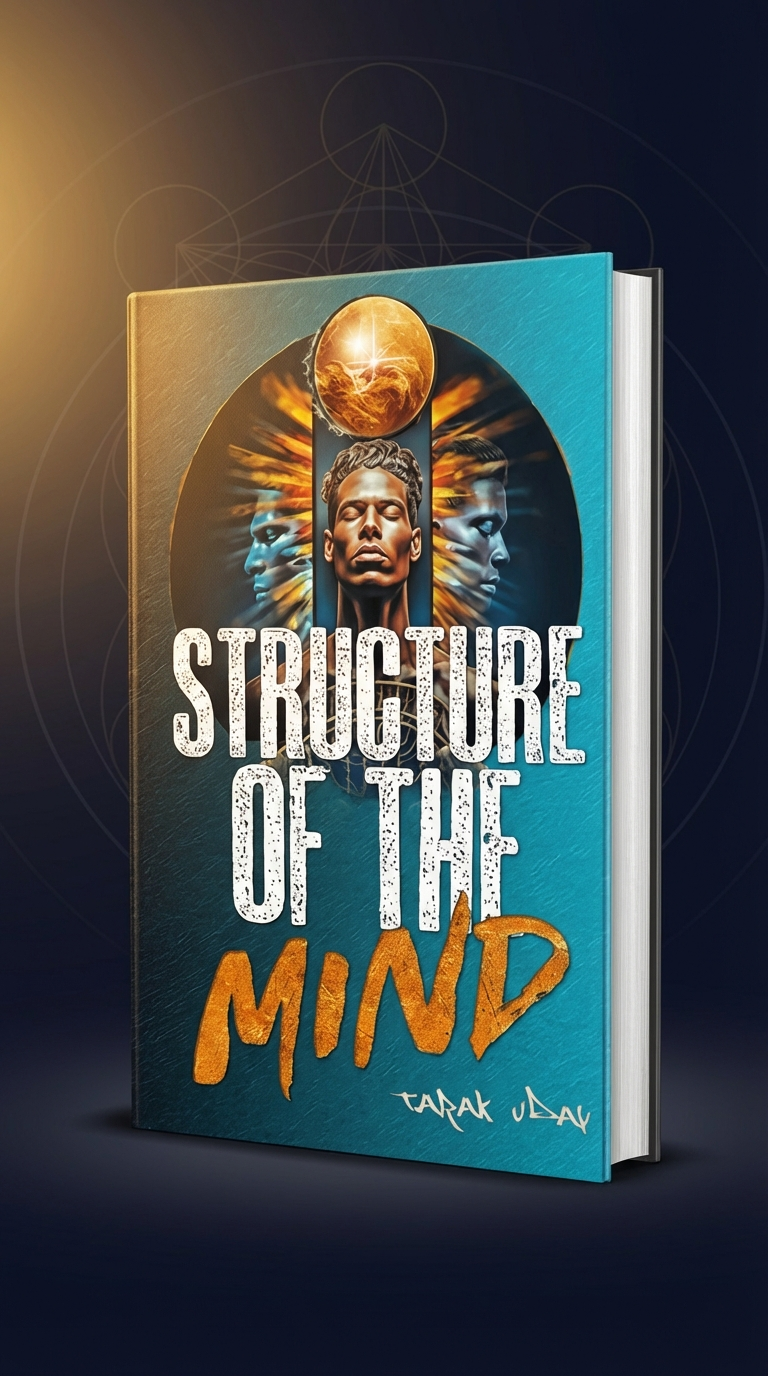
Understand Your Own Mind
"Structure of the Mind" reveals the three divisions of mind, seven levels of consciousness, and powers of mind that most people never learn to develop.