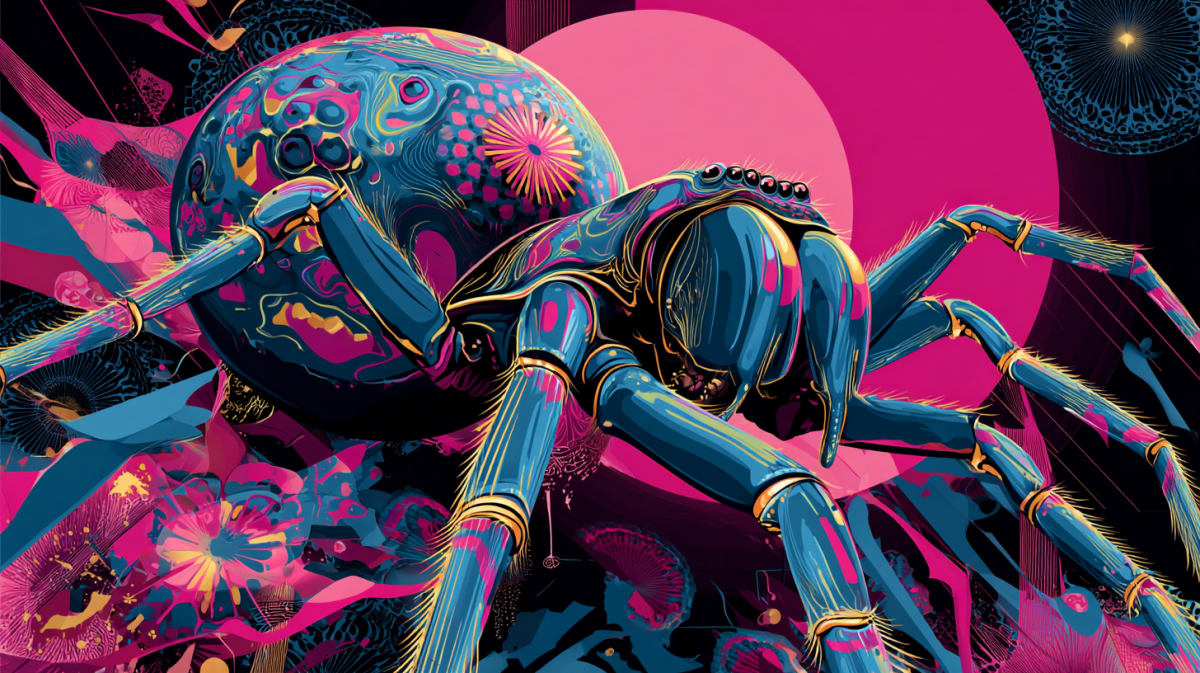
Dream About a Spider Biting You? What It Means
So you felt the bite and woke up rattled. That sharp little moment is your subconscious telling you a quiet habit just started costing you something real.
You're somewhere ordinary in the dream. A wall, a corner, the edge of a bed. And then you feel it — that quick, sharp pinch, and you look down and there's a spider, and it just bit you. You wake up with your heart going, half-expecting a mark on your skin. So you grab your phone and type in the obvious thing: dream about a spider biting you. And every site hands you the same junk — a warning, a hidden enemy, some manipulative person in your life, bad luck coming. Here's why all of that is wrong, and why the bite is actually the most useful thing your subconscious did for you all week.
What does a spider mean in a dream?
So before we get to the bite, you have to get the spider right, because if you get the animal wrong the whole dream falls apart. In the Universal Language of Mind, every animal in a dream is a habitual thought pattern. Not a person. Not a creature out in the world. A pattern of thinking that runs inside you on repeat. And the spider is a very specific kind of one.
A spider is small. Quiet. It builds in corners and shadows, in the places you stopped looking. According to Tarak Uday's Universal Language of Mind, that's exactly what it represents — a small mental habit, a thought you run so automatically you don't even register it anymore. And a spider's web is a trap. It's built to catch and hold. That's the mechanic: a small habitual thought quietly catches your attention, your energy, your momentum, and you don't notice the web until you're already stuck in it.
I've decoded thousands of these, and the people who dream about spiders are almost never dealing with some big dramatic problem. They're dealing with a tiny one they've been ignoring. That's the whole nature of the symbol. Small. Quiet. Easy to walk past. If you want the fuller picture of the symbol on its own, the core breakdown lives in this piece on what spiders mean in dreams.
So why did it bite you?
Here's where the scenario layer changes everything. A spider just sitting in its web is a status report — there's a habit running in the background, noted. But a bite? A bite is contact. A bite is the habit reaching out and touching you. It's no longer running quietly in the corner. It's started to cost you something, and your subconscious turned that cost into a sharp little jolt you could actually feel.
Think about what a bite physically is. It's a puncture. It breaks the surface. It injects something into you. So in the Universal Language of Mind, the bite is the precise moment the small habit crosses over from background hum to real-world price. The thing you weren't paying attention to has started draining your sleep, your energy, your focus, your relationships — and the dream made you feel it because you weren't getting the message any other way.
Find the exact habit your spider dream is pointing at
CHITTA decodes your dream through the Universal Language of Mind and shows you the specific waking-life pattern your subconscious is flagging — no generic dream-dictionary guesses.
Decode Your Dream Now →Does it matter where the spider bit you?
Yeah, it matters a lot, and this is where the dream gets specific enough to actually be useful. Form and function don't stop at the spider — they carry right into where the bite landed. Your subconscious doesn't waste detail. The body part is the address.
Bitten on the hand? The hand is how you act, how you do and make and reach. The habit has reached your actions — it's showing up in what you're actually doing. Bitten on the head or face? That's your thinking, your identity, how you face the world. The habitual thought has reached your mind directly. Bitten on the foot or leg? Those carry you forward — the habit is affecting your direction, the path you're walking. Bitten on the chest, near the heart? It's reached what you care about, your relationships, your sense of what matters.

Bindu says: "The spider didn't sneak up on you. You walked past it every day until it had to bite to get your attention."
What about killing the spider, or seeing many of them?
If you killed the spider after it bit you — that's a good dream. That's your subconscious showing you that you've already started consciously ending the habit. The decision is underway. The dream is confirming it, not asking for it.
If there were many spiders, or one bit you and more appeared, that's the web doing what webs do. Small habits multiply. One unexamined pattern breeds three more, because the mind loves to run on autopilot and a single habit is rarely alone. The swarm isn't telling you you're overrun. It's telling you it's time to look at the whole corner, not just the one spider. And if the spider was enormous, the size is the measure of how long you've fed the habit — big spider, old habit, lots of attention poured into it without realizing.
Here's what to actually do with this
So you've got the mechanic now, and this is the part that matters, because information you don't use is just trivia. The dream isn't asking you to interpret it. It's asking you to change something.
Sit down and ask yourself one question: what small, repetitive thing do I think — or do — on autopilot that's quietly costing me? Not the big obvious problem. The small one. The mental loop you run a hundred times a day without noticing. The worry you rehearse. The little story you tell yourself. The reflex you never question. That's the spider. And the bite means it's no longer free — you're paying for it now.
Then name it. Out loud, in plain words. Because here's the actual mechanic of change in the Universal Language of Mind: a habit runs in the subconscious precisely because it's below conscious awareness. The moment you name it, you drag it up into the conscious mind — and the conscious mind is the only part of you that can choose. You can't choose your way out of something you can't see. Naming the web is what lets you clear it.
That's the difference between knowing what your dream means and actually using it. Most people will read this, nod, and go back to feeding the spider. The ones who change are the ones who put the phone down right now and name the one small habit they've been walking past. Your subconscious already did the hard part — it found the habit and made you feel it. The rest is yours.
If you want to go deeper into how the smallest patterns trap your attention, read what your subconscious is really telling you with spider dreams, and for the full mechanics of how habitual thoughts work in the mind, this breakdown of spider dreams in the Universal Language of Mind takes it further.
Stop guessing what your dreams mean
Every dream is your subconscious speaking the Universal Language of Mind. CHITTA translates it — and shows you the exact habit, thought, or pattern it's pointing at in your waking life.
Decode Your Dream Now →
Frequently Asked Questions



LUCID
You've tried every lucid dreaming technique. Most miss the root cause. LUCID reveals what they all skip.
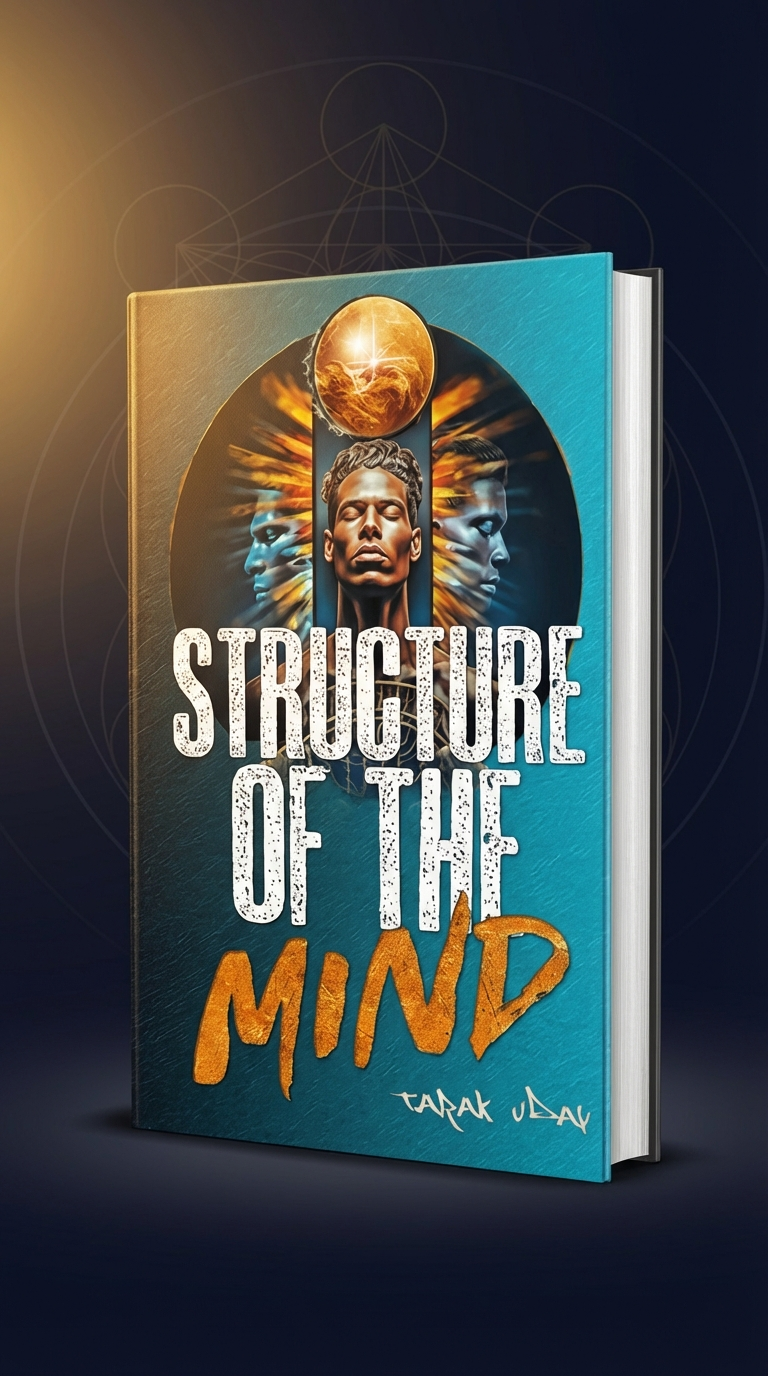
Understand Your Own Mind
"Structure of the Mind" reveals the three divisions of mind, seven levels of consciousness, and powers of mind that most people never learn to develop.