
Dream About a Wedding Going Wrong: The Real Meaning
Nothing can interrupt the ceremony except you. The disaster is your own objection, filed early.
A dream about a wedding going wrong means a commitment to yourself is being made without full internal consent. In the Universal Language of Mind a wedding represents a stronger commitment to the Self, so a ceremony that collapses is showing you which part of you hasn't agreed yet. It isn't a warning about your relationship. It's a headcount of your own resistance.
So don't read the disaster as a prediction. Read it as a vote that came back split.
What does it mean to dream about a wedding going wrong?
It means the ceremony is real and the consensus isn't.
Your subconscious mind stages a wedding when a genuine commitment has formed - a decision about who you're going to be from here. According to the Universal Language of Mind that Tarak Uday teaches, the figures at that ceremony are all aspects of you, which means the person who objects, arrives late, refuses to speak or knocks over the cake is also you. The dream isn't sabotaging itself. It's reporting accurately that one of your own aspects is not on board.
Which is genuinely useful information. Most people discover their internal objections the expensive way, six months into a decision, when the resistance finally surfaces as procrastination or a mysterious loss of energy. This dream hands you the objection early, while you can still address it.
Is the dream warning you about your actual relationship?
No, and this is the reading that costs people the most.
Dreams don't forecast events and they don't audit other people. Every figure in the dream is assembled from your own mental material, so a dream cannot tell you whether your partner is right for you, whether they're being honest, or whether the real wedding will go smoothly. It has no channel into another person at all. What it can tell you, with unusual precision, is what your own mind currently believes about the commitment you're making.
Engaged people get this dream constantly, and it correlates with the size of the commitment rather than the health of the relationship. Read what a wedding means in a dream alongside what your own wedding represents, and the mechanism is the same in every case: the ceremony tracks internal agreement, and the disruption tracks internal dissent.
What does each kind of disaster point to?
The specific failure is the specification, so take it literally and then translate the function.
If you arrive late or can't find the venue, the commitment is real but you don't yet know how to get to it - the decision is made and the route isn't. If you're wearing the wrong clothes or nothing at all, you feel unprepared to be seen in this new commitment, which is about self-image rather than readiness. If nobody comes, the aspects of yourself that should be unified toward this purpose haven't gathered - part of you still treats this as a private experiment.
If the other person doesn't show, the quality you were committing to hasn't been integrated yet; you've promised something you haven't yet become. If someone objects loudly, an aspect of you with real authority disagrees, and that voice is worth identifying by name. And if the building itself fails - the roof leaks, the floor gives way, the church burns - remember that a house or building is a state of mind. The commitment is sound; the state of mind you're making it from can't hold the weight yet.
Find out which part of you objected.
Log the dream in CHITTA and the interpretation engine reads the ceremony, the figures and the exact point of failure through the Universal Language of Mind - so the objection gets a name instead of staying a bad feeling.
Decode Your Dream Now →How do you turn the disruption into a decision?
Do this while the dream is still warm, because the details fade faster than the feeling.
Write the single moment where it went wrong. Not the whole dream - the frame where the ceremony stopped being a ceremony. Then answer one question in plain language: what would have had to be true for that not to happen? If the answer is "I would have needed to know the way," your objection is about method. If it's "I would have needed someone there," your objection is about support. If it's "I would have needed to be someone else," your objection is about identity, and that's the deepest of the three.
Then name the objection out loud, in one sentence, to one person. That's the whole intervention, and it works because an unspoken objection keeps running the dream while a spoken one becomes a problem you can solve. If the dream keeps returning after that, it's operating as a recurring dream - an unlearned lesson repeating - which means the objection was named but never acted on. Information doesn't transform anything. Experience does.
Tarak Uday takes this further in Life Is But a Dream, his guide to reading every dream in the Universal Language of Mind.
What do people ask most about wedding dreams that go wrong?
I'm engaged and this dream terrified me. Should I be worried?
No. The dream is reporting on your internal state, not auditing your partner or predicting the day. A large real commitment reliably produces dreams about commitment being tested. Treat the disruption as a list of what you still need to settle in yourself, not as evidence about them.
What if I was the one who ruined it?
That's the clearest version of the dream and the easiest to use. It removes the ambiguity: your conscious sense of self is the aspect withholding consent. Ask what the commitment would cost you that you haven't agreed to pay yet, and you'll usually have it inside a minute.
Does a wedding that goes wrong ever mean something good?
Often. A disrupted ceremony surfaces an objection early enough to be worked with, which is a better outcome than a smooth dream over a divided mind. In the Universal Language of Mind an accurate report is always good news, regardless of how uncomfortable the imagery is.
Turn the wreckage into a readable message.
CHITTA decodes dreams through the Universal Language of Mind - form and function, mechanism over mood. Log tonight's dream and get the objection read as the useful data it is.
Decode Your Dream Now →Tarak Uday is the author of Life is But a Dream and LUCID, and the developer of CHITTA's dream interpretation engine. He has spent over two decades decoding dreams through the Universal Language of Mind.

Frequently Asked Questions


Books by Tarak Uday
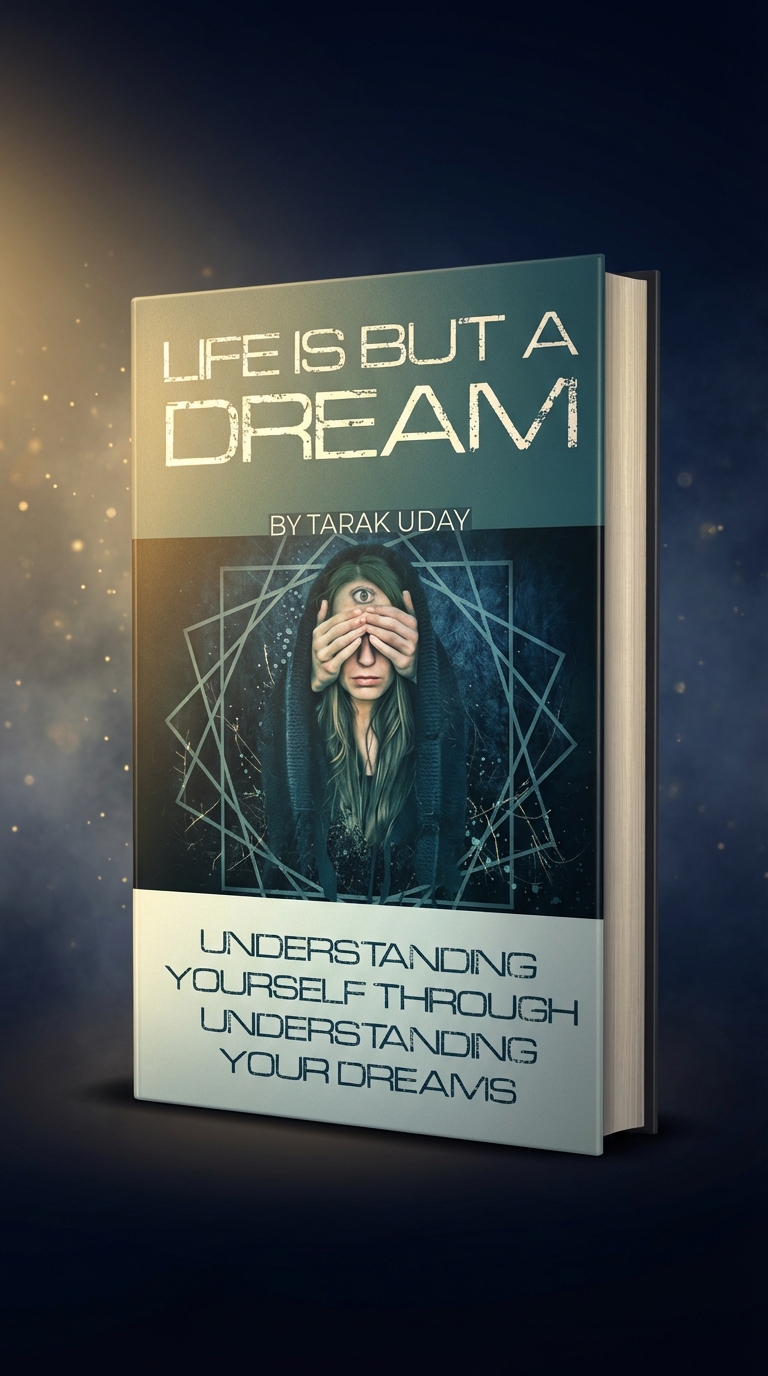
Learn The Language Your Dreams Speak
"Life Is But a Dream" teaches the Universal Language of Mind — how to read any dream symbol by what it is and what it does, so every dream becomes a message you can act on.
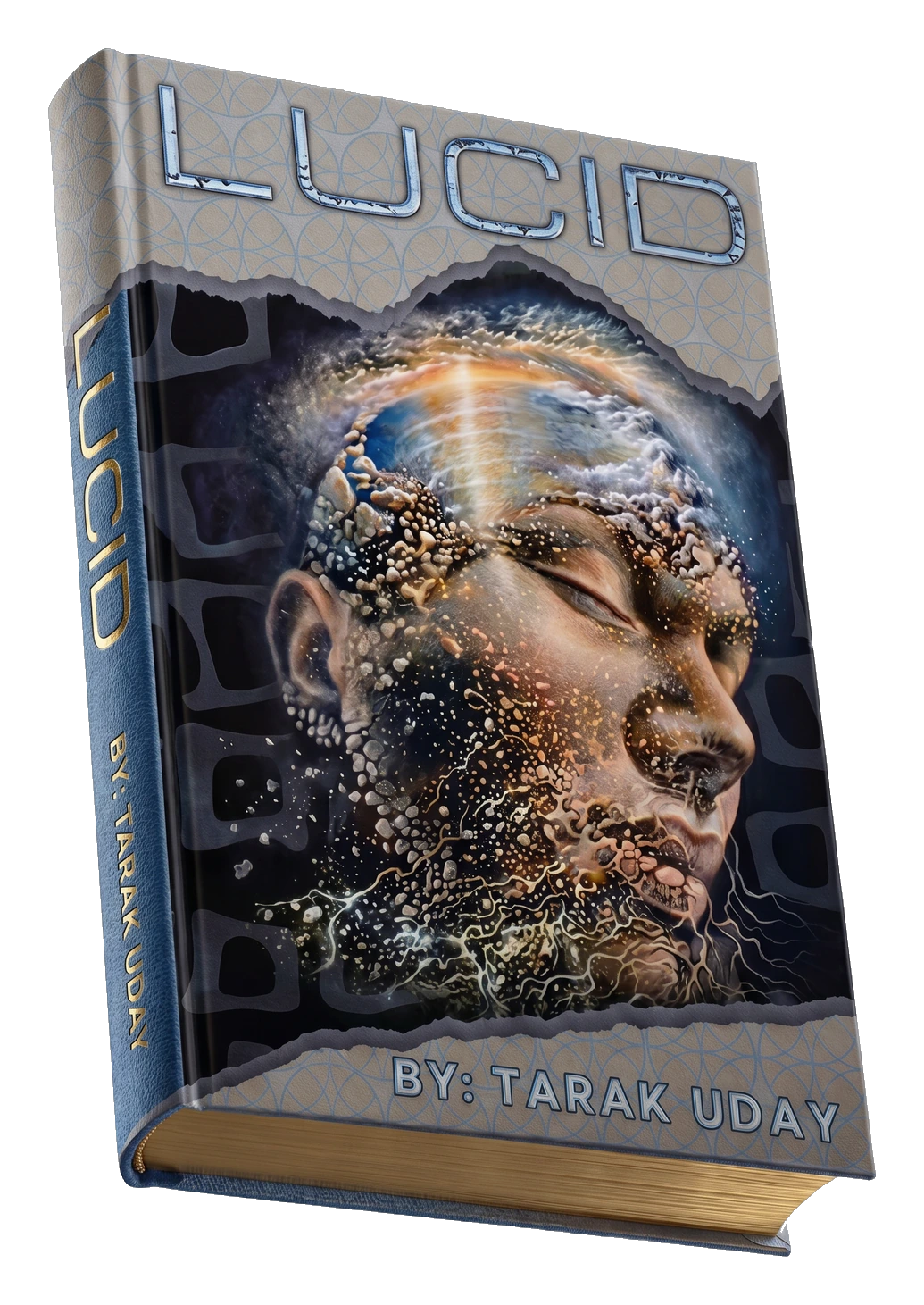
LUCID
You've tried every lucid dreaming technique. Most miss the root cause. LUCID reveals what they all skip.
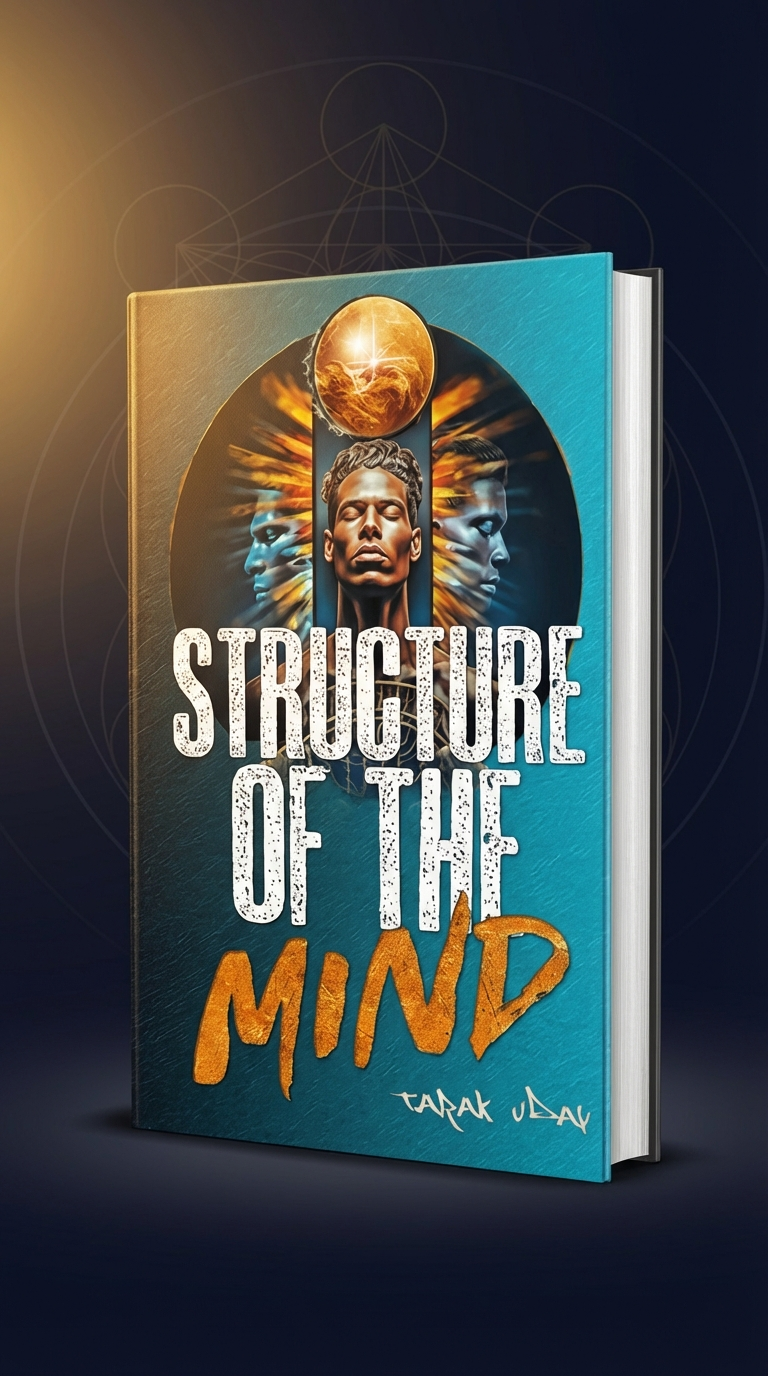
Understand Your Own Mind
"Structure of the Mind" reveals the three divisions of mind, seven levels of consciousness, and powers of mind that most people never learn to develop.