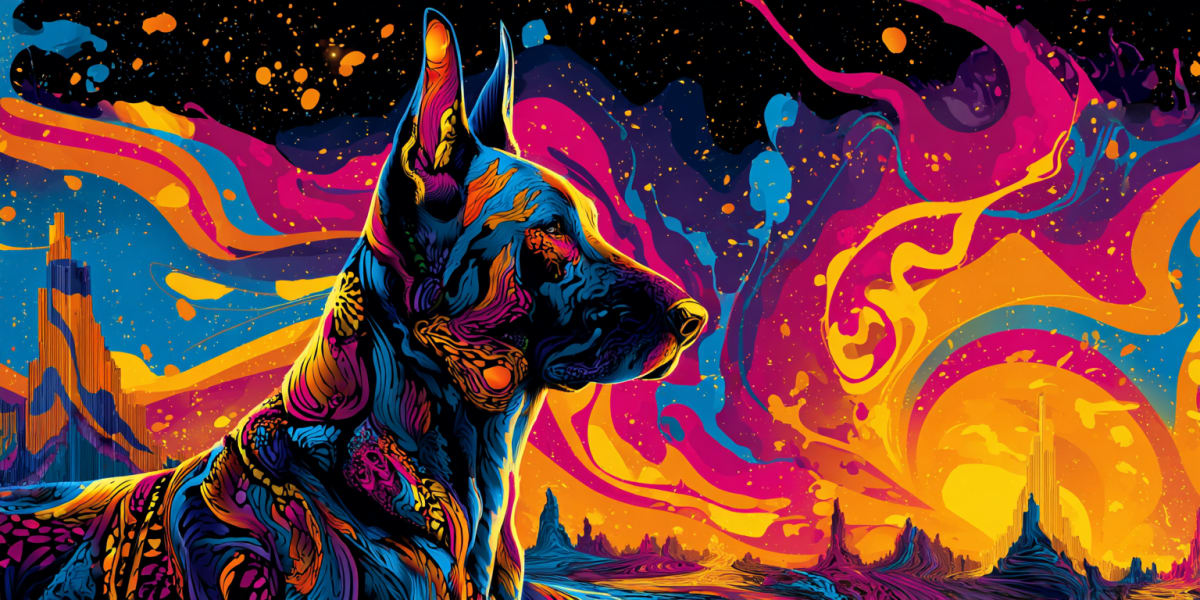
Dream About Being Attacked by a Pack of Dogs
One habit bites. A pack means the habits have started reinforcing each other, and that's a different problem.
So you were surrounded, there was nowhere to go, and you woke up with your heart going. Here's the direct answer: in the Universal Language of Mind, dogs are mental habits. A pack attacking you means several habitual thought patterns have linked up and are now taking from you at the same time. Your subconscious mind isn't flagging one bad habit. It's flagging a cluster that has started reinforcing itself.
And that distinction is the entire value of this dream, because a cluster does not respond to the fixes that work on a single habit.
Why Does the Number of Dogs Change the Meaning?
The dream language runs on form and function — you ask what a thing DOES rather than looking it up. A dog follows, obeys, and shows up uninvited because it was trained to. That's a habitual thought exactly: something that enters your mind automatically, without conscious choice.
According to the Universal Language of Mind that Tarak Uday teaches, all animals in dreams are habitual thought patterns, and the dog is the loyal, persistent one. So the count isn't decoration. The count is the report on scale, and it moves along a spectrum.
One dog is one habitual thought. It has a specific trigger, a specific cost, and you can work on it directly. If that's your dream, read what a dog biting you means.
Two or three dogs means related patterns are showing up together but you can still tell them apart. There's still handles to grab.
A pack — enough that you stop counting — means the patterns have merged into a single behavior. You've crossed from having several habits into having a mode you drop into. That's a different animal, literally and mechanically.
What Does It Mean That They Attack Together?
Here's the mechanic. One habitual thought fires, and the state it produces becomes the trigger for the next one. That one fires and lowers your resistance to the third. Within minutes you're somewhere you didn't consciously walk to.
You know the sequence even if you've never named it. A small setback lands. The self-critical thought arrives. That mood makes the avoidance thought reasonable. Avoiding makes the situation worse, which feeds the original critic. Four separate trained patterns, and each one hands off to the next.
That's a pack. Not four dogs standing around — four dogs hunting as a unit.
So when people say "I don't know what happened, I was fine and then I wasn't," this is what happened. No single thought was strong enough to do that. The chain was.
What Were You Doing When They Came?
Your position in the dream tells you where you are on the spectrum, and this is the most actionable detail in the whole thing.
If you were cornered, backed against a wall or a fence, the cluster has narrowed your options in waking life. There's some area where you feel you have no moves, and the dream is confirming that the constriction is being produced by your own patterns rather than by your circumstances.
If you were running, that's the mildest version and the best news. Running means the pack hasn't reached you — the cost is still anticipated rather than paid. Note also that in this language, running from something is running from an aspect of yourself, which is why being chased in a dream sits so close to this one.
If you were fighting them off, your conscious mind is actively resisting the cluster right now, and probably succeeding through sheer effort. That's real, and it's expensive, and it's not sustainable, which we'll get to.
And if you were frozen or being overwhelmed, the dream is reporting that you've stopped resisting. That's not weakness — it's accurate feedback that the current approach has run out of fuel.
Find out which habits joined forces
CHITTA's interpretation engine reads the pack, your position, and the setting through the Universal Language of Mind and names the specific chain of habitual thoughts your subconscious mind is reporting — mechanism, not superstition.
Decode Your Dream Now →Why Doesn't Fighting Each Habit Work?
This is the part that saves people months, so sit with it.
Everybody attacks a cluster the same way: pick the worst habit, apply willpower, hold the line. And it works for about nine days, because willpower is a limited supply and the pack is not fighting you with willpower. It's fighting you with automation, which costs it nothing.
You cannot out-effort a system that runs for free.
So you don't fight the dogs. You find what calls them. Every cluster has a shared trigger — a time of day, a specific room, a level of tiredness, a particular person, a certain kind of message. The individual habits look unrelated, but they answer to the same whistle, and that whistle is the actual target.
Remove or alter the trigger and the whole pack loses its cue simultaneously. That's the leverage, and it's why identifying the chain matters more than identifying any single habit in it.
Tarak Uday takes this further in Life Is But a Dream, his guide to reading every dream in the Universal Language of Mind.
How Do You Retrain a Whole Pack?
Write the dream down first, with everything you'd normally skip: how many, what kind, where you were, what you did, whether you got away. That's not color. Each detail is a word in the sentence.
Then map the chain in waking life. Take your last bad stretch and write what actually happened in order — the event, the first thought, the mood, the second thought, the action. Most people have never seen the sequence written down, and seeing it is most of the work, because a chain you can see is a chain you can interrupt.
Then break it at the earliest link, not the loudest one. The last dog is the one that hurt, but the first dog is the one that opened the gate.
Then build the capacity to catch the first link as it arrives. Through concentration practice you develop the power to observe a habitual thought at the moment it enters instead of after it has already handed off. That's the whole skill, and it's the only thing that scales, because it works the same whether you're facing one dog or twenty.
I've decoded thousands of these and the packs always break the same way: not by force at the end, but by attention at the beginning.
For the full symbol underneath every version of this, read the core breakdown of what dogs mean in dreams, and for the wider family see animals in dreams.
See the chain before it runs you
Log tonight's dream in CHITTA's dream journal and decode it against the Universal Language of Mind symbol dictionary. When the pack shrinks night over night, you're watching a chain come apart — and you'll have the dated record showing which link went first.
Decode Your Dream Now →Tarak Uday is the founder of CHITTA and the author of Life is But a Dream and Lucid, which lay out the Universal Language of Mind as a complete, learnable system for reading what your subconscious mind is actually saying.

Frequently Asked Questions


Books by Tarak Uday

Learn The Language Your Dreams Speak
"Life Is But a Dream" teaches the Universal Language of Mind — how to read any dream symbol by what it is and what it does, so every dream becomes a message you can act on.
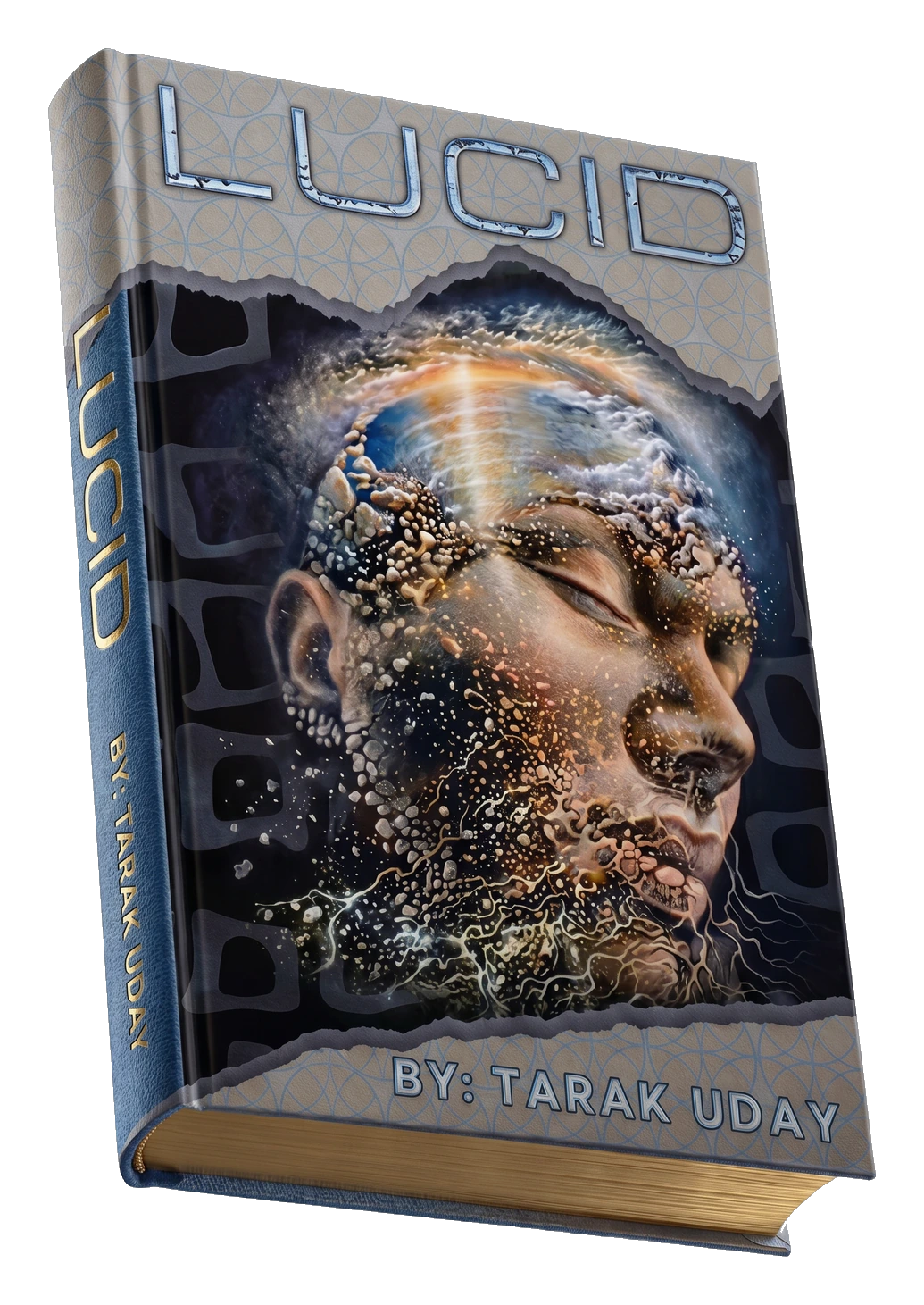
LUCID
You've tried every lucid dreaming technique. Most miss the root cause. LUCID reveals what they all skip.
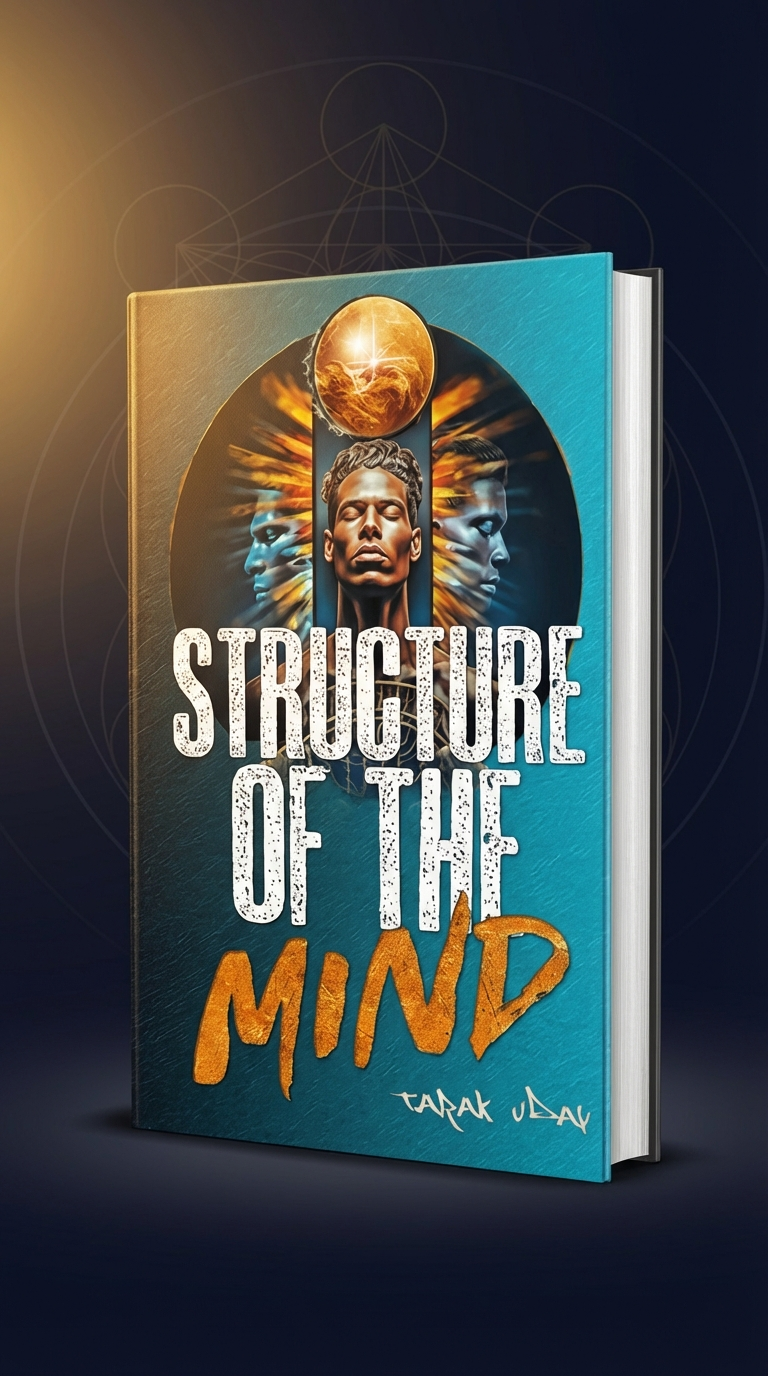
Understand Your Own Mind
"Structure of the Mind" reveals the three divisions of mind, seven levels of consciousness, and powers of mind that most people never learn to develop.