
Dream About Falling and Hitting the Ground
So you're dropping. The floor of the dream is gone, the air is rushing past, and then the ground comes up fast and you hit it, and you wake up with your heart going. Here's the question that's been sitting in the back of your mind ever since: was that a warning about something? In the Universal Language of Mind, dreaming you fall and hit the ground is your consciousness descending through the levels of mind and landing back in your waking, physical awareness. It's a re-entry, not a verdict. Stay with me, because the part everyone gets wrong is the part that matters most.
Why does everyone think hitting the ground means death?
Let's confront the belief first, because it's everywhere. You've heard it. If you hit the ground in a dream, you die in real life. It's the campfire line that's been passed around for generations, and it's flat wrong. People hit the ground in dreams every single night and wake up fine, get up, and make coffee. So where did the myth come from? It came from reading the dream literally, like the falling body is a literal body and the ground is a literal grave. That's the trap.
The Universal Language of Mind doesn't read dreams literally. It reads them as the mind talking to itself in symbols, where every image carries a function. So before you can hear what falling is actually telling you, you have to drop the death story entirely. It's noise. The real signal is mechanical, and it's a lot more useful than a superstition.
What is falling actually doing in the Universal Language of Mind?
Think about form and function for a second. What does falling DO? It moves you down. It takes you from a higher position to a lower one, fast, without your usual control over the descent. Now map that onto your inner world. Your mind has levels, from the deep, expansive places you visit in sleep down to the narrow, focused awareness you use to drive a car or pay a bill. Falling is the movement DOWN through those levels.
So when you dream of falling, your consciousness is descending from a deeper level of mind back toward the surface, back toward your everyday, grounded self. Hitting the ground is the landing. It's the moment your awareness reconnects with physical reality. That's why the jolt so often coincides with you waking up, your body is registering the arrival. The descent isn't an accident happening to you. It's the natural return trip from the inner world to the outer one.
Why does it feel so out of control, then?
Here's where the surrender piece comes in, and this is the part where you might see yourself. The reason falling feels terrifying is that you lose your conscious footing. You're not steering. Something else is carrying you down, and your daytime self, the part that loves to be in charge, hates that. So the fear in a falling dream isn't really fear of the ground. It's fear of not being in control of the descent.
And that's the mirror. So ask yourself honestly: where in your waking life are you white-knuckling something you can't actually control? Where are you bracing for impact instead of letting yourself land? The falling dream tends to show up when your conscious mind is gripping hard, when you're resisting a transition that's already happening. The metaphysical mechanics are simple. Your consciousness is going to make the descent whether you fight it or not. The fight is the only optional part.
Stop guessing what your dreams mean
CHITTA reads your dreams through the Universal Language of Mind so you get the actual mechanics, not a generic dream-dictionary guess.
Decode Your Dream Now →What do the different versions of the falling dream tell you?
The details change the reading, so pay attention to how you fall. If you fall and hit the ground hard and jolt awake, your re-entry into waking life is abrupt, you're snapping back into your daily mind without a gentle transition. That often tracks with mornings that feel jarring or a life that's been running on high alert. If you fall slowly, almost floating down, your consciousness is making an easier, more accepted descent, you're not fighting the return.
If you fall and the ground never comes, the descent is unresolved, some part of you is still suspended between levels, not yet willing to fully land in waking reality. And if you fall but feel calm the whole way down, that's worth noticing, because it means your conscious mind has made peace with not being the one steering. So the same core symbol, falling, reads differently depending on the texture of the fall. The ground is always the same destination. How you arrive is the message.
How do you actually use a falling dream in waking life?
Here's the bridge to your real days. Once you know falling is a descent and hitting the ground is re-entry, you can read the dream as feedback on how you're handling transitions. So the next time you have one, don't ask what disaster is coming. Ask what you're resisting landing in. A new routine? A loss you haven't accepted? A version of yourself you're being lowered into and don't recognize yet?
Then do the counterintuitive thing. Practice the surrender on purpose. The next time you feel the ground rushing up in life, not in the dream, the meeting you're dreading, the change you can't stop, soften instead of bracing. You'll find the landing is rarely the catastrophe the falling makes it feel like. The seed thought here is this: the impact you fear is almost always softer than the fight you put up to avoid it. According to Tarak Uday's Universal Language of Mind, your dreams aren't predicting your fate, they're showing you, in symbols, exactly how you're meeting your own life. So the falling dream isn't a threat. It's an invitation to land.
Your dream left a clue. Read it tonight.
Log this dream in CHITTA and watch the Universal Language of Mind turn the fall into a clear, usable message about your waking life.
Start With CHITTA →
Frequently Asked Questions



LUCID
You've tried every lucid dreaming technique. Most miss the root cause. LUCID reveals what they all skip.
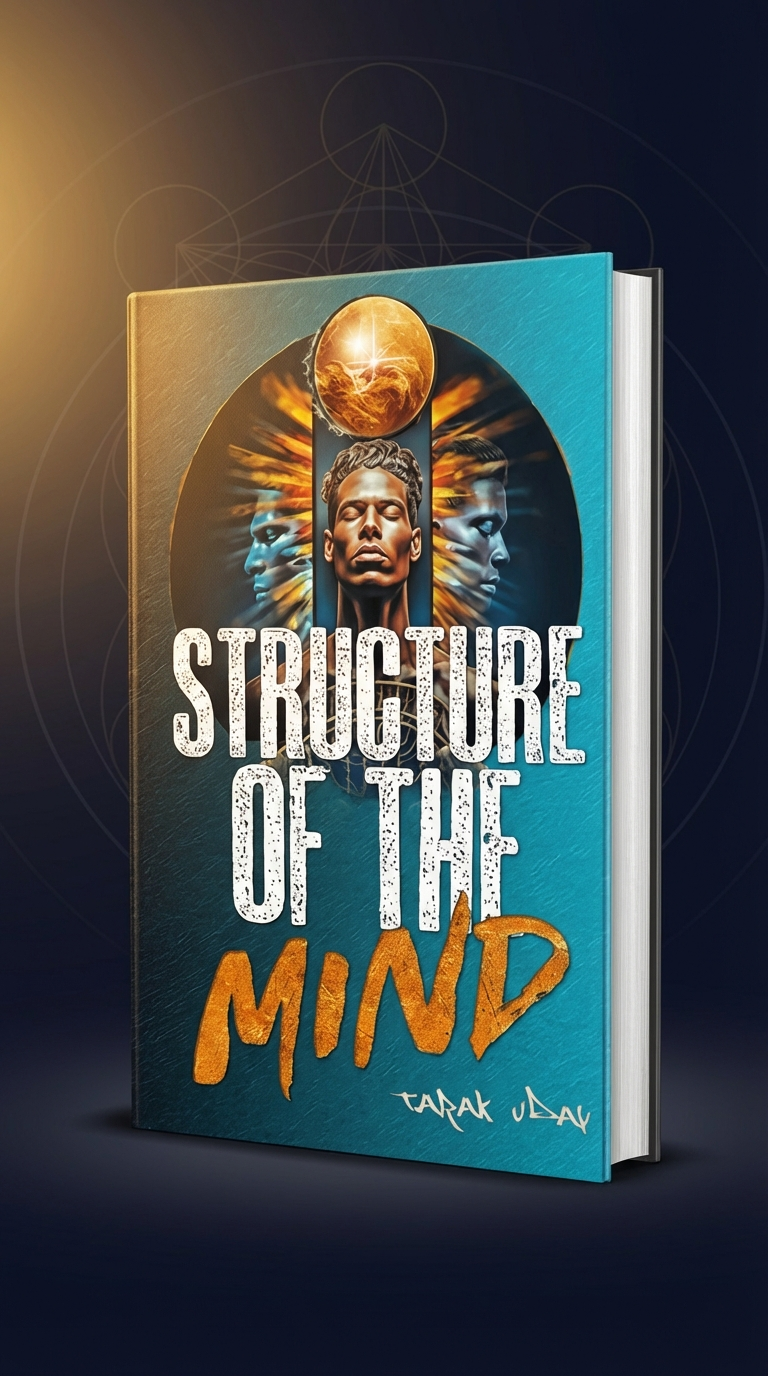
Understand Your Own Mind
"Structure of the Mind" reveals the three divisions of mind, seven levels of consciousness, and powers of mind that most people never learn to develop.