
Gun in Dreams: What Your Subconscious Is Really Telling You


You wake up from a gun dream and the first thing you do is check yourself for damage. Am I in danger. Is somebody out to get me. Is there something wrong with me that my mind produced that. The fear arrives so fast that the dream never gets interpreted at all — it just gets survived and filed away, which is precisely why it keeps coming back.
In the Universal Language of Mind, a gun is a mental tool for change. That's the whole definition. Not violence, not threat, not a warning about your neighbourhood. Your subconscious mind reached for the most concentrated image of applied force a human being has ever built, and it did that because it needed to talk to you about how you make change happen inside yourself.
Why would your subconscious mind hand you a weapon?
Tarak Uday teaches dream imagery through form and function: your subconscious mind picks a form whose real-world function matches the inner quality it needs to report on. So set the fear down for a moment and ask what a gun actually does.
A gun concentrates force and directs it at a single point. That's it. It takes energy that would otherwise scatter and delivers it, precisely, to one target — and the result is irreversible. Nothing else in ordinary life is that focused or that final.
Now look at what the rest of the dictionary does with that shape. A knife is a mental tool for change. A weapon is a mental tool for change. The same meaning, over and over, because your deeper mind is not interested in the object — it's interested in the function. Concentrated force, one target, permanent result. That's what deliberate inner change actually is.
So the gun in your dream is your capacity to make something in yourself change on purpose. Not drift. Not gradually soften. Change, decisively, because you aimed at it. And the reason the imagery is so charged is that this capacity is genuinely serious. Your subconscious mind isn't being dramatic. It's being accurate.
What does it mean when someone is pointing a gun at you?
This is the version that wakes people in a sweat, and it's the one that's misread most consistently. It feels like threat. It reads like threat. It isn't threat.
Start from the rule that governs everything else here: every figure in a dream is an aspect of yourself. There is no outsider in your dream. So the person holding the gun is a part of you, and what that part is holding is a tool for change, and it is pointed directly at you.
Read that plainly and it stops being frightening. Some part of you is demanding a change in you, and it's not asking politely. It has escalated to the most unambiguous image available because the quieter requests got ignored. People typically have this dream after months of knowing something has to change and doing nothing about it.
So the useful question isn't who the attacker was. It's what they wanted. Look at who the figure was — a stranger, someone you know, someone faceless — because that identity tells you which aspect of yourself has run out of patience. A faceless figure usually means the demand is coming from a part of you you haven't identified yet, which is very different from being pursued by something foreign.
The terror in the dream is real, and it's worth understanding rather than dismissing. You're frightened because change of this magnitude genuinely costs something. Whatever your subconscious mind is aiming at is something you've been protecting, and the fear you feel is the fear of losing it. That's an accurate emotion attached to a misread image — you're not afraid of an attacker, you're afraid of the surrender the change requires.
What does it mean when you're the one holding the gun?
Now the tool is in your hands, and the dream is reporting on your relationship with your own power to change things.
Watch what you do with it, because that's the entire message. Do you aim? Do you hesitate? Do you fire and feel nothing, or fire and feel sick? Do you carry it around without ever raising it? Each of those is a precise statement about how you handle deliberate change in waking life.
The hesitation dream is the most common and the most useful. You have the tool, you have the target, and you don't pull the trigger. That is an exact picture of knowing what needs to change, having the means to change it, and declining. People wake from that dream relieved they didn't shoot. They should be paying attention to what they spared.
And who you're aiming at matters enormously, since that figure is also you. Aiming at someone you recognise means the change is targeted at a familiar aspect of yourself — a habit, a role, a way you show up that you learned somewhere. So identify the person and you've identified the thing you've been trying to change.
Carrying the gun without ever using it deserves its own mention, because it's the version people find least alarming and should find most instructive. To hold a tool for change constantly, everywhere, and never raise it is to live in a state of permanent readiness that never converts into action. It feels responsible. It looks like preparation. Functionally it's storage, and your subconscious mind put the weight of the thing in your hand all night so you'd notice you've been carrying it for years.
Why does the gun jam, misfire, or shoot nothing at all?
This dream is enormously common and almost nobody reports it, because it feels like nothing happened. Something very specific happened.
The tool failed at the moment of use. You aimed, you committed, and the mechanism didn't deliver. In the Universal Language of Mind that's a report about your tool for change being unavailable exactly when you reach for it — which is the lived experience of every person who has ever decided to change something and then found themselves unable to move.
The bullets that fall out harmlessly, the trigger that won't depress, the shot that makes no sound — these aren't random dream weirdness. They're your subconscious mind saying the intention is real and the follow-through isn't connected to it. There's a gap between deciding and doing, and the dream is rendering that gap as a mechanical failure because that's the most honest picture of it.
So don't read a jammed gun as failure of will. Read it as a question about equipment. What actually happens in your week between the moment you decide something and the moment it would have to be executed? That's where the mechanism is disconnected, and that's what the dream wants looked at.
What is being shot actually reporting?
Here the dictionary gets unexpectedly direct. To kill, in the Universal Language of Mind, is to consciously cause inner transformation. Not destruction — transformation, caused on purpose.
So being shot in a dream is a report that a change is landing in you. Something is being ended deliberately, and you're experiencing it from the inside. That's why these dreams are so frequently followed by a period of genuine upheaval in waking life: the dream wasn't a warning about the upheaval, it was the announcement that the transformation had already begun.
Tarak Uday takes this further in Structure of the Mind, his map of the three divisions of mind and the powers of attention, memory and imagination.
Blood, when it appears, isn't gore. Blood is the internal source of lifeforce energy. So blood in a gun dream is showing you where your energy is going as the change takes effect — which is why people wake from these dreams drained rather than frightened, and mistake the exhaustion for trauma when it's actually expenditure.
And notice what almost never happens in these dreams: you rarely die in any final sense. You get shot, and the dream continues, and you're still there watching. That's the mechanics being honest with you. The transformation removes something. It doesn't remove you.
This is also why shooting someone else in a dream disturbs people so much and shouldn't. You consciously caused an inner transformation, and the aspect of yourself that ended was rendered as a person because that's how your subconscious mind draws aspects of yourself. Waking up guilty about it is like grieving a habit you successfully broke.
How do you turn a gun dream into a decision?
Take it apart in a fixed order, and collect everything before you interpret any of it. The metaphysical mechanics here reward precision, and this particular symbol punishes vagueness.
First, who held the tool — you, someone you know, someone faceless. Second, where it was aimed, since the target is the aspect of yourself the change is meant for. Third, whether it fired, jammed, or was never raised, because that's your follow-through rendered as machinery. Fourth, what you felt in the instant: dread, relief, calm, nothing. Fifth, what happened after the shot, which tells you whether you're currently watching a transformation or still standing at the front edge of one.
Now bridge it to your week, and refuse to be general about it. What change have you been circling without committing to? Where do you have the means and keep declining to use them? What part of your life escalated recently from a mild preference into something that will not be ignored any more — because that escalation is exactly what a gun in a dream measures.
One thing worth saying plainly, because this is where people get stuck and stay stuck. A gun dream is not evidence of something violent in you. It's evidence of something serious in you — a capacity for deliberate, concentrated, permanent change that you have been treating as dangerous because it looks dangerous. The imagery is severe because the function is severe. Change of this kind really does end things.
So the gun was never about being under attack. It was your own tool for change, held up where you couldn't miss it, waiting to see whether you'd finally take it by the handle and aim it at the thing you already know needs to go.
Frequently Asked Questions



Books by Tarak Uday
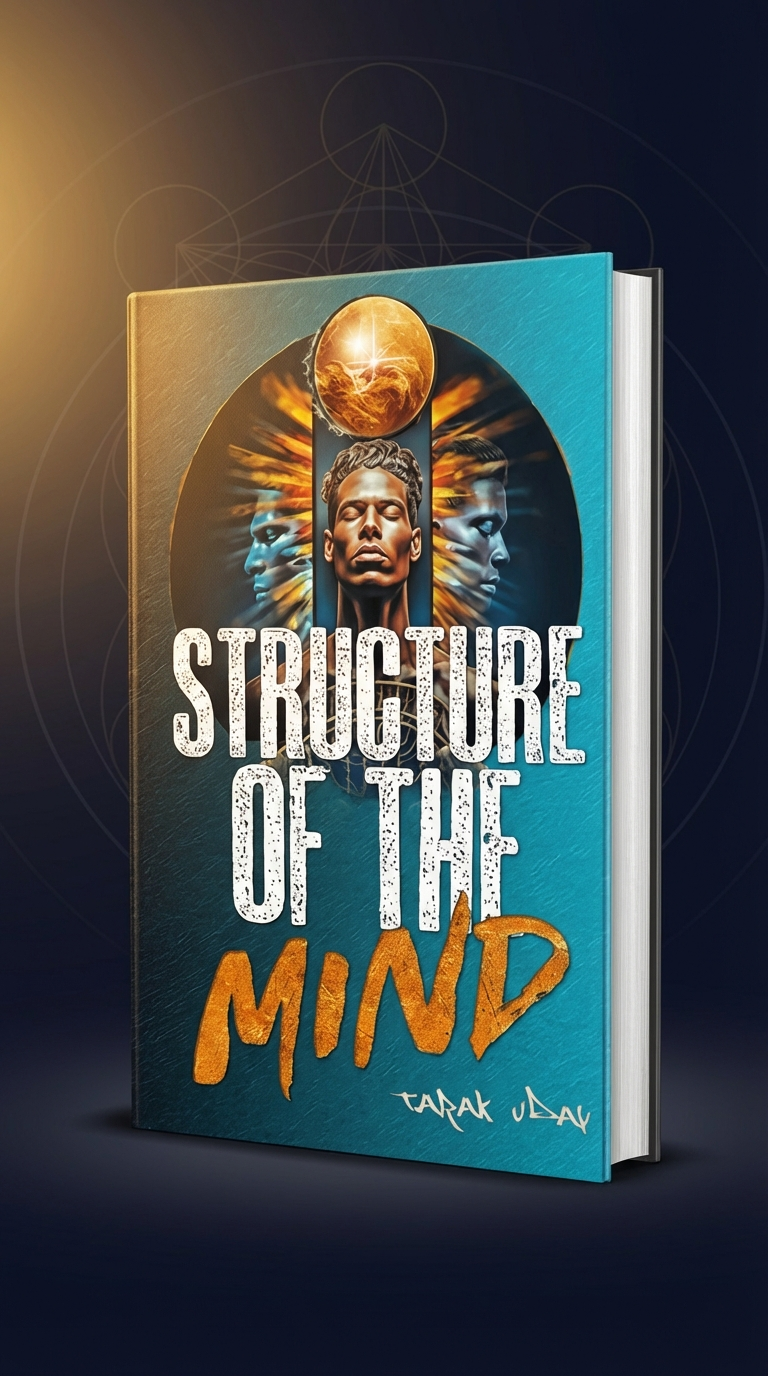
Understand Your Own Mind
"Structure of the Mind" reveals the three divisions of mind, seven levels of consciousness, and powers of mind that most people never learn to develop.

Learn The Language Your Dreams Speak
"Life Is But a Dream" teaches the Universal Language of Mind — how to read any dream symbol by what it is and what it does, so every dream becomes a message you can act on.

LUCID
You've tried every lucid dreaming technique. Most miss the root cause. LUCID reveals what they all skip.