
Healing in Dreams: What Your Subconscious Is Really Telling You


Healing dreams get filed under wishful thinking faster than almost any other image. You dream of a wound closing, or a body mending, or somebody tending to you, and you wake up and decide it was your mind being kind to you. A nice dream. Nothing to interpret. That dismissal is the single most expensive mistake you can make with this symbol, because a healing dream is one of the few images your subconscious mind uses to report that something has actually changed.
In the Universal Language of Mind, healing is transformation from negative thinking into positive thinking. Not physical recovery. Not comfort. A specific, structural change in how you think — and your subconscious mind renders it as a body mending because that's the most legible picture of a system returning to working order that a human being has ever had.
What is your subconscious mind actually calling healing?
Tarak Uday teaches dream imagery through form and function: your subconscious mind chooses a form whose real-world function matches the inner quality it's reporting on. So look at what healing does rather than what it feels like.
Healing isn't the absence of damage. It's a process that takes a system which had stopped working correctly and returns it to function. It's directional, it takes time, and it leaves the thing changed rather than restored to exactly what it was. Every one of those properties belongs to a change in thinking as much as it belongs to tissue.
And that's the point. The dictionary is precise here: illness is negative thinking that leads to unproductive attitudes and beliefs. So if illness is a way of thinking, then healing can only be the transformation of that way of thinking into a productive one. Your dream body isn't a body. It's a picture of your mental condition, and the mending is the correction.
So the question to bring to a healing dream isn't "am I sick." It's "which belief have I been running that stopped working, and what is replacing it." That reframe alone converts a pleasant dream you would have forgotten into a status report on the most important work you're doing.
Why does the dream show you an illness you don't have?
This is what frightens people into misreading the whole symbol. You dream of a diagnosis, a failing organ, a body coming apart — and you spend the next week worrying about your health. Almost always, the health was never the subject.
Illness in the Universal Language of Mind is negative thinking that produces unproductive attitudes and beliefs. That's the definition, and it's remarkably specific. It isn't sadness and it isn't stress. It's thinking that has begun generating conclusions which don't serve you, and which you've started treating as facts about the world rather than as output.
So a dream illness is a diagnosis, just not a medical one. And the location matters, because your subconscious mind doesn't put the damage somewhere at random. It uses the function of the body part to say which faculty is affected — what that region does in waking life is what the negative thinking is interfering with.
There's a milder version worth knowing: simply being sick or run down in a dream. The dictionary reads that as an imbalance calling for rest and attention. That's a gentler signal than full illness imagery — not a belief that has gone bad, just a system asking you to stop overriding it. People routinely ignore this dream and then wonder why the imagery escalates.
Who is the doctor in your dream, and why isn't that a stranger?
Almost every healing dream contains a healer — a doctor, a nurse, a figure who arrives and knows what to do. People wake up grateful to that figure and never ask who it was.
In the Universal Language of Mind, a doctor is the superconscious mind. That single entry rearranges the entire dream. The figure who showed up to repair you isn't external help, isn't luck, and isn't a symbol of your GP. It's the level of yourself that already holds the pattern of what you're becoming, arriving to do work you couldn't do from where you were standing.
So notice how you treated that figure. Did you cooperate? Did you argue? Did you refuse treatment, delay it, or hide the injury from them? That's an exact rendering of your relationship with your own deeper knowing — and people who habitually override their intuition tend to dream of resisting medical care, which is not a coincidence.
A hospital, when it appears, is a healing state of mind. Not a place of danger. It's the condition you enter when transformation is actively being carried out on you. So finding yourself in one isn't ominous. It means the work is happening in an environment organised around getting it done.
It's worth noticing how rarely the healer in these dreams explains anything. They examine, they treat, they move on. That's an accurate portrait of how the superconscious level operates — it doesn't argue you into position or wait for your agreement. It acts on what it can already see. People who wake up frustrated that the dream figure wouldn't tell them what was wrong have missed that the treatment itself was the message.
What does a wound that won't close report?
This is the version people bring to dream work most often, and it's the most diagnostically loaded. Something is open, and it keeps being open, night after night.
A wound is a hurt that asks to be tended — it's the site of healing, not the failure of it. So a wound that won't close isn't telling you that you're broken. It's telling you the tending hasn't been done. Something in your thinking got damaged, the damage is still live, and you've been walking around it rather than attending to it.
And here's the confrontation, because this symbol earns one. An open wound in a dream almost always corresponds to a hurt you've decided to be philosophical about. You've explained it. You've contextualised it. You've told the story enough times that it sounds resolved. But explaining an injury is not the same as tending it, and your subconscious mind can tell the difference even when your account of yourself can't.
Blood, if it appears, isn't horror. Blood is the internal source of lifeforce energy. So visible blood in a healing dream is showing you where your energy is being spent — and an untended wound that bleeds is the clearest possible picture of an unresolved belief that is quietly costing you vitality every day it stays open.
Why do healing dreams often arrive before you feel any better?
This is the part that confuses people most, and understanding it changes how much you trust your own dreams.
The transformation from negative thinking into positive thinking begins below the level you're aware of. Your subconscious mind registers the change as it starts, not when your mood finally catches up to it. So the dream reports a mend that your waking self hasn't felt yet, which is why people so often dream of healing during a week that still feels difficult.
Tarak Uday takes this further in Structure of the Mind, his map of the three divisions of mind and the powers of attention, memory and imagination.
So don't dismiss the dream because your circumstances haven't improved. The dream isn't a claim about your circumstances. It's a claim about your thinking, and thinking changes first. This is one of the genuinely useful pieces of metaphysical mechanics in dream work: the imagery leads the feeling, sometimes by weeks.
It also means healing dreams tend to cluster after a decision rather than before one. If you've recently stopped defending a position, ended something, or admitted something you'd been arguing with — expect this imagery. The dream is confirming that the replacement thinking took hold, which is information you cannot get any other way.
The reverse is worth watching too. If healing imagery stops appearing during a period when you believe you're doing well, that's worth a serious look. Positive thinking that hasn't actually replaced anything produces no mending imagery, because nothing was transformed. Feeling fine and having changed are different states, and this symbol is one of the few instruments that can tell them apart.
How do you work with a healing dream this week?
Collect it in order, and don't interpret any single element until you have all of them. Precision matters more here than with almost any other symbol, because the parts of a healing dream are unusually specific.
Start with what was damaged, and what that part of the body does — its function names the faculty involved. Then take the state: fresh injury, old wound, active mending, full recovery. Then who did the tending, and whether that figure was you, someone known, or a doctor. Then whether you accepted or resisted the care. Then the setting, since a hospital is a healing state of mind and a home is a state of mind more broadly. And finally how you felt as the mending happened, because relief, impatience and grief each report something different about your relationship to the change.
Now bridge it to waking life and be specific. What belief have you recently stopped running? What conclusion about yourself or about other people have you quietly retired in the last month? Where are you accepting help you would once have refused? And which hurt are you still explaining rather than tending — because that one is the open wound, and your subconscious mind has already located it.
One thing worth saying plainly, because this is where people undersell their own progress. Healing in the Universal Language of Mind does not return you to a previous version of yourself. It transforms negative thinking into positive thinking, and transformation means the thing that comes out is different from the thing that went in. You don't get your old beliefs back in working order. You get better ones.
So the healing dream was never just your mind being gentle with you. It was a report from the level of yourself that had already begun the repair, showing you the work in progress and waiting to see whether you'd recognise it as yours.
Frequently Asked Questions



Books by Tarak Uday
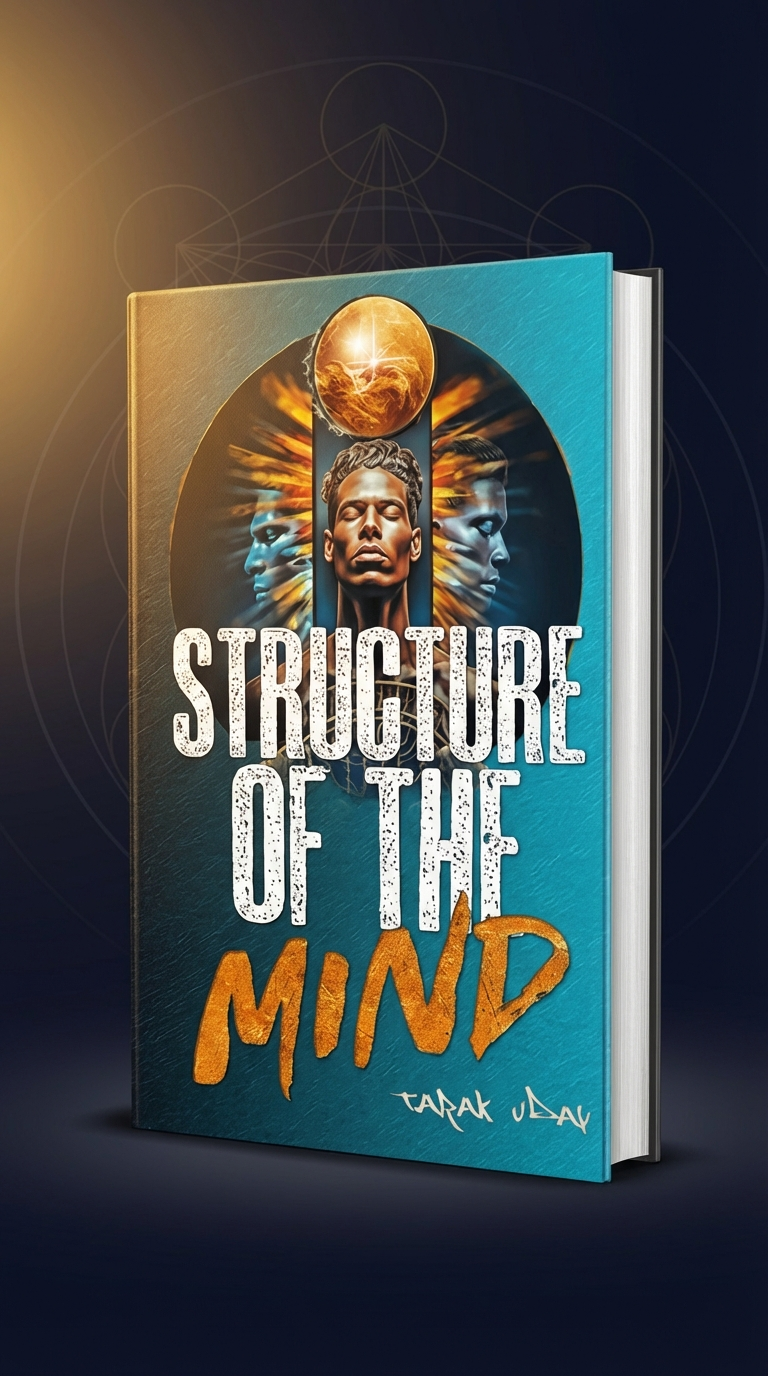
Understand Your Own Mind
"Structure of the Mind" reveals the three divisions of mind, seven levels of consciousness, and powers of mind that most people never learn to develop.

Learn The Language Your Dreams Speak
"Life Is But a Dream" teaches the Universal Language of Mind — how to read any dream symbol by what it is and what it does, so every dream becomes a message you can act on.

LUCID
You've tried every lucid dreaming technique. Most miss the root cause. LUCID reveals what they all skip.