
The Superconscious Mind: What It Is and How to Consult It
It isn't a voice from above that answers in words. It's the blueprint you drew for yourself, and your breath is the walk back to read it.
The superconscious mind is the deepest of the mind's three divisions: the mind your spirit uses, free of time and space, and its power is awareness. It holds the blueprint for your life, feeds you the lifeforce to fulfill it, and you consult it through the breath. You've probably tried to reach it the hard way already. You've lain awake with one question you couldn't think your way out of, turning it over until the pillow was warm on both sides. Thinking harder never answered it. The superconscious mind doesn't reply in sentences. Its answer crosses into the subconscious mind as images, and the first place to look for it is the dream you woke up with this morning.
What Is the Superconscious Mind, Really?
In the Universal Language of Mind, as Tarak Uday teaches it, the mind has three divisions. The conscious mind is the one you're reading with right now; it works through the physical body in this three-dimensional reality, and its power is reasoning. The subconscious mind is used by the soul in the fourth dimension, and its power is intuition. The superconscious mind is used by the spirit in the fifth dimension, and its power is awareness, or more accurately, transcendence. For the full map, see the three divisions of mind explained.
The conscious and subconscious minds are two halves of one whole. The superconscious mind is whole amongst itself, free of time and space, and its quality is interconnectedness.
And it has a dual nature of its own. Its receptive side is its purpose: to hold the blueprint for your existence, the design you created for yourself, carrying your soul's purpose and your purpose in this lifetime. Its aggressive side is its duty: to supply the lifeforce energy you need to fulfill that blueprint. One side holds the plan. The other fuels the build. So the superconscious mind isn't a far-off place you visit on a good day. It's the part of you that already knows the whole design.
Why Isn't the Superconscious Mind Just a Voice That Gives You Answers?
Here's the belief most people walk in with: the superconscious mind is a wise voice upstairs, and if you ask the right way it'll tell you in words exactly what to do. When the words don't come, they decide they aren't spiritual enough to hear.
That belief is backwards. The voice that talks back in words is the conscious mind; reasoning is the power that narrates. Intuition, the quiet knowing that arrives whole, belongs to the subconscious mind. The superconscious mind works through awareness. It widens the view until the problem you were stuck inside stops looking like a wall.
Tarak Uday teaches it with a parable from Structure of the Mind. An electrician is wiring a large building. Two floors are done, and he's moving well through the third until he walks into a room where water pipes sit exactly where his wires should go. Suddenly he doubts everything, even the floors he finished. So he walks back to the job-site trailer and opens the blueprint. Everything he's done is right. This one is a mirrored room, and his wires run through the opposite wall. He goes back to work with more awareness and more confidence than before he got lost.
Your life works the same way. When something leaves you feeling lost, the move isn't to think harder on the third floor. It's to go within and check the plan.
The blueprint is your destiny. Free will decides when you fulfill each part, not whether: run from a lesson and life recreates it until you learn it.
How Do You Know the Superconscious Mind Has Already Been Reaching You?
You've felt its aggressive side, even if nobody named it. It's one or two in the morning, you're exhausted, and an idea lands. Suddenly you're wide awake and ready to act. That surge is lifeforce energy fed into you from the superconscious mind. The word for it is inspiration, and it's literal. Spirit comes from the Latin spiritus and spirare: breath. To be inspired is to be breathed into.
Its receptive side reaches you at night, in pictures. As an idea from your blueprint crosses from the superconscious mind into the mental level of the subconscious mind, it gets firmer and forms into a thought. That thought is what your dream is made of. In the Universal Language of Mind, certain dream images point straight back to the superconscious mind. An open sky in a dream is one. Your mother appearing in a dream is another, and so is your father. Standing on the roof of a skyscraper is another.
So a dream that puts you under an open sky isn't set dressing. It's the blueprint showing through. But one dream is a sentence. When the same superconscious symbol returns for weeks, it's a paragraph, and it says something no single dream can. You only see that paragraph if you've kept the sentences.
How Do You Consult the Superconscious Mind Before Sleep?
So if the superconscious mind is the mind your spirit uses, and spirit means breath, the door is obvious. It's why every meditation tradition starts with the breath. The breath ties the soul to the body and lets the conscious mind unite with the superconscious mind. That's the walk back to the trailer.
First, choose one question. Not five. Ask for understanding, not a yes or a no. "What am I meant to learn from this?" works. "Should I take the job?" invites the conscious mind to start debating. Write the question down by hand.
Second, breathe the Long Breath for five minutes. Breathe in slowly, as long as is comfortable, then breathe out longer than you breathed in. Never strain. Hold the question lightly at the edge of your mind and let it ride the breath. When reasoning starts building arguments, come back to the breath. The full technique is in the Long Breath, step by step.
Third, let go. This is the step that separates consulting from worrying. Tarak Uday's instruction for prayer applies exactly: once you've asked, spend time listening for the response. Don't keep asking. Fall asleep in the listening.
Fourth, in the morning, write down whatever's there: the dream, a fragment, the first thought that greeted you. Most people believe they don't dream. They dream every night and lose it within about ninety seconds of waking. Recall is a trainable skill, and the answer you asked for lives in those ninety seconds. The state you fall asleep in decides the state you dream in, and the breath is the one lever that reaches it directly.
How Does CHITTA Accelerate Consulting the Superconscious Mind?
So now you can see the gap. The practice produces two things that vanish by default: how your breathing went, and what came back in the night. One night, you'll remember. Thirty nights, you won't, and the pattern lives across the thirty.
That's what CHITTA records. The Long Breath practice has its own session log: the date, how long you breathed, any breath retention, and a line of notes where tonight's question goes. Beside it sits the dream journal, where the morning's fragment is written down before it fades. The interpretation engine decodes that dream in the Universal Language of Mind, and the symbol dictionary tells you when an image like the sky or a parent belongs to the superconscious mind.
Tarak Uday takes this further in Structure of the Mind, his map of the three divisions of mind and the powers of attention, memory and imagination.
Side by side, what was invisible becomes a dated record. You see which questions came back answered, how many nights it took, and how the nights you breathed differ from the nights you skipped. That's what compresses the time: you stop guessing and start reading evidence.
The Structure of the Mind lessons are being turned on shortly, and they're the natural next step once the nightly practice is steady. So here's tonight's act: before sleep, hold one question in mind through five minutes of the Long Breath, and log the session. Then write tomorrow's dream down before your feet touch the floor. If you'd like that first dream decoded, start here.
That's what the superconscious mind is. It doesn't tell you what your blueprint says about the question you're carrying tonight. Tomorrow morning's dream will.
What Else Do People Ask About the Superconscious Mind?
What is the difference between the subconscious and superconscious mind?
The subconscious mind is used by the soul; its power is intuition, and it's one half of a whole with the conscious mind. The superconscious mind is used by the spirit; its power is awareness, it's whole amongst itself, and it holds your blueprint.
How do I connect with my superconscious mind?
Through the breath. Spirit means breath, and the breath lets the conscious mind unite with the superconscious mind. Before sleep, hold one question through five minutes of the Long Breath, then stop asking and listen. Record whatever you remember on waking, including fragments.
What does the superconscious mind look like in dreams?
In the Universal Language of Mind, the sky, your mother, your father and the roof of a skyscraper all point to the superconscious mind. They appear when an idea from your blueprint crosses into the subconscious mind and forms into a thought.
Tarak Uday teaches the Universal Language of Mind and the Structure of the Mind, the framework behind CHITTA's practices. His books, including LUCID and Life is But a Dream, are on the CHITTA books page.

Frequently Asked Questions


Books by Tarak Uday
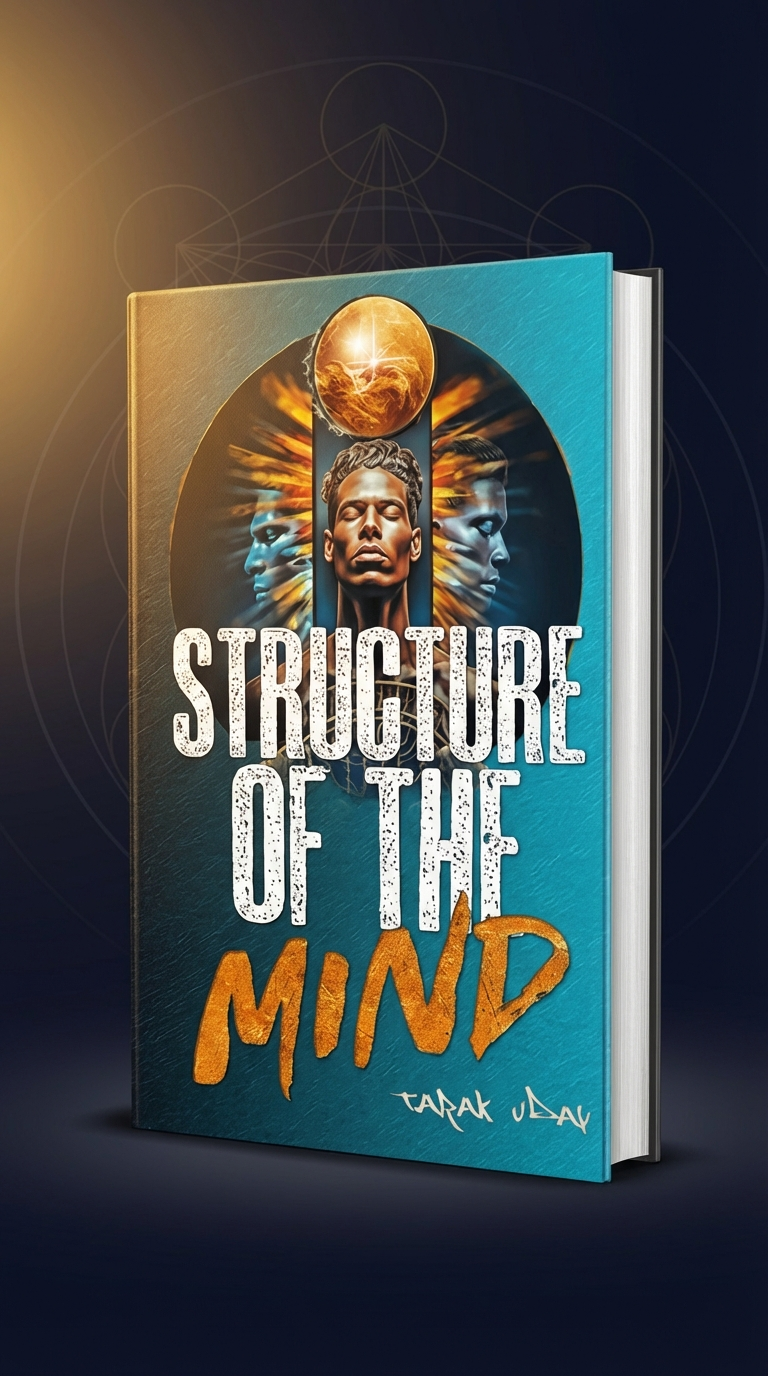
Understand Your Own Mind
"Structure of the Mind" reveals the three divisions of mind, seven levels of consciousness, and powers of mind that most people never learn to develop.

Learn The Language Your Dreams Speak
"Life Is But a Dream" teaches the Universal Language of Mind — how to read any dream symbol by what it is and what it does, so every dream becomes a message you can act on.
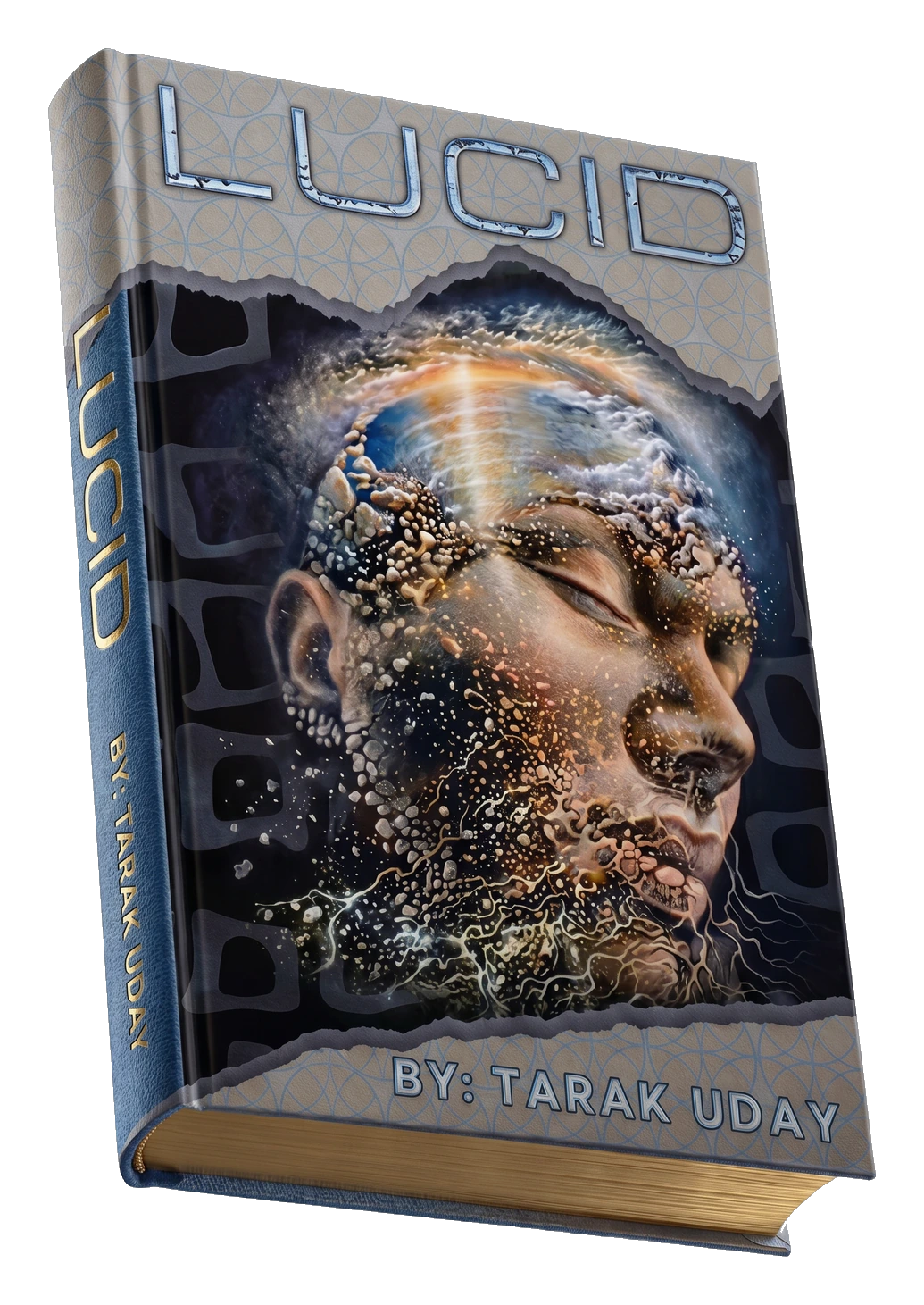
LUCID
You've tried every lucid dreaming technique. Most miss the root cause. LUCID reveals what they all skip.